

Using keto strips is a straightforward way to monitor your body’s ketosis levels, helping you stay on track with your ketogenic diet. These strips measure the presence of ketones in your urine, giving you immediate feedback on whether you’re achieving the metabolic state of ketosis. By employing keto strips effectively, you can gain insights into your nutritional choices, tailor your diet to maintain ketosis, and enhance your overall weight loss journey. In this article, you’ll learn how to use keto strips effectively, interpret the results, and integrate them into your diet plan.
Understanding Keto Strips

Keto strips, also known as ketone test strips, are specifically designed to detect ketones in urine, providing a reliable indication of whether your body is in a state of ketosis. During ketosis, the body shifts from burning glucose for energy to utilizing fat-derived ketones, which can lead to weight loss and improved energy levels. These strips come in various forms, typically as test strips that you dip into a sample of urine. Once dipped, the chemical composition of the strip reacts with the ketones present, resulting in a color change that indicates the concentration of ketones. This simple, non-invasive method allows individuals following a ketogenic diet to monitor their progress without the need for more complicated testing methods, such as blood tests.
When to Use Keto Strips
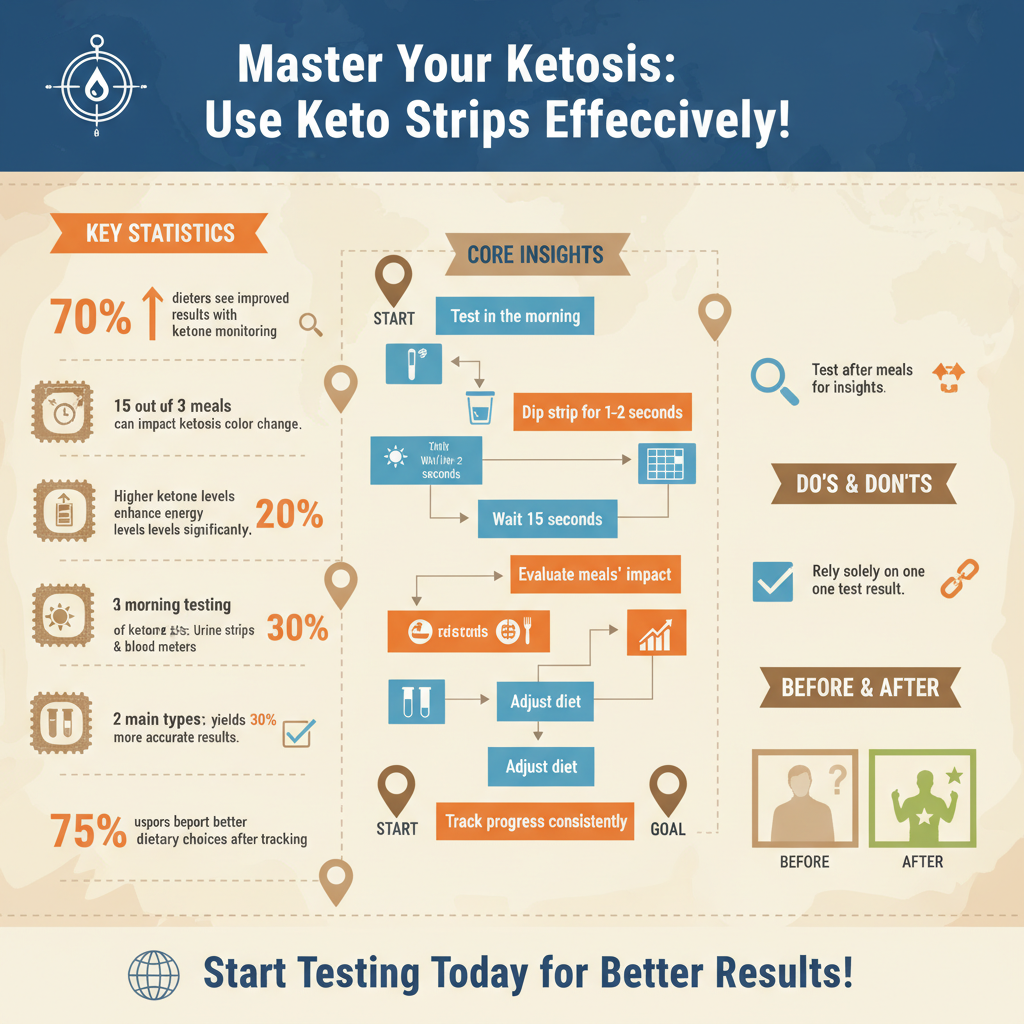

Timing is essential when it comes to using keto strips to ensure the most accurate results. It is recommended to test in the morning, shortly after waking up, as urine concentration is typically higher at this time due to overnight fasting. Morning testing can provide a clearer picture of whether you have maintained ketosis through the previous day. Additionally, testing after meals can provide valuable insights into how specific foods affect your body’s ketosis levels. For instance, if you consume a meal higher in carbohydrates than usual and subsequently test your ketone levels, you can evaluate how that meal impacted your state of ketosis. This knowledge enables you to make informed dietary choices moving forward.
How to Use Keto Strips
Using keto strips is a simple process that only takes a few moments. First, collect a urine sample in a clean container. Next, take a keto strip and dip it into the urine for about 1-2 seconds, ensuring that the strip is fully submerged. After removing it, shake off any excess urine and wait for the recommended time, typically around 15 seconds, for the color to develop. Once the time has passed, compare the color of the strip to the chart provided on the packaging. The chart will help you determine the level of ketones present in your urine, ranging from negative (no ketones) to high levels of ketosis. By following these steps, you can effectively monitor your ketosis status and adjust your dietary approach as needed.
Interpreting Results
Interpreting the results of your keto strip test is crucial for understanding where you stand in your ketogenic journey. A light pink color usually indicates low levels of ketosis, suggesting that your body is either not producing enough ketones or that you may still be consuming too many carbohydrates. Conversely, a darker purple color indicates high levels of ketosis, which is typically the desired state for those following a ketogenic diet. It is important to note that individual responses can vary, so it’s essential to understand that these results should be used as a guideline rather than a definitive measure. If you find that your results are consistently low, consider adjusting your carbohydrate intake or reassessing your overall dietary habits to ensure you remain in or achieve ketosis.
Tips for Accurate Testing
To ensure the accuracy of your keto strip results, consider the following tips. First, maintain proper hydration levels; however, avoid excessive water consumption right before testing, as diluted urine can lead to inaccurate readings. Ideally, drink adequate water throughout the day and test when you are moderately hydrated. Additionally, the storage of your keto strips is vital. Keep them in a cool, dry place, away from direct sunlight or moisture, as improper storage can lead to degradation and unreliable results. Lastly, avoid using the strips after their expiration date, as they may not provide accurate readings beyond that point.
Common Misconceptions
There are several misconceptions surrounding the use of keto strips that are important to clarify. One common misunderstanding is that keto strips measure only ketones, not overall health or weight loss. While they are a useful tool for tracking ketosis, they do not provide a comprehensive view of your overall health status. Additionally, being in ketosis does not guarantee weight loss; it is merely one component of the weight loss process. Factors such as caloric intake, physical activity, and individual metabolism play critical roles in determining weight loss success. It’s essential to approach your ketogenic journey holistically, incorporating various health indicators alongside ketone measurements.
Incorporating Results into Your Diet
Using results from keto strips can significantly enhance your dietary strategy. By monitoring your ketone levels, you can adjust your carbohydrate intake to find the optimal range that allows you to maintain ketosis. For example, if you notice that your ketone levels are lower than desired, you might consider reducing your carbohydrate consumption further or incorporating more healthy fats into your meals. Additionally, combining the results from keto strips with other methods, such as measuring blood ketones, can provide a more comprehensive view of your metabolic state. This multifaceted approach allows for a tailored dietary plan that aligns with your individual metabolic response and health goals.
Summarizing the key steps for using keto strips can enhance your ketogenic journey. By understanding how and when to use these tools, interpreting the results, and adjusting your diet accordingly, you can optimize your path to ketosis. Start using keto strips to track your progress and ensure you are getting the most out of your ketogenic lifestyle! Embrace this simple yet effective tool to stay informed about your body’s state and make informed dietary decisions that align with your health objectives.
Frequently Asked Questions
What are keto strips and how do they work?
Keto strips, also known as ketone test strips, are diagnostic tools that measure the level of ketones in your urine, helping you determine if your body is in a state of ketosis. When following a ketogenic diet, your body burns fat for fuel instead of carbohydrates, producing ketones as a byproduct. By using these strips, you can assess whether your diet is effective and adjust your food intake accordingly to maintain optimal ketosis.
How do I properly use keto strips to test for ketosis?
To use keto strips effectively, first ensure you have clean hands and a dry strip. Urinate into a clean container and dip the strip into the urine for about 1-2 seconds. Remove it and wait for the color change according to the manufacturer’s instructions, usually around 15 seconds. Compare the strip’s color to the provided chart to determine your ketone levels, which will indicate whether you are in ketosis or not.
Why are my keto strips showing negative results when I’m following the diet?
If your keto strips are showing negative results despite adhering to a ketogenic diet, it could be due to several factors. First, hydration levels play a significant role; being overly hydrated may dilute ketones in your urine. Additionally, your body may have adapted to ketosis, causing lower ketone production, or you may not be consuming enough healthy fats. It’s essential to monitor your overall dietary intake and consider using a blood ketone meter for a more accurate reading.
What’s the best time of day to test with keto strips for accurate results?
The best time to test with keto strips is typically in the morning, shortly after waking up. This is when your urine is more concentrated, which can provide a clearer indication of your ketone levels. Testing after a few hours of fasting or before meals can also yield reliable results, as food intake can influence ketone concentration in your urine throughout the day.
Which keto strips are the most reliable for tracking ketone levels?
When selecting keto strips, look for reputable brands known for accuracy and customer satisfaction, such as Precision Xtra or Keto Mojo. These strips are designed to provide reliable readings and often come with user-friendly instructions. Reading customer reviews and checking for certifications can also help you find the most reliable keto strips to track your ketosis effectively.
References
- https://www.healthline.com/nutrition/keto-diet-ketosis
- https://www.webmd.com/diet/what-is-the-ketogenic-diet
- https://www.ncbi.nlm.nih.gov/pmc/articles/PMC6830427/
- https://www.cdc.gov/healthyweight/assessing/bmi/index.html
- https://www.mayoclinic.org/healthy-lifestyle/nutrition-and-healthy-eating/in-depth/keto-diet/art-20459885
- https://www.nutrition.org.uk/healthyliving/basics/keto-diet.html

