To start the Keto diet, focus on reducing carbohydrates to around 5-10% of your daily intake, while increasing fats to about 70-75%. Choose healthy fats like avocados and olive oil, along with low-carb vegetables such as spinach and zucchini. Avoid high-carb foods like pasta and sugary snacks, as they can disrupt ketosis. Stay hydrated and monitor your electrolyte levels to manage potential side effects. As you begin this journey, you’ll uncover essential tips and strategies for success.
Understanding the Ketogenic Diet Basics
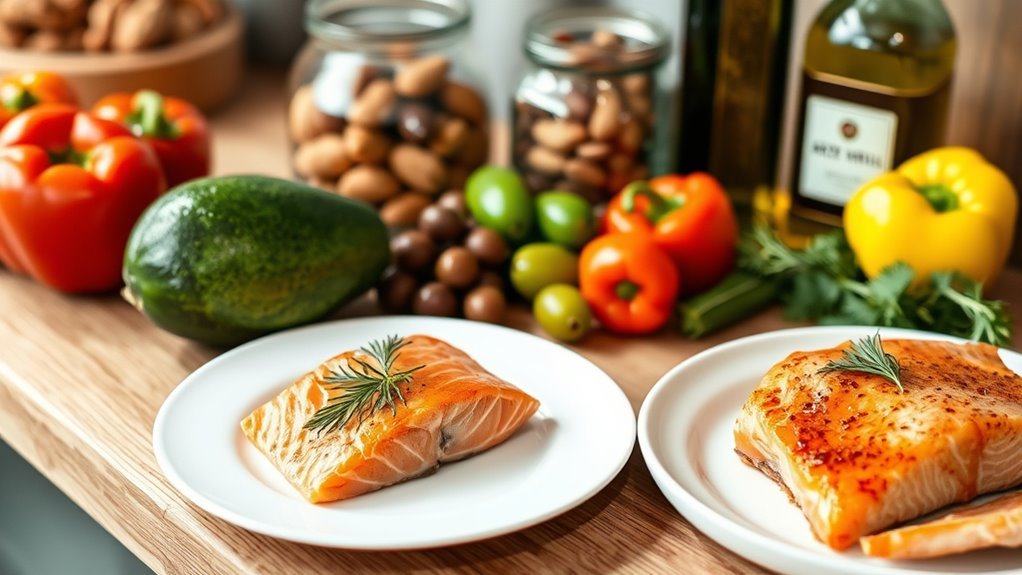
Understanding the ketogenic diet basics is essential if you want to commence on this low-carbohydrate, high-fat eating plan. The keto diet history dates back to the 1920s when it was initially developed to manage epilepsy. Over the years, it has evolved, leading to various ketogenic diet variations, such as standard, targeted, and cyclical options. Each variation offers different approaches to carb intake and fat consumption, allowing flexibility based on your lifestyle and goals. The core principle involves drastically reducing carbohydrates to shift your body into ketosis, where it burns fat for fuel instead of glucose. By grasping these fundamentals, you’re better equipped to create a sustainable and enjoyable keto journey that aligns with your personal freedom and health aspirations.
Benefits of the Keto Diet
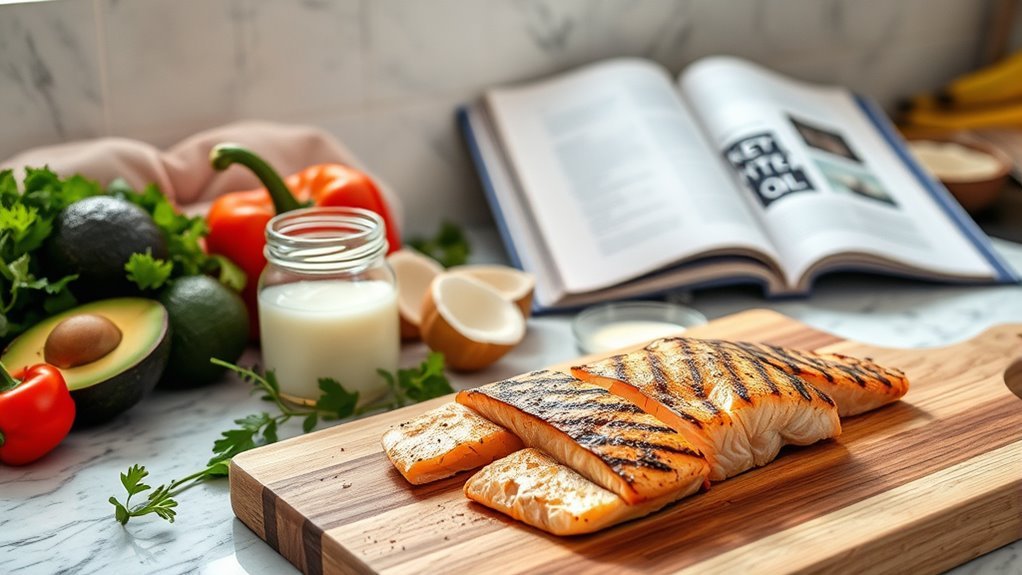
The keto diet can offer several benefits that might catch your interest, especially if you’re looking to lose weight or boost your mental clarity. Research suggests that the high-fat, low-carb approach can help accelerate weight loss by altering your body’s metabolism. Additionally, many people report improved focus and sharper cognitive function when following this dietary plan.
Weight Loss Support
While many diets promise quick results, the ketogenic diet stands out for its potential to support effective weight loss. One of the key advantages of keto is the strong sense of community it fosters. Engaging with the keto community support can be incredibly motivating, as you share experiences and tips with others on the same journey. Finding accountability partners can further enhance your commitment; having someone to check in with encourages consistency and helps you stay on track. Studies show that social support greatly impacts weight loss success, making this aspect of the keto lifestyle invaluable. By surrounding yourself with like-minded individuals, you can cultivate an empowering environment that celebrates your progress and keeps you focused on your goals.
Enhanced Mental Clarity
| Cognitive Benefit | Description |
|---|---|
| Enhanced Focus | Improved attention span and concentration |
| Reduced Brain Fog | Clarity in thinking and decision-making |
| Improved Memory | Better retention and recall of information |
| Increased Energy | Sustained mental energy throughout the day |
| Mood Stabilization | More balanced emotional state |
Macronutrient Breakdown: Fats, Proteins, and Carbs

To successfully follow the keto diet, it’s essential to understand the right macronutrient ratios—typically high in fats, moderate in proteins, and very low in carbs. Choosing healthy fats, such as avocados and olive oil, can make a significant difference in your overall health and weight loss journey. By balancing these macronutrients properly, you can maximize the effectiveness of your keto experience.
Understanding Macronutrient Ratios
Understanding macronutrient ratios is essential for successfully starting the Keto diet. The typical ratio is about 70-75% fats, 20-25% proteins, and only 5-10% carbs. This high-fat, low-carb approach shifts your body into ketosis, where it burns fat for energy instead of glucose. To achieve this, you’ll need to engage in macronutrient tracking, which helps guarantee you’re hitting these targets. Don’t worry if you’re not perfect right away; adjusting ratios based on your individual response can enhance your results. Listen to your body, experiment with different foods, and find what works best for you. This flexibility allows you to embrace the freedom of the Keto lifestyle while still being mindful of your nutritional goals.
Choosing Healthy Fats
As you commence on the Keto diet, selecting healthy fats is essential to guarantee you’re meeting your macronutrient goals while promoting overall health. Focus on incorporating healthy fat sources like avocados, nuts, seeds, and fatty fish into your meals. These foods provide essential nutrients and help keep you satiated. When it comes to cooking, opt for healthy cooking oils such as olive oil, coconut oil, or avocado oil, which withstand high heat and offer additional health benefits. Avoid trans fats and highly processed oils, as they can lead to inflammation and other health issues. By making informed choices about fats, you’ll not only enhance your Keto experience but also support your long-term well-being. Enjoy your journey to freedom with food!
Foods to Include in Your Keto Diet
While starting on the keto diet, it’s essential to focus on the right foods that will help you maintain a state of ketosis. Incorporating keto-friendly vegetables, healthy protein sources, low carb snacks, and dairy options into your meals can make a significant difference.
Here’s a quick reference table to guide you:
| Food Category | Examples |
|---|---|
| Keto Friendly Vegetables | Spinach, Zucchini, Kale |
| Healthy Protein Sources | Chicken, Salmon, Eggs |
| Low Carb Snacks | Nuts, Cheese, Olives |
Foods to Avoid on the Keto Diet
When starting the keto diet, it’s vital to avoid high-carb foods and sugary snacks, as they can hinder your progress. These items can spike your insulin levels and disrupt ketosis, which is essential for burning fat effectively. By steering clear of these foods, you can better maintain your desired state of ketosis and achieve your health goals.
High-Carb Foods
To successfully initiate the keto diet, it’s crucial to identify and avoid high-carb foods that can derail your progress. High-carb snacks, like chips, cookies, and sugary cereals, pack in carbs that can keep your body from entering ketosis. Similarly, high-carb meals, including pasta, rice, and bread, will spike your insulin levels and hinder fat burning. To maintain your freedom on this journey, swap out these foods for low-carb alternatives, such as nuts, leafy greens, and protein-rich options. Preparing meals at home can help you control your carb intake and stay on track. Remember, being mindful of what you consume is key to embracing the keto lifestyle and achieving your health goals without feeling restricted.
Sugary Snacks
How can sugary snacks sabotage your keto journey? They can kick you out of ketosis, leading to cravings and stalled progress. To keep your diet on track, it’s essential to ditch sugary snacks and explore healthier options. Instead, consider these alternatives:
- Dark Chocolate: Look for 85% cocoa or higher; it’s lower in sugar and can satisfy your sweet tooth.
- Nut Butter: Choose unsweetened varieties; they’re rich in healthy fats and can be paired with veggies for a filling snack.
- Keto-Friendly Snack Recipes: Search for recipes using sugar alternatives like erythritol or stevia to create delicious treats without the carbs.
How to Meal Plan for Keto Success
Although meal planning might seem intimidating at first, it’s a crucial step for achieving success on the keto diet. Start by dedicating time each week for meal prep. This helps you stay organized and guarantees you have keto-friendly options readily available. Look for simple recipe ideas that include low-carb vegetables, healthy fats, and protein sources like chicken or fish. Consider batch cooking; it saves time and reduces the temptation to stray from your diet. Use a variety of herbs and spices to keep meals exciting. Don’t forget to track your macros to make sure you’re staying within your carb limits. With a little planning, you’ll find that sticking to keto can be liberating and enjoyable!
Common Mistakes to Avoid When Starting Keto
Meal planning sets a solid foundation for your keto journey, but even with a well-organized approach, mistakes can happen. To help you navigate common pitfalls, here are three mistakes to avoid:
- Ignoring macro balance: Many people fall for keto misconceptions, thinking any high-fat food is acceptable. It’s essential to maintain the right balance of fats, proteins, and carbs to achieve your goals.
- Not staying hydrated: Shifting challenges often include dehydration. Make sure you drink plenty of water and replenish electrolytes to ease this process.
- Overlooking hidden carbs: Many packaged foods contain hidden sugars. Always read labels to stay within your carb limits.
Tips for Staying Motivated and Committed
Staying motivated on your keto journey can be challenging, especially when faced with cravings or plateaus. One effective strategy is to find keto accountability partners. Sharing your goals and experiences with others can provide support and encouragement, making it easier to stay committed. Additionally, setting realistic goals is essential. Instead of aiming for drastic weight loss in a short time, focus on smaller, achievable milestones. Celebrate these victories, no matter how minor they seem. Keeping a food journal can also help track your progress and reinforce your commitment. Finally, remind yourself why you started this journey—focusing on the freedom and health benefits of the keto lifestyle will keep you motivated in the long run.
Managing Keto Flu and Other Side Effects
As you shift into the keto diet, you might experience what’s commonly known as the “keto flu,” a collection of symptoms that can occur as your body adapts to a low-carb, high-fat lifestyle. Thankfully, there are effective keto flu remedies to ease this change. One key focus should be maintaining your electrolyte balance, which is essential during this adjustment period.
Here are three tips to help you manage keto flu:
- Stay Hydrated: Drink plenty of water, as dehydration can worsen symptoms.
- Increase Electrolytes: Incorporate foods rich in potassium, magnesium, and sodium to support your body.
- Rest and Recover: Give your body time to adjust; prioritize sleep and relaxation.
With these strategies, you can navigate the early days of keto more comfortably.
Tracking Your Progress on the Keto Diet
Adjusting to the keto diet can bring about a range of challenges, including the keto flu, but once you’re through that initial phase, tracking your progress becomes essential for long-term success. Using progress journals can help you document your meals, mood, and energy levels, allowing you to identify patterns and make necessary adjustments. Measurement tools like food scales and body composition monitors enable you to track your weight loss and body fat percentage accurately. By keeping a detailed record, you can celebrate your victories and stay motivated on your journey. Remember, tracking isn’t just about numbers; it’s about understanding how your body responds to the diet, which ultimately grants you the freedom to make informed choices.
Frequently Asked Questions about Starting the Keto Diet
1. What is the Keto Diet?
The Keto Diet, short for ketogenic diet, is a low-carb, high-fat diet that aims to shift the body’s metabolism from burning carbohydrates to burning fat. By drastically reducing carbohydrate intake and replacing it with fat, the body enters a metabolic state known as ketosis, where it becomes highly efficient at burning fat for energy. This diet typically consists of 70-80% fats, 15-25% protein, and only 5-10% carbohydrates.
2. How do I get started on the Keto Diet?
To start the Keto Diet, begin by calculating your daily carbohydrate intake, usually limited to 20-50 grams. Plan your meals around high-fat foods such as avocados, nuts, seeds, olive oil, and fatty fish. It’s also essential to eliminate or drastically reduce your intake of sugars and starchy carbohydrates like bread, pasta, rice, and most fruits. Meal prepping and tracking your macronutrient intake using apps can help ensure you stay within your limits as you transition into ketosis.
3. What foods should I avoid on the Keto Diet?
On the Keto Diet, you should avoid foods high in carbohydrates, including sugary foods (soda, candy, cake), grains (bread, pasta, rice), starchy vegetables (potatoes, corn), and most fruits (except for small portions of berries). Additionally, processed foods and high-sugar sauces should be limited. Focus on whole, unprocessed foods to ensure you’re getting the necessary nutrients while adhering to the diet.
4. What are the common side effects when starting the Keto Diet?
When starting the Keto Diet, some people may experience “keto flu,” which can include symptoms like headache, fatigue, dizziness, nausea, and irritability. These symptoms typically occur as your body adjusts to burning fat for fuel instead of carbohydrates. Staying hydrated, replenishing electrolytes, and gradually reducing carbohydrate intake can help minimize these effects. Most people find that these symptoms subside within a few days to a week.
5. Can I exercise while on the Keto Diet?
Yes, you can exercise while on the Keto Diet, but you may need to adjust your workout routine as your body adapts to the new energy source. Many people find that high-intensity workouts may be challenging during the initial phase of ketosis. However, low to moderate-intensity exercises like walking, yoga, and resistance training can be beneficial. As your body adapts, you might regain your energy levels, allowing for more intense workouts.
References
- https://www.ncbi.nlm.nih.gov/pmc/articles/PMC6836346/
- https://www.health.harvard.edu/staying-healthy/the-keto-diet
- https://www.cdc.gov/healthyweight/healthy_eating/dietary_guidelines.html
- https://www.mayoclinic.org/healthy-lifestyle/nutrition-and-healthy-eating/in-depth/keto-diet/art-20459816
- https://www.nutrition.gov/topics/whats-food/food-groups/keto-diet
- https://www.webmd.com/diet/what-is-the-keto-diet
- https://www.niddk.nih.gov/health-information/weight-management/health-tips/healthy-eating/keto-diet
- https://www.who.int/news-room/questions-and-answers/item/healthy-diet