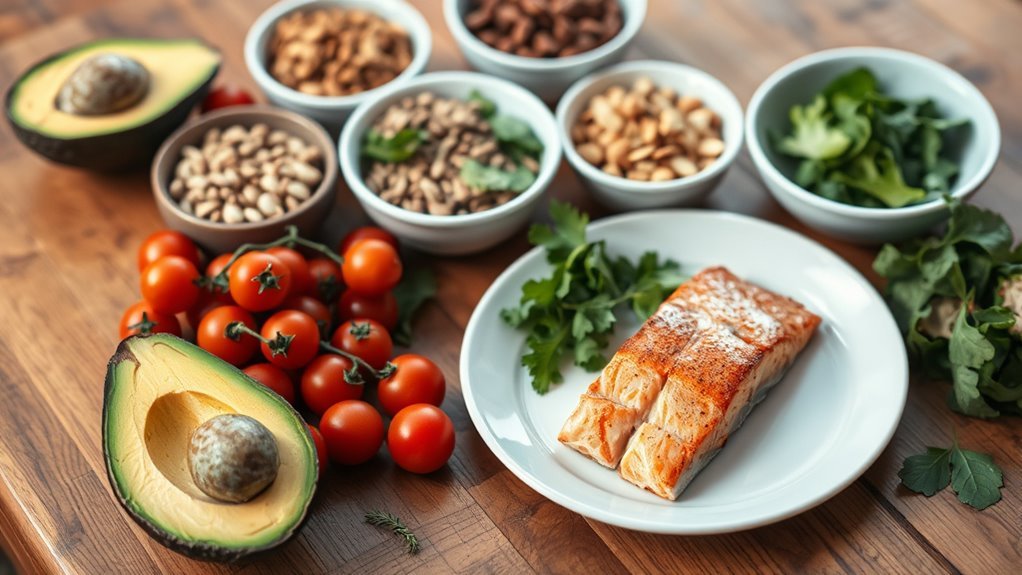

To start the keto diet, focus on greatly reducing your carbohydrate intake while increasing healthy fats. Incorporate nutrient-dense foods like avocados, meats, low-carb veggies, and full-fat dairy. Aim for a balance of fats, proteins, and very few carbs to enter ketosis, where your body burns fat for energy. Don’t forget to track your macronutrients and stay hydrated to support your goals. By making informed choices, you can enhance your experience and discover more tips along the way.
Understanding the Ketogenic Diet
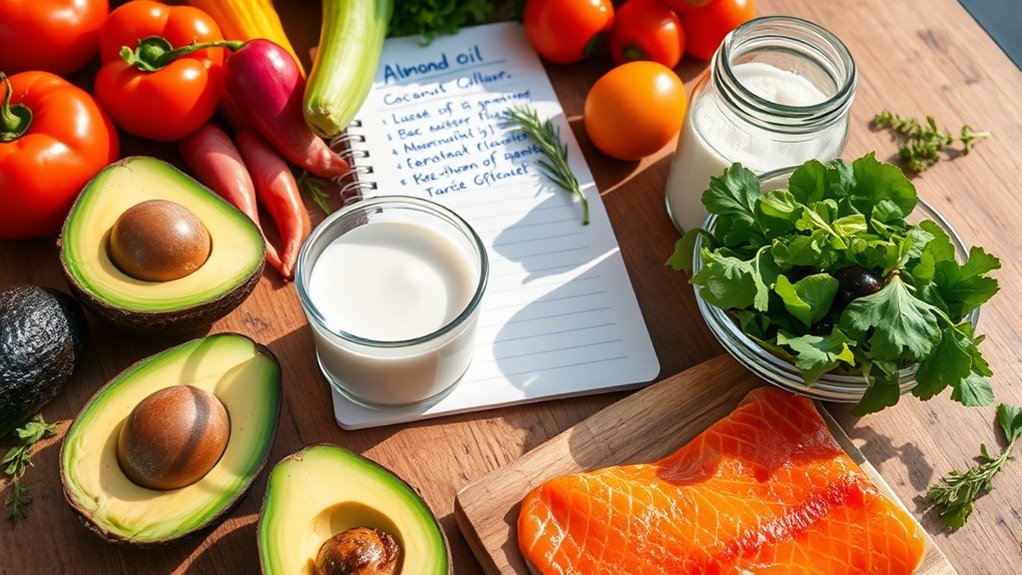
The ketogenic diet, often referred to as keto, is a low-carb, high-fat eating plan designed to shift your body’s metabolism from burning glucose for energy to utilizing fats instead. Many people have misconceptions about keto, believing it’s just a fad or that it promotes unhealthy eating. In reality, it’s about choosing nutrient-dense fats while minimizing carbs. Common keto myths suggest that you’ll miss out on essential nutrients, but with careful planning, you can achieve a balanced intake. It’s vital to educate yourself and seek out credible sources to navigate these misunderstandings. Embracing keto can offer you the freedom to enjoy a diverse range of foods while changing your body’s energy dynamics, leading to a unique and fulfilling dietary experience.
Benefits of the Keto Diet
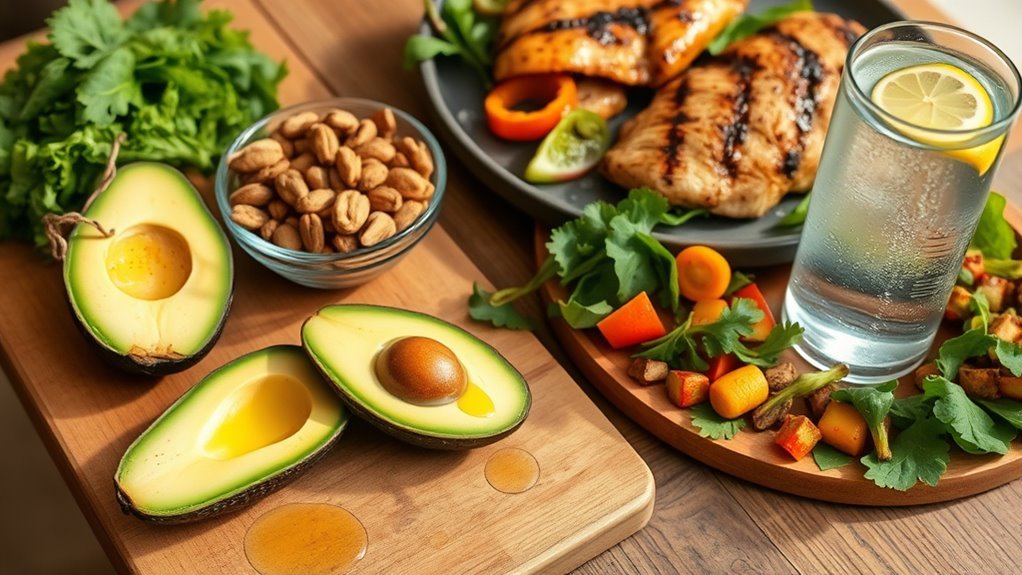
One of the most compelling reasons to contemplate the ketogenic diet is its potential for significant weight loss. When you embrace keto, you’ll likely experience not just shedding pounds but also a range of other benefits that can enhance your daily life. Here are a few:
- Keto Weight Loss: Many people find they lose weight more effectively on keto due to reduced insulin levels.
- Improved Energy: Once your body adapts to burning fat for fuel, you’ll often notice a sustained increase in energy throughout the day.
- Mental Clarity: Many report sharper focus and improved cognitive function.
- Reduced Cravings: A higher fat intake can help stabilize your hunger hormones, making it easier to resist unhealthy snacks.
Incorporating these benefits can lead to a more liberated lifestyle.
How the Keto Diet Works
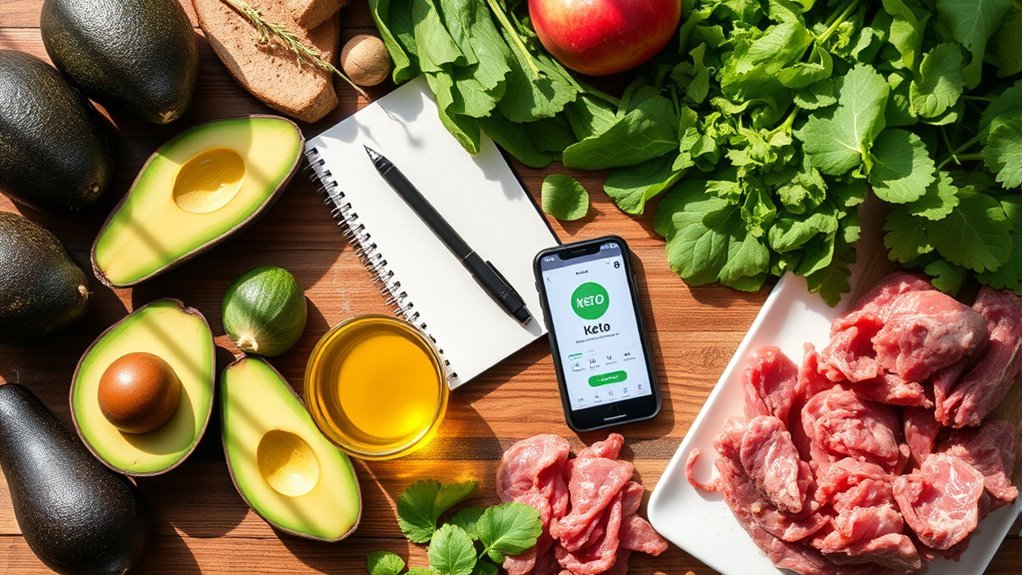
To understand how the keto diet works, you need to grasp the concept of ketosis and the specific macronutrient ratios involved. When you considerably reduce carbohydrate intake, your body shifts from using glucose for energy to burning fat, leading to ketosis. This metabolic state requires a careful balance of fats, proteins, and minimal carbohydrates to maintain, which is essential for achieving the diet’s intended effects.
Ketosis Explained
While many diets focus on calorie restriction or balanced macronutrient ratios, the keto diet operates on a unique principle: inducing a state of ketosis. In this metabolic state, your body shifts from using glucose as its primary energy source to burning fat, leading to weight loss and other ketosis benefits. By making dietary adjustments, you can encourage fat adaptation, which enhances energy production through ketone bodies.
Here’s how ketosis works:
- Lower glucose levels: Reducing carbs minimizes insulin response.
- Increased fat burning: Your body taps into stored fat for energy.
- Sustained energy: Ketone bodies provide a stable energy source.
- Enhanced mental clarity: Many experience increased focus during ketosis.
Understanding keto science empowers you to embrace this transformative journey.
Macronutrient Ratios
Achieving the right macronutrient ratios is vital for successfully following the keto diet. You’ll want a macro balance of about 70-75% fat, 20-25% protein, and only 5-10% carbohydrates. This means making careful ratio adjustments and engaging in calorie tracking to guarantee you’re staying on target. Focus on high-quality protein sources like grass-fed beef or wild-caught fish, and choose healthy fat types such as avocados, nuts, and olive oil. Carb counting is essential, so keep your meals low in sugars and starches. Pay attention to meal timing and nutrient density to maintain energy levels throughout the day. Don’t hesitate to explore food swaps to keep your meals exciting while sticking to your keto goals.
Foods to Include in Your Keto Meal Plan
When commencing the keto diet, understanding which foods to include in your meal plan is essential for success. Focusing on the right ingredients helps you stay on track while enjoying your meals. Here’s a list of foods you should consider:
Starting the keto diet requires careful selection of foods to ensure success and enjoyment in your meals.
- Healthy Fats: Avocados, olive oil, and coconut oil are excellent choices for cooking and dressings.
- Protein Sources: Incorporate meats, fish, and eggs to meet your protein needs without excessive carbs.
- Low Carb Vegetables: Leafy greens, broccoli, and cauliflower add nutrients without spiking your carb intake.
- Dairy Options: Full-fat cheese, heavy cream, and Greek yogurt can offer delicious flavors and healthy fats.
With these foods, you can create satisfying meals, keto friendly snacks, and even keto desserts!
Foods to Avoid on the Keto Diet
To successfully adhere to the keto diet, it’s crucial to know which foods to avoid, as they’ll hinder your progress and kick you out of ketosis. First and foremost, steer clear of high-carb foods like bread, pasta, and starchy vegetables. These can quickly sabotage your efforts. Also, be cautious with keto snacks; some may contain hidden sugars that can unexpectedly raise your carb intake. Check labels carefully for ingredients like dextrose or maltodextrin, which are often disguised as healthy options. Additionally, avoid sugary beverages, including fruit juices and soda, as they can spike your blood sugar. By eliminating these foods, you’ll empower yourself to maintain ketosis and enjoy the freedom that comes with a successful keto lifestyle.
Meal Planning and Preparation Tips
To succeed on the keto diet, having the right ingredients on hand is essential. Stock your kitchen with essentials like healthy fats, low-carb vegetables, and quality proteins to make meal prep easier. A weekly meal prep guide can help streamline your cooking process, ensuring you stay on track without feeling overwhelmed.
Essential Ingredients to Stock
Stocking your kitchen with the right ingredients is essential for successfully managing the keto diet. Having the right keto pantry essentials guarantees you can whip up delicious, low carb meals without feeling deprived. Here are four must-have items to keep on hand:
- Healthy Oils: Olive oil and coconut oil are great for cooking and salad dressings.
- Nut Butters: Almond or peanut butter can satisfy cravings and provide healthy fats.
- Low Carb Vegetables: Spinach, zucchini, and cauliflower are versatile staples for various dishes.
- Protein Sources: Eggs, chicken, and fatty fish like salmon offer essential nutrients while keeping carbs low.
With these low carb staples, you’ll feel empowered to create satisfying meals on your keto journey!
Weekly Meal Prep Guide
When you plan your meals ahead of time, it becomes much easier to stick to the keto diet and resist the temptation of high-carb foods. Start by dedicating a day for grocery shopping; make a list of keto-friendly ingredients and stick to it. Bulk cooking can save you time during the week. Prepare proteins like chicken or beef, and roast low-carb veggies to create versatile meals. Invest in meal containers to portion your meals for grab-and-go convenience. Label each container with the meal type and date to guarantee freshness. Don’t forget to include snacks—nut butter or cheese can keep you satisfied. By prepping your meals, you’ll enjoy the freedom of choice while staying committed to your keto journey.
Common Mistakes to Avoid
Although the keto diet can be an effective way to lose weight and improve health, many newcomers often fall into common pitfalls that can hinder their success. Here are four beginner mistakes to watch out for:
Many newcomers to the keto diet face pitfalls that can hinder their weight loss and health goals.
- Ignoring Portion Control: Even low-carb foods can lead to weight gain if you overeat. Balance is key.
- Believing Diet Myths: Don’t fall for the misconception that all fats are bad. Healthy fats are essential on keto.
- Giving in to Sugar Cravings: Find alternative snacks that satisfy without derailing your progress.
- Confusing Carbs: Not all carbs are created equal. Focus on net carbs and read food labeling carefully to avoid hidden sugars.
Avoiding these mistakes can help you navigate your keto journey more smoothly.
Staying Motivated on Your Keto Journey
Staying motivated on your keto journey can be challenging, especially after maneuvering common pitfalls that many beginners face. To maintain your drive, focus on goal setting and utilize accountability partners. Mental strategies like positive affirmations and motivational quotes can uplift your mindset. Implementing a reward system for achieving milestones keeps things exciting, while progress tracking allows you to see how far you’ve come. Engaging with community support also fosters a sense of belonging and encouragement.
Here’s a quick reference table to help you stay on track:
| Strategy | Description | Benefit |
|---|---|---|
| Goal Setting | Define clear, achievable objectives | Provides direction |
| Accountability Partners | Share your journey with others | Increases commitment |
| Reward Systems | Treat yourself for achievements | Boosts morale |
| Progress Tracking | Monitor your journey’s milestones | Encourages persistence |
Frequently Asked Questions about Starting the Keto Diet
1. What is the Keto Diet?
The Keto Diet, or ketogenic diet, is a low-carbohydrate, high-fat diet that aims to shift the body’s metabolism from burning glucose for energy to burning fat. This metabolic state is known as ketosis. In a typical keto diet, the macronutrient breakdown is about 70-75% fats, 20-25% protein, and only 5-10% carbohydrates.
2. How do I start the Keto Diet?
To start the Keto Diet, begin by planning your meals around high-fat, low-carb foods. Focus on foods like avocados, nuts, seeds, fatty fish, and oils. Gradually reduce your carbohydrate intake to around 20-50 grams per day. It’s also essential to stay hydrated and consider supplementing with electrolytes, as transitioning to ketosis can lead to a temporary loss of water and minerals from the body.
3. What foods should I avoid on the Keto Diet?
On the Keto Diet, you should avoid high-carbohydrate foods. This includes grains (like bread, rice, and pasta), most fruits (except for small portions of berries), sugary foods (like candy, soda, and desserts), starchy vegetables (like potatoes and corn), and certain low-fat products that often contain hidden sugars. Always read labels carefully to avoid unexpected carbs.
4. What are the potential side effects when starting the Keto Diet?
When starting the Keto Diet, some individuals may experience what’s commonly referred to as the “Keto flu.” Symptoms can include fatigue, headache, dizziness, nausea, irritability, and muscle cramps. These symptoms usually arise as the body adjusts to burning fat for fuel instead of carbohydrates. Staying hydrated, consuming electrolytes, and gradually reducing carbs can help ease this transition.
5. Can I exercise while on the Keto Diet?
Yes, you can exercise while on the Keto Diet. However, it’s important to listen to your body, especially during the initial transition phase. Many people find that low-intensity activities like walking or yoga are easier to maintain at first. As your body adapts to ketosis, you may find that your energy levels improve, allowing you to engage in higher intensity workouts. Ensure you’re consuming enough nutrients to support your exercise routine.
References
- https://www.nhlbi.nih.gov/health-topics/healthy-eating
- https://www.diabetes.org/nutrition/healthy-foods/healthy-eating
- https://www.mayoclinic.org/healthy-lifestyle/nutrition-and-healthy-eating/in-depth/keto-diet/art-20460451
- https://www.webmd.com/diet/obesity/ss/slideshow-ketogenic-diet
- https://www.healthline.com/nutrition/ketogenic-diet-101
- https://www.who.int/news-room/fact-sheets/detail/healthy-diet
- https://ods.od.nih.gov/factsheets/FolicAcid-HealthProfessional/