
To lower cholesterol on a keto diet, focus on balancing healthy fats, like olive and avocado oil, while incorporating fiber-rich veggies such as spinach and broccoli. Regular exercise is essential; aim for 150 minutes of aerobic activity weekly and include strength training. Monitor your cholesterol levels to see how your body responds and adjust your diet as needed. By following these practices, you can effectively manage your cholesterol and promote heart health—discover more tips to enhance your journey.
Understanding Cholesterol: The Good and the Bad
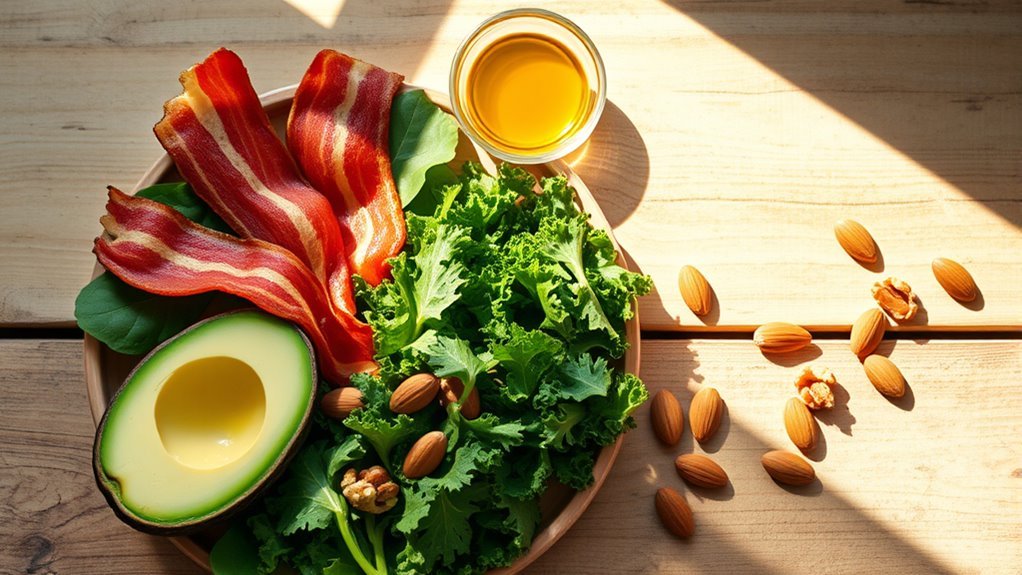
When you think about cholesterol, it’s easy to assume all of it is bad for your health; however, understanding the difference between good and bad cholesterol is essential for making informed dietary choices. Cholesterol types are categorized mainly into low-density lipoprotein (LDL) and high-density lipoprotein (HDL). LDL is often referred to as “bad” cholesterol because it can lead to blockages in arteries, negatively impacting heart health. On the other hand, HDL acts as “good” cholesterol, helping to remove LDL from the bloodstream, which can protect against heart disease. By focusing on increasing HDL through healthy fats and regular exercise, you can promote better heart health while enjoying the freedom of a balanced diet.
Selecting Healthy Fats for Your Keto Diet
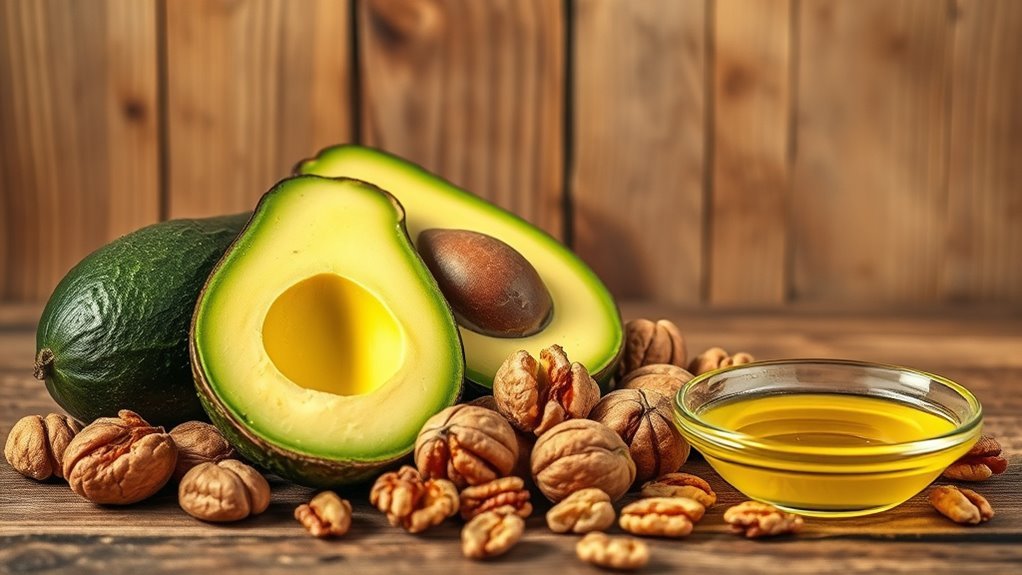
While you begin your keto journey, selecting healthy fats is essential for maintaining balanced cholesterol levels and overall health. Not all fats are created equal, so focusing on quality can make a difference. Here are three healthy fat sources to take into account:
Choosing high-quality fats is crucial for a successful keto journey and balanced cholesterol levels.
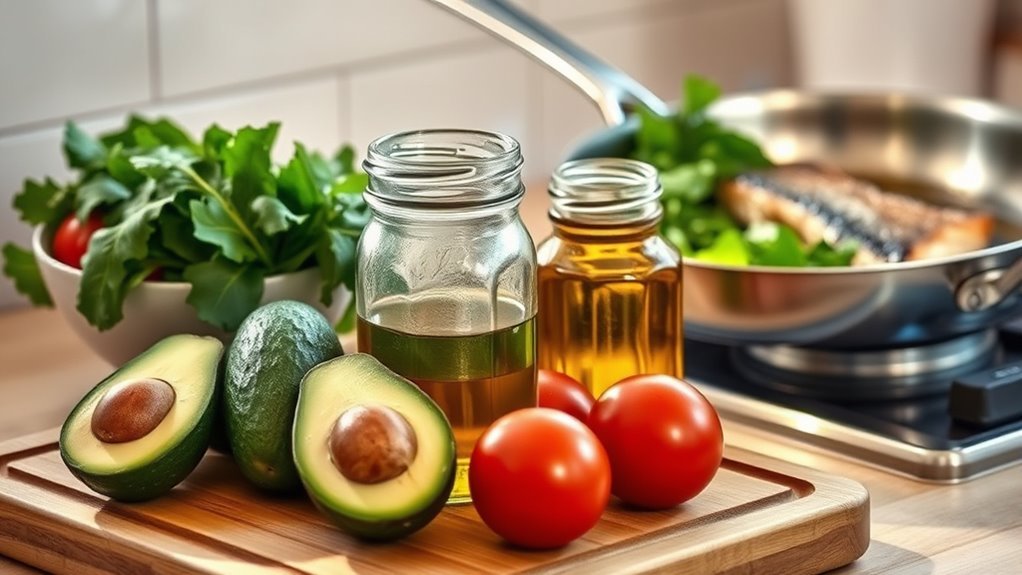
- Olive Oil: Rich in monounsaturated fats, olive oil can support heart health and lower bad cholesterol levels.
- Avocado Oil: Another great option, avocado oil is high in healthy fats and antioxidants, promoting overall wellness.
- Coconut Oil: Though it’s saturated, coconut oil can boost HDL cholesterol and provide quick energy.
Incorporating these healthy oils into your diet can help you enjoy the freedom of keto while keeping your cholesterol in check. Choose wisely, and your body will thank you!
Incorporating Fiber-Rich Foods to Lower Cholesterol
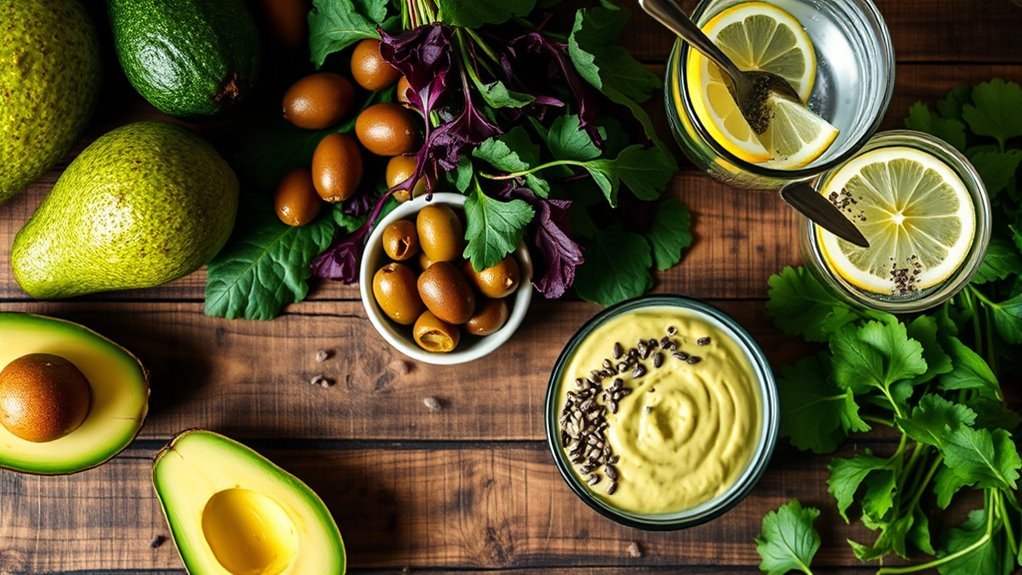
Selecting healthy fats is just one piece of the puzzle when it comes to managing cholesterol on a keto diet. Incorporating fiber-rich foods is essential, as they can help lower cholesterol levels. Focus on low carb vegetables like spinach, kale, and broccoli, which are not only nutrient-dense but also high in fiber. These veggies can improve gut health and promote heart health. If you find it challenging to meet your fiber needs through food alone, consider fiber supplements to fill the gaps. They can provide a convenient way to boost your intake, supporting your cholesterol management efforts. Balancing your fats with adequate fiber can enhance your overall well-being while enjoying the freedom of a keto lifestyle.
The Importance of Regular Exercise
Although diet plays a crucial role in managing cholesterol levels, regular exercise is equally important for achieving ideal heart health. Incorporating physical activity into your routine can help lower LDL cholesterol and raise HDL cholesterol. Here are three types of exercises you should consider:
- Aerobic Activities: Engage in activities like walking, cycling, or swimming for at least 150 minutes each week. These exercises boost heart health and improve circulation.
- Strength Training: Aim for at least two days a week of strength training. Building muscle helps your body burn fat more efficiently, which can positively impact cholesterol levels.
- Flexibility and Balance: Don’t forget to include stretching and balance exercises, as they enhance overall fitness and reduce injury risk.
Together, these activities provide a thorough approach to lowering cholesterol and promoting heart health.
Monitoring Your Progress and Adjusting Your Diet
To effectively manage your cholesterol levels on a keto diet, it is essential to monitor your progress regularly and make adjustments as needed. Tracking cholesterol levels through blood tests can help you understand how your body responds to the diet. If your numbers aren’t improving, consider making diet adjustments to better meet your health goals.
| Cholesterol Type | Recommended Range | Current Level |
|---|---|---|
| Total Cholesterol | < 200 mg/dL | |
| LDL | < 100 mg/dL | |
| HDL | > 60 mg/dL | |
| Triglycerides | < 150 mg/dL |
Stay flexible, and don’t hesitate to tweak your food choices, as this can lead to better outcomes and keep you feeling free on your keto journey.
Frequently Asked Questions
1. How can I lower my cholesterol while on a keto diet?
To lower cholesterol on a keto diet, focus on consuming healthy fats such as avocados, olive oil, and nuts, while limiting saturated fats from sources like fatty cuts of meat and full-fat dairy. Incorporate plenty of fiber-rich vegetables, especially leafy greens, and consider adding omega-3 fatty acids through fatty fish or flaxseeds. Regular physical activity and staying hydrated can also help improve your cholesterol levels.
2. Are all fats bad for cholesterol levels?
Not all fats are created equal. While trans fats and excessive saturated fats can raise LDL (bad cholesterol) levels, healthy fats such as monounsaturated and polyunsaturated fats can have a positive effect on your cholesterol profile. It’s crucial to choose sources of healthy fats, like avocados, nuts, seeds, and olive oil, while avoiding processed and fried foods that contain unhealthy fats.
3. Should I avoid all carbohydrates on a keto diet?
While the keto diet is low in carbohydrates, it’s not necessary to eliminate all carbs entirely. Focus on consuming low-carb vegetables, such as leafy greens, broccoli, and zucchini, which are high in fiber and nutrients while being low in sugar. Whole, unprocessed foods should be prioritized, as they can help improve cholesterol levels and overall health.
4. How does exercise impact cholesterol levels on a keto diet?
Regular exercise plays a crucial role in managing cholesterol levels. Engaging in aerobic activities, strength training, and even walking can help raise HDL (good cholesterol) and lower LDL (bad cholesterol). When combined with a keto diet, exercise can enhance the overall effectiveness of your dietary changes and contribute to better heart health.
5. Should I consult a doctor before starting a keto diet to lower cholesterol?
Yes, consulting a healthcare professional before starting a keto diet is highly recommended, especially if you have existing health conditions or concerns about cholesterol. A doctor or a registered dietitian can provide personalized advice, monitor your cholesterol levels, and help you develop a diet plan that suits your health needs while ensuring you achieve your goals safely.
References
- https://www.ncbi.nlm.nih.gov/pmc/articles/PMC6491990/
- https://www.heart.org/en/healthy-living/healthy-eating/eat-smart/nutrition-basics/cholesterol
- https://www.health.harvard.edu/staying-healthy/how-to-lower-your-cholesterol
- https://www.cdc.gov/cholesterol/how_to_lower_cholesterol.htm
- https://www.mayoclinic.org/diseases-conditions/high-blood-cholesterol/symptoms-causes/syc-20353095
- https://www.webmd.com/cholesterol-management/guide/how-to-lower-cholesterol
- https://www.nhlbi.nih.gov/health-topics/cholesterol