To lose weight on keto, you need to drastically cut carbs and boost your fat intake, helping your body enter ketosis, a state where it burns fat for energy. Focus on high-fat, moderate-protein foods like avocados, eggs, and fish while including low-carb veggies. Stay mindful of portion sizes and track your macro intake to avoid hidden carbs. Staying hydrated and celebrating small victories are essential for motivation. Keep going to uncover more tips on maintaining your keto journey.
Understanding the Ketogenic Diet
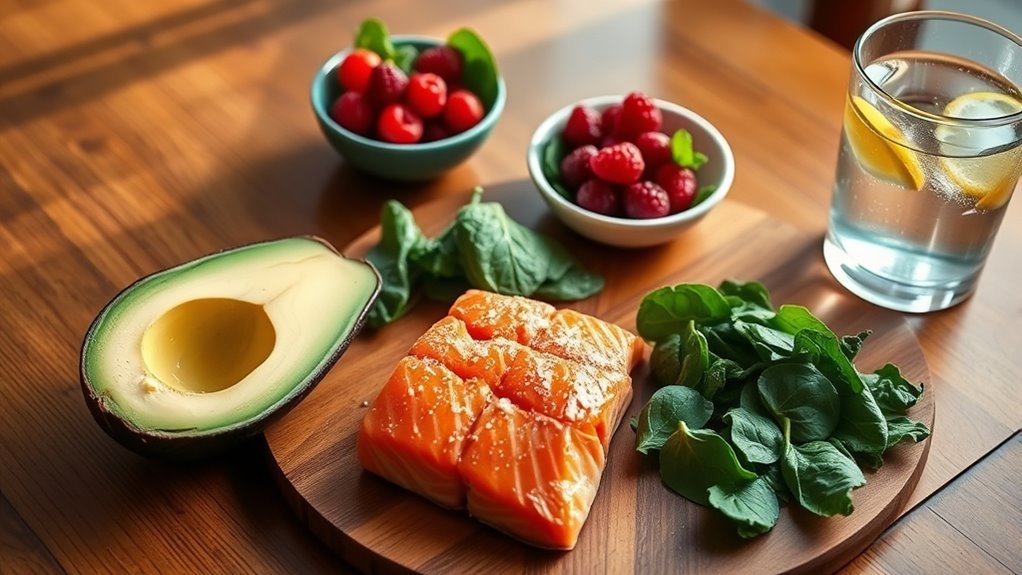
When you’re exploring weight loss options, understanding the ketogenic diet is essential to determining if it’s right for you. The ketogenic principles focus on drastically reducing carbohydrate intake and replacing it with fats, which shifts your body into a state of ketosis. In this state, your body becomes more efficient at burning fat for energy instead of carbohydrates. Typically, macronutrient ratios for a ketogenic diet consist of about 70-75% fats, 20-25% protein, and only 5-10% carbohydrates. This balance is vital for achieving and maintaining ketosis. It’s important to note that individual responses to the diet can vary, and consulting with a healthcare professional can help tailor the approach to your unique needs and lifestyle, ensuring you make informed choices.
Benefits of the Keto Diet for Weight Loss

The keto diet can greatly boost your fat-burning capabilities by shifting your body into a state of ketosis, where it primarily uses fat for energy. Many people also experience reduced appetite cravings, making it easier to stick to their dietary goals. Understanding these benefits can help you make informed choices as you begin your weight loss journey.
Enhanced Fat Burning
While many diets promise quick results, the keto diet stands out due to its unique approach to fat burning. By considerably reducing carbohydrate intake, your body shifts into a state of fat adaptation, where it becomes more efficient at burning fat for energy. This change enhances metabolic flexibility, allowing your body to utilize both fat and carbohydrates effectively. As you enter ketosis, fat stores become your primary energy source, promoting enhanced fat burning. This process not only helps with weight loss but also improves overall energy levels. Embracing the keto lifestyle means experiencing a shift in how your body operates, giving you a sense of freedom in your dietary choices while maximizing your fat-burning potential.
Reduced Appetite Cravings
As your body becomes more adept at burning fat, you’ll likely notice a significant reduction in appetite cravings—a common challenge for those trying to lose weight. The ketogenic diet triggers hormonal changes that enhance appetite suppression, helping you manage hunger signals more effectively. With improved neurotransmitter balance, you’ll find that emotional eating and food cravings diminish over time. This shift can lead to a healthier relationship with food, supported by increased levels of satiety hormones.
| Hormonal Changes | Effect on Cravings | Psychological Factors |
|---|---|---|
| Ketones increase | Reduces hunger | Less emotional eating |
| Insulin sensitivity | Stabilizes blood sugar | Improved mood |
| Glucagon levels | Promotes fat use | Better food choices |
| Leptin balance | Enhances fullness | Reduced cravings |
Foods to Include in Your Keto Meal Plan
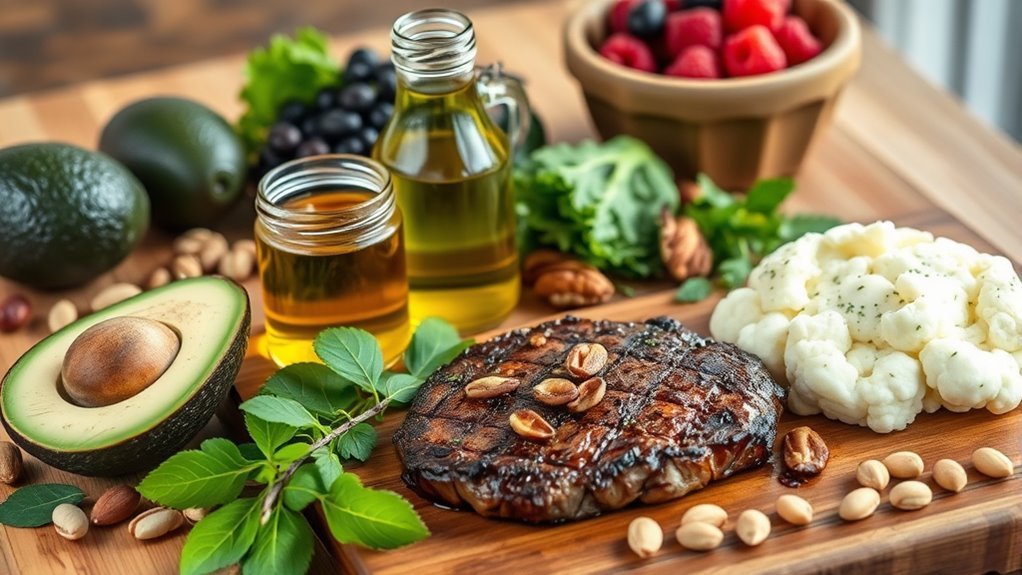
Incorporating the right foods into your keto meal plan is essential for achieving and maintaining ketosis, where your body burns fat for fuel instead of carbohydrates. Focus on protein sources like eggs, fish, and lean meats, which provide energy and support muscle maintenance. Don’t forget healthy fats from avocados, nuts, and olive oil, as they’re vital for satiety. Include low carb vegetables, such as spinach and broccoli, to add nutrients without spiking your carb intake. For snacks, opt for keto-friendly choices like cheese and jerky. Experiment with meal combinations and cooking methods, like grilling or roasting, to keep things interesting. Finally, practice portion control and consider food substitutions to stay within your macros while enjoying a variety of flavors.
Common Mistakes to Avoid on Keto
Many people jump into the keto diet with enthusiasm but often overlook common pitfalls that can hinder their progress. One major mistake is believing keto means unlimited fat consumption; moderation is key. Another common pitfall is neglecting to track your macros, which can lead to hidden carbs sneaking into your meals. You might also fall for keto misconceptions, like assuming all low-carb foods are keto-friendly. Additionally, not drinking enough water can result in dehydration and hinder weight loss. Finally, remember that the scale isn’t the only measure of success—track how you feel and your energy levels. By avoiding these mistakes, you’ll create a sustainable keto journey that empowers you toward greater health and freedom.
Tips for Staying Motivated and Committed
Staying motivated on your keto journey is essential for success, and setting realistic goals is a great starting point. By tracking your progress, you can celebrate small wins and stay focused on your objectives. Additionally, joining a support group can provide encouragement and accountability, helping you remain committed to your weight loss goals.
Set Realistic Goals
Setting realistic goals is essential for anyone starting on a keto journey, as it lays the foundation for sustainable weight loss. By setting milestones, you can maintain motivation and a sense of accomplishment. Instead of aiming for drastic changes, focus on smaller, achievable targets.
Here’s a simple table to help you visualize:
| Milestone | Example Goal |
|---|---|
| Short-term | Lose 1-2 pounds per week |
| Mid-term | Maintain weight for a month |
| Long-term | Reach and sustain goal weight for 6 months |
Measuring progress regularly helps you stay accountable and adjust as needed. Remember, freedom in your journey comes with patience and persistence. Setting realistic goals keeps you motivated and committed to your keto lifestyle.
Track Your Progress
Tracking your progress is essential in maintaining motivation and commitment on your keto journey. By engaging in progress monitoring, you can visualize your achievements and identify areas for improvement. Consider weight loss journaling; jotting down your meals, feelings, and any challenges can provide valuable insights. This practice not only helps you stay accountable but also highlights patterns that may affect your weight loss. Celebrate small victories along the way—these milestones can boost your morale and reinforce your commitment. Remember, it’s about progress, not perfection. Regularly reviewing your journal will remind you of how far you’ve come and inspire you to keep moving forward. Embrace this journey toward freedom and health with each entry you make.
Join a Support Group
One of the most effective ways to stay motivated and committed on your keto journey is to join a support group. Being part of a community not only provides you with valuable information but also connects you with others who share your goals. Here are some benefits of joining a support network:
- Accountability Partners: Having someone to share your progress with can keep you on track and motivated.
- Shared Resources: Members often share tips, recipes, and experiences that can enhance your keto lifestyle.
- Emotional Support: You’ll gain encouragement during challenging times, helping you to overcome obstacles.
Embracing a support group can empower you, providing the freedom to pursue your weight loss goals with confidence and camaraderie.
Meal Prep and Planning for Keto Success
Although starting on a keto journey can be exciting, effective meal prep and planning are vital for maintaining your progress. Begin with weekly planning to guarantee you have the right ingredients on hand. When grocery shopping, focus on low-carb options and consider ingredient substitutions to fit your taste. Utilize portion control in your meals to avoid overeating. Explore delicious recipe ideas and cooking techniques that enhance flavor without adding carbs. Don’t forget to plan for snack options that align with your keto lifestyle. Meal timing is also important; having meals ready can help you stay on track. With a solid plan, you’ll experience the freedom to enjoy your meals while working towards your weight loss goals.
Tracking Your Progress and Making Adjustments
As you commence your keto journey, keeping an eye on your progress is essential for long-term success. Effective progress monitoring helps you stay accountable and motivated. Here are three key strategies to evaluate:
- Utilize Tracking Tools: Use apps or journals to log your food intake, weight, and other metrics. This provides valuable diet feedback.
- Set Weight Loss Milestones: Break your goals into smaller, achievable milestones. This makes it easier to reassess your goals and adjust strategies as needed.
- Employ Measurement Techniques: Regularly measure your body composition and take progress photos for visualization.
Frequently Asked Questions about Losing Weight on Keto
1. What is the ketogenic diet and how does it help with weight loss?
The ketogenic diet is a high-fat, low-carbohydrate eating plan that aims to switch your body’s primary fuel source from carbohydrates to fats. By drastically reducing carbohydrate intake and replacing it with fat, the body enters a metabolic state known as ketosis. In ketosis, the body becomes highly efficient at burning fat for energy, which can lead to significant weight loss. Additionally, the diet may help reduce appetite and cravings, making it easier to consume fewer calories overall.
2. What foods should I eat on a ketogenic diet to lose weight?
On a ketogenic diet, you should focus on consuming foods that are high in healthy fats and low in carbohydrates. Recommended foods include avocados, nuts and seeds, olive oil, fatty fish (like salmon), dairy products (cheese, butter), and low-carb vegetables (such as leafy greens, broccoli, and cauliflower). It’s essential to avoid high-carb foods like bread, pasta, sugary snacks, and starchy vegetables. Meal planning can help you stay on track and ensure that you’re getting the right balance of nutrients.
3. How long does it take to lose weight on a keto diet?
The time it takes to lose weight on a keto diet varies widely among individuals, depending on factors such as starting weight, adherence to the diet, and metabolic rate. Some people may notice weight loss within the first week due to the loss of water weight, while others may take several weeks to see significant fat loss. Generally, healthy and sustainable weight loss is about 1-2 pounds per week. Consistency with your eating habits and lifestyle changes will play a crucial role in achieving your weight loss goals.
4. Are there any side effects when starting a ketogenic diet?
When starting a ketogenic diet, some individuals may experience what is commonly referred to as “keto flu.” This can include symptoms such as fatigue, headache, dizziness, nausea, and irritability as the body adjusts to burning fat for fuel instead of carbohydrates. These symptoms typically subside within a few days to a week. Staying hydrated, ensuring adequate electrolyte intake, and gradually reducing carbs can help mitigate these side effects. If symptoms persist or are severe, consulting a healthcare professional is recommended.
5. Can I exercise while on a ketogenic diet?
Yes, you can and should exercise while on a ketogenic diet. Many people find that after the initial adaptation phase, they are able to maintain or even improve their exercise performance. However, some may experience a temporary decrease in high-intensity performance until their body fully adapts to using fat as the primary fuel source. It’s important to listen to your body, stay hydrated, and consider adjusting your workout intensity and duration during the adjustment period. Incorporating strength training and moderate aerobic activities can complement your weight loss efforts on keto.
References
- https://www.webmd.com/diet/what-is-the-keto-diet
- https://www.healthline.com/nutrition/ketogenic-diet-101
- https://www.ncbi.nlm.nih.gov/pmc/articles/PMC5852757/
- https://www.cdc.gov/healthyweight/losing_weight/diet_methods.html
- https://www.nutritionalresearch.org/keto-diet/
- https://www.mayoclinic.org/healthy-lifestyle/nutrition-and-healthy-eating/expert-answers/keto-diet/faq-20456838
- https://www.hsph.harvard.edu/nutritionsource/healthy-weight/dietary-approaches/
- https://www.choosemyplate.gov/eathealthy/weightloss
- https://www.khanacademy.org/science/ap-biology/human-biology/homeostasis/energy-balance/a/keto-diet-and-weight-loss