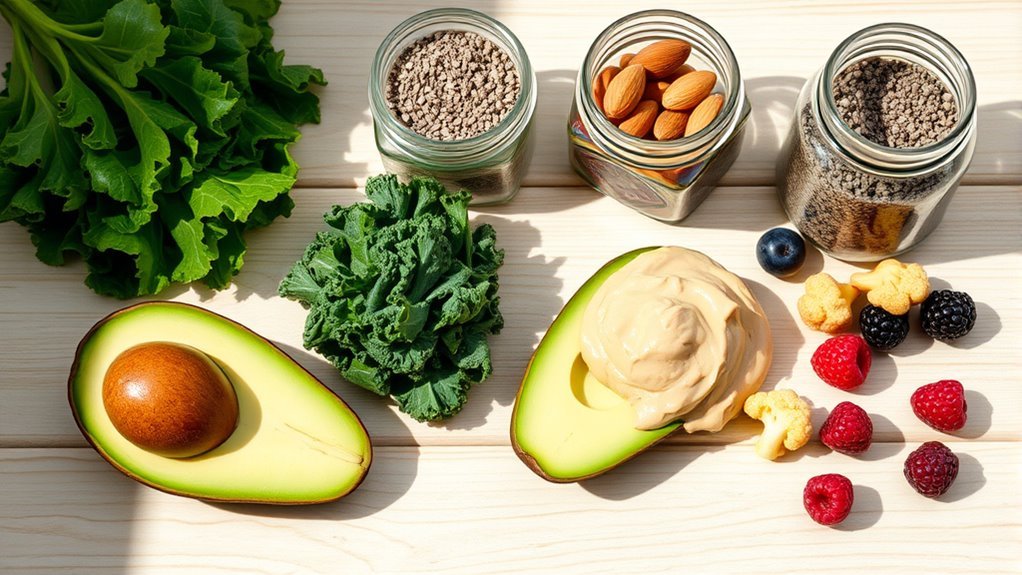

To start your keto journey, shift your focus from carbs to healthy fats. Emphasize low-carb vegetables like spinach and broccoli, and incorporate quality protein sources such as chicken, beef, and fish. Plan your meals to include nutrient-dense foods, and keep track of your macronutrient intake. Staying motivated is key, so consider finding an accountability partner or engaging with a community. If you want to discover essential tips and delicious recipes, there’s more to explore.
Understanding the Keto Diet
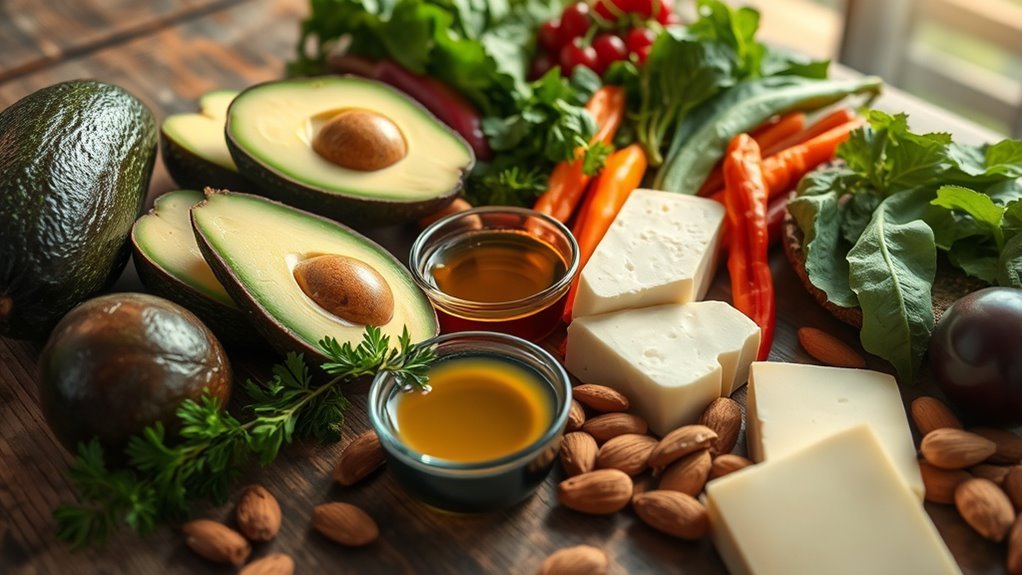
Understanding the Keto Diet can seem overwhelming at first, but it’s rooted in a simple principle: shifting your body’s primary fuel source from carbohydrates to fats. The keto diet has an interesting history, originally developed in the 1920s as a treatment for epilepsy. However, many misconceptions surround it today. Some think it’s just a high-fat diet, but it’s more about achieving a state of ketosis, where your body efficiently burns fat for energy. You might believe you’ll miss out on carbs, but with meal planning, you can enjoy a variety of flavors. Embracing the keto lifestyle doesn’t mean deprivation; it’s about finding freedom in food choices that align with your goals. Educating yourself will help you navigate these misconceptions confidently.
Benefits of a Keto Lifestyle

While many people may initially focus on weight loss when considering the keto lifestyle, its benefits extend far beyond shedding pounds. You might find that adopting a keto diet can lead to improved energy levels, helping you feel more vibrant throughout the day. Mental clarity often increases, allowing you to tackle tasks with greater focus. The diet supports heart health by promoting healthy blood sugar levels and reducing inflammation. You could also experience improved digestion and better sleep patterns, enhancing your overall well-being. Hunger control is another advantage, as the nutrient density of keto foods keeps you satisfied longer. Ultimately, embracing a keto lifestyle can empower you to experience a holistic transformation in your health and freedom.
Getting Started With Keto
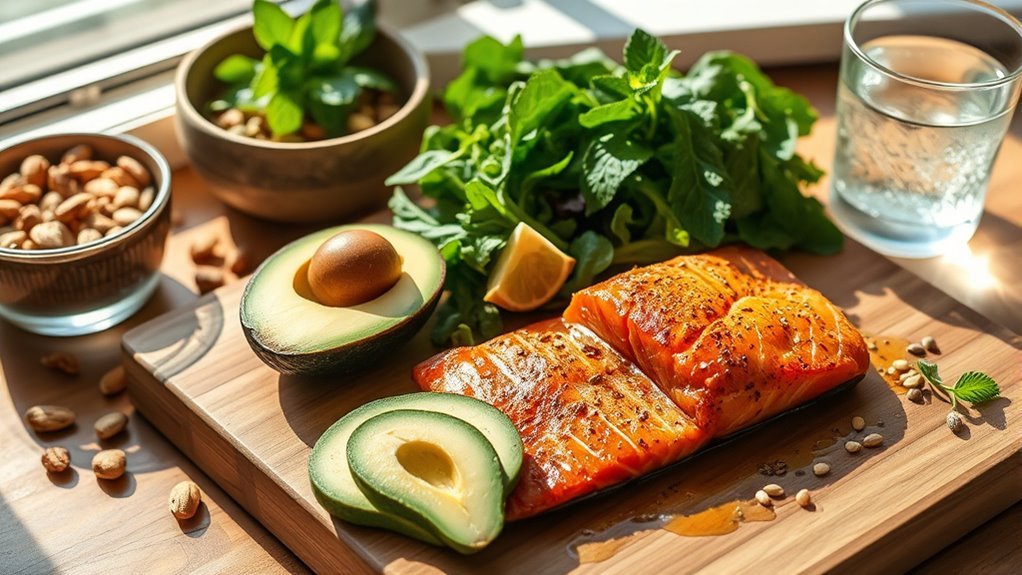
Getting started with keto means knowing which essential foods to include in your diet and being aware of common mistakes that can hinder your progress. Incorporating healthy fats, low-carb vegetables, and adequate protein is vital for success. Understanding these elements helps you build a solid foundation for your keto journey.
Essential Foods to Include
When starting on a keto journey, it’s crucial to stock your kitchen with the right foods that align with this low-carb, high-fat lifestyle. Focus on incorporating low carb vegetables like spinach and broccoli, which provide important nutrients without the carbs. For protein sources, consider options such as chicken, beef, and fish, ensuring you have a variety for meal prep. Don’t forget dairy options like cheese and yogurt for added fats. A good nut selection, including almonds and walnuts, can serve as satisfying keto snacks. Keep keto-friendly condiments, like mustard and olive oil, handy to enhance flavor without adding carbs. Having these pantry essentials will empower you to create delicious, compliant meals that make your keto journey enjoyable.
Common Mistakes to Avoid
What pitfalls should you be aware of as you commence on your keto journey? First, many people fall victim to keto misconceptions, believing they can eat unlimited fats without consideration for quality. Focus on healthy fats like avocados and nuts. Another common pitfall is neglecting to track your carb intake; even healthy foods can add up. Remember that staying hydrated and maintaining electrolyte balance is essential as your body adapts. Don’t skip meals; it’s important to listen to your hunger signals. Finally, be patient with yourself. Shifting to keto can take time, and you might not see immediate results. Embracing these insights can help you navigate your path to freedom and success on the keto diet.
Essential Foods for Your Keto Pantry
To succeed on the keto diet, stocking your pantry with key staples is essential. Focus on healthy fats like olive oil, avocados, and nuts, as they provide the energy needed for ketosis. Additionally, having low-carb vegetables and quality proteins on hand will help you create balanced meals that align with your keto goals.
Key Keto Staples
Building a well-stocked keto pantry is crucial for anyone looking to embrace the ketogenic lifestyle. Key staples simplify meal prep and help you stay on track. Here’s a quick guide to get you started:
| Category | Examples | Tips |
|---|---|---|
| Keto Snacks | Nuts, cheese crisps, jerky | Portion control is essential |
| Keto Beverages | Herbal teas, sparkling water | Opt for unsweetened options |
| Essential Supplements | Electrolytes, magnesium | Include in your shopping list |
With proper pantry organization, you can easily swap foods and enjoy dining out without worry. Master the right cooking techniques, and your keto journey can be both delicious and liberating!
Healthy Fats Selection
A well-rounded keto pantry goes beyond just snacks and beverages; it also includes a variety of healthy fats that are fundamental to the ketogenic diet. Incorporate avocado for its numerous health benefits, including heart-healthy monounsaturated fats. Coconut oil is another excellent choice, providing medium-chain triglycerides (MCTs) that boost energy. Use olive oil for cooking or dressings, and explore nut varieties and seed options like almonds and chia seeds for added crunch and nutrients. Don’t overlook your dairy choices; opt for full-fat options like butter types and a well-curated cheese selection. Include fatty fish like salmon and select quality meat cuts to guarantee you’re meeting your fat intake. Embrace these options for a satisfying, balanced keto lifestyle.
Meal Planning and Preparation Tips
Effective meal planning and preparation are essential for successfully adopting a keto lifestyle. Start by creating a grocery list that emphasizes low-carb ingredients. Incorporate meal prep into your routine to streamline your week, allowing for better portion control and reducing the temptation to stray from keto. Batch cooking is a fantastic way to guarantee you have keto-friendly meals ready to go. Don’t forget to explore snack ideas that fit your dietary goals, like cheese or nuts. Organizing your kitchen can help maintain meal variety and encourage creativity with recipe swaps. Efficient time management in the kitchen can save you hours, while proper food storage keeps your meals fresh and ready to enjoy, supporting your keto journey without feeling restricted.
Delicious Keto Recipes to Try
Exploring delicious keto recipes can make your journey toward a low-carb lifestyle not only effective but enjoyable as well. Think about incorporating gourmet flavors into your meals with savory snacks like cheese crisps or avocado bites. For breakfast ideas, whip up fluffy omelets or chia seed pudding that keeps you energized. Quick meals can be a breeze with options like zucchini noodles topped with marinara or a hearty cauliflower rice stir-fry. Don’t forget about meal replacements; a tasty keto smoothie can be perfect on busy days. For family-friendly recipes, consider keto-friendly pizza or chicken casseroles. Finally, indulge in keto desserts like chocolate mousse or pumpkin pie during the holidays without guilt! Embrace the freedom to savor every bite!
Common Mistakes to Avoid
While shifting to a keto diet can be rewarding, it’s easy to stumble into common pitfalls that may hinder your progress. Awareness of these mistakes can empower you to stay on track.
- Ignoring Meal Timing: Not paying attention to when you eat can affect your fat adaptation and overall results.
- Misunderstanding Carb Counting: Many people underestimate hidden carbs, leading to unintentional weight gain.
- Neglecting Electrolyte Balance: Failing to manage electrolytes can result in fatigue and cravings, especially during the initial phase.
Be mindful of your snack choices, especially in restaurant dining or social situations, and plan your keto budgeting to avoid overspending. By steering clear of these misconceptions, you’ll enhance your keto journey and embrace the freedom it offers.
Staying Motivated on Your Keto Journey
After maneuvering through the common pitfalls of the keto diet, staying motivated becomes an essential aspect of your success. Engaging with keto accountability partners can greatly enhance your commitment. Sharing your journey with someone who understands can provide encouragement and support. Additionally, reading motivational success stories can inspire you when your enthusiasm wanes.
Here’s a simple way to visualize your support system:
| Type of Support | Example | Benefit |
|---|---|---|
| Accountability Partner | Friend or Coach | Regular check-ins |
| Online Community | Social Media Group | Shared experiences |
| Success Stories | Blogs & Testimonials | Inspiration |
Tracking Your Progress and Adjusting Your Plan
How can you effectively track your progress on the keto diet and make necessary adjustments to your plan? Progress tracking is essential for staying on course and feeling empowered in your journey. Here are three actionable steps:
- Monitor Your Macros: Use apps to log your daily carb, fat, and protein intake, ensuring you stay within your targeted ratios.
- Weekly Weigh-Ins: Weigh yourself consistently, noting weekly changes to assess your progress and adjust your caloric intake as needed.
- Reflect on How You Feel: Take note of your energy levels, cravings, and overall well-being to fine-tune your food choices and meal plans.
Frequently Asked Questions about How to Keto
What is the ketogenic diet?
The ketogenic diet, commonly known as keto, is a low-carb, high-fat diet that aims to shift the body’s metabolism away from carbohydrates and towards fat. By drastically reducing carbohydrate intake and replacing it with fat, the body enters a state called ketosis, where it becomes highly efficient at burning fat for energy. This diet typically includes foods like meat, fish, eggs, dairy, nuts, seeds, and low-carb vegetables while avoiding grains, sugars, and most fruits.
What foods can I eat on a keto diet?
On a keto diet, you can enjoy a variety of foods that are high in healthy fats and low in carbohydrates. Recommended food items include:
- Meats: beef, pork, lamb, chicken, and turkey
- Fish and seafood: salmon, mackerel, sardines, and shellfish
- Eggs: whole eggs are preferred
- Dairy: cheese, heavy cream, and butter (preferably full-fat)
- Nuts and seeds: almonds, walnuts, flaxseeds, and chia seeds
- Low-carb vegetables: leafy greens, broccoli, cauliflower, zucchini, and bell peppers
It’s important to avoid sugary foods, grains, high-carb fruits, and starchy vegetables.
How do I start a ketogenic diet?
To start a ketogenic diet, follow these steps:
- Educate Yourself: Understand the principles of the ketogenic diet, including macro ratios (generally 70-75% fat, 20-25% protein, and 5-10% carbohydrates).
- Plan Your Meals: Create a meal plan focusing on keto-friendly foods and recipes to avoid temptation.
- Clear Out Non-Keto Foods: Remove high-carb foods from your pantry and fridge to minimize the chances of straying.
- Stay Hydrated: Drink plenty of water and consider adding electrolytes to help manage the transition into ketosis.
- Monitor Your Macros: Use apps or tools to track your food intake and ensure you are staying within your carbohydrate limits.
It’s advisable to consult with a healthcare provider before making significant dietary changes.
What are the benefits of following a keto diet?
The benefits of following a ketogenic diet can vary from person to person, but some commonly reported advantages include:
- Weight Loss: Many people experience significant weight loss due to the reduced insulin levels and appetite suppression.
- Improved Mental Clarity: Some individuals report better focus and concentration once they adapt to ketosis.
- Increased Energy Levels: Once the body is fat-adapted, it can provide a more stable energy source.
- Better Blood Sugar Control: The diet may help stabilize blood sugar levels, making it beneficial for those with type 2 diabetes.
- Reduced Inflammation: Some studies suggest that a ketogenic diet may help reduce markers of inflammation.
However, it’s essential to consider individual health conditions and consult with a healthcare professional.
Are there any side effects of the ketogenic diet?
Yes, while many people find success with the ketogenic diet, some may experience side effects, especially during the initial transition phase, often referred to as the “keto flu.” Symptoms can include:
- Fatigue and lethargy
- Headaches
- Nausea or digestive discomfort
- Difficulty sleeping
- Irritability or mood swings
These symptoms usually subside within a few days to a week as the body adjusts. Staying hydrated and ensuring adequate electrolyte intake can help alleviate these symptoms. Long-term adherence to the diet should be monitored with healthcare guidance, especially for those with pre-existing health conditions.
References
- https://www.healthline.com/nutrition/what-is-the-keto-diet
- https://www.ncbi.nlm.nih.gov/pmc/articles/PMC6313449/
- https://www.mayoclinic.org/healthy-lifestyle/nutrition-and-healthy-eating/expert-answers/keto-diet/faq-20409579
- https://www.webmd.com/diet/what-is-the-keto-diet
- https://www.cdc.gov/healthyweight/healthy_eating/dietary_guidelines.html
- https://www.nutrition.gov/topics/nutrition-science/nutrition-research/keto-diet