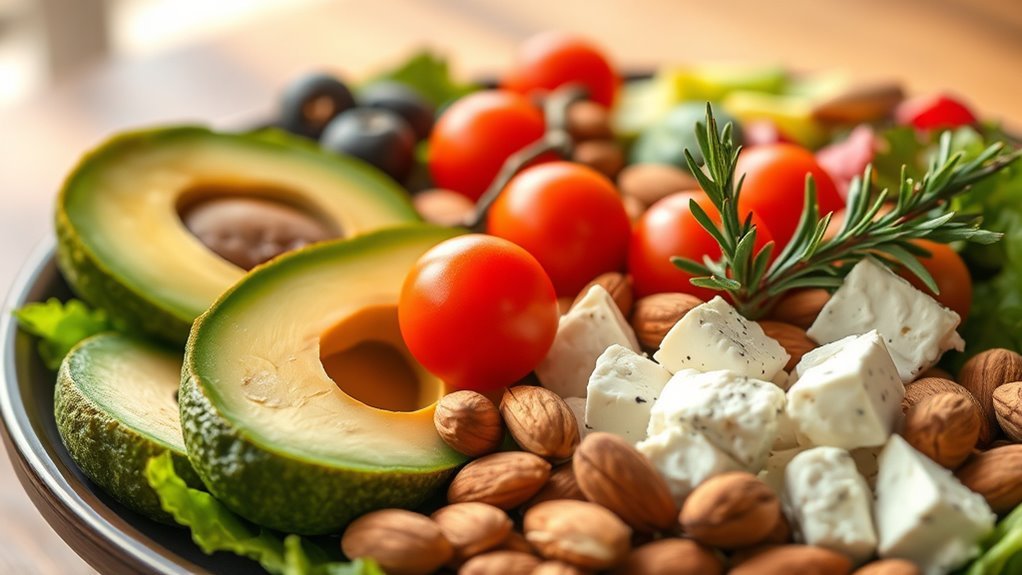

To get your body into ketosis, you need to drastically reduce carb intake and increase healthy fats. Focus on incorporating foods like avocados, olive oil, and nuts while avoiding sugary snacks and grains. This shift helps your body burn fat for fuel, boosting energy and mental clarity. Regularly track your progress to stay motivated and overcome challenges with meal planning and community support. There are many tips available to help you thrive on your keto journey.
Understanding Ketosis and Its Benefits
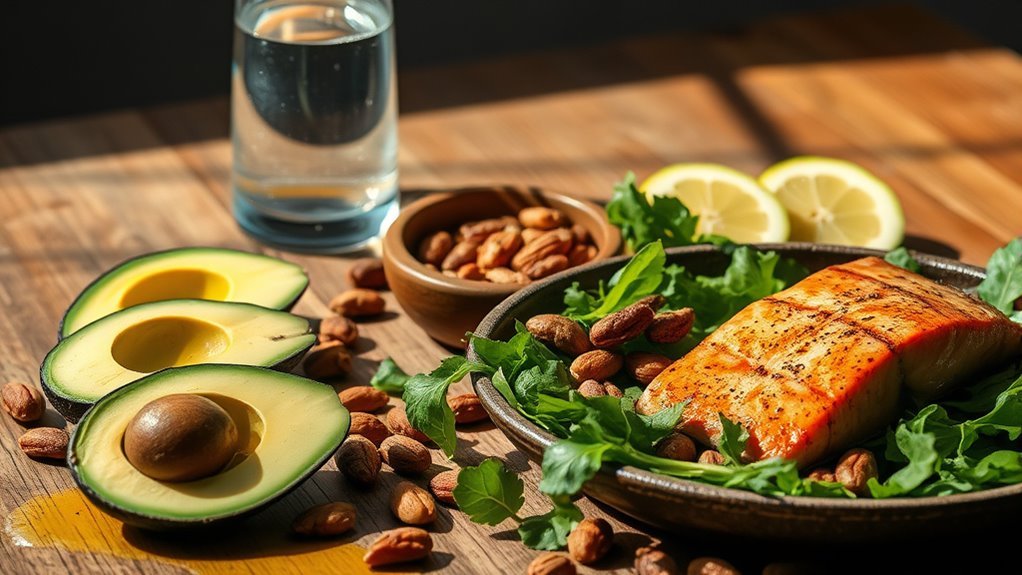
When you shift your diet to a ketogenic approach, your body enters a metabolic state known as ketosis, where it primarily burns fat for fuel instead of carbohydrates. This change not only aids in weight loss but also offers numerous ketosis benefits. For instance, you may experience increased energy levels, improved mental clarity, and reduced hunger cravings. These advantages stem from the efficient fat metabolism that ketosis promotes. Additionally, many people report enhanced endurance during physical activities. By understanding this metabolic state, you empower yourself to harness these benefits, gaining freedom from constant hunger and blood sugar spikes. Embracing ketosis can lead to a healthier lifestyle, aligning your body with its natural fat-burning capabilities.
Foods to Include in Your Keto Diet
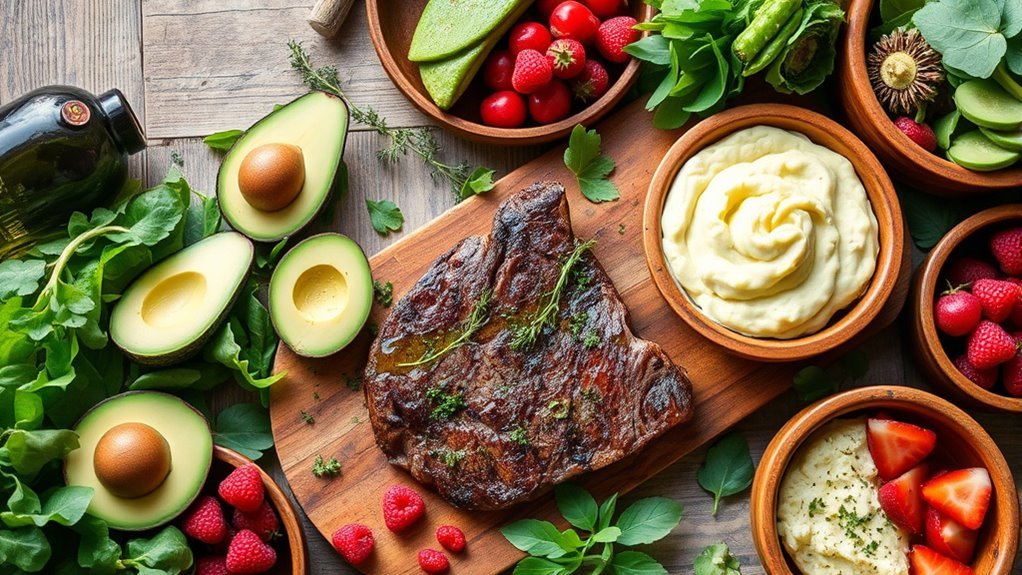
To successfully shift into a ketogenic diet, it’s essential to know which foods will support your body’s shift into ketosis. Focus on incorporating healthy fats like avocados, olive oil, and coconut oil, as they’ll provide the energy your body needs while minimizing carbs. Don’t forget about keto snacks such as nuts, cheese, and beef jerky, which can help curb cravings without derailing your progress. Leafy greens, cruciferous vegetables, and low-carb fruits like berries can also be included to guarantee you get essential nutrients. By prioritizing these foods, you’ll create a sustainable keto lifestyle that not only fuels your body but also offers you the freedom to enjoy delicious meals while reaching your health goals.
Foods to Avoid on a Keto Diet

While adapting to a keto diet, it is crucial to steer clear of certain foods that can hinder your progress toward ketosis. Avoiding high-carb items will help you maintain your desired state more effectively. Here are some key foods to watch out for:
| Foods to Avoid | Reason |
|---|---|
| Sugary Snacks | High in sugar, spike insulin |
| Grains & Legumes | Significant carbohydrate sources |
| Starchy Vegetables | Can disrupt ketosis |
Additionally, be cautious with sugar alternatives like certain sweeteners that contain carbs. By steering clear of these foods, you’ll empower your body to enter and sustain ketosis, giving you the freedom to enjoy your keto journey.
Tracking Your Progress and Staying Motivated
How can you effectively track your progress on a keto diet and stay motivated throughout your journey? Start by establishing clear progress metrics, like weight, body measurements, and ketone levels. Regularly recording these metrics helps you see tangible changes and keeps your goals in focus. Use apps or journals to track your food intake, which can enhance accountability and awareness.
To stay motivated, implement motivation techniques such as setting small, achievable goals and rewarding yourself for reaching them. Surround yourself with a supportive community, whether online or in-person, to share experiences and tips. Remember, your freedom to choose and adapt your journey is empowering; celebrate your progress and stay committed to your keto lifestyle!
Tips for Overcoming Common Keto Challenges
Tracking your progress can help keep you motivated, but you may still encounter challenges on your keto journey. One common hurdle is keto cravings. To overcome this, make sure you’re eating enough healthy fats to feel satiated, and consider incorporating keto-friendly snacks like nuts or cheese. Meal planning is essential; prepare your meals in advance to avoid last-minute temptations. Create a weekly menu that includes a variety of flavors and textures, making it easier to stick to your plan. If you find yourself struggling, connect with others in the keto community for support and ideas. Remember, every challenge is an opportunity to learn and grow, so embrace the journey and enjoy the freedom that comes with a well-planned keto lifestyle.
Frequently Asked Questions
What is the ketogenic diet and how does it work?
The ketogenic diet, often referred to as keto, is a low-carb, high-fat diet that aims to put your body into a metabolic state known as ketosis. In ketosis, your body becomes incredibly efficient at burning fat for energy instead of carbohydrates. This shift occurs when carbohydrate intake is significantly reduced, prompting your body to convert fat into ketones, which can be used as an alternative energy source. The typical macronutrient breakdown for a keto diet consists of approximately 70-75% fats, 20-25% protein, and only about 5-10% carbohydrates.
How can I transition my body into ketosis?
To transition your body into ketosis, you should gradually reduce your carbohydrate intake while increasing your fat consumption. Begin by eliminating high-carb foods such as bread, pasta, and sugary snacks. Instead, focus on consuming healthy fats such as avocados, olive oil, and nuts, along with moderate amounts of protein from sources like meat, fish, and eggs. Additionally, staying hydrated, increasing physical activity, and considering intermittent fasting can help accelerate the process of reaching ketosis. It’s also beneficial to monitor your carbohydrate intake closely during this transition.
What are the common side effects of starting a ketogenic diet?
When starting a ketogenic diet, many individuals experience what is commonly known as the “keto flu.” Symptoms can include fatigue, headaches, dizziness, nausea, irritability, and muscle cramps. These symptoms typically arise as your body adapts to burning fat for fuel instead of carbohydrates. To alleviate these effects, ensure you are consuming enough electrolytes, staying well-hydrated, and gradually transitioning into the diet rather than making sudden drastic changes. Most of these side effects usually subside within a week as your body adjusts to ketosis.
How long does it take to enter ketosis?
The time it takes to enter ketosis can vary significantly depending on several factors, including your current diet, metabolism, and activity level. Generally, it can take anywhere from 2 to 7 days for most individuals to enter ketosis after significantly reducing carbohydrate intake. To speed up this process, maintaining a very low-carb intake, increasing physical activity, and utilizing methods like intermittent fasting can be effective. Some people may use ketone test strips to monitor their ketone levels and confirm when they have entered ketosis.
Can I exercise while on a ketogenic diet?
Yes, you can exercise while on a ketogenic diet, and many people find that their performance improves over time as their bodies adapt to using fat as a primary fuel source. Initially, you might experience a decrease in performance, especially in high-intensity workouts, as your body adjusts. However, once you reach ketosis, many individuals report increased energy levels and improved endurance. It is important to listen to your body and adjust your workout intensity and duration as needed, especially during the initial adaptation phase.
References
- https://www.ncbi.nlm.nih.gov/pmc/articles/PMC6836360/
- https://www.healthline.com/nutrition/what-is-a-ketogenic-diet
- https://www.webmd.com/diet/what-is-a-keto-diet
- https://www.cdc.gov/healthyweight/assessing/bmi/adult_bmi/english_bmi_calculator/bmi_calculator.html
- https://www.mayoclinic.org/healthy-lifestyle/nutrition-and-healthy-eating/expert-answers/ketogenic-diet/faq-20450441
- https://www.hsph.harvard.edu/nutritionsource/what-is-a-ketogenic-diet/
- https://www.jamanetwork.com/journals/jama/fullarticle/2670988
- https://www.diabetes.org/nutrition/healthy-foods/what-is-the-ketogenic-diet
- https://www.nutrition.gov/topics/nutrition-education/keto-diet