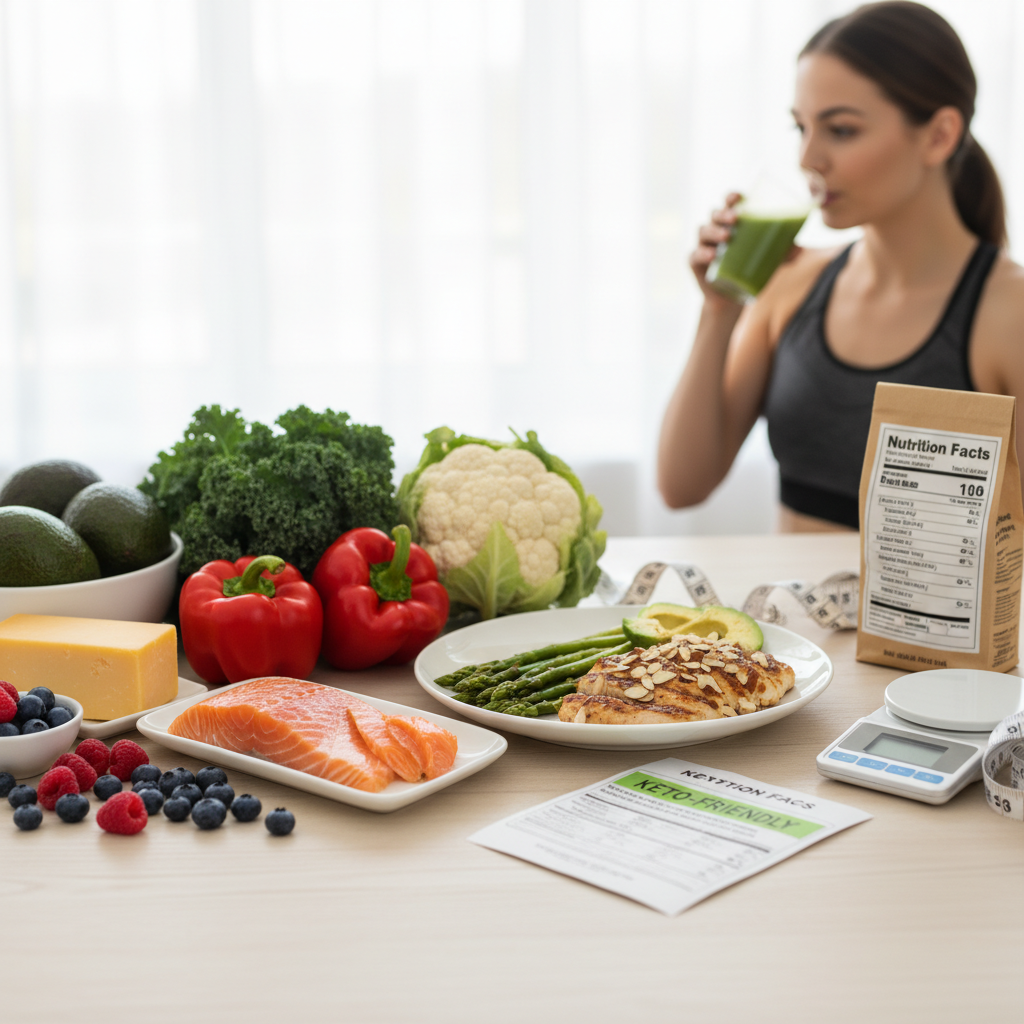

Starting the keto diet is simple: focus on reducing carbohydrates and increasing healthy fats to put your body into a state of ketosis. This metabolic state not only aids in weight loss but also has the potential to enhance energy levels and mental clarity. In this guide, you’ll learn essential steps to effectively transition into the keto lifestyle, from meal planning to understanding macros, ensuring a smooth and successful journey.
Understanding the Keto Diet

The ketogenic diet, or keto diet, revolves around the concept of ketosis, a metabolic process where the body shifts from using glucose derived from carbohydrates as its primary energy source to utilizing ketones produced from fat breakdown. When carb intake is significantly reduced—typically to about 5-10% of total daily caloric intake—insulin levels drop, prompting the body to burn fat for energy instead. This transition can lead to weight loss and improved energy levels.
In terms of macronutrient breakdown, a standard keto diet consists of approximately 70-75% fats, 20-25% protein, and only about 5-10% carbohydrates. This high-fat, moderate-protein, and low-carbohydrate ratio is designed to encourage the body to enter and maintain ketosis. Understanding these ratios is crucial for successful implementation of the diet, as they guide food choices and meal planning.
Essential Foods for the Keto Diet


To thrive on a keto diet, it is essential to stock up on keto-friendly foods. Foods rich in healthy fats, such as avocados, olive oil, coconut oil, and fatty cuts of meat, are staples. Additionally, full-fat dairy products like cheese, butter, and heavy cream are excellent sources of both fat and flavor. Non-starchy vegetables, such as leafy greens, broccoli, cauliflower, and zucchini, provide necessary nutrients while keeping carb intake low.
On the other hand, certain foods must be avoided to maintain ketosis. Grains, including bread, pasta, and rice, are high in carbohydrates and should be eliminated from your diet. Sugary foods, including candies, desserts, and sweetened beverages, can quickly derail your progress. Starchy vegetables like potatoes and corn, as well as most fruits (except for small portions of berries), are also high in carbs and should be limited.
Meal Planning and Preparation
Effective meal planning is key to staying on track with the keto diet. Start by creating a weekly meal plan that includes breakfast, lunch, dinner, and snacks. This approach not only simplifies grocery shopping but also helps you avoid impulsive eating choices that may lead to higher carb intake. Consider preparing meals in bulk; for instance, a large batch of keto chili or cauliflower rice can be portioned out for the week.
For quick and easy keto recipes, think of meals that can be made in under 30 minutes. A simple egg and avocado breakfast or a salad topped with grilled chicken and olive oil can provide the necessary nutrients without extensive cooking. Additionally, using kitchen tools like slow cookers or air fryers can streamline meal preparation, making it easier to stick to your keto goals.
Managing Keto Flu Symptoms
As your body transitions into ketosis, you may experience what is commonly referred to as the “keto flu.” Symptoms can include fatigue, headaches, irritability, and digestive issues. These symptoms arise as your body adapts to burning fat for fuel instead of carbohydrates. To alleviate these symptoms, it is crucial to maintain proper hydration and balance your electrolytes. Increasing your intake of potassium, magnesium, and sodium can help combat these temporary side effects.
Drinking plenty of water is vital during this transition. Aim for at least 8-10 cups daily, and consider incorporating electrolyte supplements or bone broth into your diet to ensure you are replenishing lost minerals. These steps can significantly reduce discomfort and help you feel more energetic as you adapt to the keto lifestyle.
Tracking Your Progress
Monitoring your food intake and ketosis status is essential for staying accountable on the keto diet. Various apps, such as MyFitnessPal or Cronometer, allow you to log your meals and track macronutrient ratios easily. Additionally, investing in ketone test strips or a blood ketone meter can provide real-time feedback on your ketosis levels, helping you make informed dietary choices.
Setting realistic goals is another important aspect of your progress. While many may aim for rapid weight loss, it is crucial to understand that sustainable changes take time. The first few weeks may bring noticeable results, but weight loss can slow as your body adjusts. Focus on non-scale victories, such as improved energy levels, better mental clarity, and enhanced overall well-being, to help maintain motivation.
Staying Motivated and Avoiding Pitfalls
Maintaining motivation on the keto diet can be challenging, especially in social situations or when faced with cravings. One effective strategy is to set short-term and long-term goals, celebrating small victories along the way. Joining keto communities online or in-person can provide support, sharing success stories and tips that keep you engaged in your journey.
Be aware of common pitfalls, such as falling back into the habit of consuming hidden carbs or neglecting meal prep. To overcome these challenges, develop a proactive approach by educating yourself about food labels and continuously exploring new recipes that fit within your dietary guidelines. This proactive mindset helps you stay committed and navigate potential obstacles effectively.
To successfully embark on your keto journey, remember to focus on a balanced approach that emphasizes healthy fats and minimizes carbs. Embrace meal planning, stay hydrated, and keep track of your progress to ensure a smooth transition. By understanding the essential components of the keto diet and employing effective strategies for managing its challenges, you can achieve your health and wellness goals. For further support, consider joining keto communities online or seeking resources to enhance your experience.
Frequently Asked Questions
What foods can I eat on a keto diet?
On a keto diet, you should focus on high-fat, low-carb foods. This includes meats (like beef, chicken, and fish), healthy fats (such as avocados, olive oil, and nuts), low-carb vegetables (like leafy greens, broccoli, and zucchini), and full-fat dairy products. Avoid foods high in carbohydrates, including grains, sugars, and most fruits, to maintain a state of ketosis.
How do I calculate my macronutrients for the keto diet?
To calculate your macronutrients for the keto diet, first determine your daily caloric needs based on your activity level and weight goals. Typically, a standard keto ratio is about 70-75% fat, 20-25% protein, and 5-10% carbohydrates. Use an online keto calculator to input your personal data, and adjust your meals accordingly to ensure you stay within these macronutrient ranges for effective weight loss and energy.
Why is it important to stay hydrated on a keto diet?
Staying hydrated on a keto diet is crucial because the reduction of carbohydrate intake can lead to a decrease in water retention in the body. This often results in increased urination and a greater risk of dehydration. Additionally, proper hydration helps alleviate common keto-related symptoms like the “keto flu,” which can include fatigue and headaches, and supports overall bodily functions.
What are the best snacks to have on a keto diet?
The best snacks for a keto diet are those that are low in carbohydrates and high in healthy fats. Some great options include cheese slices, hard-boiled eggs, nuts and seeds, guacamole with veggie sticks, and keto-friendly protein bars. These snacks not only keep you satiated but also help maintain your daily macronutrient goals while adhering to the ketogenic lifestyle.
Which common mistakes should I avoid when starting a keto diet?
Common mistakes when starting a keto diet include not tracking your macronutrients, which can lead to accidentally consuming too many carbs, and not incorporating enough electrolytes into your diet, resulting in symptoms like muscle cramps or fatigue. Additionally, some beginners may not consume enough vegetables, which are essential for fiber and micronutrients, or may expect immediate results without allowing their bodies time to adjust to ketosis. Avoiding these pitfalls can help ensure a smoother transition into a successful keto lifestyle.
References
- Ketogenic diet
- https://www.healthline.com/nutrition/keto-diet
- https://www.webmd.com/diet/what-is-the-keto-diet
- https://www.ncbi.nlm.nih.gov/pmc/articles/PMC7075126/
- https://www.cdc.gov/healthyweight/healthy_eating/dietary_guidelines.html
- https://www.mayoclinic.org/healthy-lifestyle/nutrition-and-healthy-eating/in-depth/keto-diet/art-20459859
- https://www.verywellfit.com/what-is-the-keto-diet-5180072

