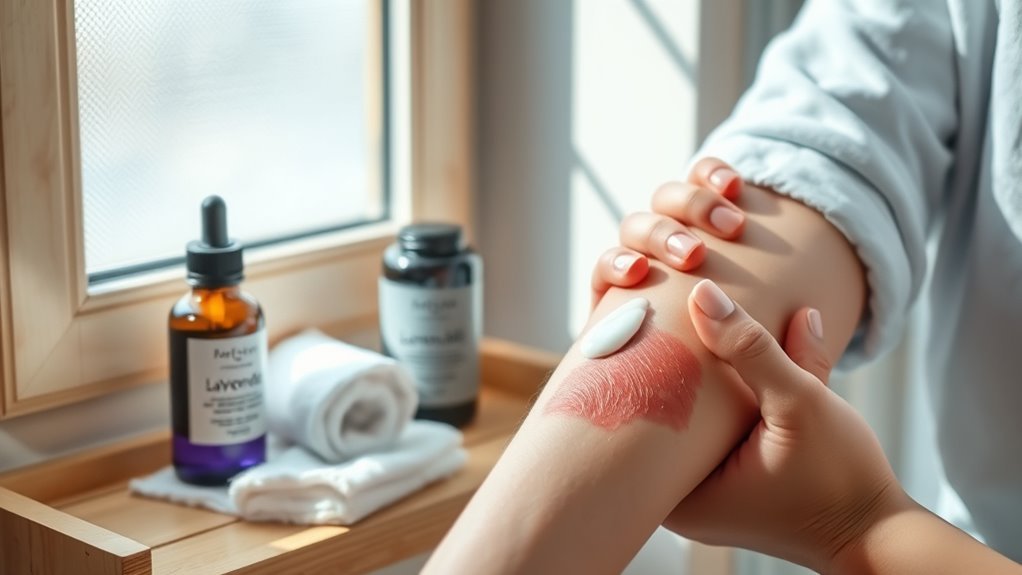

To get rid of keto rash, start by adjusting your diet to include low-carb, high-fiber vegetables and healthy fats. Stay well-hydrated and monitor your nutrient intake to prevent deficiencies. Use soothing topical treatments like aloe vera or anti-itch creams, and consider incorporating natural remedies like chamomile. Managing stress and ensuring quality sleep are equally essential for skin health. By making these changes, you can effectively alleviate symptoms and improve your skin’s condition. Discover more strategies to enhance your approach.
Understanding Keto Rash: What It Is and Why It Happens
When you start a ketogenic diet, you might notice a peculiar skin condition known as keto rash. This rash typically appears as red, itchy bumps, often on areas where skin rubs together, like the abdomen or thighs. Research suggests that keto rash results from skin inflammation triggered by a shift in metabolism as your body adapts to burning fat for fuel instead of carbohydrates. This sudden change can lead to increased ketone levels, which may irritate your skin. Additionally, dehydration and nutrient deficiencies, common in restrictive diets, can exacerbate this condition. Understanding the underlying causes of keto rash is essential for successfully managing it, allowing you to enjoy the benefits of your ketogenic lifestyle without unnecessary discomfort.
Identifying the Symptoms of Keto Rash

Keto rash can manifest in various ways, and recognizing its symptoms is key to addressing the issue effectively. Common keto rash symptoms include red, itchy patches on the skin, often appearing in areas like the abdomen, back, and neck. You might notice these patches are inflamed or scaly, indicating skin irritation. Sometimes, the rash can feel tender or even painful, making it uncomfortable during daily activities. It’s important to pay attention to how your skin reacts, especially if you’re adhering to a ketogenic diet. Early identification of these symptoms can help you take the necessary steps to alleviate the discomfort and prevent further irritation. If you suspect you have keto rash, consulting a healthcare professional is advisable.
Dietary Adjustments to Alleviate Keto Rash

While adjusting your diet may seem intimidating, making specific changes can considerably alleviate the symptoms of keto rash. Here are four dietary adjustments you can consider:
- Increase dietary fiber: Incorporate low-carb, high-fiber vegetables like spinach and broccoli to promote gut health and reduce inflammation. Additionally, adding leafy greens to your meals can boost nutrient intake while keeping carb counts low.
- Choose healthy fats: Opt for sources like avocados and olive oil, which can soothe your skin while providing essential nutrients.
- Limit processed foods: Avoid artificial sweeteners and preservatives that can trigger skin reactions and worsen keto rash.
- Stay mindful of protein intake: Verify you’re not consuming excessive protein, as this can lead to imbalances that may exacerbate skin issues.
The Importance of Hydration in Managing Skin Health
Although many people focus on dietary choices in managing keto rash, hydration plays an essential role in maintaining skin health. Staying properly hydrated offers numerous hydration benefits that can enhance skin elasticity, making it more resilient against irritation. Drinking sufficient water helps flush out toxins and can reduce inflammation, which is vital for those experiencing keto rash.
| Hydration Benefits | Impact on Skin Health |
|---|---|
| Improved Skin Elasticity | Helps reduce irritation |
| Flushes out toxins | Promotes healing |
| Enhances moisture | Prevents dryness |
Topical Treatments for Keto Rash Relief
When dealing with keto rash, topical treatments can provide significant relief. Anti-itch creams are commonly used to alleviate discomfort, while natural remedies may also offer soothing effects. Understanding your options can help you choose the most effective approach for your skin.
Anti-itch Cream Applications
If you’re experiencing discomfort from a keto rash, topical treatments like anti-itch creams can provide significant relief. Look for creams with effective anti-itch ingredients that can soothe your skin. Here’s how to choose the right one:
- Hydrocortisone: Reduces inflammation and itching.
- Menthol: Provides a cooling sensation, alleviating discomfort.
- Oatmeal: Known for its soothing properties, it calms irritated skin.
- Aloe Vera: Hydrates and promotes healing.
These ingredients enhance cream effectiveness, helping you regain comfort and freedom in your daily life. Remember to apply sparingly and monitor your skin’s response. If symptoms persist, consult a healthcare professional for tailored advice. Your well-being matters, and finding the right relief is essential.
Natural Remedies to Consider
While conventional treatments can offer quick relief from keto rash, natural remedies may provide a gentler and effective alternative. You might find that herbal infusions and soothing balms can help alleviate discomfort and promote healing. Here’s a quick overview of some options to evaluate:
| Remedy Type | Key Ingredients | Benefits |
|---|---|---|
| Herbal Infusion | Chamomile, Calendula | Anti-inflammatory properties |
| Soothing Balm | Coconut Oil, Shea Butter | Moisturizes and repairs skin |
| Herbal Infusion | Lavender, Peppermint | Calming and cooling effect |
| Soothing Balm | Aloe Vera, Tea Tree Oil | Antiseptic and soothing action |
These natural treatments can support your skin’s recovery while aligning with your desire for a more holistic approach.
Natural Remedies to Soothe Skin Irritation
Although keto rash can be uncomfortable and frustrating, there are several natural remedies that can help soothe skin irritation effectively. Here are some options you might find beneficial:
- Herbal Infusions: Chamomile or calendula tea can provide anti-inflammatory properties. Apply cooled tea bags to the affected area.
- Soothing Balms: Look for balms containing shea butter or coconut oil, which hydrate and calm the skin.
- Aloe Vera: Known for its cooling effect, apply fresh aloe gel directly from the plant.
- Oatmeal Baths: Add colloidal oatmeal to your bathwater to relieve itching and irritation.
These remedies can help you regain your comfort and freedom from keto rash, allowing you to continue your dietary journey with confidence.
When to Consult a Healthcare Professional
Recognizing when to consult a healthcare professional for keto rash is essential, especially if the irritation persists despite using home remedies. If you notice signs of severity, such as increased redness, swelling, or pain, it’s time to seek medical advice. Persistent rashes that don’t improve within a week could indicate an underlying issue requiring professional evaluation. Additionally, if you experience systemic symptoms like fever or chills, don’t hesitate to reach out to a healthcare provider. They can assess your condition and recommend appropriate treatments. Remember, while self-care is important, your well-being should always come first. Seeking help guarantees you’re on the path to healing without unnecessary complications.
Preventing Keto Rash During Your Diet Transition
To prevent keto rash during your shift to a ketogenic diet, it’s essential to understand the factors that contribute to this skin condition. By maintaining dietary balance and being mindful of your body’s reactions, you can minimize skin reactions. Here are some strategies to evaluate:
Understanding the causes of keto rash is key to minimizing skin reactions during your ketogenic diet transition.
- Ensure Nutrient Balance: Include a variety of foods to avoid nutrient deficiencies.
- Stay Hydrated: Proper skin hydration can help alleviate irritation.
- Monitor Food Sensitivities: Identify any foods that may trigger skin issues.
- Gradually Implement Lifestyle Changes: Allow your body time for metabolic adaptation to reduce stress on your skin. Additionally, nutrient deficiencies can exacerbate skin conditions, so ensuring a well-rounded diet is key.
The Role of Stress and Sleep in Skin Health
Stress and sleep quality play vital roles in maintaining healthy skin. Elevated stress hormones can exacerbate skin conditions like keto rash, while insufficient rest can hinder your skin’s ability to repair itself. Prioritizing stress management and quality sleep may be essential steps in achieving better skin health during your keto journey.
Impact of Stress Hormones
While you may focus on dietary changes to manage keto rash, it’s essential to also consider the impact of stress hormones and sleep on your skin health. Stress can disrupt hormonal balance, leading to skin flare-ups. To help manage this, prioritize stress management techniques that resonate with you:
- Practice mindfulness or meditation daily.
- Engage in regular physical activity you enjoy.
- Establish a routine for relaxation, such as reading or yoga.
- Connect with supportive friends or family for emotional relief. Additionally, monitor your nutrient intake to ensure you’re not missing essential vitamins and minerals that can affect skin health.
Importance of Quality Sleep
Quality sleep is essential for maintaining healthy skin, especially when managing the challenges of a ketogenic diet. When you prioritize sleep hygiene, you create an environment conducive to restorative sleep, which is vital for skin repair and overall wellness. Lack of quality sleep can elevate stress hormones, worsening skin conditions like keto rash. Aim for 7-9 hours of uninterrupted sleep each night, and establish a relaxing bedtime routine to signal your body it’s time to rest. Avoid screens before bed, and keep your sleep space dark and cool. Incorporating these practices not only enhances skin health but also empowers you to navigate your keto journey with more resilience and freedom. Additionally, ensuring adequate hydration and maintaining electrolyte balance can further support your skin’s health during this transition. Your skin and overall health will thank you.
Long-Term Strategies for Healthy Skin on Keto
To maintain healthy skin while following a ketogenic diet, it’s vital to adopt long-term strategies that address potential issues like keto rash. Here are four key approaches to take into account:
- Skin Care: Develop a routine that includes gentle exfoliation to promote cell turnover without irritating your skin barrier.
- Vitamin Supplements: Incorporate vitamins A, D, and E to support skin health and moisture retention.
- Topical Oils: Use oils like coconut or jojoba to help maintain pH balance and hydrate your skin.
- Diet Consistency: Stick to a balanced keto diet to guarantee your body receives the nutrients necessary for skin health.
Frequently Asked Questions
Can Keto Rash Occur on Other Diets Besides Keto?
Yes, keto rash can occur on other diets, especially those that induce significant metabolic changes or involve high fat intake. While it’s most commonly associated with the ketogenic diet, similar skin reactions can arise from low-carb or high-fat diets due to increased ketone production and dietary shifts. If you notice skin irritation on any diet, it’s essential to consult a healthcare professional to determine the underlying cause and receive appropriate guidance.
Is Keto Rash Contagious or Transferable?
No, keto rash isn’t contagious or transferable. It results from factors like diet changes, sweat, or irritation, leading to inflammation on the skin. You might find that certain keto rash treatments, such as topical ointments or adjusting your diet, can help alleviate symptoms. Understanding the keto rash causes is essential for managing it effectively. If you’re experiencing persistent issues, consulting a healthcare professional is a good idea for tailored advice.
What Are the Common Misconceptions About Keto Rash?
Many people think keto rash is just a result of dietary changes, but it’s more complex. It’s often mistaken for other skin conditions or attributed solely to keto symptoms like dehydration or nutrient deficiencies. Some believe it’s contagious, which it isn’t. Understanding that it’s a reaction to ketosis can help you manage it better. You shouldn’t ignore it, as addressing underlying issues can lead to a more comfortable keto experience.
Can Children Experience Keto Rash on a Ketogenic Diet?
Yes, children can experience keto rash symptoms while on a ketogenic diet. The ketogenic diet effects can vary by individual, and kids may be more sensitive to dietary changes. If a child develops a rash, it could be due to an imbalance in nutrients or an allergic reaction to certain foods. Monitoring their diet and consulting a healthcare professional can help guarantee they receive adequate nutrition while avoiding any adverse effects.
How Long Does Keto Rash Typically Last?
Keto rash typically lasts from a few days to a couple of weeks. The keto rash duration can vary based on individual responses to the ketogenic diet. Symptoms often include red, itchy patches, commonly appearing on areas like the torso or limbs. It’s important to monitor your body and make necessary adjustments to your diet, as this can help alleviate symptoms more quickly and enhance your overall experience on the ketogenic journey.
References
- https://www.healthline.com/health/keto-rash
- https://www.medicalnewstoday.com/articles/keto-rash
- https://www.ncbi.nlm.nih.gov/pmc/articles/PMC6520697/
- https://www.webmd.com/skin-problems-and-treatments/what-is-keto-rash
- https://www.verywellhealth.com/keto-rash-5188146
- https://www.mayoclinic.org/diseases-conditions/skin-rash/symptoms-causes/syc-20368500