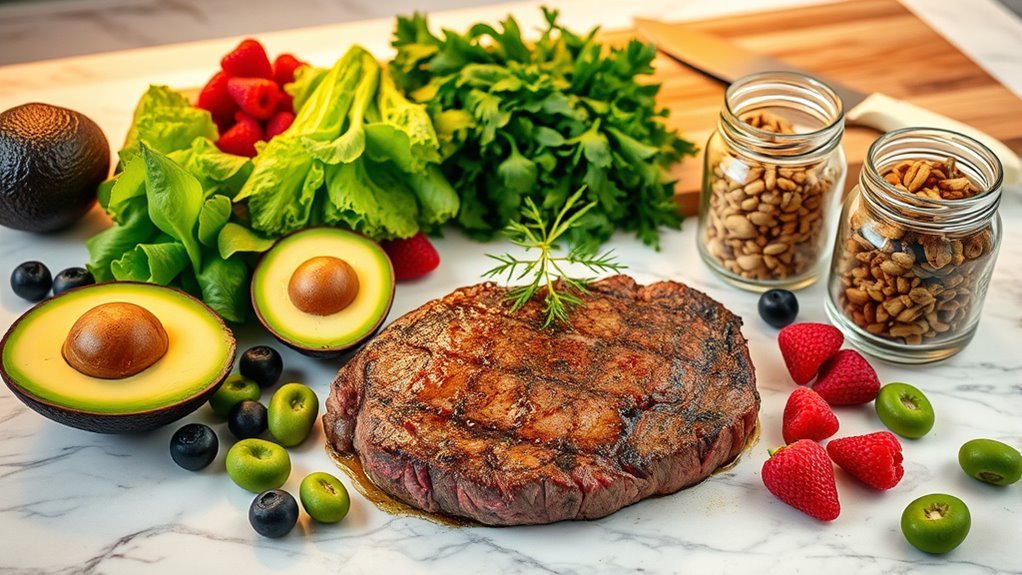

To get into keto fast, drastically cut your carb intake while increasing healthy fats, shifting your body’s energy source to ketones. Focus on whole, nutrient-dense foods, aiming for about 70-75% fat, 20-25% protein, and 5-10% carbs. Prepare mentally for the journey and create a support system for accountability. Planning your meals and tracking your macros will help you stay on track. Stick around to uncover more effective strategies for your keto change.
Understanding the Keto Diet Basics
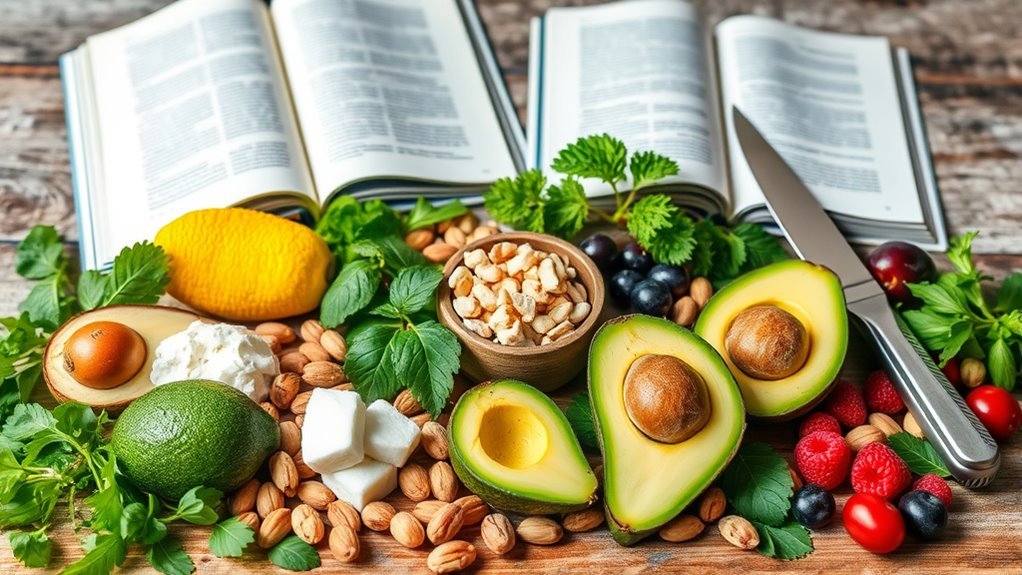
To grasp the fundamentals of the keto diet, it is essential to understand its core principle: drastically reducing carbohydrate intake while increasing fat consumption. In doing so, you’ll shift your body’s primary energy source from glucose to ketones, promoting a state of ketosis. The typical macronutrient ratios for a keto diet involve around 70-75% fat, 20-25% protein, and only 5-10% carbohydrates. This balance allows your body to burn fat efficiently while minimizing carbohydrate-induced insulin spikes. You’ll need to carefully choose whole, nutrient-dense foods that align with these ratios. Embracing the keto diet fundamentals empowers you to take control of your nutrition, giving you the freedom to explore a new way of fueling your body.
Benefits of the Keto Diet

Embracing the keto diet not only transforms your approach to eating but can also provide a variety of health benefits. Many find that it promotes weight loss through effective appetite control, helping you manage cravings. As your body shifts to burning fat for fuel, you may experience an energy boost and improved mental clarity.
Additionally, keto can support heart health by improving blood sugar levels and promoting improved digestion. The diet’s emphasis on healthy fats may lead to inflammation reduction, contributing to longevity benefits. Importantly, it aids in muscle preservation, making it easier to maintain muscle mass while losing fat. Overall, the keto diet offers an extensive approach to enhancing your well-being and health.
Preparing for Your Keto Journey
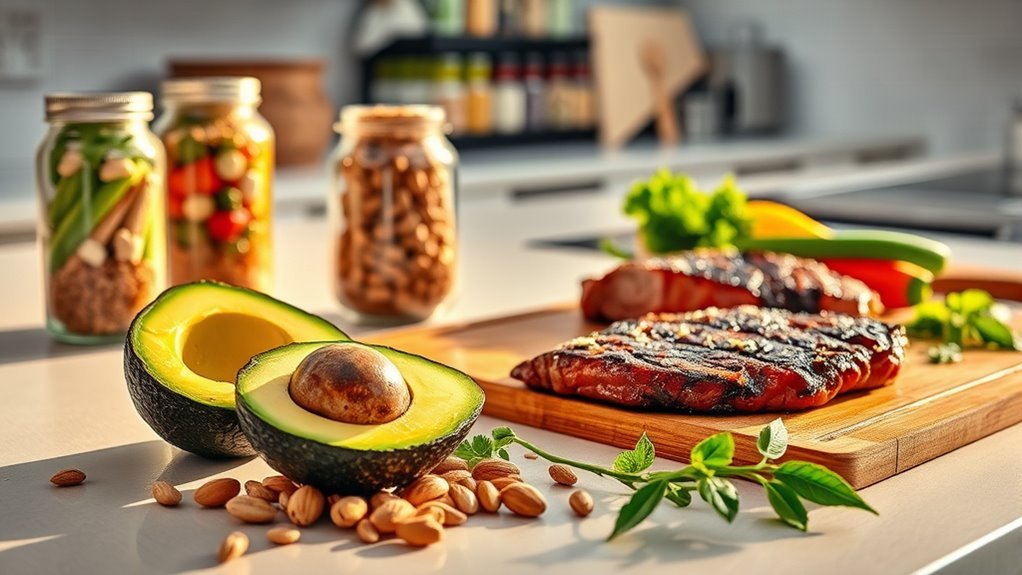
Before diving into the keto diet, it’s essential to prepare both your mind and body for the shift. Embracing a keto mindset shift can make all the difference in your journey. Here are three steps to set yourself up for success:
- Research the Keto Basics: Understand what keto entails—macronutrient ratios, benefits, and potential challenges.
- Set Clear Goals: Define what you want to achieve with keto. Whether it’s weight loss or improved energy, having specific goals keeps you motivated.
- Create a Support System: Surround yourself with people who understand your journey or join online communities for encouragement and tips.
Essential Foods to Stock Up On
To start your keto journey effectively, it’s vital to stock up on the right foods. Focus on incorporating healthy fats, protein-rich options, and low-carb vegetables into your meals. These essentials not only support your nutritional needs but also help maintain ketosis, ensuring your shift to a ketogenic lifestyle is smooth and sustainable.
Healthy Fats Essentials
When you start your keto journey, stocking up on healthy fats is essential for success. These fats will help fuel your body and keep you satisfied. Here are three must-have items to include in your pantry:
- Healthy Oils: Opt for coconut oil, olive oil, or avocado oil. They’re packed with nutrients and great for cooking.
- Fatty Snacks: Incorporate nuts, seeds, or cheese. These snacks offer a perfect balance of protein and fats, keeping hunger at bay.
- Nut Butters: Almond or peanut butter can be a delicious addition to your diet, providing healthy fats and flavor.
Protein-Rich Options
Incorporating protein-rich options into your keto diet is essential for maintaining muscle mass and promoting overall health. Look for keto-friendly meats like chicken, beef, and pork, which provide ample protein and satiety. For high protein snacks, consider jerky or hard-boiled eggs. If you prefer dairy alternatives, opt for almond or coconut yogurt, which can be great breakfast options. Plant-based proteins like tofu or tempeh can also fit into your meal prep seamlessly. For those on the go, protein supplements in the form of shakes can be a quick solution. Explore easy recipes that combine these ingredients, ensuring you’ve got a variety of protein sources to keep your meals exciting and nutritious while staying in ketosis.
Low-Carb Vegetables
Maintaining a keto diet isn’t just about protein; low-carb vegetables play an essential role in ensuring you get enough fiber, vitamins, and minerals. They can enhance your meals and provide various health benefits. Stocking up on keto-friendly options is a smart move. Here are three great choices:
- Spinach: Low in carbs and packed with iron and antioxidants.
- Zucchini: Versatile and great for making noodles; it’s low in calories too.
- Broccoli: A powerhouse of vitamins C and K, and it supports digestion.
Incorporating these vegetables into your meals not only boosts nutrient intake but also helps maintain ideal health on your keto journey. Embrace these vegetable benefits, and enjoy the freedom of flavorful, nutritious eating!
Meal Planning and Preparation Tips
How can you streamline your shift into the keto lifestyle? Meal planning and preparation are key. Start by creating a weekly menu that focuses on low-carb ingredients. This way, you’ll minimize grocery shopping trips and reduce the temptation to stray from your plan.
Here’s a simple table to help:
| Meal | Ingredients | Prep Method |
|---|---|---|
| Breakfast | Eggs, spinach, avocado | Scramble eggs |
| Lunch | Chicken, broccoli, olive oil | Roast together |
| Dinner | Salmon, asparagus, lemon | Grill salmon |
| Snack | Almonds, cheese | Portion out |
| Dessert | Coconut cream, berries | Mix and chill |
Navigating Common Keto Challenges
Shifting to a keto diet can bring about several challenges, particularly in the early stages. You might experience intense cravings or encounter common keto pitfalls. To navigate these hurdles effectively, consider these strategies for keto cravings management:
Transitioning to a keto diet can present challenges, especially with cravings and pitfalls in the beginning stages.
- Stay Hydrated: Sometimes, thirst is mistaken for hunger. Drink plenty of water to help curb cravings.
- Plan Your Snacks: Keep keto-friendly snacks on hand, such as nuts or cheese, to fend off temptation.
- Educate Yourself: Understand the science behind keto to reinforce your commitment and make informed choices.
Tracking Your Macros Effectively
To successfully navigate the keto diet, tracking your macros is essential, as it helps confirm you’re meeting your nutritional goals. Using a keto calculator can simplify this process by providing tailored macro ratios. Implement portion control to make certain you’re not overindulging, and consider maintaining a food diary to track everything you eat. App recommendations like MyFitnessPal or Cronometer can make macro tracking easier and more efficient. Pay attention to nutrient timing and meal frequency, as these can impact your energy levels and ketosis. If you’re interested in carb cycling, plan your higher-carb days strategically while still keeping an eye on your overall macros. By mastering these techniques, you’ll have the freedom to enjoy your meals while staying on track.
Staying Motivated and Committed
Maintaining motivation and commitment on the keto diet can be just as important as tracking your macros. Here are a few strategies to keep you on track:
Staying motivated on the keto diet is crucial; consider goal setting and accountability partners to enhance your journey.
- Goal Setting: Define clear, achievable goals that inspire you. Break them down into smaller milestones, making it easier to celebrate progress.
- Accountability Partners: Find a friend or join a group who shares your keto journey. Having someone to share successes and challenges with can boost motivation.
- Visual Reminders: Create a vision board or keep a journal of your journey. Seeing your progress can remind you why you started and keep you focused.
Resources for Ongoing Support
While starting on a keto journey can be exciting, ongoing support is essential to navigate challenges and stay committed. Engaging with keto support groups can provide you with valuable insights and encouragement from those who’ve been in your shoes. These groups often share recipes, tips, and personal experiences, making your shift smoother. Additionally, online forums are fantastic resources for real-time advice and community support. You’ll find discussions on common obstacles, meal planning, and even motivation when you need it most. Remember, surrounding yourself with like-minded individuals can empower you to maintain your keto lifestyle while enjoying the freedom that comes with it. Explore these resources to enhance your journey and guarantee lasting success.
What is the ketogenic diet?
The ketogenic diet, commonly known as the keto diet, is a low-carbohydrate, high-fat diet that aims to shift the body’s metabolism away from carbohydrates and towards fats. By drastically reducing carbohydrate intake and replacing it with fat, the body enters a metabolic state known as ketosis, where it becomes efficient at burning fat for energy. This diet often leads to rapid weight loss and can offer various health benefits, including improved blood sugar control and increased mental clarity.
How can I get started on the keto diet quickly?
To get started on the keto diet quickly, begin by eliminating high-carb foods from your diet, such as bread, pasta, sugar, and most fruits. Instead, focus on incorporating high-fat foods like avocados, nuts, seeds, oils, and fatty cuts of meat. It’s also important to meal prep and plan your meals in advance to avoid slipping back into carb-heavy foods. Staying hydrated and considering supplements like electrolytes can help ease the transition into ketosis. Additionally, tracking your macronutrient intake can help ensure you’re maintaining the right balance of fats, proteins, and carbohydrates.
What are the common side effects of starting the keto diet?
When starting the keto diet, some individuals may experience a group of symptoms known as the “keto flu.” This can include headaches, fatigue, dizziness, nausea, irritability, and difficulty sleeping. These symptoms occur as your body adapts to burning fat for fuel instead of carbohydrates. To mitigate these side effects, ensure you’re drinking plenty of water, maintaining your electrolyte balance, and gradually reducing carbohydrates rather than cutting them out abruptly. Most side effects typically resolve within a week or two as your body adjusts.
Can I exercise while on the keto diet?
Yes, you can exercise while on the keto diet! In fact, many people find that they can maintain or even enhance their performance after they have fully adapted to ketosis. Initially, you may experience decreased energy levels, particularly during high-intensity workouts, but this often improves as your body becomes more efficient at burning fat for fuel. It’s important to listen to your body, adjust your workout intensity if necessary, and make sure you’re consuming enough calories and nutrients to support your activity level.
How do I know if I am in ketosis?
There are several ways to confirm if you are in ketosis. One common method is to use ketone testing strips, which can measure the level of ketones in your urine. Additionally, blood ketone meters can provide a more accurate reading of your ketone levels in the bloodstream. You may also notice signs of ketosis such as increased energy, reduced hunger, and changes in breath (often described as a fruity smell). Tracking these indicators can help you determine if you’ve successfully entered ketosis.
References
- https://www.health.harvard.edu/staying-healthy/the-ketogenic-diet
- https://www.ncbi.nlm.nih.gov/pmc/articles/PMC5953068/
- https://www.webmd.com/diet/what-is-the-keto-diet
- https://www.mayoclinic.org/healthy-lifestyle/nutrition-and-healthy-eating/expert-answers/keto-diet/faq-20476333
- https://www.cdc.gov/healthyweight/healthy_eating/creating_a_healthier_plate.html
- https://www.usda.gov/media/blog/2019/01/18/keto-diet-what-you-need-know
- https://www.nutrition.org.uk/healthyliving/basics/keto.html
- https://www.reuters.com/article/us-health-keto-idUSKBN1W21QO