

To get enough fiber on a ketogenic diet, focus on low-carb vegetables like leafy greens, broccoli, and Brussels sprouts. Incorporate nuts and seeds, such as chia and flaxseeds, into your meals for added fiber and healthy fats. Low-carb fruits like avocados and berries can also boost your intake. Remember to track your fiber consumption and adjust gradually to avoid digestive discomfort. This will enhance your overall satisfaction with your meals and health, while more tips await you.
Understanding Fiber and Its Importance on Keto
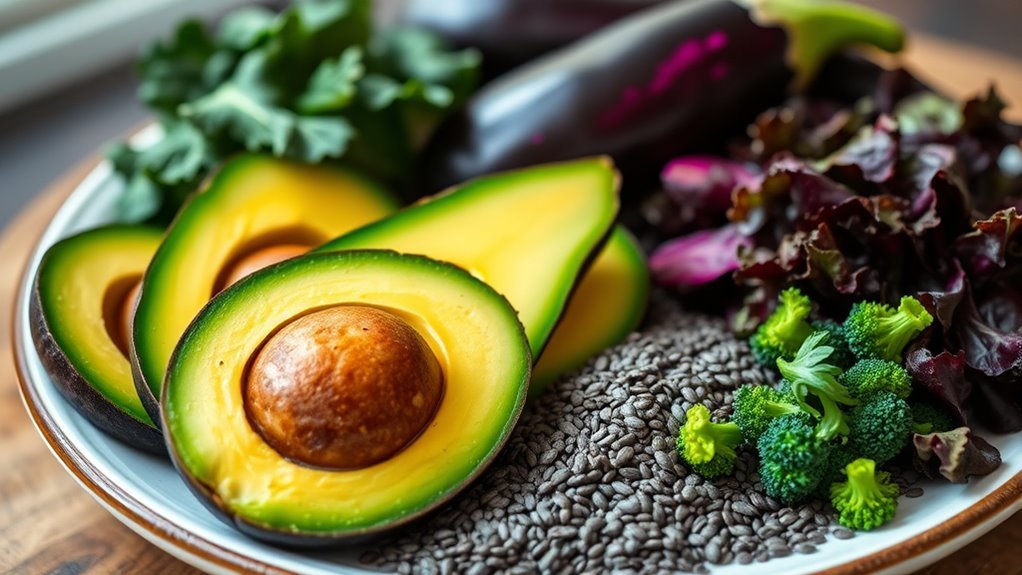
When you’re following a ketogenic diet, it’s easy to overlook the importance of fiber, even though it’s essential for digestive health. Understanding fiber types is significant; they fall into two categories: soluble and insoluble. Soluble fiber dissolves in water, helping to regulate blood sugar levels and lower cholesterol, while insoluble fiber adds bulk to your stool, aiding regularity. Both types play important roles in maintaining gut health and preventing constipation, which can be a concern on a low-carb diet. Incorporating adequate fiber into your meals can promote a sense of fullness, allowing you the freedom to enjoy your meals without feeling deprived. So, don’t underestimate fiber’s benefits; prioritize it to support your overall health while enjoying the ketogenic lifestyle.
Low-Carb Vegetables Packed With Fiber
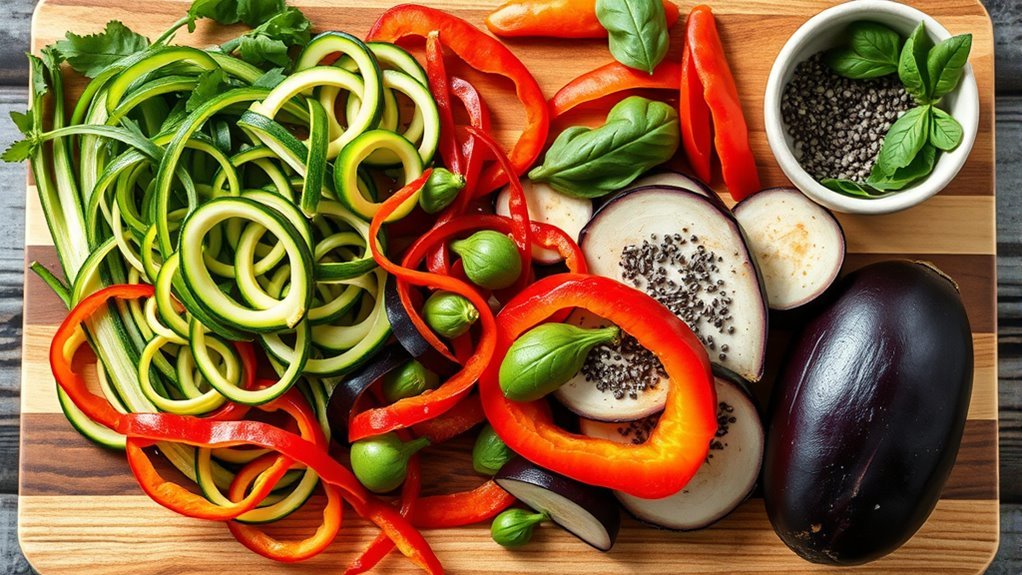
Incorporating low-carb vegetables into your ketogenic diet is a smart way to boost your fiber intake without compromising your carb limit. Leafy greens like spinach, kale, and Swiss chard are excellent choices, providing essential nutrients and fiber while keeping carbs low. You can also consider fiber-rich legumes like black soybeans or green beans, which fit well within keto guidelines. These vegetables not only enhance your meals but also help regulate digestion and maintain satiety. By focusing on a variety of these low-carb options, you can easily meet your fiber needs while enjoying the freedom of diverse flavors and textures in your diet. Embrace these nutritious choices and watch your keto journey thrive!
Incorporating Nuts and Seeds Into Your Diet
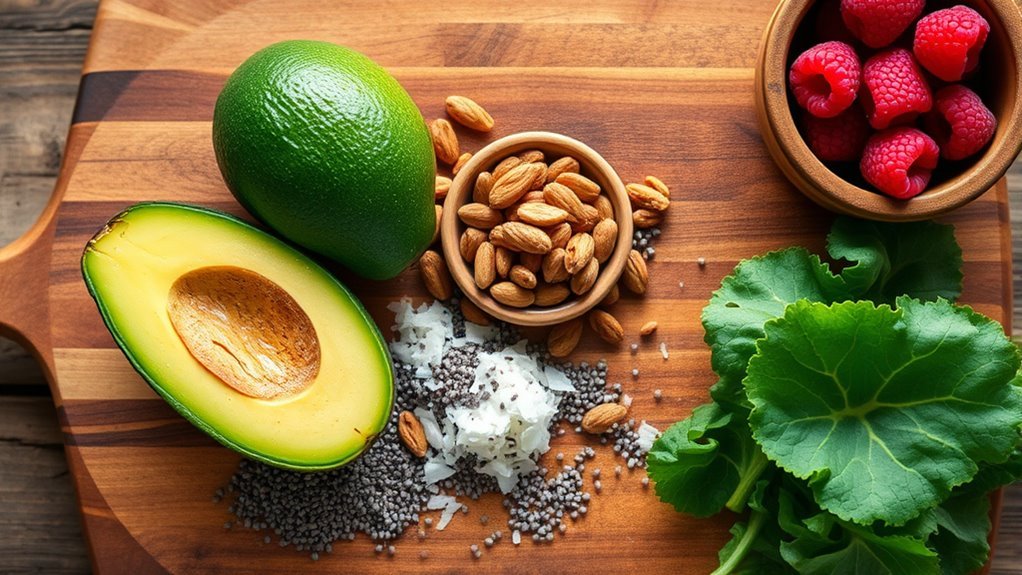
While you might think of nuts and seeds as simple snacks, they can actually play an essential role in enhancing your fiber intake on a ketogenic diet. These nutrient-dense foods offer numerous nut benefits, including healthy fats and protein. You can explore various seed varieties, such as chia, flax, and pumpkin seeds, to diversify your options. For snack ideas, consider nut butters or energy bites made with your favorite nuts. You can also use nuts and seeds as meal toppings on salads and yogurts. Chia pudding is a fantastic way to combine chia seeds with your low-carb lifestyle, while trail mixes provide a convenient, fiber-rich snack. By incorporating these foods, you can enjoy both freedom and health on your keto journey.
Exploring Low-Carb Fruits for Fiber Boosts
When you’re on a keto diet, finding low-carb fruits that offer fiber can be a game changer for your gut health. Options like avocados, berries, and olives not only keep your carb count low but also provide essential nutrients. By incorporating these fiber-rich fruits, you can enhance your diet while staying within your keto goals.
Best Low-Carb Fruits
Finding low-carb fruits that can help boost your fiber intake is essential on a ketogenic diet, especially since many traditional sources of fiber are high in carbohydrates. Fortunately, there are several options available. Low carb berries, such as raspberries, blackberries, and strawberries, are excellent choices. Not only do they offer a delicious flavor, but they also provide significant fiber content—raspberries, for instance, contain about 8 grams of fiber per cup. Avocado, though technically a fruit, is another fantastic low-carb option, packing about 10 grams of fiber per cup. Incorporating these fruits into your diet can enhance your fiber intake while keeping your carb counts low, allowing you to enjoy your meals without sacrificing your health goals.
Fiber-Rich Fruit Options
Incorporating fiber-rich fruits into your ketogenic diet can greatly enhance your overall health while keeping your carb intake in check. When you’re looking for keto-friendly berries, consider raspberries, blackberries, and strawberries. These fruits not only provide essential vitamins but also offer a good amount of dietary fiber, helping you meet your daily requirements. They’re also low sugar options, making them perfect for a keto lifestyle. Just a handful can satisfy your sweet tooth without derailing your carb count. Additionally, avocados, though technically a fruit, are another excellent choice packed with fiber and healthy fats. By choosing these fruits, you can enjoy the freedom of flavorful, nutritious snacks while maintaining your ketogenic goals.
High-Fiber Keto-Friendly Grains and Alternatives
For those on a keto diet, including high-fiber grains and alternatives can be a bit of a challenge, but it’s not impossible. You can explore quinoa alternatives like cauliflower rice or shirataki noodles, which provide a satisfying base for various dishes without the carbs. Another excellent option is chia seeds; they’re low in carbs and packed with fiber, making them perfect for keto-friendly smoothies or puddings. Additionally, flaxseeds are a great choice, offering healthy fats and fiber while keeping your carb count low. By incorporating these high-fiber options, you can achieve your fiber goals while enjoying the flexibility of a keto lifestyle. Embrace these alternatives, and you’ll find maintaining your diet more enjoyable and sustainable.
The Role of Supplements in Achieving Fiber Goals
When you’re on a keto diet, fiber supplements can be a helpful way to meet your daily fiber goals. Understanding the different types of fiber supplements available and how to properly time and dose them can make a significant difference in your digestive health. Let’s explore how these supplements can enhance your fiber intake effectively.
Types of Fiber Supplements
Fiber supplements can be a valuable tool for those on a keto diet, helping you reach your daily fiber goals more easily. There are various supplement options available, including soluble and insoluble fiber. Soluble fiber, found in products like psyllium husk, can aid in digestive health and provide prebiotic fibers that support gut bacteria. On the other hand, insoluble fiber, often sourced from wheat bran, helps with regularity and enhances your overall fiber intake. When considering dietary fibers, it’s crucial to choose the right fiber types that align with your keto lifestyle. Together, these fiber sources not only promote digestive health but also offer numerous fiber benefits, ensuring you stay healthy while enjoying the freedom of a low-carb diet.
Timing and Dosage Tips
While you may be enthusiastic to boost your fiber intake on a keto diet, it’s important to pay attention to the timing and dosage of supplements to maximize their effectiveness. To achieve your fiber goals, consider spreading your fiber dosage throughout the day. This helps your body adjust and can prevent digestive discomfort. Aim for a gradual increase in fiber intake, starting with lower dosages and building up to your target. Taking supplements with meals can enhance fiber timing, as food aids in absorption. Remember, balance is key; too much fiber at once can lead to bloating. Listen to your body and adjust your routine as needed, ensuring you enjoy the freedom of a varied, satisfying keto diet.
Creative Recipes to Increase Fiber Intake on Keto
Although sticking to a keto diet often means watching carb intake, you can still enjoy a variety of creative recipes that boost your fiber consumption. Here are some delicious options you can try:
| Recipe | Key Ingredients |
|---|---|
| Keto Chia Pudding | Chia seeds, almond milk, vanilla |
| Zucchini Noodle Salads | Zucchini, olive oil, cherry tomatoes |
| Avocado Fiber Dip | Avocado, lime, garlic |
| Flaxseed Muffins | Flaxseed meal, eggs, almond flour |
Other tasty choices include broccoli cheese soup, coconut flour pancakes, spinach feta quiche, and almond butter smoothies. These recipes not only enhance fiber intake but also keep your meals exciting and satisfying on your keto journey. Enjoy experimenting!
1. What is the importance of fiber on a keto diet?
Fiber is crucial on a keto diet as it helps maintain digestive health, supports weight management, and aids in stabilizing blood sugar levels. Since keto is low in carbohydrates, incorporating fiber-rich foods can help prevent constipation and promote a healthy gut. Additionally, fiber can contribute to a feeling of fullness, which may help reduce overall calorie intake.
2. What are some high-fiber foods that are keto-friendly?
Some great high-fiber, keto-friendly foods include:
- Chia seeds: These tiny seeds are packed with fiber and healthy fats.
- Flaxseeds: Rich in both fiber and omega-3 fatty acids, flaxseeds can be added to smoothies or used in baking.
- Avocados: Not only are they low in carbs, but they also provide a good amount of fiber and healthy fats.
- Leafy greens: Vegetables like spinach, kale, and Swiss chard are low in carbs and high in fiber.
- Broccoli and cauliflower: These cruciferous vegetables are excellent sources of fiber and versatile for various dishes.
3. How can I increase my fiber intake while staying within my carb limits on keto?
To boost your fiber intake while adhering to your carb limits, focus on incorporating low-carb, high-fiber foods into your meals. You can use chia seeds or flaxseeds in smoothies or yogurt, consume plenty of leafy greens in salads or stir-fries, and consider using almond flour or coconut flour in baking, as both are lower in carbs and higher in fiber than regular flour. Always track your net carbs (total carbs minus fiber) to ensure you stay within your daily limits.
4. Are there any fiber supplements that are suitable for a keto diet?
Yes, there are several fiber supplements that can be keto-friendly. Look for options that are low in carbs and do not contain added sugars. Psyllium husk is a popular choice as it is high in soluble fiber and can help with digestive health. Other options include inulin and methylcellulose. Always check the labels for carbohydrate content and choose supplements that align with your dietary goals.
5. What are the potential side effects of low fiber intake on a keto diet?
Low fiber intake on a keto diet can lead to several side effects, including constipation, digestive discomfort, and an increased risk of gut-related issues. Insufficient fiber can disrupt the balance of gut bacteria, leading to bloating and gas. Additionally, a lack of fiber may affect satiety, making it harder to manage hunger between meals. To avoid these issues, it’s essential to plan your meals to include adequate fiber sources.
References
- https://www.ncbi.nlm.nih.gov/pmc/articles/PMC6520950/
- https://www.healthline.com/nutrition/keto-diet-and-fiber
- https://www.webmd.com/diet/what-to-know-keto-diet
- https://www.reuters.com/article/us-health-ketogenic-diet-idUSKBN2A42F9
- https://www.eatright.org/health/wellness/preventing-illness/the-ketogenic-diet-and-fiber
- https://www.mayoclinic.org/healthy-lifestyle/nutrition-and-healthy-eating/expert-answers/keto-diet/faq-20459913
- https://www.hsph.harvard.edu/nutritionsource/keto-diet/