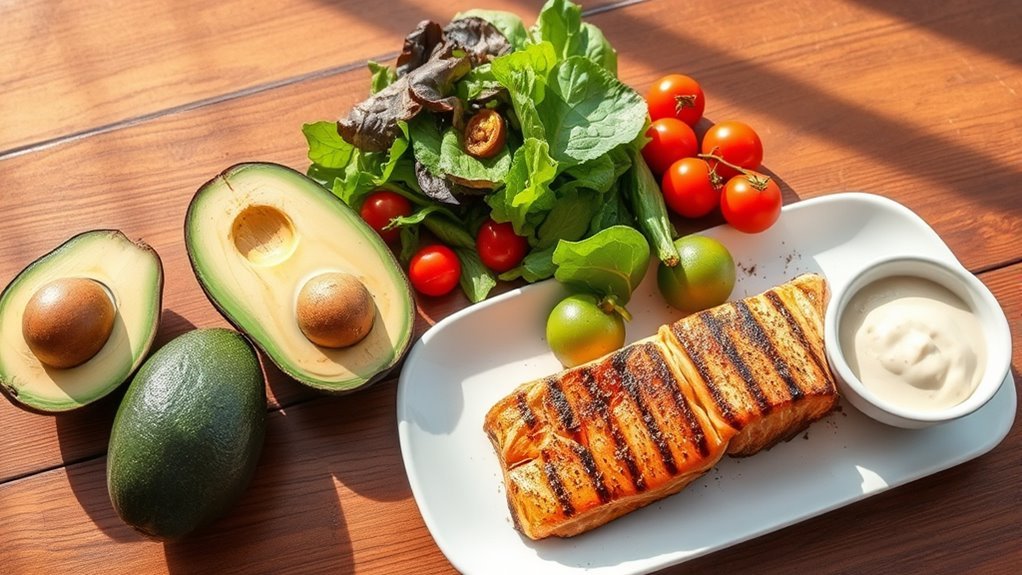

To eat keto, focus on a low-carb, high-fat diet that pushes your body into ketosis, where it burns fat for energy. Include healthy fats like avocados and olive oil, and choose proteins such as grass-fed beef and fatty fish. Fill up on low-carb vegetables like spinach and zucchini while avoiding sugar, grains, and starchy vegetables. Meal prep and keep keto-friendly snacks handy to manage cravings. With these tips, you’ll discover even more ways to stay on track.
Understanding Ketosis and the Keto Diet
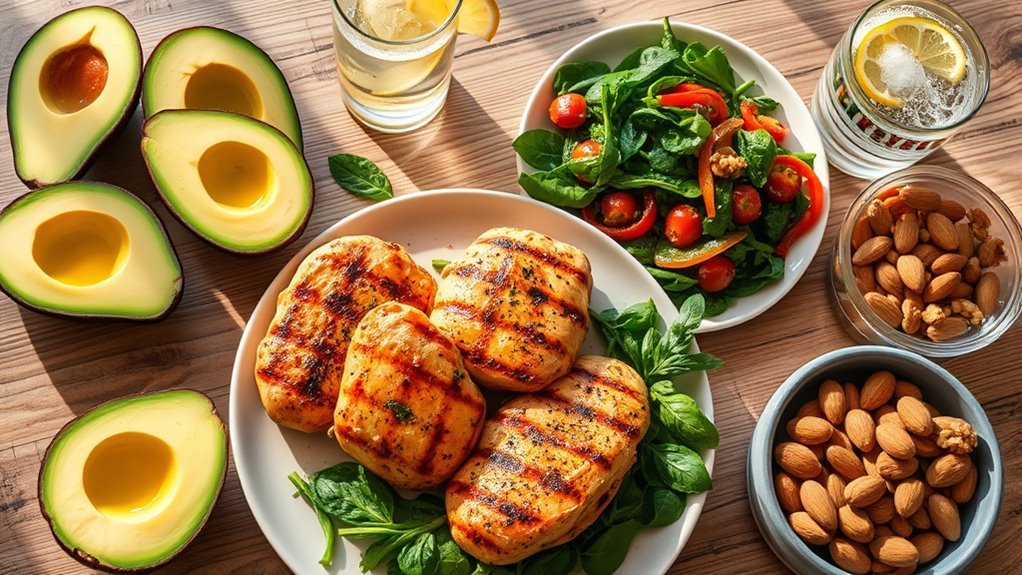
When you plunge into the keto diet, it’s essential to understand ketosis, the metabolic state that fuels this way of eating. This process occurs when your body shifts from burning glucose to burning fat for fuel. The ketosis benefits are significant, including improved energy levels, weight loss, and better mental clarity. However, there are many keto misconceptions that can cloud your understanding. For instance, some think you can’t enjoy your favorite foods or that it’s unhealthy. In reality, a well-formulated keto diet can be both satisfying and nutritious. Embracing this lifestyle means freeing yourself from constant hunger and blood sugar spikes, allowing you to thrive. Understanding ketosis is your first step to a healthier, more liberated you.
Foods to Include in Your Keto Meal Plan
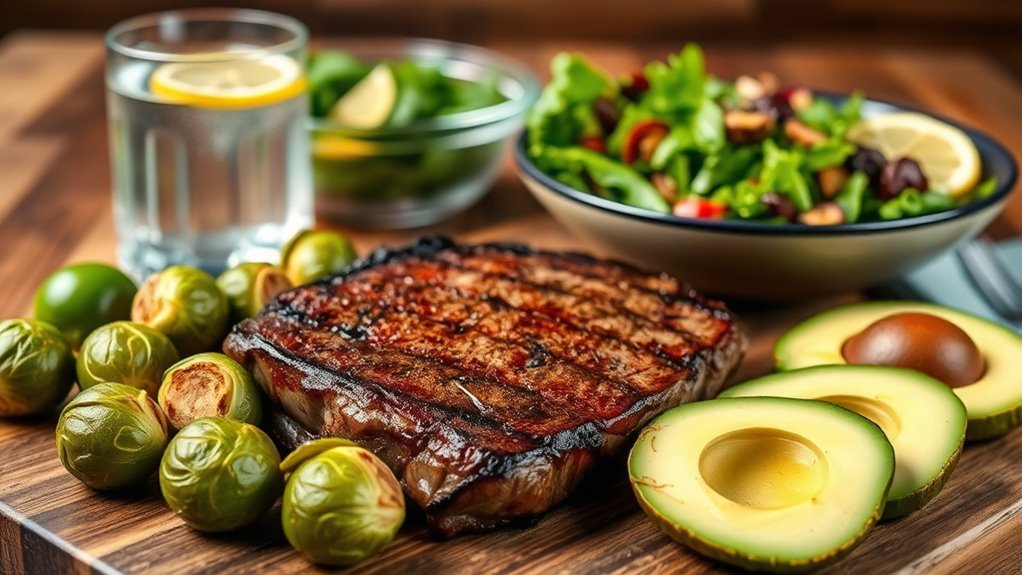
To successfully adopt a keto lifestyle, it’s important to know which foods will help you achieve and maintain ketosis. Focus on incorporating healthy fats like avocados, olive oil, and coconut oil into your meals. These fats not only fuel your body but also keep you satiated. Low-carb vegetables, such as spinach, broccoli, and zucchini, are essential for nutrients without the carbs. Don’t forget about proteins; options like grass-fed beef, chicken, and fatty fish are excellent choices. For keto snacks, consider nuts, cheese, or hard-boiled eggs for quick, satisfying bites. By selecting these foods, you’ll create a diverse and enjoyable meal plan that keeps you energized and supports your freedom to eat deliciously while staying on track.
Foods to Avoid on a Keto Diet

While embracing a keto diet, it’s important to steer clear of certain foods that can hinder your progress toward ketosis. Many people have common misconceptions about what to avoid, thinking that all fats are good. Here are the foods you should limit or eliminate:
| Food Type | Examples | Snack Alternatives |
|---|---|---|
| Sugary Foods | Candy, soda, desserts | Nuts, cheese, olives |
| Grains | Bread, pasta, rice | Veggie sticks, jerky |
| Starchy Vegetables | Potatoes, corn, peas | Leafy greens, cauliflower |
| High-carb Fruits | Bananas, grapes, apples | Berries in moderation |
Tips for Meal Planning and Preparation
Successfully steering through a keto diet requires more than just knowing what to avoid; meal planning and preparation play a pivotal role in maintaining your dietary goals. Start by creating a weekly menu that emphasizes low-carb options. When grocery shopping, stick to the perimeter of the store where fresh produce, meats, and dairy are located. This will help you avoid high-carb temptations in the aisles. For meal prep, consider batch cooking proteins and veggies to save time during the week. Don’t forget to use airtight containers to keep meals fresh. Finally, always keep keto-friendly snacks on hand to curb cravings. With a little planning, you’ll feel empowered and free to enjoy your keto journey!
Staying on Track and Overcoming Challenges
Staying committed to a keto diet can be challenging, especially when faced with social situations, cravings, or unexpected events. To navigate these hurdles, use motivation techniques that resonate with you. Visualize your goals and remind yourself why you chose keto in the first place. In social settings, plan ahead—look at menus in advance or suggest keto-friendly venues. If cravings strike, have low-carb snacks on hand to keep you satisfied. Remember, it’s okay to indulge occasionally; just get back on track afterward. Surround yourself with supportive friends or online communities who understand your journey. By employing these strategies, you can maintain your freedom while enjoying the benefits of a keto lifestyle, even in challenging moments.
What is the ketogenic diet?
The ketogenic diet, often referred to as the keto diet, is a low-carbohydrate, high-fat diet that aims to shift the body’s metabolism from burning carbohydrates to burning fats. Typically, the diet consists of about 70-75% fats, 20-25% proteins, and only 5-10% carbohydrates. This shift encourages the body to enter a state called ketosis, where it becomes more efficient at burning fat for energy.
What foods can I eat on a keto diet?
On a keto diet, you can enjoy a variety of foods that are high in healthy fats and low in carbohydrates. Some examples include:
- Meats: beef, pork, chicken, and turkey.
- Fish: particularly fatty fish like salmon and mackerel.
- Low-carb vegetables: leafy greens, broccoli, cauliflower, and zucchini.
- Dairy: high-fat options like cheese, butter, and cream.
- Nuts and seeds: almonds, walnuts, chia seeds, and flaxseeds.
- Healthy oils: olive oil, coconut oil, and avocado oil.
Avoid foods high in sugar and carbohydrates, such as bread, pasta, rice, and most fruits.
What are the benefits of following a keto diet?
The ketogenic diet offers several potential benefits, including:
- Weight Loss: Many people experience significant weight loss due to fat burning and reduced hunger.
- Improved Blood Sugar Control: The diet can help stabilize blood sugar levels, which may be beneficial for individuals with type 2 diabetes.
- Increased Energy Levels: Once fully adapted, many individuals report higher energy levels due to the efficient use of fat for fuel.
- Enhanced Mental Clarity: Some studies suggest that ketones, the byproducts of fat metabolism, may enhance brain function.
Are there any side effects of the keto diet?
While many people thrive on a keto diet, some may experience side effects, especially during the initial transition phase, often referred to as the “keto flu.” Common side effects can include:
- Fatigue and lethargy
- Headaches
- Nausea and digestive issues
- Irritability
These symptoms usually subside within a few days to a week. Staying hydrated, ensuring adequate electrolyte intake, and gradually reducing carbohydrate intake can help alleviate these effects.
How can I ensure I stay in ketosis?
To maintain ketosis, you should:
- Monitor Your Carb Intake: Keep your daily carbohydrate intake low, typically below 20-50 grams.
- Track Your Macros: Use apps or journals to track your daily fat, protein, and carbohydrate intake.
- Stay Hydrated: Drink plenty of water and consider electrolyte supplements to prevent imbalances.
- Be Mindful of Hidden Carbs: Check labels for sugars and carbohydrates in packaged foods.
Regular testing of ketone levels through urine strips or blood meters can also help you confirm whether you are in ketosis.
References
- https://en.wikipedia.org/wiki/Ketogenic_diet
- https://www.health.harvard.edu/staying-healthy/the-ketogenic-diet
- https://www.ncbi.nlm.nih.gov/pmc/articles/PMC5852209/
- https://www.mayoclinic.org/healthy-lifestyle/nutrition-and-healthy-eating/expert-answers/ketogenic-diet/faq-20458923
- https://www.cdc.gov/healthyweight/healthy_eating/dietary_guidelines.html
- https://www.eatright.org/health/dietary-guidelines-and-myplate/what-is-a-ketogenic-diet
- https://www.cambridge.org/core/journals/british-journal-of-nutrition/article/ketogenic-diets-and-ketosis-in-weight-management-and-obesity/a1e7d9c3e5d3c67e9ca0c8af8f2e1a8b