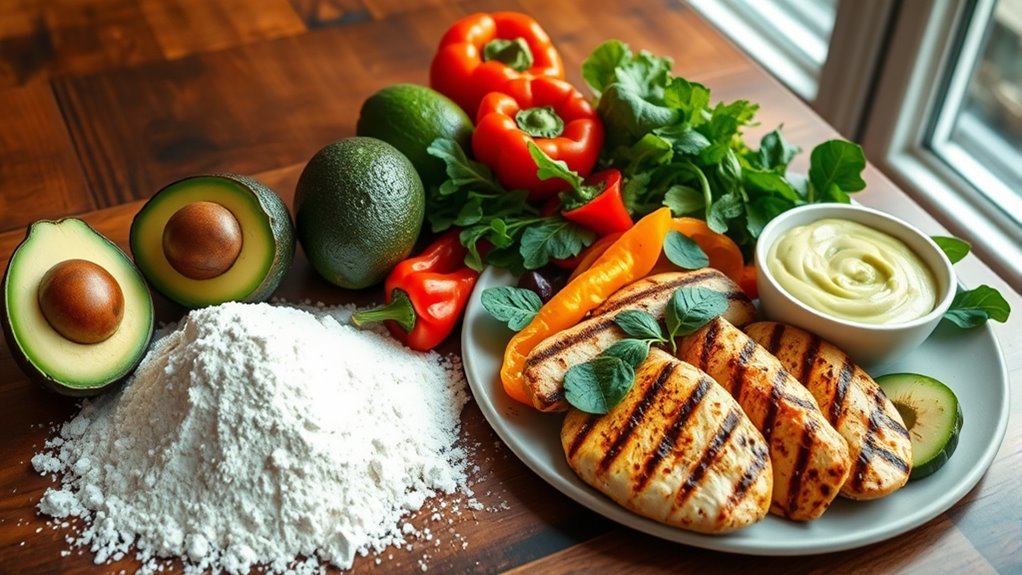

To do the keto diet, you’ll need to drastically reduce carbohydrates and increase healthy fats. Focus on nutrient-dense foods like avocados, fatty fish, and low-carb vegetables while maintaining protein intake. It’s crucial to monitor your portion sizes and stay hydrated to manage the keto flu symptoms. Regular meal timing and exercise can enhance your results, making the shift smoother. With this approach, you can enjoy lasting health benefits, and there’s more to discover about optimizing your journey.
Understanding the Ketogenic Diet
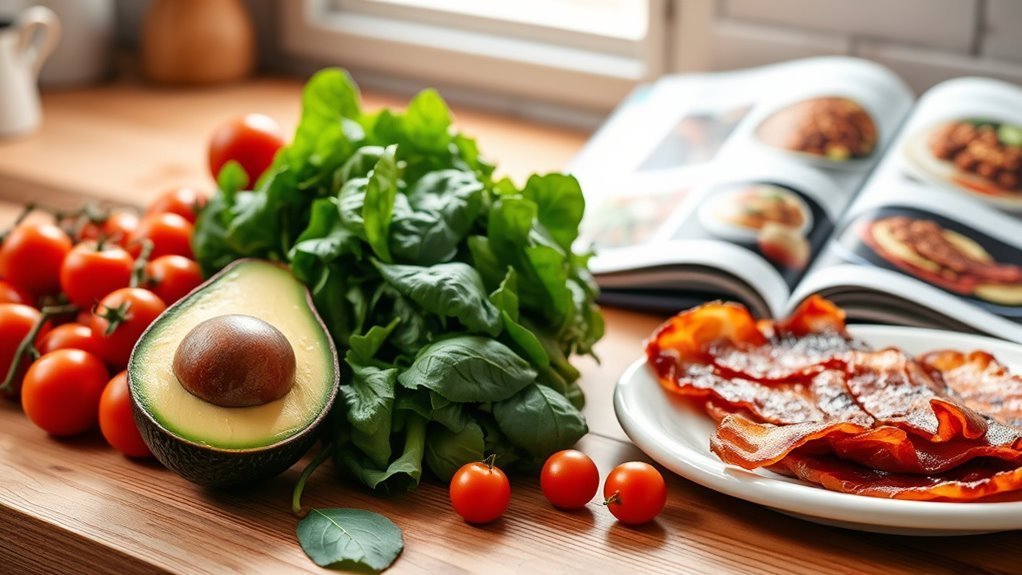
Understanding the ketogenic diet can be essential if you’re considering this popular eating plan. At its core, keto focuses on high-fat, low-carb intake, aiming to shift your body into a state of ketosis, where it burns fat for fuel. However, many keto misconceptions can cloud your judgment. For instance, a common myth is that you can eat unlimited fats without consequences; moderation remains key. Another misconception is that keto is only for weight loss, but it may also support mental clarity and energy levels. By staying informed and recognizing these keto myths, you can approach the diet with a clear perspective, empowering yourself to make choices that align with your health goals. Embrace the freedom to explore this dietary lifestyle wisely.
Benefits of Going Keto
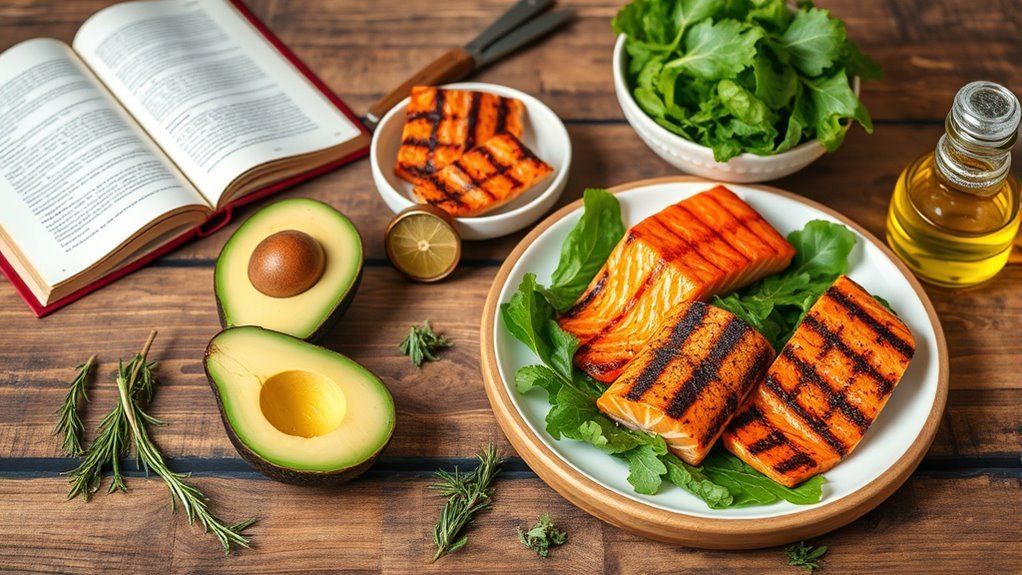
One of the most enticing aspects of the ketogenic diet is its potential to promote significant weight loss. By shifting your body into ketosis, you’re likely to experience appetite control, making it easier to manage your caloric intake. Additionally, many people report enhanced mental clarity and improved energy levels, which can help you stay active and focused throughout the day. The keto diet may also support better blood sugar regulation, benefiting those with insulin sensitivity. Moreover, it’s linked to heart health improvements and can reduce inflammation, promoting overall wellness. You might even find digestive benefits as your body adapts to a lower-carb, higher-fat lifestyle. Embracing the keto diet can empower you to take charge of your health.
Key Principles of the Keto Diet

To successfully navigate the ketogenic diet, it’s essential to grasp its core principles, which revolve around drastically reducing carbohydrate intake and increasing fat consumption. Many keto misconceptions suggest that you can eat unlimited fats without consideration. In reality, balance is key; focus on healthy fats like avocados and nuts. Additionally, consider keto meal timing—eating at regular intervals can help stabilize your energy levels and curb cravings. It’s also vital to maintain adequate protein intake to support muscle health. Understanding these fundamentals allows you to tailor the keto approach to your lifestyle, promoting sustainable changes rather than temporary fixes. Embrace the freedom that comes with informed choices, and you’ll be better equipped to thrive on your keto journey.
Foods to Include in Your Keto Meal Plan
When planning your keto meals, it’s crucial to focus on healthy fat sources and low-carb vegetables. Foods like avocados, olive oil, and leafy greens not only support ketosis but also provide important nutrients. Incorporating these items can help you maintain energy levels while sticking to your dietary goals.
Healthy Fats Sources
While starting a keto diet, incorporating healthy fat sources is essential for achieving and maintaining ketosis. By choosing the right fats, you can enjoy the benefits of a high-fat lifestyle without compromising your health. Here are some great options to take into account:
- Avocado: Packed with healthy fats, avocado benefits your heart and keeps you satiated.
- Coconut oil: A versatile option that boosts ketone production and offers a quick energy source.
- Fatty fish: Salmon and mackerel are rich in omega-3 fatty acids, vital for overall well-being.
- Nut varieties and seeds selection: Almonds, walnuts, and chia seeds add flavor and valuable nutrients.
Don’t forget your favorite cheese options and butter types to enhance your meals!
Low-Carb Vegetables
Incorporating low-carb vegetables into your keto meal plan is an excellent way to maintain a balanced diet while keeping your carbohydrate intake in check. Focus on keto-friendly greens and nutrient-dense vegetables like spinach, zucchini, and broccoli. These low-carb options not only provide essential vitamins and minerals but also offer fiber-rich choices that can aid digestion.
Here’s a quick reference table for your meal planning:
| Vegetable | Carbs (per 100g) |
|---|---|
| Spinach | 1.1g |
| Zucchini | 3.1g |
| Cauliflower | 4.0g |
| Asparagus | 1.9g |
| Bell Peppers | 6.0g |
Experiment with various cooking techniques and seasonal vegetables to create delicious salad ideas and vegetable substitutions that keep your meals exciting!
Foods to Avoid on Keto
To successfully follow a keto diet, understanding which foods to avoid is essential, as these can greatly hinder your progress. Steering clear of high-carb items will help you maintain a state of ketosis. Here are some key foods to avoid:
- Sugary snacks: Many snacks, even those labeled as healthy, can contain hidden sugars that disrupt ketosis.
- Grains and starches: Foods like bread, pasta, and rice are high in carbohydrates and should be eliminated.
- Fruits: Most fruits are high in sugars; focus on low-carb options like berries if you want a keto snack.
- Legumes: Beans and lentils are nutritious but contain too many carbs for a keto diet.
Meal Planning and Preparation Tips
When you commit to a keto diet, effective meal planning and preparation become essential for maintaining your nutritional goals. Start by creating a weekly meal plan that includes keto-friendly foods, ensuring you have a variety of options to avoid monotony. When grocery shopping, stick to the perimeter of the store where fresh produce, meats, and dairy are usually found, while avoiding processed foods. Consider dedicating a couple of hours each week to keto meal prep; batch-cook proteins and chop veggies to save time. Use airtight containers to store meals, making it easier to grab and go. This approach not only enhances convenience but also helps you stay on track with your keto lifestyle, granting you the freedom to enjoy delicious meals without stress.
Managing the Keto Flu
When starting the keto diet, you might experience what’s known as the keto flu, which can include symptoms like fatigue, headaches, and irritability. Understanding these symptoms is essential, as they can be temporary reactions to your body adjusting to a low-carb lifestyle. There are several relief strategies you can consider to help ease these discomforts and make the shift smoother.
Symptoms of Keto Flu
As your body adjusts to a ketogenic diet, you might experience a range of symptoms commonly referred to as the “keto flu.” This temporary condition can arise as your system shifts from burning carbohydrates to utilizing fat for fuel, leading to effects like fatigue, headaches, irritability, and digestive issues. The duration of symptoms can vary, but they typically last from a few days to a week. It’s important to recognize these keto flu symptoms so you can better manage your experience. Here are some common symptoms to expect:
- Fatigue and low energy
- Headaches
- Irritability or mood swings
- Digestive disturbances
Understanding these symptoms can help you prepare for this shifting phase and keep your commitment to the keto diet strong.
Relief Strategies to Consider
Experiencing symptoms of the keto flu can be uncomfortable, but there are several strategies to help alleviate these effects and support your body during this adjustment period. Start with hydration strategies to maintain electrolyte balance; consider keto supplements like magnesium and potassium. Mindfulness techniques can help manage stress, while meal timing can enhance digestive health. Incorporating fasting benefits, such as intermittent fasting, might reduce cravings and improve your overall experience. Don’t underestimate the power of social support; sharing your journey can boost motivation. Finally, focus on cravings management by preparing satisfying, keto-friendly snacks. By implementing these strategies, you’ll navigate the keto flu more smoothly and empower yourself on this transformative journey.
Staying Motivated on Your Keto Journey
How can you keep your motivation high on your keto journey? Staying focused can be challenging, but with the right strategies, you can thrive. Surrounding yourself with keto accountability partners can help you stay on track, share successes, and navigate challenges together.
Here are some tips to boost your meal prep motivation:
- Set clear goals: Define what you want to achieve and celebrate small victories.
- Create a meal plan: Organizing your meals ahead of time minimizes stress and keeps you committed.
- Experiment with recipes: Keep things exciting by trying new keto-friendly dishes.
- Join a community: Engaging with others on the same journey can provide support and inspiration.
Incorporating Exercise With Keto
Incorporating exercise into your keto lifestyle can greatly enhance your results and overall well-being. Engaging in keto workouts, such as strength training and high-intensity interval training (HIIT), boosts metabolism and preserves muscle mass while you lose fat. Cardio routines, alongside flexibility exercises, improve cardiovascular health and maintain mobility, which are essential for a balanced approach. Outdoor activities can also keep things fresh and enjoyable, promoting a more sustainable fitness routine. Remember to prioritize workout nutrition to support your energy levels and recovery. Using fitness tracking apps can help you monitor progress and stay motivated. By blending exercise with your keto diet, you’ll not only achieve your goals faster but also feel empowered and invigorated on your journey.
Long-Term Success on the Keto Diet
While initiating the keto diet can lead to significant short-term weight loss, achieving long-term success requires a strategic approach and a commitment to sustainable habits. Embracing a keto mindset is essential for lifestyle integration, allowing you to adapt recipes and maintain meal variety.
To guarantee long-term sustainability, consider the following:
- Track your progress to identify patterns and overcome plateaus.
- Practice mindful eating, focusing on the quality of food and portion sizes.
- Engage in social situations by planning ahead and bringing keto-friendly options.
- Seek community support, sharing experiences and tips with others on the same journey.
Frequently Asked Questions about the Keto Diet
1. What is the Keto diet and how does it work?
The Keto diet, short for ketogenic diet, is a high-fat, moderate-protein, and very low-carbohydrate dietary plan. The primary goal of this diet is to shift your body’s metabolism from burning carbohydrates for energy to burning fat. When your carbohydrate intake is drastically reduced, your body enters a metabolic state called ketosis, where it becomes highly efficient at burning fat for fuel. This can lead to weight loss and improvements in various health markers.
2. What foods can I eat on a Keto diet?
On a Keto diet, you should focus on consuming high-fat, low-carb foods. This includes foods like avocados, nuts, seeds, oils (like olive oil and coconut oil), fatty fish, meats, eggs, and low-carb vegetables (such as spinach, kale, and broccoli). It’s important to avoid foods high in carbohydrates, such as bread, pasta, sugary snacks, and most fruits, as they can hinder your ability to achieve and maintain ketosis.
3. Are there any side effects of the Keto diet?
Yes, some people may experience side effects when starting the Keto diet, commonly referred to as the “Keto flu.” Symptoms can include fatigue, headaches, dizziness, nausea, and irritability as your body adjusts to burning fat for fuel instead of carbohydrates. These symptoms are usually temporary and can be mitigated by staying hydrated, replenishing electrolytes, and gradually reducing carbohydrate intake. Always consult with a healthcare professional before starting any new diet, especially if you have underlying health conditions.
4. How can I maintain ketosis while on the diet?
To maintain ketosis, it’s crucial to keep your carbohydrate intake very low—generally around 20 to 50 grams per day, depending on individual factors. Tracking your macronutrient intake using apps can help. Focus on eating high-quality fats, moderate protein, and low-carb vegetables. Additionally, incorporating intermittent fasting and regular exercise can support your metabolic state. Keep in mind that each person’s body responds differently, so you may need to adjust your intake based on how you feel and your progress.
5. Can I do the Keto diet long-term?
The Keto diet can be followed long-term for some individuals, particularly those who find it helps them manage their weight and improve their health. However, it may not be suitable for everyone, and long-term adherence can be challenging due to dietary restrictions. It’s essential to monitor your health and nutritional status regularly, and consider incorporating a balanced approach that includes a variety of food groups. Consulting with a healthcare professional or a registered dietitian can provide personalized guidance based on your health goals and needs.
References
- https://www.ncbi.nlm.nih.gov/pmc/articles/PMC6565417/
- https://www.health.harvard.edu/staying-healthy/what-is-the-keto-diet
- https://www.cdc.gov/healthyweight/healthy_eating/dietary_guidelines.html
- https://www.mayoclinic.org/healthy-lifestyle/nutrition-and-healthy-eating/in-depth/keto-diet/art-20459893
- https://www.webmd.com/diet/obesity/ss/slideshow-keto-diet
- https://www.nhlbi.nih.gov/health-topics/healthy-eating
- https://www.nutrition.gov/topics/nutrition-and-health/dietary-guidelines/what-ketogenic-diet
- https://www.verywellfit.com/what-is-the-ketogenic-diet-5211788

