To do the keto diet, drastically reduce your carbohydrate intake to about 20-50 grams per day and increase healthy fats like avocados, nuts, and olive oil. Focus on protein sources like grass-fed meats and fatty fish, while prioritizing low-carb vegetables for nutrients. Stay hydrated and monitor your portions to maintain ketosis, where your body burns fat for energy. Remember, there are common pitfalls to watch for and strategies to help you succeed on this journey.
Understanding the Keto Diet Principles
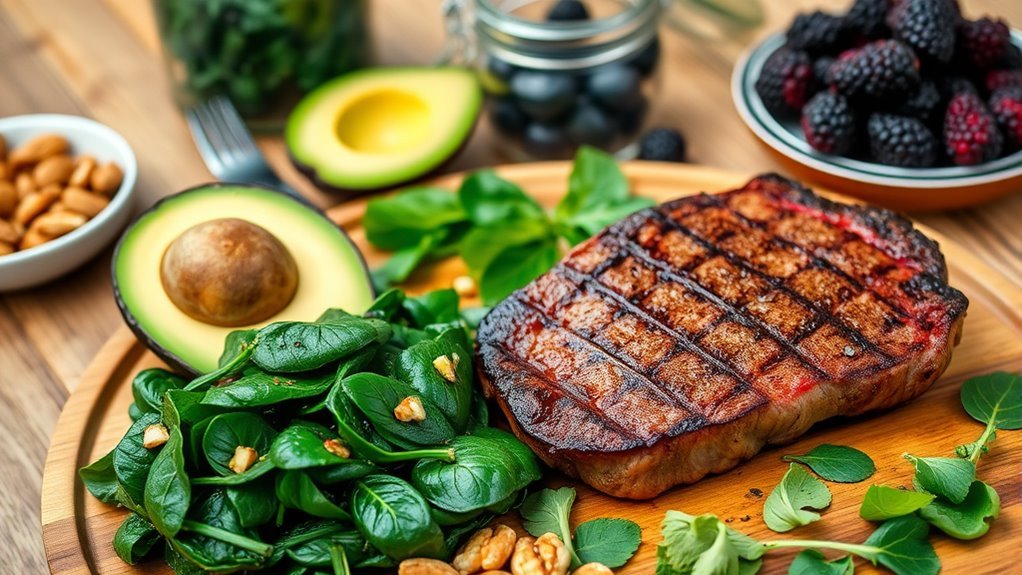
When you immerse yourself in the keto diet, it’s vital to grasp its fundamental principles. At its core, the ketogenic diet focuses on greatly reducing carbohydrate intake while increasing healthy fats. This shift encourages your body to enter a state of ketosis, where it burns fat for fuel instead of glucose. However, many people fall prey to keto misconceptions and myths, such as believing you can eat unlimited amounts of fat. In reality, balance is key; quality fats and portion control matter. Additionally, not all carbohydrates are created equal—focusing on low-carb vegetables is essential. Understanding these principles will empower you to navigate the diet effectively, allowing you the freedom to enjoy its benefits without misconceptions holding you back.
The Science Behind Ketosis
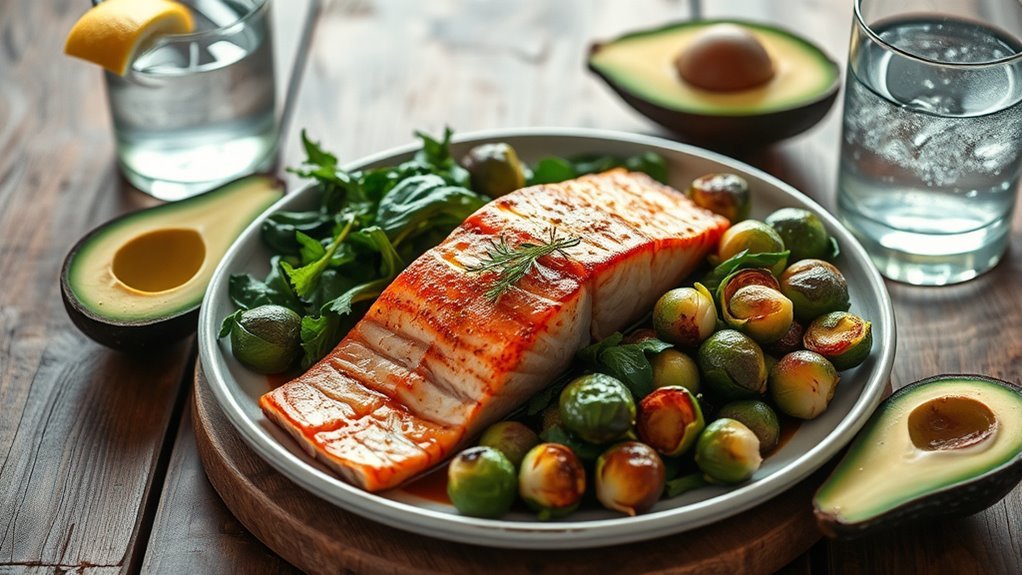
Ketosis is a metabolic state where your body shifts from using glucose to fat as its primary energy source. This process not only aids in weight loss but also offers various health benefits, such as improved mental clarity and reduced inflammation. Understanding how ketosis works can help you maximize the effectiveness of your keto diet.
What Is Ketosis?
The process of ketosis is a metabolic state that occurs when your body shifts from using glucose as its primary fuel source to burning fat for energy. During this change, you may experience various ketosis symptoms, which can vary in intensity and duration. Here’s what to expect:
- Increased Ketones: Your liver produces ketones from fat stores.
- Fat Loss: As your body adapts, it becomes efficient at burning fat.
- Reduced Hunger: Many find they feel less hungry due to stabilized blood sugar levels.
- Fatigue or Brain Fog: Initially, you might feel tired as your body adjusts, but this is usually temporary.
Understanding these aspects can help you navigate ketosis duration and make the most of your keto journey.
Benefits of Ketosis
While many people pursue the keto diet for weight loss, the benefits of ketosis extend beyond just shedding pounds. When your body enters ketosis, it starts burning fat for fuel, which can lead to sustained energy levels throughout the day. This fat-burning process not only aids in weight loss but also contributes to improved mental clarity. Many individuals report heightened focus and cognitive function while in ketosis, making it easier to tackle daily tasks. Additionally, ketosis can stabilize blood sugar levels, reducing cravings and promoting a sense of freedom from constant hunger. By embracing these ketosis benefits, you’re not just transforming your body; you’re also enhancing your overall well-being and mental performance. So, enjoy the journey!
Foods to Include in Your Keto Meal Plan
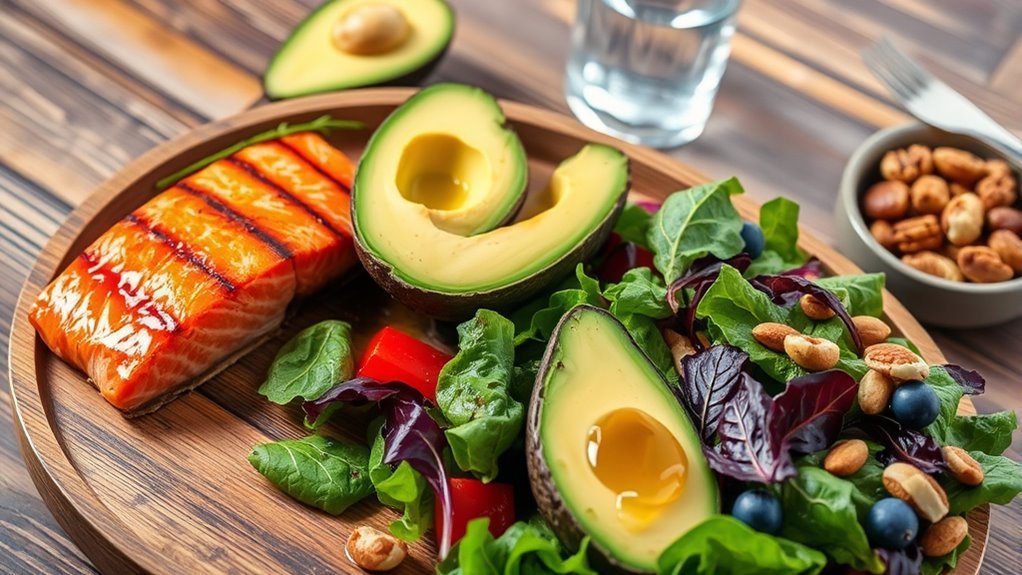
Starting on a keto diet means prioritizing low-carb, high-fat foods that can help your body enter and maintain ketosis. To create a delicious and satisfying meal plan, consider incorporating these foods:
- Protein Sources: Opt for grass-fed meats, eggs, and fatty fish to fuel your body.
- Healthy Fats: Use olive oil, coconut oil, and avocado for cooking and dressings.
- Low Carb Vegetables: Fill your plate with leafy greens, broccoli, and zucchini for essential nutrients.
- Keto Snack Ideas: Keep nuts, cheese, and keto-friendly desserts handy for quick bites.
With these options, you’ll enjoy meal variety while sticking to your keto goals. Don’t forget to explore different beverage options, too!
Foods to Avoid on the Keto Diet
To successfully maintain a keto diet, it’s essential to steer clear of high-carb foods that can hinder your progress toward ketosis. This means avoiding sugary snacks, bread, pasta, and starchy vegetables like potatoes and corn. Instead, consider keto friendly snacks such as nuts, cheese, and avocados, which provide healthy fats without the carbs. Additionally, be cautious with high carb drinks, including sodas, fruit juices, and sweetened coffee, as they can quickly spike your carbohydrate intake. Always read labels to verify you’re making informed choices. By consciously avoiding these high-carb options, you’ll enhance your chances of achieving and maintaining ketosis, allowing you the freedom to enjoy the benefits of a ketogenic lifestyle.
Tips for Staying on Track With Keto
Staying on track with the keto diet can be challenging, but a few key strategies can make a big difference. Meal prepping your meals, closely monitoring your carb intake, and ensuring you stay hydrated daily are effective ways to maintain your commitment. By incorporating these tips, you’ll find it easier to adhere to your goals and enjoy the benefits of keto.
Meal Prep Strategies
While meal prepping might seem intimidating at first, it’s one of the most effective strategies for sticking to a keto diet. With the right approach, you can enjoy freedom in your choices while staying on track. Here are some meal prep strategies to take into account:
- Plan Your Meals: Take time each week to decide on your meals. This will make grocery shopping easier and more focused.
- Invest in Meal Prep Containers: Use clear, portion-sized containers to store your meals. This helps you see what’s available and keeps you organized.
- Batch Cook: Prepare large quantities of keto-friendly meals at once. This saves time and guarantees you always have something ready.
- Label Everything: Clearly label containers with meal names and dates to avoid confusion.
These strategies will simplify your keto journey!
Monitoring Carb Intake
Monitoring your carb intake is essential for achieving and maintaining ketosis on a keto diet. To stay on track, effective carb counting is key. Start by determining your daily carb limit, typically around 20 to 50 grams. Use apps or food diaries for tracking carbs, which can help you stay aware of what you’re consuming. Pay attention to hidden carbs in sauces and snacks, as they can add up quickly. It’s also beneficial to read nutrition labels carefully. By monitoring your intake regularly, you’ll not only keep your carb levels in check but also gain a better understanding of your food choices. This awareness empowers you to enjoy the freedom of a keto lifestyle without derailing your progress.
Stay Hydrated Daily
To maintain ideal health on a keto diet, it’s essential to prioritize hydration, as adequate fluid intake supports metabolic processes and helps prevent common side effects such as fatigue and headaches. Here are some hydration tips to keep you on track:
- Drink Water: Aim for at least 8-10 cups of water a day to support optimal water intake.
- Monitor Electrolytes: Consider adding electrolytes to your water, especially sodium, potassium, and magnesium, to maintain balance.
- Set Reminders: Use a phone app or timer to remind yourself to drink water throughout the day.
- Infuse Your Water: Add lemon, cucumber, or herbs for a revitalizing twist that encourages you to drink more.
Stay committed to your hydration goals, and you’ll feel the benefits!
Common Mistakes to Avoid
As you begin your keto journey, it’s essential to be aware of common mistakes that can derail your progress. Many people fall prey to keto misconceptions, like believing all carbs are bad. It’s vital to differentiate between healthy and unhealthy carbs to avoid carb confusion.
Here are some mistakes to watch out for:
| Mistake | Impact |
|---|---|
| Skipping meals | Slows metabolism |
| Overeating protein | Can hinder ketosis |
| Ignoring hidden carbs | Breaks your carb limit |
| Not tracking macros | Leads to imbalances |
| Neglecting electrolytes | Causes fatigue and cramping |
Being mindful of these pitfalls will empower you to embrace the freedom that keto can offer while maintaining your health.
Monitoring Your Progress and Adjusting Your Diet
After identifying common pitfalls, the next step is to measure your progress and make necessary adjustments to your keto diet. Effective progress tracking can help you stay on course and adapt your approach for better results. Here are four key strategies:
- Keep a Food Diary: Document what you eat to spot trends and make diet adjustments.
- Monitor Ketone Levels: Use ketone testing strips to verify you’re in ketosis.
- Track Your Weight and Measurements: Regularly weigh yourself and measure body fat to gauge your success.
- Evaluate Energy Levels: Pay attention to how you feel; fatigue might signal the need for more carbs or nutrients.
Frequently Asked Questions about the Keto Diet
What is the Keto Diet?
The Keto Diet, or ketogenic diet, is a high-fat, low-carbohydrate eating plan designed to put your body into a state of ketosis. In ketosis, your body becomes efficient at burning fat for energy instead of carbohydrates. Typically, the macronutrient breakdown of a Keto diet consists of about 70-75% fats, 20-25% protein, and only 5-10% carbohydrates. This significant reduction in carbs helps to lower insulin levels and can lead to various health benefits, including weight loss and improved mental clarity.
What foods can I eat on the Keto Diet?
On the Keto Diet, you should focus on consuming high-fat, low-carb foods. This includes avocados, nuts and seeds, healthy oils (like olive oil and coconut oil), fatty fish, meats, full-fat dairy products, and low-carb vegetables (such as leafy greens, broccoli, and cauliflower). It is important to avoid foods high in carbohydrates, such as grains, sugars, starchy vegetables, and most fruits. Always check food labels for hidden sugars or carbs when shopping.
What are the potential side effects of the Keto Diet?
While many people experience positive effects on the Keto Diet, some may encounter side effects, especially during the initial transition period known as the “keto flu.” Common side effects may include fatigue, headaches, nausea, dizziness, irritability, and difficulty sleeping. These symptoms usually resolve within a few days to weeks. Staying hydrated, consuming electrolytes, and gradually reducing carbohydrate intake can help ease the transition. Always consult with a healthcare professional before starting any new diet.
How long does it take to enter ketosis?
The time it takes to enter ketosis can vary from person to person and typically ranges from 2 to 7 days after starting the Keto Diet. Factors that influence this timeframe include your previous carbohydrate intake, activity level, metabolism, and individual body chemistry. To expedite the process, some people may choose to adopt strategies such as intermittent fasting or increasing physical activity. Testing ketone levels with urine strips or blood tests can help you determine when your body has achieved ketosis.
Is the Keto Diet safe for everyone?
While the Keto Diet can offer benefits for many, it is not suitable for everyone. Individuals with certain medical conditions, such as pancreatitis, liver disease, or gallbladder issues, should avoid the diet. Additionally, those with diabetes or other metabolic disorders should consult their healthcare provider before starting. Pregnant or breastfeeding women are also advised to seek professional guidance. It’s important to listen to your body and make adjustments as needed while monitoring your health during the diet.
References
- https://www.ncbi.nlm.nih.gov/pmc/articles/PMC7022352/
- https://www.healthline.com/nutrition/ketogenic-diet-101
- https://www.webmd.com/diet/obesity/ss/slideshow-keto-diet
- https://www.cdc.gov/healthyweight/assessing/bmi/adult_bmi/english_bmi_calculator/bmi_calculator.html
- https://www.mayoclinic.org/healthy-lifestyle/nutrition-and-healthy-eating/expert-answers/keto-diet/faq-20465776
- https://www.hsph.harvard.edu/nutritionsource/healthy-weight/diet-reviews/ketogenic-diet/