

To count carbs on keto, focus on net carbs by subtracting fiber and certain sugar alcohols from total carbs. Stick to whole foods and keep total carbs low, ideally under 5 grams per serving. Use apps like MyFitnessPal or Carb Manager to track your intake efficiently. Pay attention to serving sizes and hidden carbs in sauces or dressings. For more tips on meal planning, portion control, and avoiding common mistakes, keep exploring the resources available.
Understanding Carbohydrates: Types and Sources

Carbohydrates play an essential role in our diets, but not all carbs are created equal. Understanding carbohydrate classification helps you navigate your choices more effectively. Broadly, carbs can be categorized into simple and complex carbohydrates. Simple carbs, found in sugars like candy and soda, provide quick energy but can lead to crashes. Complex carbs, such as those in whole grains and vegetables, offer lasting energy and essential nutrients. When searching for healthy carbohydrate sources, focus on whole foods that promote well-being rather than processed options. By making informed decisions about the types and sources of carbohydrates you consume, you empower yourself to thrive on your dietary journey, enjoying the freedom that comes with understanding what fuels your body best.
The Importance of Net Carbs on Keto
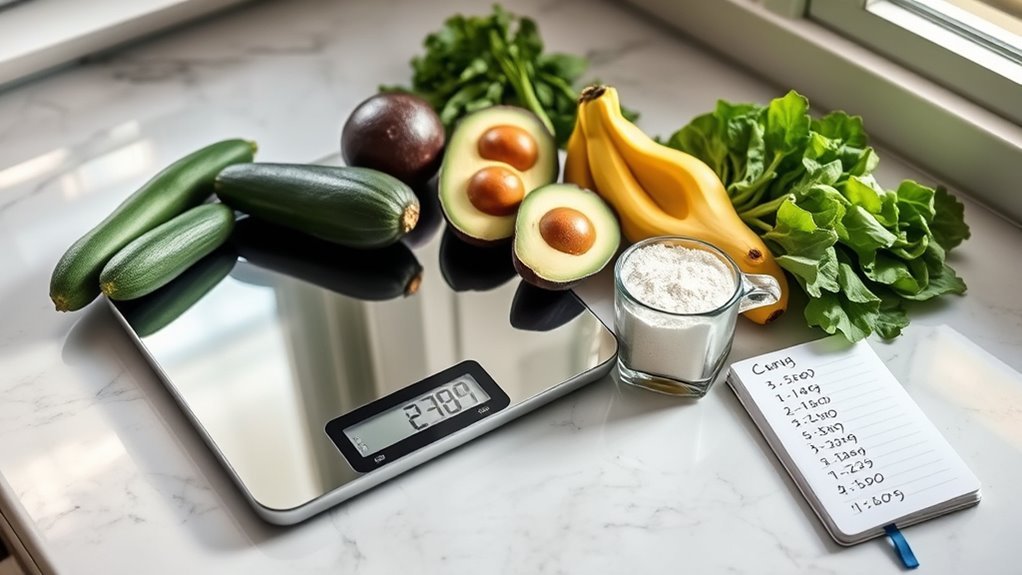
While many people focus on total carbohydrate intake, understanding the concept of net carbs is essential for those following a ketogenic diet. Net carbs are calculated by subtracting fiber and certain sugar alcohols from total carbs, allowing for a more accurate carb ratio that aligns with your weight loss goals. By prioritizing net carbs, you can enjoy a wider variety of food choices without spiking your blood sugar levels. This approach supports better energy levels and encourages adherence to dietary guidelines, making it easier to maintain nutritional balance. Additionally, meal timing can enhance the health benefits of your keto diet, helping you maximize fat burning while ensuring you feel satisfied and energized throughout the day.
Tools for Tracking Carbs Effectively
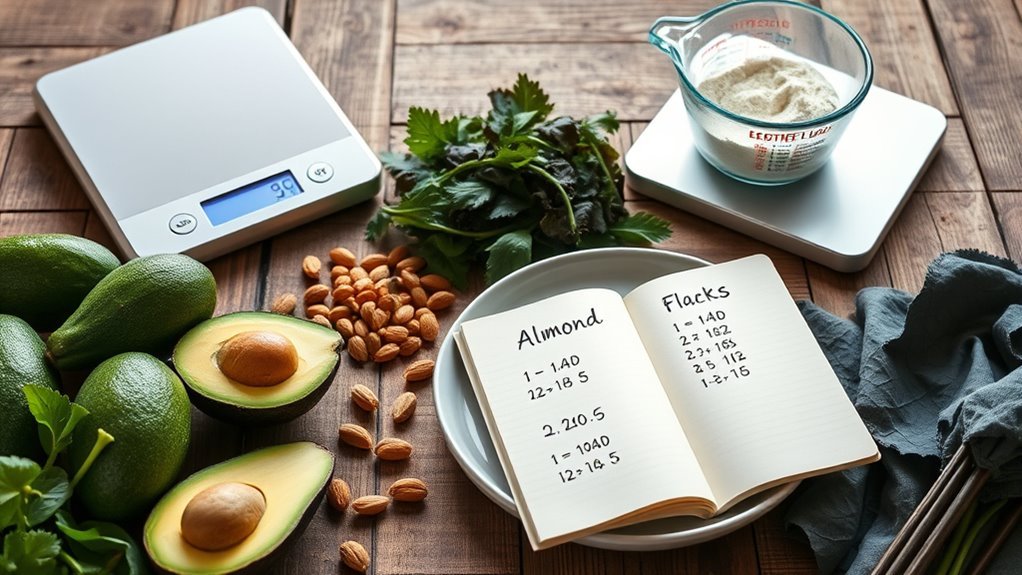
Tracking your carbs effectively is essential for staying on course with your keto diet. Mobile apps can simplify the process by providing easy access to nutritional information, while traditional food diaries allow for personalized tracking. Both methods have their benefits, and finding the right one for you can make all the difference in your keto journey.
Mobile Apps Assistance
Finding the right mobile app can make a significant difference in how effectively you track your carb intake on a ketogenic diet. Here are some app recommendations based on tracking features, user reviews, and interface usability:
| App Name | Key Features | Integration Options |
|---|---|---|
| MyFitnessPal | Calorie counting, goal setting | Fitbit, Apple Health |
| Carb Manager | Progress tracking, food database | Google Fit |
| Cronometer | Detailed nutrient breakdown | Wearable devices |
| Lose It! | User-friendly interface | HealthKit, fitness trackers |
| FatSecret | Community support, barcode scanner | Sync with health apps |
Using these tools, you can streamline your carb counting journey, gain insights, and maintain your freedom on the keto path.
Food Diary Methods
A food diary can be an invaluable tool for effectively managing your carbohydrate intake on a ketogenic diet. By engaging in daily tracking, you can gain insights into your eating habits and identify patterns that may impact your progress. Writing down what you eat not only helps you stay accountable, but also serves as a visual reminder of your carb limits. You can use a simple notebook or digital tools to record meals, snacks, and even drinks. This method allows you to easily calculate your net carbs and adjust your choices as needed. Plus, reviewing your entries can help you make informed decisions, empowering you to embrace your keto journey with confidence and freedom.
Reading Nutrition Labels for Carb Counting
When you’re counting carbs on a keto diet, understanding nutrition labels is essential. You’ll want to pay attention to total carbs, net carbs, and the impact of fiber and sugar alcohols on your overall count. This knowledge can help you make informed choices and stay within your carb limits.
Understanding Total Carbs
Understanding total carbs is essential for anyone following a keto diet, as it allows you to effectively manage your carbohydrate intake. When you read nutrition labels, focus on the total carb calculation to guarantee you stay within your daily limits. Here are a few carb counting techniques to help you:
- Always check serving sizes to avoid miscalculations.
- Look for products with lower total carbs, ideally under 5 grams per serving.
- Pay attention to hidden carbs in sauces and dressings.
- Keep a food diary to track your daily intake accurately.
Net Carbs Explained
Net carbs play a crucial role in the keto diet, as they represent the carbohydrates that directly impact your blood sugar levels. To calculate net carbs, you’ll subtract fiber and certain sugar alcohols from the total carbohydrates listed on nutrition labels. Fiber, a non-digestible carbohydrate, doesn’t raise blood sugar, so it’s excluded from your carb calculation. However, not all sugar alcohols affect blood sugar in the same way; some have minimal impact while others should be partially counted. Knowing the carbohydrate sources in your food helps you make informed choices that align with your keto goals. By focusing on net carbs, you can enjoy more freedom in your food selections while effectively managing your carb intake.
Fiber and Sugar Alcohols
Although reading nutrition labels may seem challenging at first, it’s essential for accurately counting carbs on a keto diet. When evaluating carbs, pay special attention to fiber and sugar alcohols, as these can greatly impact your net carb intake.
Here are some key points to keep in mind:
- Fiber Sources: Look for high-fiber foods like avocados, chia seeds, and leafy greens—these can lower your net carbs.
- Sugar Alcohols: Commonly found in low-carb products, sugar alcohols have fewer calories and carbs.
- Net Carbs Calculation: Subtract fiber and half of sugar alcohols from total carbs for a clearer carb count.
- Label Awareness: Always check labels, as different products may list fiber and sugar alcohols differently.
Being informed gives you the freedom to make better choices!
Portion Control and Serving Sizes
When it comes to managing your carbohydrate intake on a keto diet, mastering portion control and serving sizes is crucial. Understanding portion sizes helps you accurately count carbs, allowing you to stay within your daily limits. Start by measuring your meal portions, using a food scale or measuring cups as guides. This practice not only guarantees you’re eating the right amount but also prevents mindless snacking. Familiarize yourself with standard serving sizes for various foods, especially high-carb items like grains and fruits. By doing so, you’ll gain the freedom to enjoy a variety of foods while keeping your carb count in check. Remember, portion control isn’t restrictive; it empowers you to make informed choices that align with your keto goals.
Meal Planning for Low-Carb Success
To guarantee low-carb success on your keto journey, effective meal planning is essential. Start by organizing your meals around low-carb recipe ideas, ensuring you always have healthy options at hand. Here are some tips to streamline your meal prep:
- Create a grocery list focused on keto-friendly foods.
- Experiment with food swaps to keep meals interesting.
- Use kitchen tools like slow cookers for bulk cooking.
- Plan your meal timing to avoid hunger-driven snack options.
Common Mistakes to Avoid When Counting Carbs
Counting carbs on a keto diet can seem straightforward, but many people make common mistakes that can hinder their progress. Carb confusion often arises from miscalculating intake, especially if you’re ignoring hidden carbs in sauces or dressings. Neglecting portion sizes can lead to unintentional overconsumption, while overestimating fiber and underestimating sugars can skew your carb count. Skipping meal prep may cause you to rely on packaged foods, which often contain unexpected carbs, leading to more pitfalls. To avoid losing track of your carb intake, it’s essential to stay vigilant and label-conscious. By being aware of these traps, you can maintain the freedom and success you desire on your keto journey.
Staying Motivated and Adjusting Your Carb Intake
Staying motivated on a keto diet can be challenging, especially as you adjust your carb intake to find what works best for your body. To stay focused and committed, try these strategies:
- Set realistic goals: Break down your larger objectives into smaller, achievable steps.
- Celebrate milestones: Acknowledge your progress, whether it’s sticking to your carb limit for a week or losing a few pounds.
- Find support: Connect with friends, family, or online communities who share your keto journey.
- Stay flexible: Be open to adjusting your carb intake as you learn what makes you feel best.
These tips can help you maintain motivation and embrace your keto lifestyle with freedom and confidence.
Frequently Asked Questions about Counting Carbs on Keto
1. What are net carbs, and how do I calculate them on a keto diet?
Net carbs are the total carbohydrates in a food minus the fiber and any sugar alcohols that may not affect blood sugar levels. To calculate net carbs, use the formula: Net Carbs = Total Carbohydrates – Fiber – Sugar Alcohols. This is essential on a keto diet, as you want to keep your net carb intake low (typically under 20-50 grams per day) to maintain ketosis.
2. How do I track my carb intake effectively?
Tracking your carb intake can be done using several methods. Many people find success with apps such as MyFitnessPal or Cronometer, which allow you to log your meals and track macros easily. Alternatively, you can keep a manual food diary. Be sure to check nutrition labels and look up foods in databases to ensure accurate carb counts. Consistency is key, so try to log your meals as you go.
3. Are all carbs created equal on a keto diet?
No, not all carbs are created equal. On a keto diet, the focus should be on low-carb, high-fiber foods such as leafy greens, non-starchy vegetables, and certain nuts. These foods provide essential nutrients and fiber while keeping your net carbs low. In contrast, high-carb foods like bread, pasta, and sugary snacks should be avoided as they can spike your blood sugar and kick you out of ketosis.
4. What should I do if I accidentally exceed my carb limit?
If you accidentally exceed your carb limit, don’t panic. Firstly, assess what caused the excess and learn from it. You can return to stricter carb limits the following day to get back on track. Incorporating more physical activity can also help burn off those extra carbs. Remember, the keto diet is a long-term lifestyle change, so occasional slip-ups are normal. Focus on consistency over perfection.
5. Can I eat fruits on a keto diet?
Yes, you can eat fruits on a keto diet, but you need to choose wisely. Most fruits are high in sugar and carbs, making them less suitable for a keto lifestyle. However, berries like strawberries, raspberries, and blackberries can be enjoyed in moderation due to their lower sugar content. Always check the carb content and portion size to ensure you remain within your daily limits.
References
- https://www.ncbi.nlm.nih.gov/pmc/articles/PMC6470866/
- https://www.healthline.com/nutrition/how-to-count-carbs-on-keto
- https://www.diabetes.org/nutrition/understanding-carbohydrates
- https://www.webmd.com/diet/what-is-the-keto-diet
- https://www.mayoclinic.org/healthy-lifestyle/nutrition-and-healthy-eating/in-depth/keto-diet/art-20486809
- https://www.cdc.gov/healthyweight/healthy_eating/carbohydrates.html
- https://www.nutrition.gov/topics/nutrition-basics/carbohydrates