

The keto diet can lead to significant weight loss, with many individuals reporting an average loss of 1-2 pounds per week, especially in the initial stages. This low-carbohydrate, high-fat dietary approach not only helps in shedding pounds but also alters the way your body metabolizes energy. By focusing on the principles of ketosis, the keto diet can yield impressive results for those committed to following its guidelines. In this article, we will explore how weight loss varies on the keto diet, the factors influencing these results, and practical tips for maximizing success on your keto journey.
Understanding the Keto Diet

The keto diet focuses on high-fat, low-carbohydrate intake to induce a metabolic state known as ketosis. In ketosis, the body shifts from using glucose derived from carbohydrates as its primary fuel source to burning fat for energy. This shift occurs when carbohydrate intake is significantly reduced, typically to about 5-10% of total caloric intake, while fats account for approximately 70-75%, and proteins make up the remaining 20-25%.
The reduction of carbohydrates leads to decreased insulin levels, which in turn facilitates the release of stored fat into the bloodstream, where it can be converted into ketones for energy. This metabolic adaptation is why many individuals experience rapid weight loss in the initial phases of the diet. The keto diet is not just a fad; it has been studied for its effects on weight loss, diabetes management, and even neurological conditions.
Initial Weight Loss Expectations
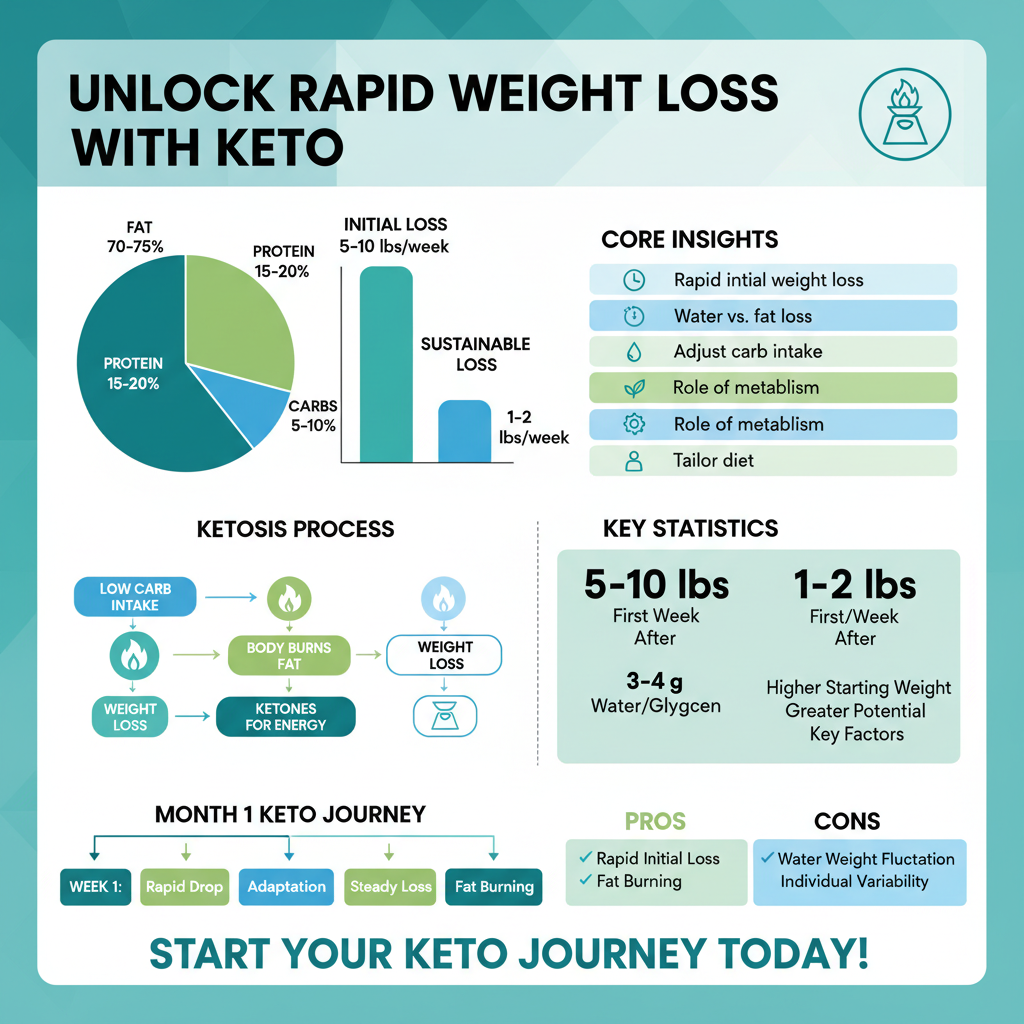

Many people experience rapid weight loss in the first week due to water loss. When carbohydrate intake is drastically reduced, the body depletes its glycogen stores, which are bound to water. For every gram of glycogen, approximately 3-4 grams of water are stored. Thus, when glycogen levels decrease, significant water weight is lost, leading to dramatic initial weight loss.
On average, individuals may lose between 5-10 pounds in the first week, which includes this glycogen depletion. However, it’s important to note that this initial loss is not purely fat loss; rather, it is a combination of water weight and some fat loss. As the diet progresses, weight loss typically stabilizes to a more sustainable rate of about 1-2 pounds per week as the body begins to adapt to fat as its primary fuel source.
Factors Influencing Weight Loss on Keto
Individual metabolism and starting weight significantly affect results on the keto diet. Individuals with a higher starting weight may experience more substantial initial weight loss compared to those who are already at a lower weight. This is due to the fact that more significant fat stores can lead to a greater caloric deficit.
Additionally, age and gender play crucial roles in weight loss rates. Research has shown that metabolic rates tend to decrease with age, which may slow down weight loss efforts in older adults. Similarly, hormonal differences between men and women can influence how each gender loses weight on the keto diet.
Sustaining Weight Loss Over Time
Long-term success on the keto diet requires adherence to dietary restrictions. Many individuals may find it challenging to maintain such a high-fat, low-carbohydrate approach over extended periods. To sustain weight loss, it is essential to develop a mindset geared towards long-term health rather than quick fixes.
Regular monitoring of macronutrient intake is crucial for maintaining ketosis and promoting ongoing weight loss. Utilizing food tracking apps or journals can help individuals stay accountable and ensure they are meeting their dietary goals. In addition, meal planning and preparation can significantly aid in sticking to the diet by reducing the likelihood of impulsive eating or falling back into old eating habits.
As individuals progress on their keto journey, they may also need to reassess their caloric intake and macronutrient ratios to continue losing weight. Adjusting these parameters can help overcome plateaus and optimize results.
Common Challenges and Solutions
While the keto diet offers many benefits, it is not without its challenges. One common hurdle is the “keto flu,” a collection of symptoms that some individuals experience during the initial transition into ketosis. Symptoms may include fatigue, headaches, irritability, and digestive issues.
To mitigate these side effects, it is essential to stay hydrated and ensure adequate electrolyte intake. Incorporating foods rich in potassium, magnesium, and sodium can help alleviate symptoms associated with the keto flu. Additionally, gradually reducing carbohydrate intake rather than making a sudden switch can help the body adjust to the changes more comfortably.
Another common challenge is the temptation of high-carbohydrate foods, which can be particularly difficult in social situations. Having a plan in place, such as bringing keto-friendly snacks or meals to gatherings, can help prevent straying from dietary goals.
Success Stories and Realistic Goals
Many keto dieters report steady weight loss after the initial phase, often sharing their success stories in various online communities and forums. These narratives highlight the importance of patience, persistence, and realistic goal setting.
Setting achievable goals, such as aiming for 1-2 pounds of weight loss per week, can promote motivation and psychological well-being. Celebrating small victories, whether it’s fitting into a smaller clothing size or achieving a personal best in physical activity, can also encourage continued adherence to the diet.
It is essential to remember that weight loss is not a linear process. There may be weeks of stagnation, but maintaining a positive mindset and focusing on overall health improvements can foster long-term success.
Tips for Maximizing Weight Loss on Keto
To enhance weight loss on the keto diet, incorporating exercise is highly beneficial. Engaging in both cardiovascular and strength training can improve fat burning while helping to preserve lean muscle mass. Exercise also supports overall health, improves mood, and can enhance the body’s metabolic flexibility.
Meal prepping and planning are also effective strategies for ensuring compliance with the keto diet. By preparing meals in advance, individuals can avoid the temptation of high-carb foods and maintain control over their dietary choices. Utilizing a variety of keto-friendly recipes can keep meal times interesting and enjoyable.
Additionally, staying connected with a community of fellow keto dieters can provide support, encouragement, and accountability. Online forums, social media groups, or local meet-ups can be valuable resources for sharing experiences, tips, and motivation.
Summarizing the key points, the keto diet can lead to notable weight loss, particularly in the early weeks, influenced by individual factors and adherence. If you’re considering the keto lifestyle, start by setting achievable goals and prepare to adjust your habits for long-term success. With commitment and the right strategies in place, embarking on your keto journey can be a fulfilling and transformative experience. Start your journey today!
Frequently Asked Questions
How much weight can I expect to lose on a keto diet in the first month?
On a ketogenic diet, many individuals experience rapid weight loss in the initial month, often ranging from 5 to 10 pounds or more. This initial drop is primarily due to the loss of water weight as your body depletes its glycogen stores. However, actual fat loss can vary based on factors like individual metabolism, starting weight, and adherence to the diet, so results may differ.
Why do some people lose weight faster on keto than others?
Weight loss on a keto diet can vary significantly among individuals due to factors such as metabolic rate, age, gender, and activity level. Additionally, adherence to the diet, the quality of food consumed, and pre-existing health conditions can also play a crucial role in how quickly someone loses weight. Understanding these variables can help set realistic expectations for your weight loss journey.
What is the best way to measure weight loss progress on a keto diet?
While the scale is a common way to track weight loss, it’s important to consider other methods for a more comprehensive view. Measuring body circumference, tracking body fat percentage, and noting how clothes fit can provide additional insights. Additionally, keeping a food and mood diary can help you understand how the keto diet impacts your body beyond just numbers on the scale.
How does the keto diet promote fat loss compared to other diets?
The keto diet promotes fat loss by significantly reducing carbohydrate intake, which leads to a metabolic state called ketosis, where the body burns fat for fuel instead of glucose. This shift can decrease hunger levels and reduce cravings, making it easier for individuals to maintain a calorie deficit. Furthermore, the high-fat content can help preserve muscle mass during weight loss, which is beneficial for long-term success.
Which foods should I focus on for effective weight loss on a keto diet?
For effective weight loss on a keto diet, focus on high-quality fats such as avocados, nuts, seeds, and olive oil, along with moderate amounts of protein from sources like fish, poultry, and eggs. Low-carb vegetables like leafy greens, broccoli, and cauliflower should also be staples. Prioritizing whole, minimally processed foods can enhance nutrient intake while keeping you in ketosis, ultimately supporting your weight loss goals.
References
- https://www.ncbi.nlm.nih.gov/pmc/articles/PMC5782010/
- https://www.health.harvard.edu/staying-healthy/the-ketogenic-diet
- https://www.cdc.gov/healthyweight/assessing/bmi/adult_bmi/english_bmi_calculator/bmi_calculator.html
- https://www.webmd.com/diet/obesity/ss/slideshow-keto-diet
- https://www.ncbi.nlm.nih.gov/pmc/articles/PMC7073485/
- https://www.mayoclinic.org/healthy-lifestyle/nutrition-and-healthy-eating/in-depth/keto-diet/art-20459703
- Effects of Resveratrol Supplementation in Patients with Non-Alcoholic Fatty Liver Disease—A Meta-…
- https://www.nutrition.org.uk/healthyliving/basics/the-keto-diet.html