

The keto diet can facilitate significant weight loss, typically resulting in a decrease of 5 to 10 pounds during the first week, followed by a steady loss of 1 to 2 pounds per week thereafter. This transformative low-carb approach focuses on shifting the body into a state of ketosis, where it primarily burns fat for fuel. As you embark on this journey, it’s essential to understand the factors influencing weight loss on the keto diet, strategies to maximize your results, and the realistic expectations you should have along the way.
Understanding the Keto Diet Basics

At its core, the ketogenic diet emphasizes a drastic reduction in carbohydrate intake, which is usually limited to 20-50 grams per day. This reduction is coupled with an increase in dietary fat, constituting about 70-75% of total daily calories, and a moderate protein intake of approximately 20-25%. The primary goal is to induce ketosis, a metabolic state in which the body becomes efficient at burning fat for energy instead of carbohydrates.
During the initial phase of the keto diet, individuals often experience rapid weight loss, primarily due to the depletion of glycogen stores in the liver and muscles, which are bound to water. Each gram of glycogen is stored with approximately 3 grams of water, leading to noticeable weight loss on the scale. However, it’s important to remember that this early drop in weight is not necessarily indicative of fat loss. The subsequent weeks typically yield more gradual weight loss, which is more representative of actual fat loss, as the body adapts to using fat as its primary energy source.
Factors Influencing Weight Loss on Keto
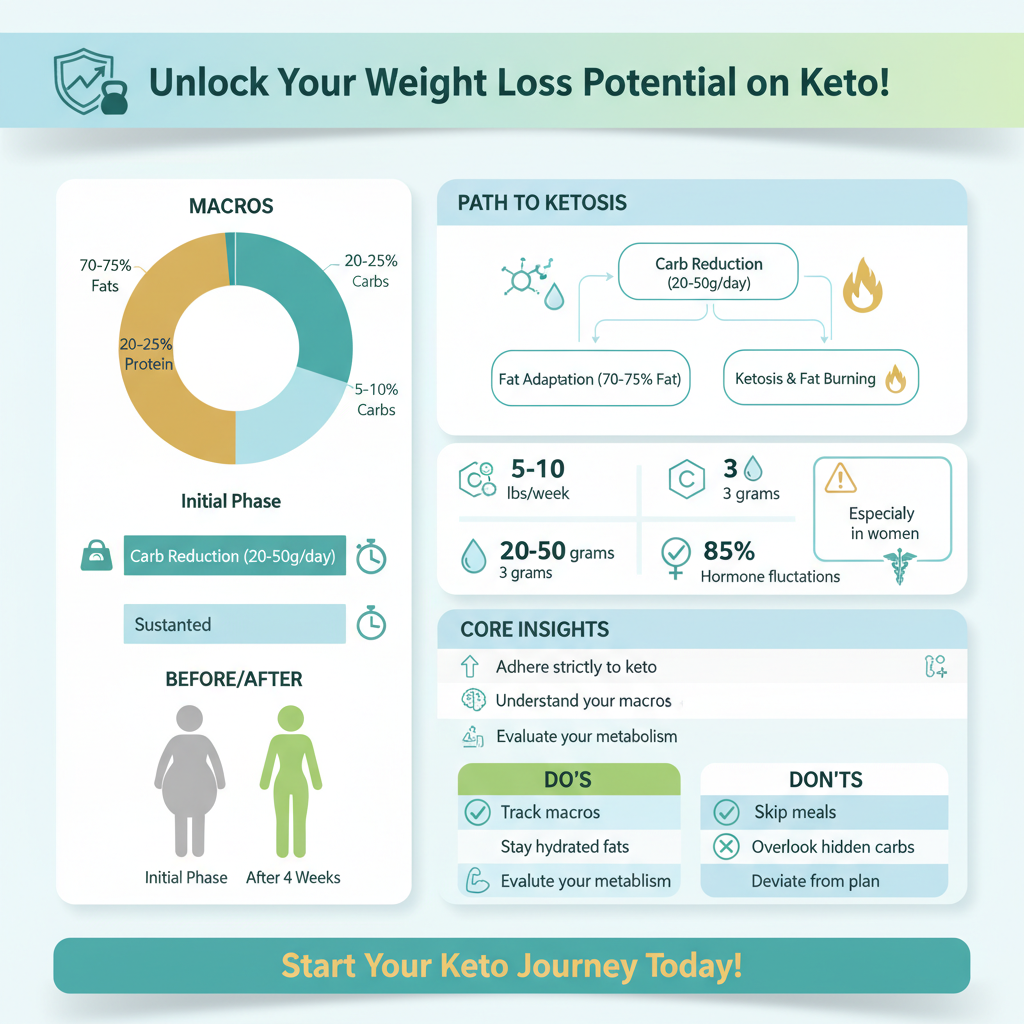

Several factors can significantly affect how much weight you lose on the keto diet. First and foremost, individual metabolic rates vary widely based on genetics, age, sex, and activity levels. Younger individuals or those with a naturally higher metabolism may experience faster results than others.
Another critical factor is adherence to the diet. Research shows that individuals who strictly follow keto guidelines—maintaining low carbohydrate intake, choosing appropriate fats, and consuming sufficient protein—tend to achieve more significant weight loss. Conversely, deviations from the diet can hinder progress, making it crucial to stay committed.
Additionally, hormonal balance plays a role in weight loss, particularly in women. Hormonal fluctuations during menstrual cycles can impact weight loss efforts, and conditions such as polycystic ovary syndrome (PCOS) can also affect metabolism, making it necessary to take a tailored approach to dieting.
The Role of Macros in Weight Loss
Understanding macronutrient ratios is paramount in achieving effective weight loss on the keto diet. To promote ketosis, it is generally recommended to consume around 70-75% of your daily calories from fats, 20% from protein, and only 5-10% from carbohydrates. Keeping carbohydrates under 20-50 grams daily is essential, as exceeding this limit can kick the body out of ketosis.In addition to tracking macronutrients, the quality of food sources also matters. Opt for high-quality fats, such as avocados, nuts, seeds, and olive oil, which not only provide essential nutrients but also enhance satiety. Avoid trans fats and highly processed oils, as these can negatively impact health and slow weight loss. By focusing on whole, nutrient-dense foods, you not only support weight loss but also improve overall health and well-being.
Common Keto Weight Loss Myths
Despite the growing popularity of the keto diet, several myths persist regarding weight loss. One prevalent misconception is that individuals can consume unlimited calories as long as they adhere to macronutrient ratios. However, portion control remains crucial for weight loss. Overeating even healthy fats can lead to a caloric surplus, hindering your weight loss efforts.
Another myth is the belief that all weight loss equates to fat loss. In reality, if protein intake is inadequate, muscle loss can occur alongside fat loss. This is particularly concerning for those aiming for long-term weight management, as maintaining muscle mass is essential for a healthy metabolism. Ensuring adequate protein intake—generally around 20-25% of total daily calories—can help mitigate muscle loss while promoting fat burning.
Tips for Maximizing Weight Loss on Keto
To optimize your weight loss results on the keto diet, consider incorporating regular exercise into your routine. A combination of strength training and cardiovascular workouts can help support fat loss while preserving lean muscle mass. Resistance training is particularly beneficial, as it enhances muscle growth and boosts metabolic rate.
Staying hydrated is another essential aspect of the keto journey. Dehydration can lead to fatigue and hinder performance, making it important to drink plenty of water. Additionally, consider electrolyte supplementation, as the initial phase of the keto diet can lead to imbalances in sodium, potassium, and magnesium levels, often referred to as the ‘keto flu.’ Proper hydration and electrolyte balance can alleviate symptoms and support overall well-being.What to Expect Over Time
As you progress on the keto diet, it’s common to experience a weight loss plateau after the initial rapid decrease. This is often a natural part of the weight loss process, and it’s essential to focus on long-term health instead of just the numbers on the scale. Remember that weight loss is not linear, and many factors, including metabolism and hormonal changes, can influence your results.
Regularly reassessing your diet and progress is vital. If you notice a plateau, consider adjusting your macronutrient ratios or reassessing your caloric intake. Sometimes, simply changing your food choices or increasing physical activity can reignite weight loss progress.
Maintaining Your Weight Loss
Reaching your weight loss goal is a significant achievement, but transitioning to a more balanced diet afterward is crucial to prevent regaining weight. This phase should include a gradual reintroduction of healthy carbohydrates, such as whole grains and fruits, while still focusing on maintaining a low-carb lifestyle.
Establishing a healthy lifestyle that includes a variety of whole foods, regular physical activity, and balanced meals will help sustain your weight loss. Consider adopting a flexible approach that allows for occasional indulgences while ensuring that the majority of your diet remains nutrient-dense. Engaging in community support groups or seeking advice from a nutrition expert can also provide motivation and accountability in maintaining your results.
Maintaining a realistic perspective on weight loss while on the keto diet is essential. By understanding the factors influencing your results and employing effective strategies, you can achieve and sustain your weight loss goals. With commitment, knowledge, and the right support system, your keto journey can lead to lasting health improvements and lifestyle changes.
Frequently Asked Questions
How much weight can I realistically expect to lose on the keto diet in the first month?
Many individuals can expect to lose anywhere from 5 to 10 pounds during the first month on the keto diet, primarily due to water weight loss as glycogen stores deplete. As your body adapts to ketosis, the fat-burning process becomes more efficient, leading to more sustainable weight loss in the following weeks. However, individual results may vary based on factors such as starting weight, adherence to the diet, and physical activity levels.
Why do some people lose weight faster on the keto diet than others?
Weight loss on the keto diet can vary significantly among individuals due to several factors, including metabolic rate, body composition, activity level, and adherence to the diet. Genetics also play a role; some people may naturally burn fat more efficiently or respond differently to carbohydrate restriction. Consistency in following the ketogenic guidelines and personal health conditions can further influence weight loss rates.
What is the best way to track my weight loss progress on the keto diet?
The best way to track your weight loss progress on the keto diet is to use a combination of methods. Weigh yourself weekly to monitor overall trends, but also take body measurements (like waist and hip circumference) and assess how your clothes fit to gauge fat loss. Additionally, consider tracking your ketone levels with urine strips or blood monitors to ensure you remain in ketosis, which is essential for effective weight loss.
Which foods should I focus on to maximize weight loss on the keto diet?
To maximize weight loss on the keto diet, focus on high-fat, low-carb foods such as avocados, nuts, seeds, fatty fish, and oils like olive or coconut oil. Incorporating non-starchy vegetables like leafy greens and cruciferous vegetables can provide essential nutrients while keeping carb intake low. Avoid processed foods and sugar, as they can hinder your progress and lead to weight gain instead of loss.
How does exercise impact weight loss while on the keto diet?
Exercise can significantly enhance weight loss on the keto diet by increasing your calorie expenditure and promoting muscle retention as you lose fat. While many people may initially feel a decrease in energy during the adaptation phase, regular physical activity can improve overall metabolic health and boost fat oxidation. It’s recommended to combine both aerobic activities and strength training for optimal results while on keto.
References
- https://www.ncbi.nlm.nih.gov/pmc/articles/PMC5962940/
- https://www.healthline.com/nutrition/what-is-the-keto-diet
- President’s Council | odphp.health.gov
- https://www.cdc.gov/healthyweight/assessing/bmi/index.html
- https://www.mayoclinic.org/healthy-lifestyle/nutrition-and-healthy-eating/expert-answers/keto-diet/faq-20455844
- https://www.webmd.com/diet/what-is-the-keto-diet
- https://www.nutrition.gov/topics/nutrition-101/nutrition-basics/keto-diet