

The amount of weight you can lose on a keto diet can vary greatly, but many people report losing anywhere from 5 to 25 pounds within the first month. This rapid weight loss is often attributed to the body entering a state of ketosis, where fat becomes the primary fuel source. In this article, we’ll explore various factors that influence weight loss on a keto diet, helping you set realistic expectations and maximize your results.
Understanding the Keto Diet
The ketogenic diet, commonly referred to as the keto diet, is a high-fat, low-carb eating plan designed to induce a metabolic state known as ketosis. In ketosis, the body shifts its primary energy source from carbohydrates to fats. This metabolic shift prompts the liver to convert fat into ketones, which serve as an alternative fuel source for the brain and body.
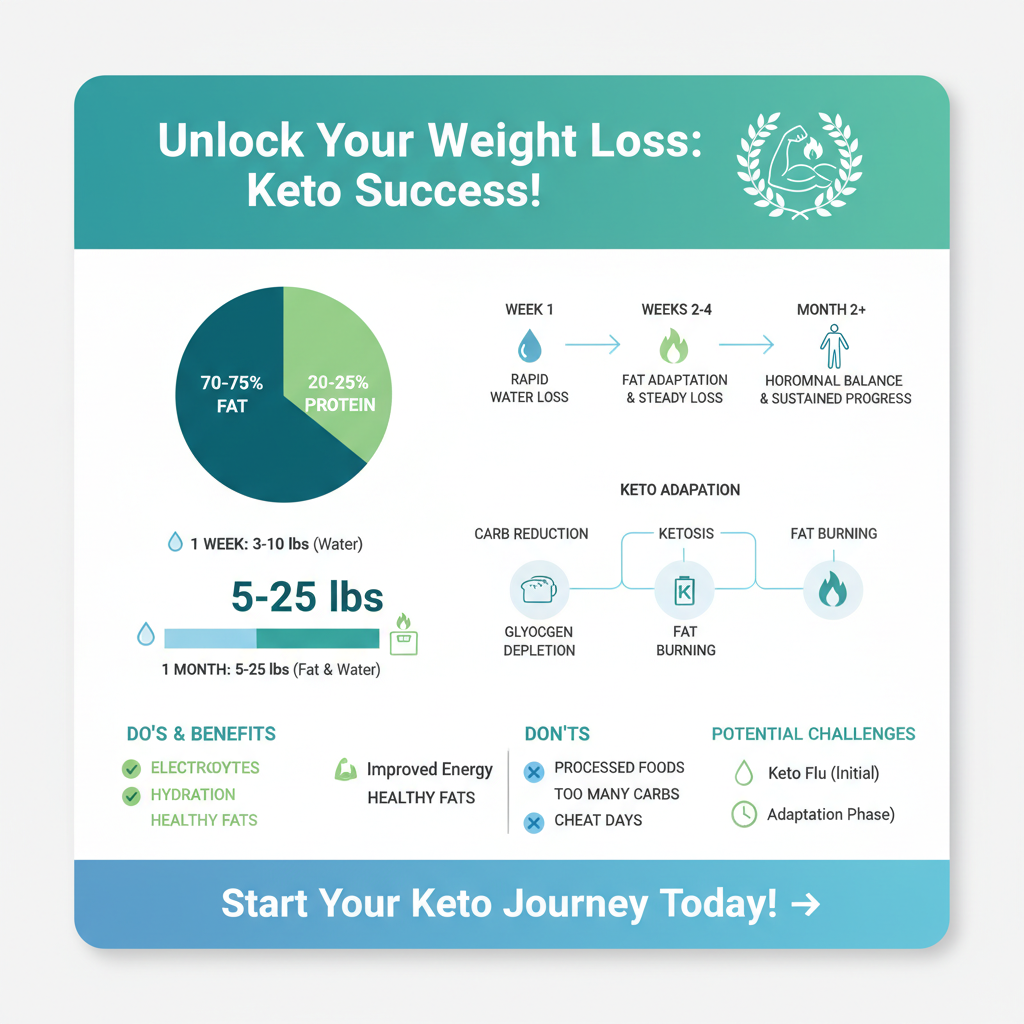
The standard macronutrient breakdown for a keto diet typically consists of approximately 70-75% fat, 20-25% protein, and a mere 5-10% carbohydrates. By significantly reducing carbohydrate intake, the body is forced to utilize stored fat for energy. This not only aids in weight loss but may also lead to several health benefits, including improved blood sugar levels, increased energy, and enhanced mental clarity.
Factors That Affect Weight Loss
Several individual factors can influence how quickly and effectively one can lose weight on a keto diet. One of the most significant factors is metabolism. Each person’s metabolic rate varies based on genetics, age, gender, and muscle mass. Individuals with a faster metabolism may find that they lose weight more quickly than those with a slower metabolic rate.
Your starting weight also plays a critical role in initial weight loss. Heavier individuals may notice a rapid reduction in weight during the first few weeks, often due to a loss of water weight, which can be significant when carbohydrates are drastically reduced. Additionally, hormonal factors, such as insulin sensitivity, can affect how efficiently your body utilizes fat for energy, further impacting weight loss results.
Typical Weight Loss Timeline
When beginning a keto diet, many individuals experience a quick drop in weight, particularly in the first week. This initial loss is primarily attributed to the depletion of glycogen stores in the body, which are bound to water. For every gram of glycogen stored, approximately three grams of water are also stored. Therefore, when carbohydrate intake is reduced, glycogen levels drop, leading to a loss of water weight.
After the initial adjustment period, sustainable fat loss typically occurs between weeks 2 to 4 as the body fully adapts to burning fat for fuel. During this phase, individuals often continue to shed pounds at a steady rate, depending on their adherence to the diet and overall lifestyle choices. Long-term weight loss is generally more gradual, with many people aiming for a healthy rate of 1-2 pounds per week.
Common Mistakes Hindering Weight Loss
While the keto diet can be effective for weight loss, there are common pitfalls that can hinder progress. One significant mistake is consuming too many carbohydrates, whether through overtly high-carb foods or hidden sugars in processed items. Even small amounts of carbs can disrupt ketosis, making it difficult to achieve the metabolic state necessary for fat burning.
Another common error is the misconception that all fats are beneficial in unlimited quantities. While healthy fats are essential on a keto diet, overeating even these can lead to exceeding daily caloric needs, potentially resulting in weight gain. It is crucial to monitor portion sizes and maintain a balance to ensure that fat intake aligns with overall dietary goals.
How to Maximize Weight Loss on Keto
To maximize weight loss on a keto diet, incorporating regular exercise is highly beneficial. Physical activity not only enhances fat burning but also helps retain muscle mass, which is crucial for maintaining a healthy metabolism. Resistance training, cardiovascular workouts, and activities like yoga can all contribute positively to your weight loss journey.
Staying hydrated is another key factor in optimizing weight loss. Proper hydration supports metabolic processes and can help mitigate symptoms of the “keto flu,” a collection of symptoms that may occur as the body adjusts to ketosis. Electrolyte supplementation, including magnesium, potassium, and sodium, can also be beneficial in maintaining electrolyte balance, particularly during the initial transition into the diet.
Success Stories and Realistic Expectations
Many individuals have achieved significant weight loss on the keto diet, with success stories highlighting transformations ranging from modest to dramatic. However, it is essential to understand that results can vary widely based on individual commitment, adherence to the diet, and personal health factors.
Setting realistic goals is crucial for sustaining motivation and accountability. Rather than focusing solely on a number on the scale, consider other measures of success, such as improved energy levels, better sleep quality, and enhanced mental clarity. Tracking progress through journaling or using apps can also help maintain focus and celebrate small victories along the way.
Tips for Long-Term Success on Keto
For long-term success on the keto diet, it’s vital to emphasize whole, nutrient-dense foods. Incorporating a variety of vegetables, high-quality proteins, and healthy fats ensures balanced nutrition and helps prevent deficiencies. Planning meals in advance can also mitigate the temptation to stray from the diet and helps ensure that carbohydrate limits are respected.
Additionally, maintaining a support system can significantly enhance adherence to the diet. Whether through online communities, friends, or family members, sharing experiences, challenges, and successes can foster a sense of accountability and encouragement.
As you navigate the keto diet, remember to listen to your body. Each individual’s response to dietary changes is unique, and being attuned to your personal needs can help you make informed decisions that align with your health goals.
In summary, understanding how the keto diet works and the factors influencing weight loss can empower you to set achievable goals and effectively manage your dietary choices. By staying informed and committed to your journey, you can embrace the process and work towards your weight loss goals on the keto diet with confidence.
Frequently Asked Questions
How much weight can I realistically lose on a keto diet in a month?
On a keto diet, individuals can typically expect to lose between 5 to 10 pounds in the first month, primarily due to water weight loss as the body depletes glycogen stores. After this initial phase, weight loss may slow to about 1 to 2 pounds per week, depending on factors like adherence to the diet, activity level, and individual metabolism. It’s important to note that everyone’s body responds differently, so results may vary.
Why do some people lose weight faster on a keto diet than others?
Weight loss on a keto diet can vary significantly due to several factors, including individual metabolism, age, gender, body composition, activity level, and adherence to the diet. Additionally, some people may experience a quicker adaptation to ketosis, leading to faster fat loss. Genetics also play a role in how efficiently your body burns fat and regulates hunger hormones, influencing weight loss speed.
What are some common challenges that might prevent weight loss on a keto diet?
Common challenges that could hinder weight loss on a keto diet include unintentional consumption of hidden carbs, lack of meal planning, and not getting enough healthy fats, which can lead to cravings and overeating. Additionally, some individuals may experience the “keto flu,” which can temporarily affect energy levels and motivation. Finally, not combining the diet with regular physical activity can also slow weight loss progress.
Which foods should I avoid to maximize weight loss on a keto diet?
To maximize weight loss on a keto diet, it’s crucial to avoid high-carb foods such as bread, pasta, rice, sugary snacks, and certain fruits like bananas and grapes. Instead, focus on consuming low-carb vegetables, high-quality proteins, and healthy fats such as avocados, nuts, and olive oil. Monitoring portion sizes and reading food labels can also help you stay within your carb limits, promoting better weight loss outcomes.
How can I maintain weight loss after achieving my goals on a keto diet?
To maintain weight loss after achieving your goals on a keto diet, consider gradually reintroducing carbs while monitoring your weight and body composition. This can help you find a sustainable balance between enjoying a wider variety of foods and staying within your desired weight range. Continuing to prioritize whole foods and healthy fats, along with regular physical activity, will also support long-term weight maintenance and overall health.
References
- https://www.ncbi.nlm.nih.gov/pmc/articles/PMC7000523/
- https://www.healthline.com/nutrition/keto-diet-101
- https://www.webmd.com/diet/obesity/ss/slideshow-keto-diet-overview
- https://www.mayoclinic.org/healthy-lifestyle/nutrition-and-healthy-eating/expert-answers/keto-diet/faq-20468990
- President’s Council | odphp.health.gov
- https://www.sciencedirect.com/science/article/pii/S2212267216301499