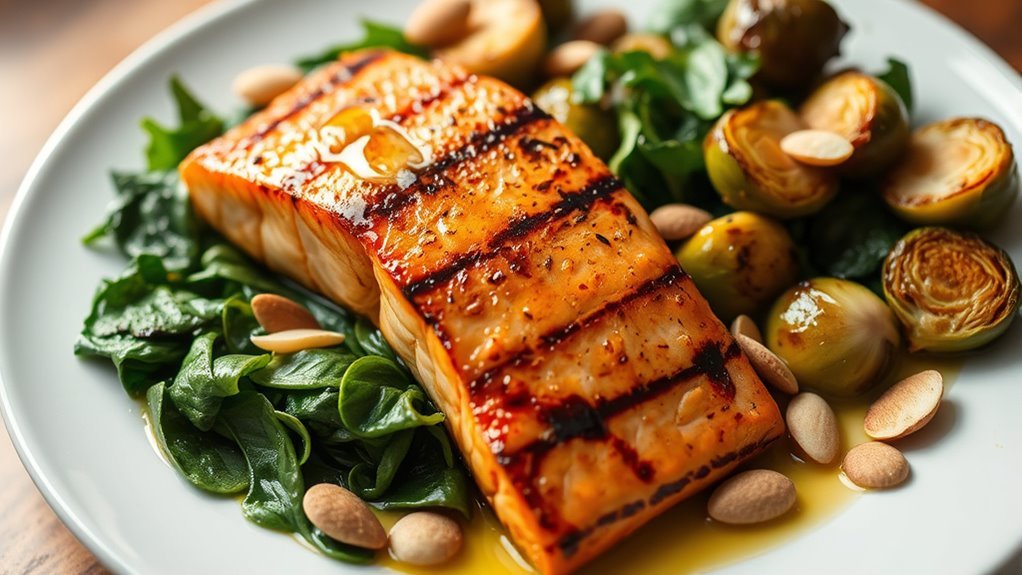

On the keto diet, you should aim for protein to make up about 20-25% of your daily calories. This helps maintain muscle mass, supports recovery, and promotes fat burning. The total amount of protein you need can vary based on your activity level and muscle mass. Focus on high-quality sources like grass-fed beef, wild-caught fish, and poultry. By managing your protein intake effectively, you can enhance your keto journey and optimize your health. More insights await you on this topic!
Understanding Macronutrients on the Keto Diet
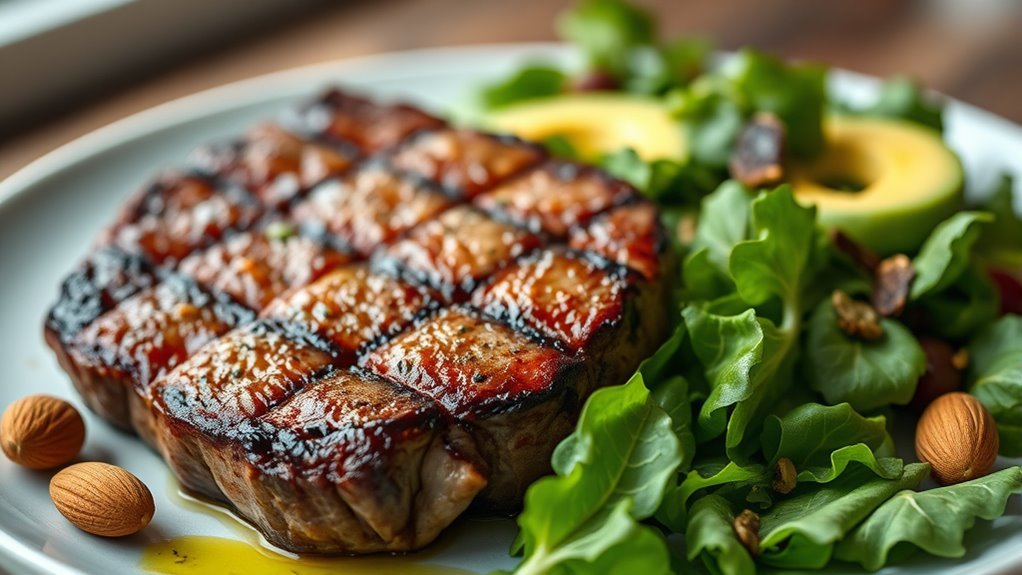
When you commence on the keto diet, understanding macronutrients is essential, as it helps you tailor your food choices to meet your specific nutritional goals. The keto diet typically emphasizes high-fat, moderate-protein, and low-carb macronutrient ratios, usually around 70% fat, 25% protein, and 5% carbohydrates. This balance is vital for maintaining ketosis, where your body burns fat for fuel instead of carbs.
Additionally, protein timing can play a significant role in optimizing your results. Consuming protein-rich foods at strategic times—like post-workout—can support muscle maintenance without disrupting ketosis. By grasping these principles, you’ll not only feel empowered in your dietary choices but also harness the full potential of the keto lifestyle.
The Role of Protein in the Keto Diet
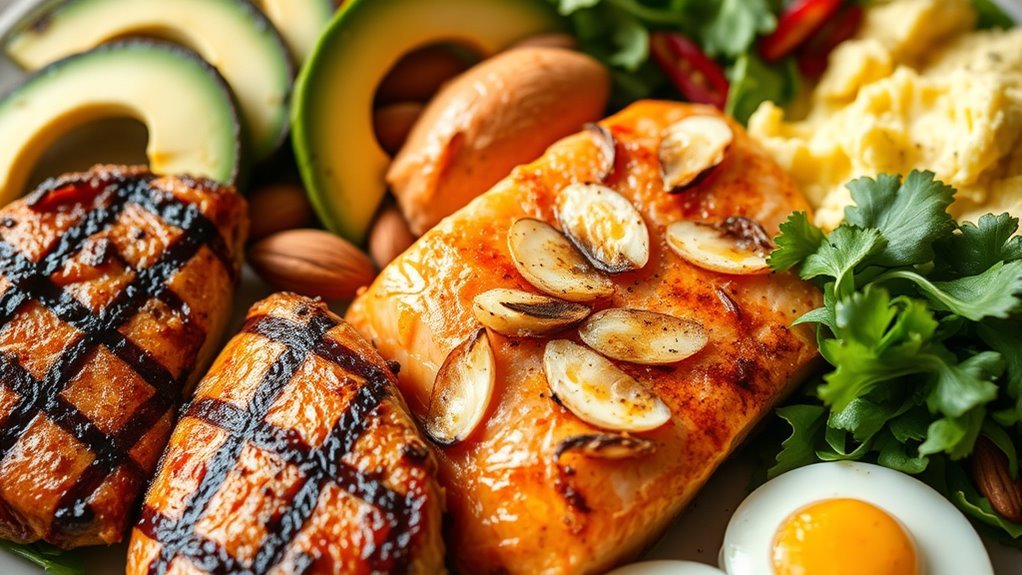
While the keto diet primarily focuses on high fat intake, protein plays an essential role in supporting your health and fitness goals. Adequate protein consumption is vital for protein synthesis, which helps repair and build tissues in your body. This is especially important when you’re in a calorie deficit, as it supports muscle preservation. Maintaining muscle mass not only enhances your metabolism but also allows you to enjoy greater freedom in your physical activities. Striking the right balance of protein can help you avoid the pitfalls of muscle loss, which can occur on a low-carb diet. By prioritizing protein, you empower yourself to achieve your fitness aspirations while still enjoying the benefits of ketosis.
Recommended Protein Intake for Ketosis
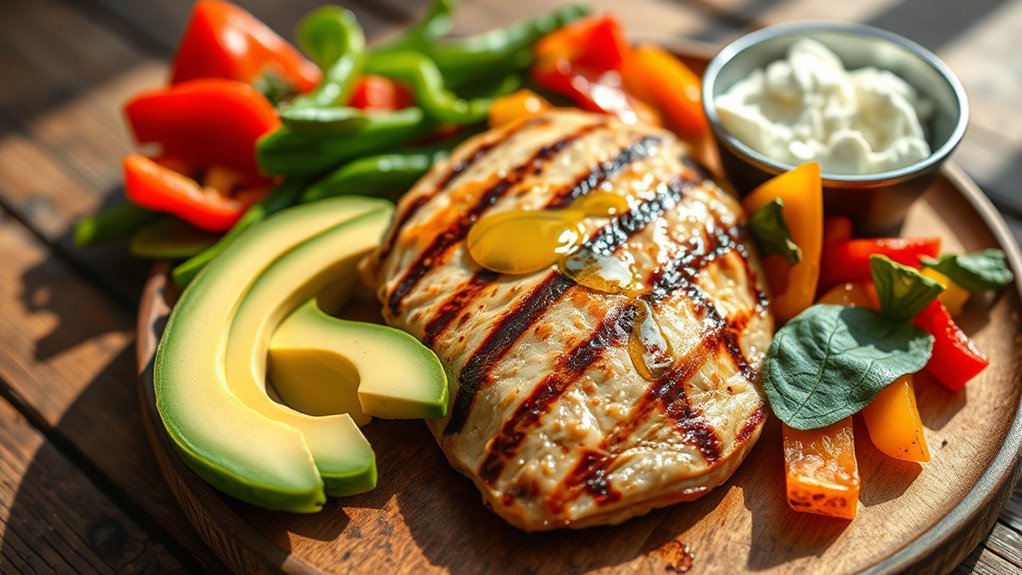
Aiming for an ideal protein intake is essential for those on a keto diet to maintain ketosis while supporting muscle health. It’s important to focus not just on the quantity, but also on protein quality and timing. Striking the right balance can help you optimize your results.
Prioritizing protein quality and timing is key for keto success and muscle health.
- Aim for about 20-25% of your daily calories from protein.
- Choose high-quality protein sources like grass-fed beef, wild-caught fish, and organic eggs.
- Consider spreading your protein intake throughout the day to maximize muscle synthesis.
- Monitor your body’s response to adjust your intake as needed.
Factors Influencing Protein Needs
When considering your protein needs on the keto diet, factors like your activity level and body composition play an essential role. If you’re more active or have a higher muscle mass, you may require more protein to support recovery and maintain muscle. On the other hand, those with a sedentary lifestyle might need less, making it important to tailor your intake to your unique situation.
Activity Level
The level of physical activity you engage in plays an essential role in determining your protein needs on the keto diet. Higher exercise intensity typically demands more protein to support muscle repair and growth. Your metabolic rate also increases with more activity, influencing how much protein your body requires. Here are some factors to weigh:
- Type of exercise: Strength training vs. cardio can impact protein needs differently.
- Frequency: More frequent workouts may necessitate higher protein intake.
- Duration: Longer exercise sessions can elevate protein requirements.
- Recovery: Adequate protein supports recovery, especially after intense workouts.
Understanding these elements can help you tailor your protein intake, ensuring you meet your body’s unique demands while enjoying the freedom of the keto lifestyle.
Body Composition
Body composition greatly influences your protein needs on the keto diet, as individuals with higher muscle mass typically require more protein to maintain and build muscle. If you’re focused on muscle preservation, understanding your unique body composition is vital. Those with a leaner physique may need less protein compared to someone with more muscle. Additionally, protein timing can play an important role; consuming protein strategically around workouts can optimize muscle recovery and growth. By tailoring your protein intake to your body’s composition, you’ll support your fitness goals while enjoying the freedom of the keto lifestyle. Remember, it’s not just about the quantity of protein, but how and when you consume it that can make a significant difference.
Sources of Protein for a Keto Diet
While following a keto diet, it’s essential to choose protein sources that not only fit within your macronutrient goals but also support overall health. Focusing on a variety of protein sources guarantees you get essential nutrients while enjoying your meals. Here are some excellent options to take into account:
- Lean meats: Chicken, turkey, and pork provide high-quality protein with minimal carbs.
- Seafood choices: Fish and shellfish are rich in omega-3 fatty acids and protein.
- Dairy options: Greek yogurt and cheese can be satisfying, nutrient-dense options.
- Plant-based proteins: Tofu, tempeh, and certain legumes can fit into your diet in moderation.
Incorporating these diverse sources will help you maintain a balanced and enjoyable keto lifestyle.
Balancing Protein With Fats and Carbs
Finding the right balance of protein, fats, and carbs is essential for success on the keto diet. Ideally, your protein intake should support muscle maintenance without exceeding levels that could disrupt ketosis. By comparing different protein sources and understanding the risks of excessive protein, you can tailor your macronutrient ratios for best results.
Ideal Protein Ratio
When it comes to the keto diet, achieving the right protein ratio is essential for maximizing your results. You want to strike a balance that supports muscle maintenance while promoting ketosis. Typically, aim for about 20-25% of your daily calories from protein, with the remainder coming from fats and minimal carbs.
Consider these key factors for your perfect protein ratio:
- Ideal protein sources: Focus on high-quality options like lean meats, fish, and eggs.
- Protein timing: Spread your protein intake throughout the day to enhance muscle protein synthesis.
- Adjust based on activity: Increase protein if you’re more active or lifting weights.
- Listen to your body: Monitor how you feel and adjust your intake accordingly for peak energy.
Protein Sources Comparison
Choosing the right protein sources is essential for balancing your intake of fats and carbs on the keto diet. Animal protein, such as meat, eggs, and dairy, tends to be higher in healthy fats, making it a popular choice for keto enthusiasts. These sources provide complete amino acids, vital for muscle maintenance and overall health. On the other hand, vegan protein options, like tofu, tempeh, and legumes, can also be included, though they often contain fewer fats and may require careful pairing to achieve a complete protein profile. By understanding these differences, you can create a diverse menu that aligns with your keto goals while enjoying the freedom to choose the protein sources that best fit your lifestyle.
Avoiding Excessive Protein
While protein is an essential component of the keto diet, it’s important to avoid excessive intake, as too much can hinder your goals. Striking a balance between protein, fats, and carbs is key for maintaining ketosis and overall health.
Consider these points to avoid protein excess:
- Understand your needs: Calculate your ideal protein intake based on your body weight and activity level.
- Prioritize fats: Fats should comprise the majority of your caloric intake on keto, so don’t skimp on healthy sources.
- Monitor ketone levels: Excess protein can convert to glucose, potentially disrupting ketosis.
- Watch for symptoms: Signs of protein deficiency can include fatigue and muscle loss, so make certain you’re meeting your needs without overdoing it.
Finding the right balance will empower your keto journey!
Signs of Inadequate Protein Intake
Although you may be focused on achieving ketosis, it’s essential to recognize the signs of inadequate protein intake, as insufficient protein can undermine your health and fitness goals. If you’re experiencing protein deficiency, you might notice muscle loss, which can impact your strength and metabolism. Low energy levels may also arise, making it hard to stay active. You could see appetite changes, leading to cravings or overeating. Digestive issues might occur, affecting nutrient absorption and overall health. Additionally, extended recovery time after workouts can indicate insufficient protein for muscle repair. Finally, mood swings can signal a lack of protein, as it plays a role in neurotransmitter function. Listening to your body is key to maintaining balance on your keto journey.
Adjusting Protein Intake for Different Goals
Recognizing the signs of inadequate protein intake is essential for optimizing your keto diet, but it’s equally important to adjust your protein levels based on your specific health and fitness goals. Whether you’re aiming for muscle gain, weight loss, or maintenance, tailoring your protein intake can make a significant difference.
Consider these factors for effective goal setting:
- Protein cycling: Vary your protein intake on training versus rest days.
- Activity level: Higher intensity workouts may require more protein.
- Body composition goals: Adjust intake based on whether you want to build or maintain muscle.
- Metabolic health: Ascertain your protein supports overall well-being.
Frequently Asked Questions About Protein on the Keto Diet
1. How much protein should I consume on a keto diet?
The general recommendation for protein intake on a keto diet is about 20-25% of your total daily caloric intake. This typically translates to around 0.6 to 1.0 grams of protein per pound of lean body mass. However, individual needs can vary based on factors such as activity level, age, and weight loss goals. It’s essential to tailor your protein intake to support your muscle maintenance and overall health while remaining in ketosis.
2. Can I eat too much protein on the keto diet?
Yes, consuming too much protein on a keto diet can potentially kick you out of ketosis. Excessive protein can be converted into glucose through a process called gluconeogenesis. This can hinder your body’s ability to stay in a state of ketosis, which is essential for the benefits of the keto diet. Therefore, it is crucial to balance your protein intake with your fat intake to maintain ketosis.
3. What are good sources of protein for a keto diet?
Good sources of protein on a keto diet include high-quality animal products such as meat (beef, pork, chicken), fatty fish (salmon, mackerel), eggs, and full-fat dairy (cheese, yogurt). Plant-based options include tofu, tempeh, and certain nuts and seeds. It’s essential to choose protein sources that are low in carbs and high in healthy fats to align with the keto diet’s guidelines.
4. Should I prioritize protein or fat on the keto diet?
On the keto diet, fat should be your primary macronutrient, making up about 70-75% of your total caloric intake, while protein should be around 20-25%. This high-fat intake is crucial for entering and maintaining ketosis. While protein is important for muscle maintenance and overall health, prioritizing fat ensures that your body has enough ketones for energy and metabolic processes.
5. Can I build muscle on a keto diet with adequate protein?
Yes, you can build muscle on a keto diet by consuming adequate protein along with a well-structured resistance training program. Maintaining a balanced intake of protein while ensuring you are in a slight caloric surplus can support muscle growth. Additionally, incorporating higher-fat foods will provide the necessary energy for workouts and recovery, allowing you to optimize muscle gains while staying in ketosis.
References
- https://www.ncbi.nlm.nih.gov/pmc/articles/PMC6821308/
- https://www.healthline.com/nutrition/keto-diet-protein
- https://www.webmd.com/diet/what-is-the-ketogenic-diet
- https://www.cdc.gov/healthyweight/healthy_eating/dietary_guidelines.html
- https://www.mayoclinic.org/healthy-lifestyle/nutrition-and-healthy-eating/in-depth/keto-diet/art-20459994
- https://www.dietitians.ca/Downloads/Public/Protein-and-the-Keto-Diet.aspx
- https://www.nutrition.gov/topics/nutrition-101/what-protein