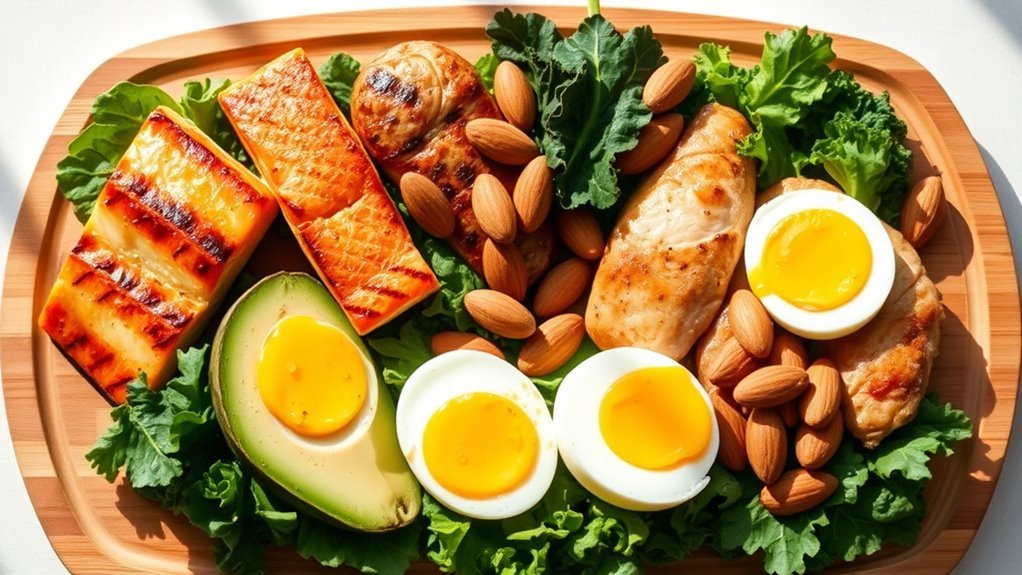

On a keto diet, your ideal protein intake typically ranges from 1.2 to 2.0 grams per kilogram of lean body mass, depending on your activity level and goals. It’s important to spread protein consumption throughout the day to enhance muscle preservation and recovery. Too much protein can lead to health issues like kidney strain, while insufficient intake might hinder your results. Understanding how protein fits into your keto lifestyle can optimize your success and health. More insights await you.
Understanding Protein in the Keto Diet
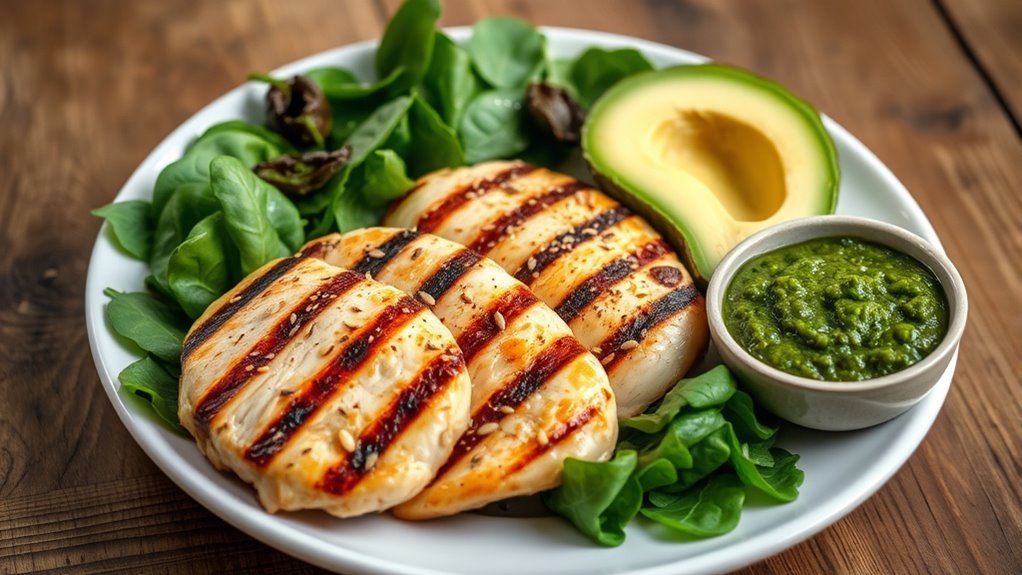
When you commence a keto diet, understanding the role of protein is essential for achieving your health goals. Protein quality plays a significant role, as high-quality sources like lean meats, fish, and eggs provide essential amino acids that support muscle maintenance and overall health. It’s important to prioritize these sources to maximize your nutritional intake. Additionally, protein timing can influence your results; consuming protein at strategic intervals throughout the day may enhance muscle recovery and satiety. Aim to spread your protein intake evenly, rather than loading it all at once. This approach not only aids in muscle preservation but also helps regulate hunger levels, allowing you to enjoy the freedom that comes with a successful keto lifestyle.
Calculating Your Ideal Protein Intake
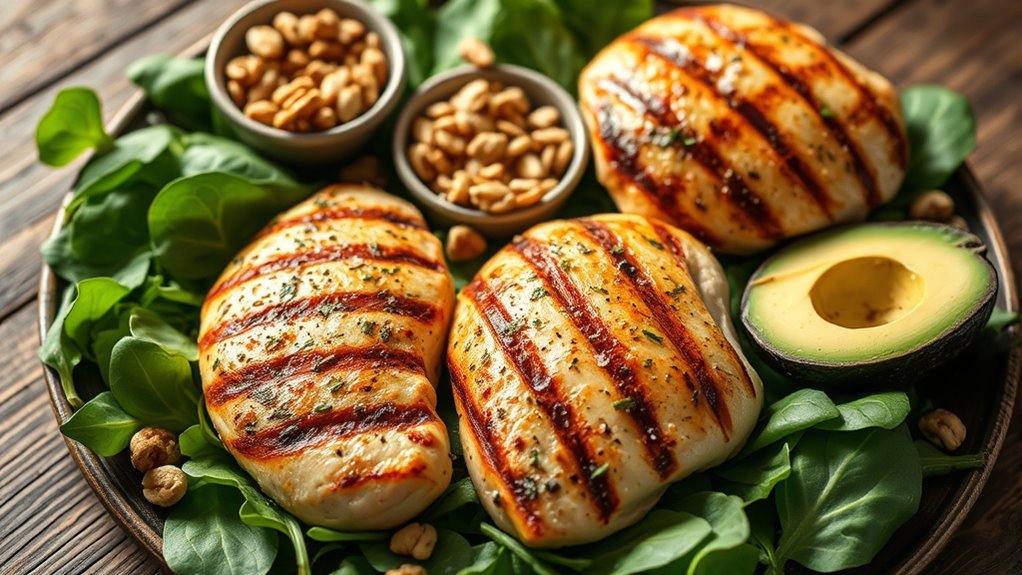
To calculate your ideal protein intake on a keto diet, you need to first determine your protein needs based on your body weight and goals. It’s also important to adjust your intake according to your activity level, as this can greatly impact how much protein you should consume. Finally, tracking your intake can help guarantee you’re meeting your protein targets for best results.
Determine Your Protein Needs
Determining your protein needs on a keto diet is essential for achieving best results, and it typically involves calculating your ideal protein intake based on your body weight and activity level. An individualized approach is vital, as protein requirements can vary greatly from person to person. Here’s a simple way to assess your needs:
- Calculate your lean body mass: This gives you a baseline to work with.
- Multiply your lean body mass by 1.2 to 2.0 grams of protein: This range accommodates different activity levels.
- Adjust as needed: Monitor your progress and be flexible; your needs might change over time.
Adjust for Activity Level
Adjusting your protein intake based on your activity level is essential for optimizing your results on a keto diet. If you lead a more active lifestyle, you’ll need to make protein adjustments to support muscle recovery and growth. For instance, if you’re engaging in regular strength training, aim for higher protein intake, typically around 1.6 to 2.2 grams per kilogram of body weight. Conversely, if your activity level is lower, you might reduce your protein intake to the lower end of the spectrum. Remember, these activity modifications help guarantee you’re fueling your body appropriately while still maintaining ketosis. By tailoring your protein needs to your individual activity level, you’ll enhance your overall performance and progress on the ketogenic journey.
Track Your Intake
Tracking your protein intake is essential for achieving your goals on a keto diet. By monitoring your consumption, you can guarantee you’re getting the right amount of protein to support your body. Here are three effective tracking methods to take into account:
- Use intake apps: These make it easy to log meals and track macros in real time.
- Food diaries: Writing down what you eat can help you stay accountable and mindful of your choices.
- Meal prep: Planning your meals in advance allows you to control your protein sources and portions.
The Role of Protein in Muscle Preservation
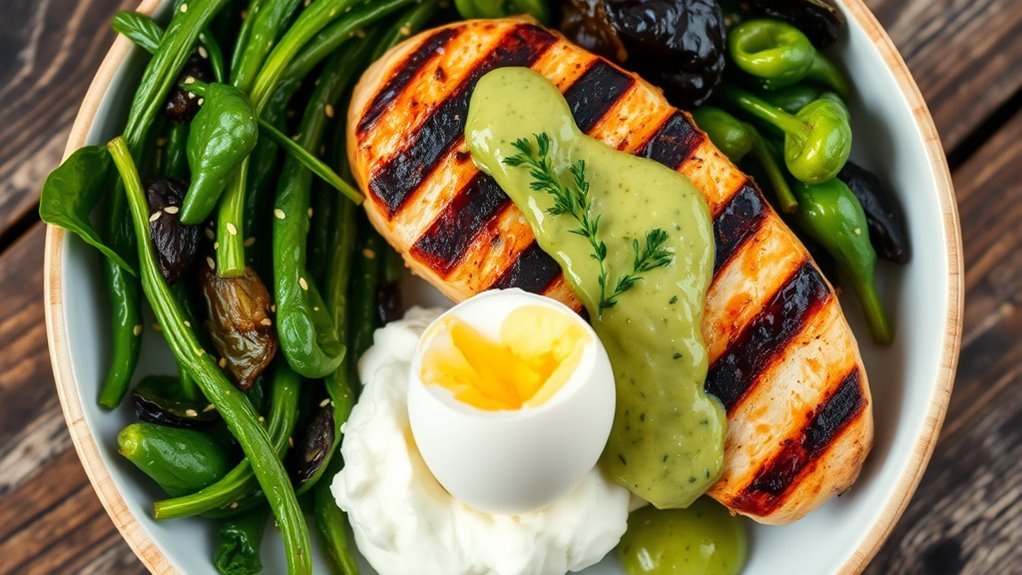
While many people focus on carbohydrates and fats when following a keto diet, protein plays a crucial role in muscle preservation. Adequate protein intake is essential for muscle maintenance, especially when your body is in ketosis. This is because, during a ketogenic diet, your body shifts its primary energy source, which can sometimes lead to muscle loss if protein isn’t prioritized.
To combat this, you should consider protein timing—distributing your intake throughout the day to optimize muscle synthesis. Consuming protein-rich meals or snacks after workouts can further enhance recovery and maintain muscle mass. Striking the right balance of protein in your diet not only supports your fitness goals but also allows for greater freedom in your dietary choices while on keto.
Consequences of Too Much Protein
Although protein is essential for muscle preservation and overall health, consuming too much of it on a keto diet can lead to unintended consequences. Here are three key concerns you should be aware of:
Excess protein on a keto diet can lead to kidney strain, energy imbalances, and nutrient deficiencies.
- Kidney Strain: Excess protein can place additional strain on your kidneys, potentially leading to long-term health issues.
- Energy Imbalance: High protein intake may disrupt your energy balance, causing unwanted weight gain as your body converts surplus protein into glucose.
- Nutrient Deficiencies: Focusing too much on protein can lead to nutrient deficiencies, as you might overlook other essential food groups necessary for your well-being.
Be mindful of these metabolic effects, as they can impact digestion issues and hormonal balance, ultimately affecting your overall health and lifestyle freedom.
Signs of Insufficient Protein Intake
Striking the right balance of protein on a keto diet is essential, not just to avoid the pitfalls of excess but also to guarantee you’re getting enough. If you notice symptoms like fatigue, muscle weakness, or persistent hunger cravings, it might be a sign that your protein intake is insufficient. You could also experience mood swings, nail brittleness, or hair thinning as your body struggles to maintain essential functions. Recovery delays after workouts and immune issues may arise too, indicating that your body lacks the necessary building blocks. Paying attention to these signs can help you adjust your protein intake, ensuring your keto journey supports your health and freedom effectively. Remember, balance is key for ideal results.
Best Protein Sources for a Keto Diet
When it comes to the keto diet, selecting the right protein sources is essential for meeting your nutritional needs while maintaining ketosis. You’ll want to prioritize protein-rich foods that align with your dietary goals. Here are some of the best options:
- Animal Proteins: Grass-fed beef, pasture-raised chicken, and wild-caught fish provide high-quality protein and healthy fats.
- Eggs: A versatile and nutrient-dense option, eggs are excellent for breakfast or snacks, offering a complete amino acid profile.
- Plant-Based Proteins: While generally lower in protein, options like hemp seeds, chia seeds, and tofu can complement your intake while keeping carbs low.
Incorporating these sources can empower you to enjoy a satisfying, freedom-filled keto experience.
Adjusting Protein Intake for Activity Levels
When you’re on a keto diet, adjusting your protein intake based on your activity level is essential for ideal results. Higher intensity workouts may require you to increase both the quality and quantity of your protein sources, while also considering the timing and distribution of your meals. By tailoring your protein consumption to your lifestyle, you can support muscle recovery and maintain your overall health effectively.
Activity Level Considerations
Adjusting your protein intake on a keto diet is essential, especially depending on your activity level. Striking the right balance can enhance your energy levels and muscle recovery. Here are three key considerations:
- Sedentary Lifestyle: If you’re not very active, aim for moderate protein intake to maintain energy balance without excess.
- Moderate Activity: For those exercising a few times a week, increase your protein timing around workouts to support muscle repair and growth.
- High Activity: If you’re training intensely, you may need to boost your protein intake considerably to fuel recovery and prevent muscle loss.
Protein Sources and Quality
Choosing the right protein sources is just as important as determining the amount you consume, particularly as your activity level fluctuates. Animal-based proteins, like meat and dairy, typically offer higher protein quality and essential amino acids, ensuring better protein absorption. However, plant-based proteins can also be valuable, especially when combined to enhance protein digestibility. Incorporating a variety of protein-rich foods, including legumes and nuts, can support your nutritional needs. If you’re more active, you might consider protein supplements to help meet your increased demands. Balancing both sources allows you to enjoy the benefits of diverse nutrients while ensuring your body gets the protein it needs to thrive on a keto diet.
Timing and Distribution Strategies
To optimize your protein intake on a keto diet, it’s essential to reflect on both the timing and distribution of your meals, especially in relation to your activity levels. Proper protein timing can greatly impact muscle recovery and growth. Here are three effective distribution methods to think about:
- Pre-Workout: Consuming protein before your workout can enhance performance and minimize muscle breakdown.
- Post-Workout: A protein-rich meal after exercising helps with recovery, allowing your body to rebuild and strengthen.
- Evening: Distributing protein evenly throughout the day, including at dinner, can support muscle maintenance and satiety.
Frequently Asked Questions about Protein on the Keto Diet
1. How much protein should I consume on a keto diet?
The recommended protein intake on a keto diet typically ranges from 15% to 30% of your total daily calories. For most individuals, this equates to approximately 0.6 to 1.0 grams of protein per pound of lean body mass. It’s important to adjust your protein intake based on your personal health goals, activity level, and body composition.
2. Can I eat too much protein on a keto diet?
Yes, consuming too much protein on a keto diet can potentially lead to gluconeogenesis, where excess protein is converted into glucose, which may kick you out of ketosis. It’s crucial to find a balance that maintains your ketosis while providing enough protein to support muscle maintenance and overall health.
3. What are some good sources of protein on a keto diet?
Good sources of protein on a keto diet include fatty cuts of meat such as ribeye and pork belly, poultry like chicken and turkey, fish and seafood, eggs, and full-fat dairy products like cheese and Greek yogurt. Plant-based sources like tofu and tempeh can also be included in moderation.
4. How can I calculate my protein needs for the keto diet?
To calculate your protein needs for the keto diet, first, determine your lean body mass. You can use online calculators or consult with a nutritionist. Once you have that figure, multiply it by your desired protein intake (0.6 to 1.0 grams per pound) to find your target protein range. Use this to guide your meal planning and adjustments as needed.
5. Is it necessary to track protein intake on a keto diet?
While it’s not strictly necessary to track protein intake on a keto diet, doing so can help ensure that you’re meeting your nutritional goals and staying within the appropriate range for ketosis. Tracking can also help you adjust your diet based on your progress and any changes in your body composition or activity level.
References
- https://www.ncbi.nlm.nih.gov/pmc/articles/PMC6832556/
- https://www.healthline.com/nutrition/keto-diet-guide
- https://www.webmd.com/diet/what-is-the-ketogenic-diet
- https://www.cdc.gov/healthyweight/healthy_eating/dietary_guidelines.html
- https://www.mayoclinic.org/healthy-lifestyle/nutrition-and-healthy-eating/in-depth/keto-diet/art-20484860
- https://www.hhs.gov/opa/reproductive-health/keto-diet.html
- https://www.nutrition.org.uk/healthyliving/healthyeating/ketogenic-diet.html