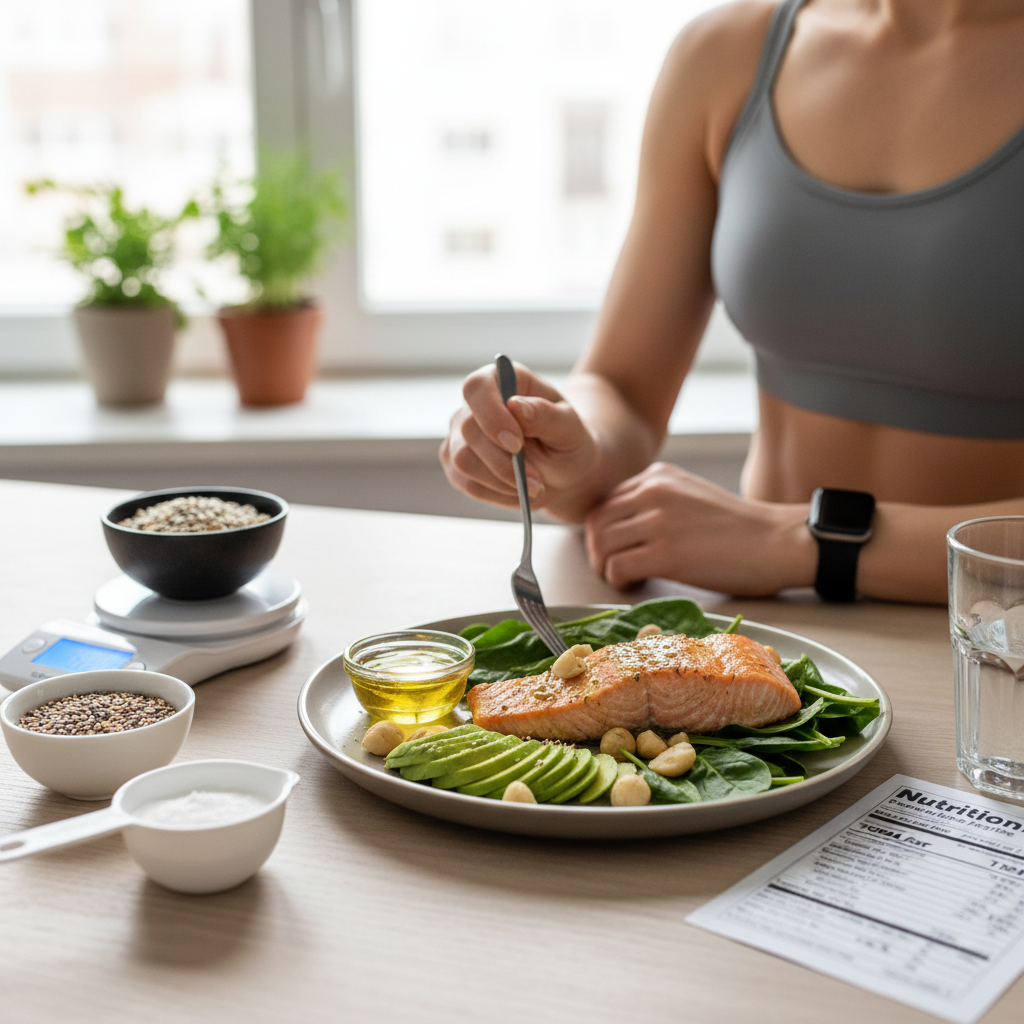

To effectively follow the keto diet, you should consume around 70-75% of your daily caloric intake from healthy fats. This high-fat ratio is essential for entering and maintaining a state of ketosis, where your body shifts from using carbohydrates as its primary fuel source to utilizing fats. In this article, we will explore the specific fat requirements of the keto diet, the best sources of healthy fats, methods for calculating your daily fat intake, practical tips for incorporating fats into your meals, common pitfalls to avoid, and how to monitor your progress effectively.
Understanding Keto’s Fat Requirements
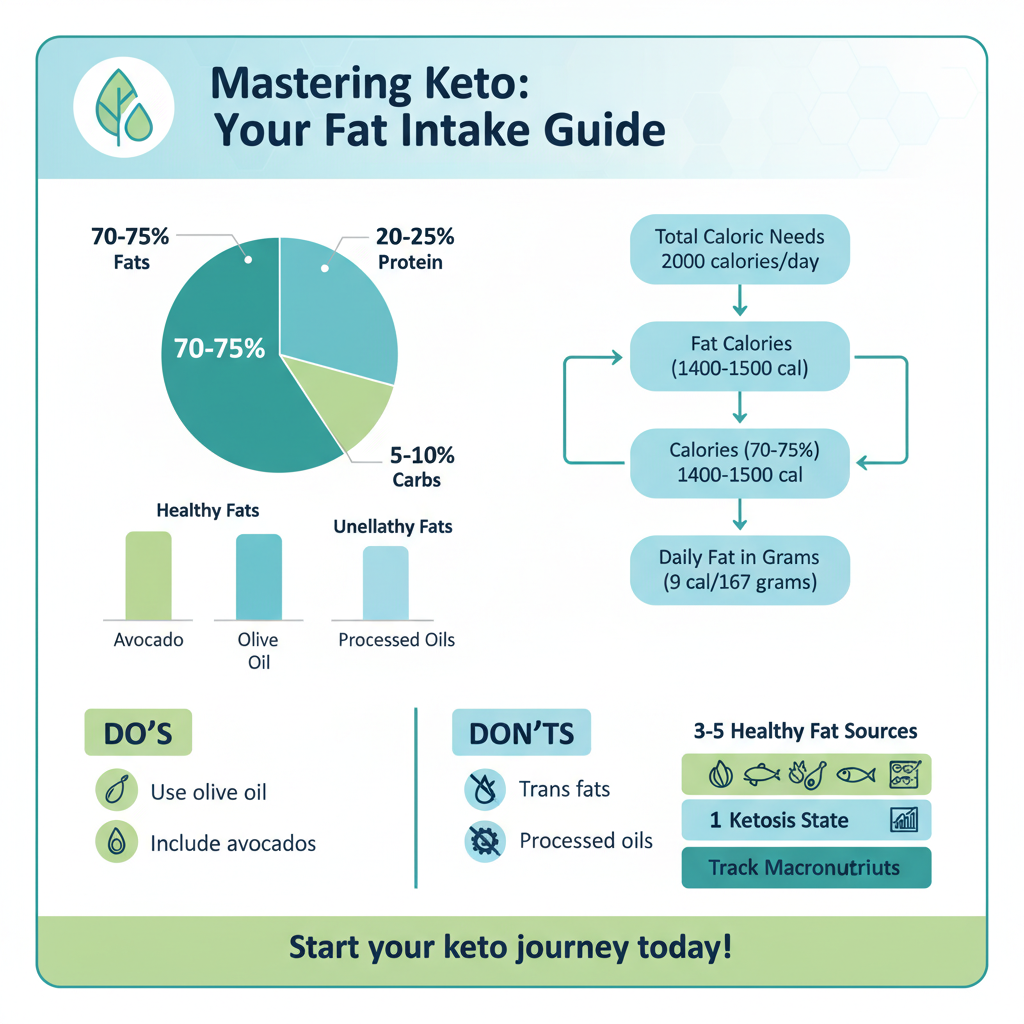
The ketogenic diet is uniquely designed to shift your body’s metabolism from burning carbohydrates to burning fats. This metabolic state, known as ketosis, plays a crucial role in the diet’s effectiveness, particularly for weight loss and improved energy levels. To achieve and maintain ketosis, it is generally recommended that you aim for 70-75% of your total daily caloric intake from fats. This means if you consume 2000 calories a day, approximately 1400 to 1500 calories should come from fat, translating to about 155-167 grams of fat. The remaining calories should come from protein (approximately 20-25%) and very minimal carbohydrates (about 5-10%).
Understanding these macronutrient ratios is key to successfully navigating the keto diet. It’s essential to recognize that not all fats are created equal. Emphasizing healthy fats while minimizing unhealthy ones is crucial for not only achieving ketosis but also for promoting overall health.
Types of Fats to Include
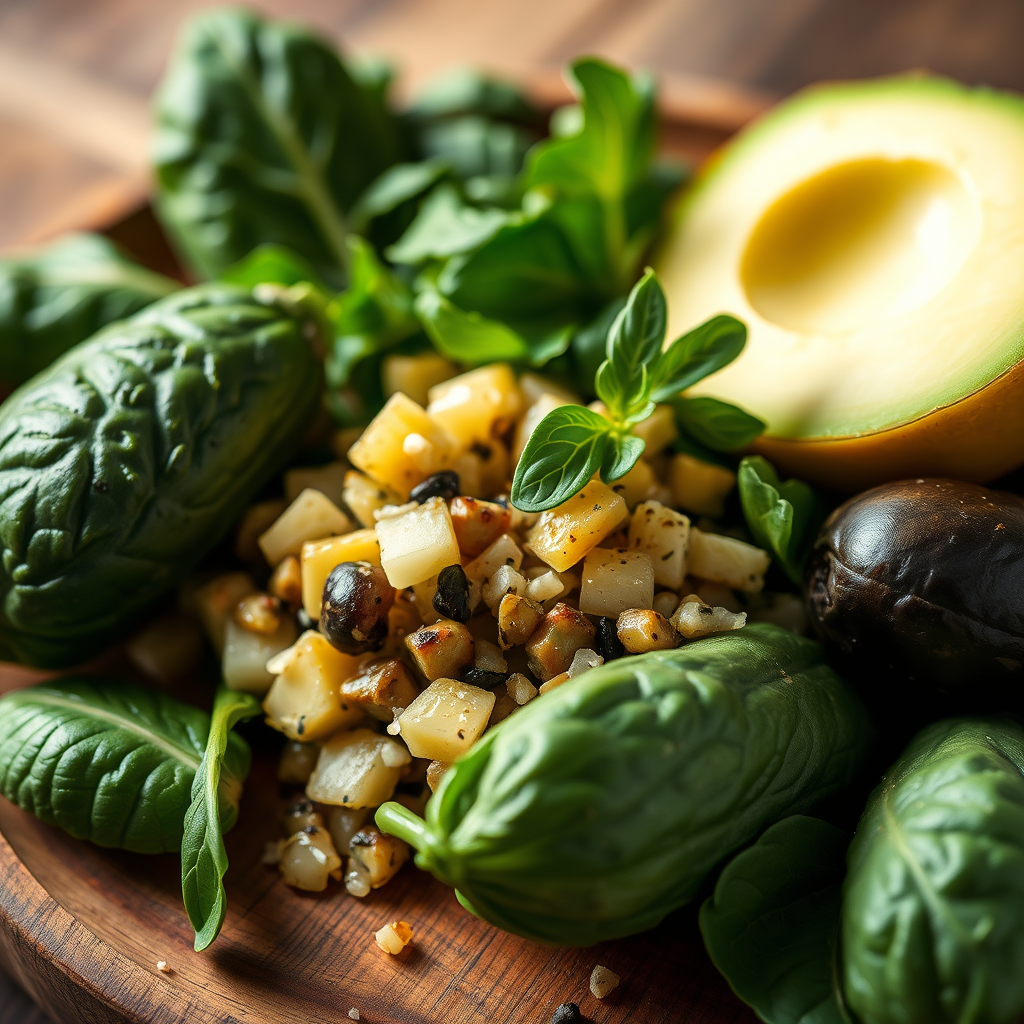
When it comes to choosing fats for your keto diet, focus on incorporating healthy fats that provide essential nutrients while also supporting your overall health. Some excellent sources of healthy fats include:
– Avocados: Rich in monounsaturated fats and packed with vitamins and minerals, avocados also provide fiber, which is important for digestive health.
– Nuts and Seeds: Almonds, walnuts, chia seeds, and flaxseeds are great sources of omega-3 fatty acids and protein. They also provide important micronutrients such as magnesium and vitamin E.
– Olive Oil: Extra virgin olive oil is a staple in the Mediterranean diet and is known for its heart-healthy benefits. It’s rich in monounsaturated fats and antioxidants.
– Coconut Oil: Containing medium-chain triglycerides (MCTs), coconut oil can be quickly converted into ketones, making it a popular choice among keto dieters.
– Fatty Fish: Salmon, mackerel, and sardines are excellent sources of omega-3 fatty acids, which are beneficial for heart health.
– Butter and Ghee: These are great options for cooking due to their high smoke points, and they also offer beneficial fatty acids.
On the other hand, it’s important to limit unhealthy fats, particularly those found in processed foods, fried foods, and trans fats. Such fats can not only hinder your progress towards ketosis but can also lead to various health issues, including inflammation and heart disease. Aim to prioritize whole, unprocessed foods for the best results.
Calculating Your Daily Fat Intake
Determining your daily fat intake is vital for adhering to the ketogenic diet effectively. One of the best ways to calculate your specific macronutrient needs is by using a macro calculator, which takes into account factors such as age, sex, weight, height, and activity level.
Once you have established your total daily caloric needs, you can calculate how much fat you should consume. For instance, if your daily caloric goal is 2000 calories, and you aim for 75% from fat, you would multiply 2000 by 0.75 to get 1500 calories from fat. Since there are 9 calories in each gram of fat, you would then divide 1500 by 9, resulting in approximately 167 grams of fat per day.
To tailor your fat intake further, consider your individual health factors, weight loss goals, and physical activity levels. For example, athletes or those with higher activity levels may require more calories overall, which could translate to a higher fat intake, while those with sedentary lifestyles may need to adjust downwards to maintain ketosis effectively.
Incorporating Fats into Your Meals
Incorporating healthy fats into your meals can be both enjoyable and straightforward. Meal prep can be a valuable strategy in ensuring that you meet your fat intake without the stress of last-minute decisions. Here are some practical tips:
– Start Your Day with Fat: Consider adding fats to your breakfast, such as scrambled eggs cooked in butter or coconut oil, or a smoothie with avocado and spinach blended with coconut milk.
– Salads Loaded with Fats: Create salads with leafy greens topped with avocado, olives, nuts, and a dressing made from olive oil and vinegar.
– Snacks: Keep high-fat snacks on hand, such as cheese, nut butter, or a handful of mixed nuts. These can help you reach your daily fat goals while keeping hunger at bay.
– Fat Bombs: These are small snacks made from a combination of fats like coconut oil, nut butter, and cocoa powder. They are a delicious way to boost your fat intake.
– Cooking: Use healthy fats for cooking instead of traditional oils or butter. For example, sautéing vegetables in olive oil or roasting meats with coconut oil can enhance flavor and nutritional value.
Experimenting with different recipes that incorporate healthy fats can help you find meals that are satisfying and enjoyable while adhering to your keto dietary goals.
Common Mistakes to Avoid
While embarking on the keto diet, there are some common mistakes to be mindful of to ensure long-term success:
– Overconsumption of Unhealthy Fats: It’s easy to assume that all fats are equal, but overindulging in unhealthy fats can derail your progress. Always prioritize healthy fat sources and maintain a balanced diet.
– Neglecting Micronutrients: Focusing solely on fat can lead to deficiencies in essential micronutrients. Ensure you are including a variety of non-starchy vegetables, which can provide fiber and vital vitamins and minerals.
– Ignoring Protein Needs: While fat is your primary energy source, protein is also essential, particularly for muscle maintenance. Ensure you are consuming adequate protein to support your body’s needs.
– Not Tracking Intake: Many people underestimate their caloric intake on the keto diet, leading to unintended weight gain or stalls. Regularly tracking your macros can help you stay on track and make necessary adjustments.
Being aware of these potential pitfalls can help you navigate the keto diet more effectively and promote sustainable lifestyle changes.
Monitoring Your Progress
Monitoring your progress is a critical component of successfully following the keto diet. Keeping track of your macro intake can provide insights into how your body responds to different levels of fat consumption. Consider using meal tracking apps to log your food intake and monitor your macronutrient ratios.
Pay attention to your energy levels, mood, and physical performance as you adjust your fat intake. Some individuals may find that they feel better and more energized with a slightly higher or lower fat intake, so listen to your body and make adjustments accordingly. Additionally, regular weigh-ins or body measurements can help you gauge your progress towards your weight loss goals.
Overall, a flexible approach that prioritizes your individual needs while adhering to the principles of the keto diet will yield the best results.
By understanding how much fat to eat on the keto diet and making informed choices about the types of fats you consume, you can achieve your dietary goals while enjoying the benefits of this low-carb lifestyle. Start by calculating your macros, planning your meals, and don’t hesitate to experiment with different sources of healthy fats to find what works best for you. As you embark on this journey, remember that balance and variety are key to not only adhering to the keto diet but also to promoting a healthier lifestyle overall.
Frequently Asked Questions
How much fat should I eat on the keto diet for optimal results?
On a ketogenic diet, fat typically constitutes about 70-75% of your total daily caloric intake. This high fat intake is essential for reaching and maintaining ketosis, where your body burns fat for fuel instead of carbohydrates. For example, if your daily caloric goal is 2,000 calories, you should aim for approximately 155-165 grams of fat per day. Adjusting your fat intake based on your individual needs, activity level, and weight loss goals is also important.
What types of fats are best to include in my keto diet?
The best fats for a ketogenic diet are healthy sources such as avocados, olive oil, nuts, seeds, and fatty fish like salmon. These fats not only provide essential fatty acids but also support heart health and overall well-being. It’s advisable to minimize trans fats and limit saturated fats from processed sources. Focusing on a variety of healthy fats can help you meet your nutritional needs while enjoying the benefits of the keto lifestyle.
Why is fat intake so important on the keto diet?
Fat intake is crucial on the keto diet because it serves as the primary energy source when carbohydrates are significantly reduced. When your body enters ketosis, it metabolizes fats into ketones, which are then used for energy. This metabolic shift can help reduce hunger, improve mental clarity, and enhance fat loss. Therefore, maintaining adequate fat intake supports these benefits and ensures you remain in ketosis effectively.
How can I track my fat intake on the keto diet?
Tracking your fat intake on the keto diet can be effectively done using apps like MyFitnessPal or Carb Manager, which allow you to log your meals and monitor macronutrient ratios. You can also keep a food diary to manually note the fats in your meals. It’s essential to measure your portion sizes accurately and be aware of the fat content in different foods to ensure you meet your daily fat goals. Regular tracking helps you stay accountable and adjust your diet as needed.
Which keto-friendly recipes can help me increase my fat intake?
To increase your fat intake on the keto diet, consider recipes that emphasize healthy fats, such as creamy avocado salads, coconut oil bulletproof coffee, or cheese-stuffed mushrooms. Dishes that incorporate nut butters, fatty cuts of meat, or creamy sauces made from heavy cream can also be beneficial. Exploring keto cookbooks or online resources with dedicated sections for high-fat meals can provide you with a variety of delicious options to diversify your diet while meeting your fat intake goals.
References
- Ketogenic diet
- https://www.ncbi.nlm.nih.gov/pmc/articles/PMC6275740/
- https://ods.od.nih.gov/factsheets/TotalFat-HealthProfessional/
- The truth about fats: the good, the bad, and the in-between – Harvard Health
- https://www.cdc.gov/healthyweight/healthy_eating/what_is_a_healthy_diet.html
- https://www.ncbi.nlm.nih.gov/pmc/articles/PMC6077002/