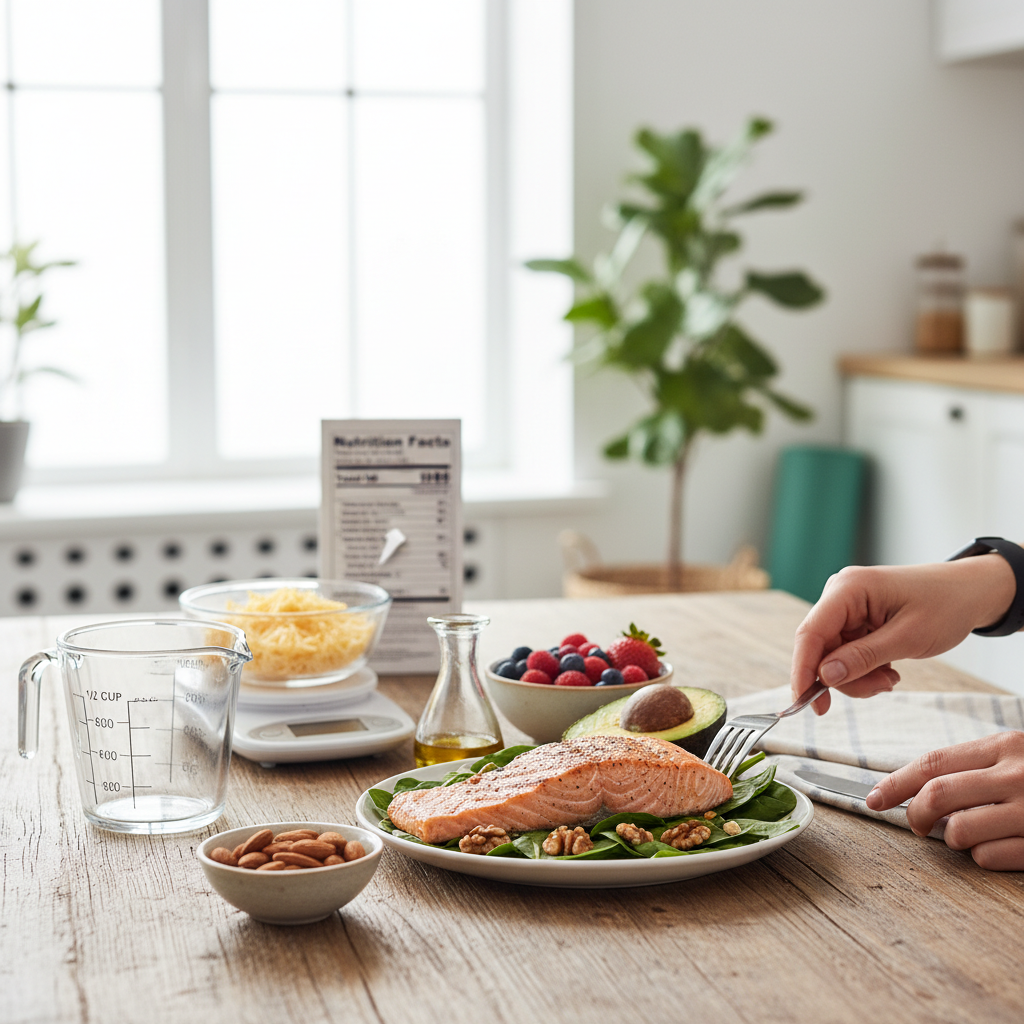

The general guideline for fat consumption on a ketogenic diet is that 70-75% of your daily caloric intake should come from fats. This high-fat approach is essential for achieving and maintaining ketosis, where your body burns fat for fuel instead of carbohydrates. By adhering to these percentages, you can effectively transition your metabolism to utilize ketones, a more efficient energy source for many individuals. In this article, we’ll explore how to determine your ideal fat intake, the types of fats to focus on, and additional tips for success on your keto journey.
Understanding the Keto Diet
The ketogenic diet emphasizes low carbohydrates, moderate proteins, and high fats, aiming to induce a metabolic state known as ketosis. In ketosis, the body shifts from using glucose—derived from carbohydrates—as its primary energy source to utilizing ketones, which are produced from fat breakdown. This metabolic change can lead to numerous health benefits, including improved mental clarity, sustained energy levels, and effective weight management. For individuals looking to reduce body fat or enhance their physical performance, understanding the core principles of the keto diet becomes crucial.
In essence, the keto diet not only alters macronutrient ratios but also impacts hormonal responses, leading to decreased hunger and cravings. This can make it easier to adhere to a healthy eating pattern without feeling deprived. As you embark on your keto journey, grasping how these mechanisms work will empower you to make informed dietary choices.
Calculating Your Daily Fat Needs

To effectively determine your daily fat intake on a ketogenic diet, it is essential to first identify your Total Daily Energy Expenditure (TDEE). TDEE represents the total number of calories your body requires each day, which varies based on factors such as age, gender, weight, height, and activity level. Several online calculators can assist you in estimating your TDEE.
Once you have established your TDEE, the next step is to multiply this figure by 0.7 to 0.75. This calculation will yield the number of calories you should derive from fats each day. For instance, if your TDEE is 2,000 calories, your daily fat intake should fall between 1,400 to 1,500 calories, translating to approximately 155 to 167 grams of fat per day (since fats provide 9 calories per gram). Keeping track of these numbers will help you stay aligned with your keto objectives.
Types of Fats to Include
When adopting a high-fat diet, not all fats are created equal. It is essential to focus on healthy fats that support overall health and well-being. Some excellent sources of healthy fats include:
– Avocados: Packed with monounsaturated fats, avocados are a versatile addition to salads, smoothies, and spreads.
– Olive Oil: Rich in antioxidants and healthy fats, olive oil is perfect for cooking or drizzling over vegetables.
– Nuts and Seeds: Almonds, walnuts, chia seeds, and flaxseeds provide a good balance of fats, fiber, and protein.
– Fatty Fish: Salmon, mackerel, and sardines are high in omega-3 fatty acids, which are known for their anti-inflammatory properties.
– Coconut Oil: Beneficial for cooking at high temperatures, coconut oil contains medium-chain triglycerides (MCTs) that can promote ketone production.
In contrast, it is advisable to limit unhealthy fats, particularly those found in processed foods. Trans fats and hydrogenated oils can contribute to inflammation and other health issues, undermining the benefits of a ketogenic lifestyle. Prioritizing whole, unprocessed food sources will ensure you are making the healthiest fat choices.
Tracking Your Macros
To maximize the benefits of the ketogenic diet, tracking your macronutrient intake is crucial. Utilizing apps such as MyFitnessPal or Cronometer can help you log your food consumption and ensure that you remain within your daily limits for fats, proteins, and carbohydrates. Regularly monitoring your intake not only keeps you accountable but also allows you to make adjustments based on your progress and personal goals.
For instance, if you notice that you are not entering ketosis after a few weeks, you may need to reassess your carbohydrate intake or the types of fats you are consuming. Keeping a food journal can also provide insights into patterns and triggers that may affect your dietary adherence.
Common Mistakes to Avoid
While embarking on a ketogenic diet, several pitfalls may hinder your progress. One common mistake is overeating unhealthy fats, which can lead to weight gain rather than fat loss. It’s essential to remember that while fats are a crucial component of the diet, quality matters. Strive for balance and moderation in your fat intake.
Another common error is neglecting protein intake. Adequate protein is vital for muscle maintenance, especially if you are engaged in regular physical activity. Aiming for a moderate protein intake of around 20-25% of your daily caloric intake can help preserve muscle mass while still allowing for effective fat loss.
Tips for Success on a Keto Diet
Achieving success on a ketogenic diet requires planning and commitment. Here are some actionable tips to help you stay on track:
– Meal Prep: Preparing meals in advance can save time and ensure that you always have keto-friendly options readily available. Consider batch cooking and portioning meals for the week to eliminate last-minute unhealthy choices.
– Stay Hydrated: Adequate hydration is essential on a keto diet, as it can help mitigate symptoms of the “keto flu.” Drinking plenty of water and consuming electrolytes can support overall health and well-being.
– Experiment with Recipes: Explore various keto recipes to keep your meals exciting. This can include innovative uses of ingredients like almond flour, coconut flour, and sugar substitutes to create satisfying dishes without compromising your dietary goals.
By integrating these strategies into your lifestyle, you can create a sustainable and enjoyable ketogenic experience.
Maintaining the right amount of fat intake is crucial for success on the keto diet. By following these guidelines and being mindful of your food choices, you can effectively reach and sustain ketosis. Remember to calculate your specific fat needs, choose healthy fats, and track your macros diligently. With the right approach and a commitment to your health goals, you can navigate your keto journey with confidence and ease.
Frequently Asked Questions
How much fat should I consume on a keto diet?
On a ketogenic diet, fat typically comprises about 70-80% of your total daily caloric intake. This means if you are consuming a 2,000 calorie diet, you should aim for approximately 155-178 grams of fat per day. It’s crucial to focus on healthy fats, such as avocados, olive oil, and nuts, which not only support ketosis but also provide essential fatty acids and nutrients.
What types of fats are best for a ketogenic diet?
The best types of fats for a ketogenic diet include monounsaturated and polyunsaturated fats, as well as saturated fats in moderation. Avocado oil, coconut oil, grass-fed butter, and fatty fish like salmon are excellent sources. These fats not only help maintain ketosis but also support overall health by providing essential vitamins and omega-3 fatty acids.
Why is fat consumption so high on a keto diet?
Fat consumption is elevated on a keto diet because it serves as the primary energy source when carbohydrates are drastically reduced. This shift encourages the body to enter a state of ketosis, where it burns fat for fuel instead of glucose. High fat intake also helps to keep you satiated, reducing hunger and cravings, which can be beneficial for weight management.
How can I adjust my fat intake if I’m not losing weight on keto?
If you’re not losing weight on a keto diet, it may be beneficial to assess your fat intake. Ensure that you are not over-consuming calories from fats, as even healthy fats can contribute to weight gain if eaten in excess. You might also consider tracking your macronutrients more closely to ensure you’re hitting the ideal fat ratio and explore potential hidden carbs in your diet that may be inhibiting your progress.
Which oils are the best for cooking on a keto diet?
The best oils for cooking on a keto diet include coconut oil, olive oil, avocado oil, and ghee. Coconut oil is great for high-heat cooking and has a unique composition that may support ketosis. Olive oil is ideal for dressings and low-heat cooking, while avocado oil offers a high smoke point and a mild flavor, making it versatile for various culinary uses.
References
- Ketogenic diet
- https://www.ncbi.nlm.nih.gov/pmc/articles/PMC6078925/
- https://www.health.harvard.edu/blog/the-ketogenic-diet-what-it-is-and-what-it-is-not-2019052216815
- https://www.webmd.com/diet/what-is-the-ketogenic-diet
- Site not found · DreamHost
- https://www.cdc.gov/healthyweight/assessing/bmi/adult_bmi/english_bmi_calculator/bmi_calculator.html
- https://www.mayoclinic.org/healthy-lifestyle/nutrition-and-healthy-eating/in-depth/keto-diet/art-20459805