

To maintain a ketogenic diet, you should limit your daily carbohydrate intake to about 20 to 50 grams. This carb restriction shifts your body into ketosis, using fat as its primary fuel source for weight loss and increased energy. Individual factors like activity level and metabolism can affect your specific carb needs. Keeping track of your intake is essential to stay on target. Explore more tips on managing your carb limits and enhancing your ketogenic lifestyle.
Understanding Ketosis and Carb Restriction

When you commence on a ketogenic diet, understanding how ketosis works and the importance of carb restriction is crucial. Ketosis occurs when your body shifts from using glucose as its primary fuel source to burning fat, leading to significant ketosis benefits like weight loss, increased energy, and mental clarity. To achieve this metabolic state, you’ll need to limit your carb intake substantially. Carb cycling, which alternates between low and higher carb days, can also be beneficial, especially for those looking to maintain muscle mass or enhance workout performance. By mastering carb restriction and recognizing the role of ketosis, you grant yourself the freedom to enjoy a healthier lifestyle while harnessing the power of your body’s fat stores.
Recommended Daily Carb Intake for Keto
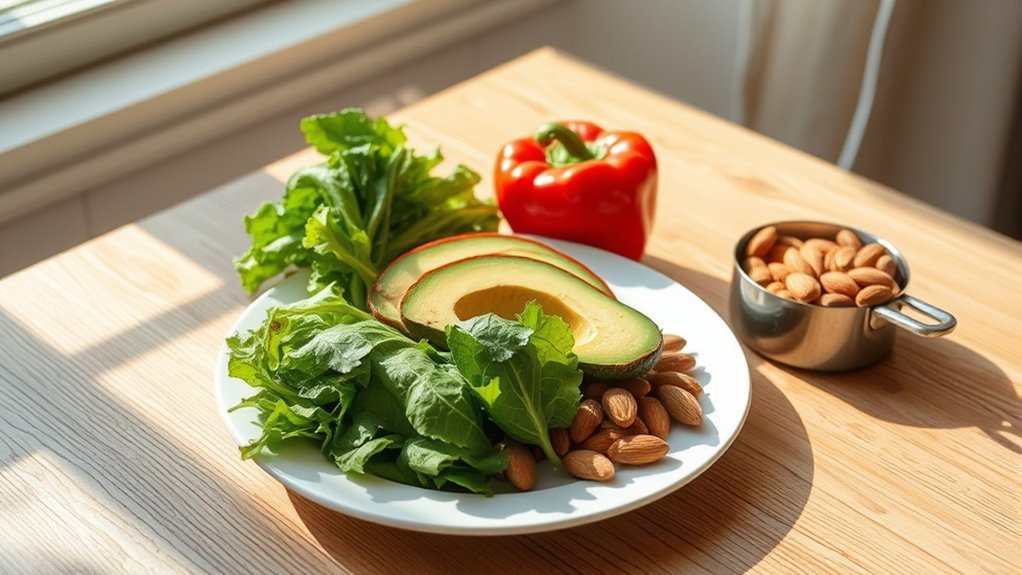
When following a keto diet, the standard carb limit is typically around 20 to 50 grams per day. However, individual factors like activity level and metabolic health can affect your specific needs. To guarantee you’re on track, consider monitoring your carb intake regularly.
Standard Carb Limit
The standard carb limit for a ketogenic diet typically falls between 20 to 50 grams of carbohydrates per day. Following these keto guidelines helps your body enter and maintain ketosis, where it burns fat for fuel instead of carbs. To stay within this limit, focus on low-carb, high-fat foods and avoid sugary snacks and starches. Opt for carb sources like leafy greens, nuts, and certain berries, which provide essential nutrients without spiking your blood sugar. Remember, the quality of carbs matters, so prioritize whole foods over processed options. Keeping your carb intake low not only supports weight loss but enhances your overall energy levels, giving you the freedom to thrive on your keto journey.
Individual Variability Factors
While many people aim for a standard carbohydrate limit on a ketogenic diet, individual variability plays an essential role in determining the ideal daily carb intake for you. Factors like genetic predisposition and metabolic rate can greatly affect how your body responds to carbs. For instance, some individuals may process carbohydrates more efficiently due to their unique genetics, allowing them to maintain ketosis at higher carb levels. Conversely, if your metabolic rate is slower, you might need to keep your carb intake lower to achieve the same results. Understanding these differences empowers you to tailor your carb consumption, granting you the freedom to find what truly works best for your body and lifestyle on your keto journey.
Tracking Your Intake
To effectively track your carbohydrate intake on a ketogenic diet, it’s vital to understand the recommended daily limits that can help you maintain ketosis. Generally, you should aim for 20-50 grams of net carbs per day, depending on your individual needs. Carb counting is important for achieving and sustaining nutrient balance while on this journey.
Here’s a simple reference table:
| Carb Intake (grams) | Effect on Ketosis | Nutrient Balance Importance |
|---|---|---|
| 20-30 | Strong ketosis | High-fat, moderate protein |
| 30-50 | Moderate ketosis | Maintain essential nutrients |
| 50+ | Risk of exiting ketosis | May lead to carb creep |
Factors Influencing Carb Needs

Understanding the factors that influence your carbohydrate needs on a ketogenic diet is essential for achieving ideal results. Your individual metabolism plays a significant role in how your body processes carbs. Some people have a higher carb sensitivity, meaning they might need to keep their carb intake lower to maintain ketosis, while others can tolerate more without affecting their state of ketosis. Additionally, factors like age, activity level, and overall health can also impact your carb requirements. If you’re more active, you might need slightly more carbs to fuel your workouts. Ultimately, finding the right balance is key, and it often requires some experimentation to determine what works best for you and your unique body.
How to Track Your Carb Intake
Tracking your carb intake is essential for staying on track with a ketogenic diet. You can use various tracking tools to simplify carb counting. Many apps let you log your meals and automatically calculate daily intake, making it easier to stay within your carb limits.
Here’s a quick reference for tracking:
| Tracking Method | Benefits |
|---|---|
| Mobile Apps | Convenient and user-friendly |
| Food Diaries | Encourages mindfulness in eating |
| Nutrition Labels | Helps understand portion sizes |
| Online Databases | Offers extensive food information |
Types of Carbohydrates: What to Avoid
When following a keto diet, it’s essential to know which types of carbohydrates to avoid. Refined sugars, starchy vegetables, and processed foods can greatly impact your carb intake and hinder your progress. By steering clear of these items, you’ll be better positioned to maintain ketosis and achieve your health goals.
Refined Sugars to Avoid
While it may be tempting to indulge in sugary treats, avoiding refined sugars is essential for anyone following a ketogenic diet. These sugars can derail your progress and hinder your body’s ability to enter ketosis. Be on the lookout for hidden sugars in everyday foods, as they can sneak into your diet without you noticing. Here are some refined sugars to avoid:
- Table sugar: A classic culprit that spikes insulin levels.
- High fructose corn syrup: Found in many processed foods and drinks, it’s a major source of hidden sugars.
- Agave syrup: Marketed as a healthy alternative, it’s still high in fructose.
Consider using sugar substitutes like stevia or erythritol to satisfy your sweet tooth without the carbs!
Starchy Vegetables Risks
Although many vegetables are considered healthy, starchy vegetables pose a significant risk for those on a ketogenic diet due to their high carbohydrate content. Foods like potatoes, corn, and peas contain excessive carbs that can easily exceed your daily limit, preventing you from entering ketosis. The health risks associated with consuming these starchy vegetables include spikes in blood sugar levels, which can lead to cravings and weight gain. If you’re aiming for freedom in your dietary choices, steering clear of these high-carb options can help you maintain your desired state of ketosis. Instead, focus on non-starchy alternatives like leafy greens and cruciferous vegetables that provide essential nutrients without the carb overload. Make informed choices and enjoy the benefits of a ketogenic lifestyle.
Processed Foods Dangers
As you navigate the ketogenic diet, it is vital to recognize the dangers of processed foods, which often contain hidden carbohydrates that can derail your efforts. These foods may seem convenient, but they carry significant health implications due to their ingredient labels. Be mindful of:
- Hidden sugars: They can sneak into your diet and spike insulin levels.
- Artificial additives: Often included to enhance flavor or shelf life, they can contribute to nutrient deficiencies.
- Long-term effects: Regular consumption may lead to chronic health issues, making smart food choices paramount.
To maintain your keto goals, prioritize whole foods in your meal planning and practice mindful eating. This way, you can enjoy freedom in your diet while safeguarding your well-being.
Adjusting Carb Intake Based on Activity Level
When you’re following a ketogenic diet, adjusting your carb intake based on your activity level can be crucial for maintaining ketosis and optimizing performance. If you’re engaged in high-intensity workouts, you might benefit from a temporary increase in carbs through a method called carb cycling. This strategy allows you to consume more carbohydrates on days with heavy exercise, while reducing your intake on rest days. By implementing this activity adjustment, you can fuel your workouts without derailing your ketogenic goals. It’s essential to listen to your body and monitor how changes in carb intake affect your energy levels and overall performance. Finding the right balance can empower you to enjoy the benefits of keto while staying active and free.
Tips for Staying Within Your Carb Limit
To successfully stay within your carb limit on a ketogenic diet, it’s important to plan your meals and snacks ahead of time. This not only helps you make informed choices but also prevents impulsive eating. Here are some tips to keep you on track:
- Focus on low-carb foods: Prioritize leafy greens, non-starchy vegetables, and healthy fats in your meal planning.
- Have keto-friendly snacks ready: Stock up on options like nuts, cheese, or avocado to curb cravings without exceeding your carb limit.
- Track your intake: Use apps or journals to monitor your daily carb consumption, ensuring you stay within your target.
1. How many grams of carbohydrates should I eat on a ketogenic diet?
On a ketogenic diet, it is generally recommended to limit carbohydrate intake to about 20 to 50 grams of net carbs per day. This low level of carbs helps your body enter a state of ketosis, where it burns fat for fuel instead of carbohydrates. However, the exact amount can vary depending on individual factors like activity level, metabolic health, and specific dietary goals.
2. What are net carbs and how do I calculate them?
Net carbs are calculated by subtracting fiber and certain sugar alcohols from the total carbohydrates in a food item. Since fiber and some sugar alcohols are not fully absorbed by the body, they do not significantly impact blood sugar levels. To calculate net carbs, use the formula: Net Carbs = Total Carbohydrates – Fiber – Sugar Alcohols.
3. Can I exceed the carb limit on a keto diet occasionally?
While it is possible to occasionally exceed your carbohydrate limit on a keto diet without immediately disrupting ketosis, frequent or significant deviations can hinder your progress. If you do indulge, it is advisable to return to your low-carb intake as soon as possible to maintain the benefits of ketosis.
4. What types of foods should I avoid to stay within my carb limit?
To stay within your carb limit on a ketogenic diet, avoid high-carb foods such as grains (bread, pasta, rice), sugary snacks (candies, desserts), starchy vegetables (potatoes, corn), and most fruits (except for small portions of berries). Focus on consuming low-carb vegetables, healthy fats, and moderate amounts of protein to maintain ketosis.
5. How can I track my carb intake effectively on keto?
To track your carb intake effectively on a keto diet, consider using a food diary or a mobile app designed for tracking macronutrients. These tools allow you to log your meals and calculate the total carbohydrate content, including net carbs. Additionally, reading food labels and being mindful of portion sizes can help you stay within your desired carb limit.
References
- https://www.ncbi.nlm.nih.gov/pmc/articles/PMC7072175/
- https://www.healthline.com/nutrition/what-is-a-keto-diet
- https://www.webmd.com/diet/what-is-the-keto-diet
- https://www.cdc.gov/healthyweight/assessing/bmi/adult_bmi/english_bmi_calculator/bmi_calculator.html
- https://www.mayoclinic.org/healthy-lifestyle/nutrition-and-healthy-eating/expert-answers/keto-diet/faq-20450301
- https://www.dietaryguidelines.gov/