

The ketogenic diet typically restricts carbohydrate intake to about 20 to 50 grams per day to achieve ketosis, where the body burns fat for fuel instead of carbs. This low-carb approach is designed to shift the body’s metabolism away from glucose and towards ketones, a more efficient energy source derived from fat. Understanding the specifics of carbohydrate limits and how to successfully manage them is crucial for anyone looking to adopt this dietary lifestyle.
Understanding Ketosis and Carb Intake

Ketosis is a metabolic state where the body shifts from using carbohydrates as its primary energy source to burning fat for fuel. This transition occurs when carbohydrate intake is significantly reduced, prompting the liver to convert fatty acids into ketones, which then serve as an alternative energy source. By limiting carbs to a range of 20 to 50 grams per day, individuals can effectively induce and maintain this fat-burning state. The exact threshold varies by individual, influenced by factors such as diet history, activity levels, and metabolic health.
For those new to the ketogenic diet, the goal is to reach ketosis quickly, often achieved by adhering to the lower end of this range. This initial restriction can lead to rapid weight loss and other health benefits, such as improved mental clarity and stabilized blood sugar levels.
Recommended Daily Carb Limits
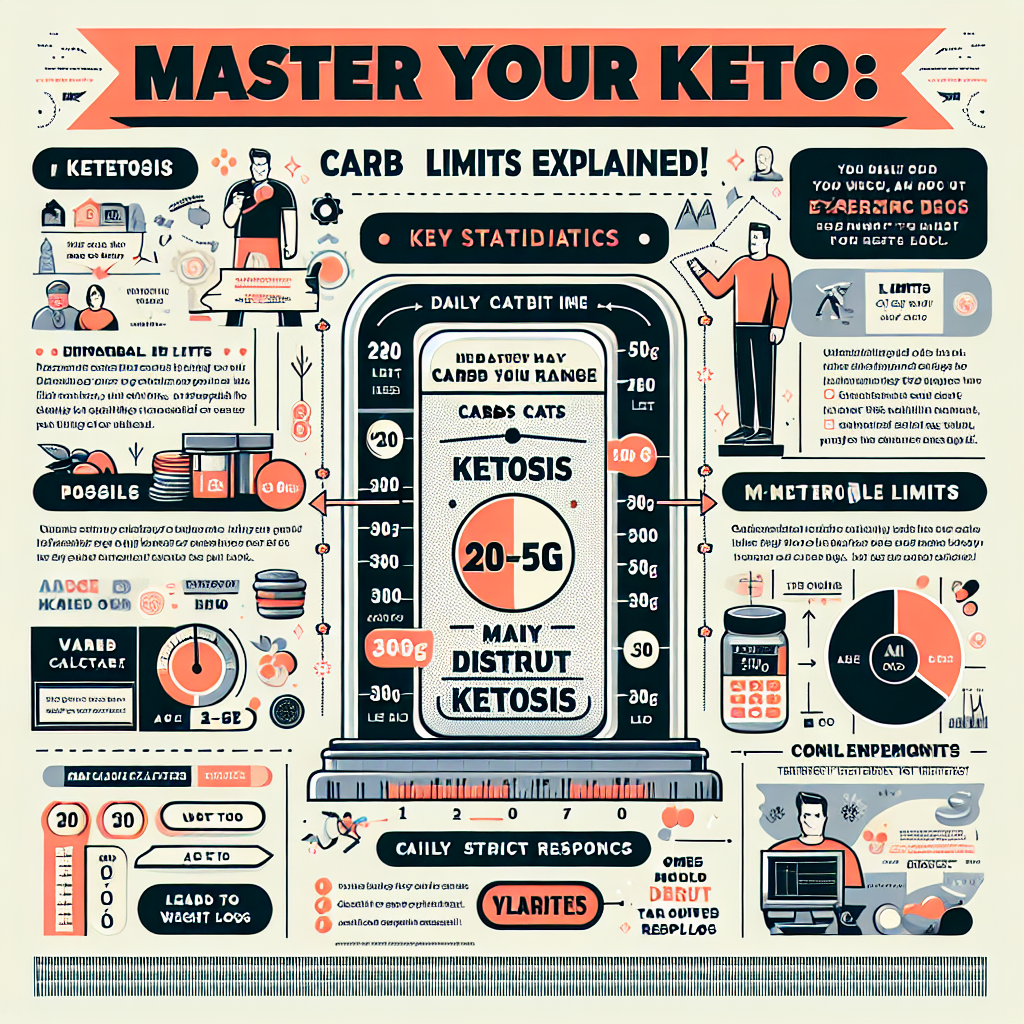

When embarking on a ketogenic journey, beginners are generally advised to limit their carbohydrate intake to under 20 grams per day. This strict limit facilitates a swift entry into ketosis, allowing the body to transition from glucose to fat as its primary energy source. As individuals progress and become more attuned to their bodies, some may find they can increase their carb intake to between 30 and 50 grams per day while still maintaining ketosis.
It’s important to note that this range is not one-size-fits-all; some may experience a disruption in ketosis at even lower levels, while others may remain in a state of ketosis even with higher carb consumption. Therefore, monitoring one’s personal response to dietary changes is essential for optimal results.
Calculating Your Personal Carb Needs
Understanding how to calculate your personal carbohydrate needs involves considering various factors such as age, weight, activity level, and metabolic health. For those who are more physically active, a slightly higher carb intake may be permissible, as the body utilizes glucose efficiently during exercise. Conversely, those who are sedentary or have certain metabolic disorders may need to stick closer to the lower end of the carb spectrum.
A variety of online calculators can provide estimates based on your specific metrics, but for a tailored approach, consulting a nutritionist or dietitian familiar with ketogenic principles can yield personalized recommendations. This professional guidance can help to establish a sustainable carb limit that aligns with your health goals and lifestyle.
Types of Carbohydrates to Avoid
To successfully adhere to a ketogenic diet, it’s crucial to avoid certain types of carbohydrates that can quickly lead you to exceed your daily limits. Primarily, sugars and grains should be eliminated from your diet. This includes obvious sources like candy, soda, and baked goods, as well as more insidious sources such as bread, pasta, and rice.
Additionally, processed foods often contain hidden sugars and starches, making it essential to learn how to read food labels effectively. Ingredients such as high fructose corn syrup or any form of sugar listed under different names can contribute to your carb count without you realizing it. Being vigilant about food choices and ingredient lists is vital in maintaining a low-carb intake.
Low-Carb Foods to Incorporate
Incorporating low-carb foods into your diet is essential for both nutritional balance and satisfaction. Non-starchy vegetables are an excellent choice, as they are high in fiber and nutrients yet low in carbohydrates. Options such as spinach, kale, broccoli, and zucchini make great additions to your meals.
Nuts and seeds can also be beneficial, providing healthy fats and protein while keeping carbs in check. Almonds, walnuts, and chia seeds are popular choices. Furthermore, healthy fats from sources like olive oil, avocados, and coconut oil should be prioritized, as they are the cornerstone of a ketogenic diet.
Common Mistakes to Avoid
One of the most common pitfalls for those on a ketogenic diet is underestimating the carb content in certain foods. Items like sauces, dressings, and even some vegetables can contain unexpected amounts of carbohydrates. This can lead to unintentional overconsumption and hinder progress.
Failing to track daily carb intake is another frequent mistake. Many individuals believe they can remember what they’ve eaten, but without diligent tracking, it’s easy to lose sight of your daily limits. Utilizing apps designed for tracking macronutrients can facilitate better monitoring and help ensure adherence to your carb goals.
Tips for Staying on Track
To successfully maintain a low carbohydrate intake, planning meals in advance is crucial. This helps avoid impulsive decisions that may lead to carb-heavy options. Creating a weekly meal plan can provide structure and eliminate uncertainty regarding what to eat.
Experimenting with keto-friendly recipes can also keep meals exciting and satisfying. There are numerous resources available, including cookbooks and online platforms, that offer creative, low-carb recipes ranging from breakfast to desserts. Such variety can help combat meal fatigue, making it easier to stick to your dietary regimen.
Joining a keto community, whether online or in-person, can provide support and inspiration. Engaging with others on a similar journey allows for the sharing of tips, recipes, and motivational success stories, which can be invaluable in staying committed to your goals.
Maintaining a low carbohydrate intake is crucial for success on a keto diet, typically between 20 to 50 grams per day. By understanding your personal needs, avoiding high-carb foods, and incorporating low-carb options, you can effectively adhere to the ketogenic lifestyle. Consider tracking your intake and connecting with the keto community for support and inspiration, ensuring you remain on the path to achieving your health and wellness goals.
Frequently Asked Questions
How many grams of carbs should I consume daily on a keto diet?
On a keto diet, the general guideline is to limit carbohydrate intake to about 20 to 50 grams of net carbs per day. This allows your body to enter a state of ketosis, where it burns fat for fuel instead of carbohydrates. The exact amount can vary based on individual factors such as age, activity level, and metabolic health, so it may be beneficial to track your intake using a food diary or app.
Why is it important to limit carbs on a keto diet?
Limiting carbohydrate intake is crucial on a keto diet because it helps reduce insulin levels and encourages the body to switch from glucose as its primary energy source to fat. This metabolic shift promotes fat burning and can aid in weight loss, improved mental clarity, and increased energy levels. Without restricting carbs, achieving and maintaining ketosis becomes difficult, which is the cornerstone of the ketogenic lifestyle.
What types of foods can I eat to stay within my carb limit on a keto diet?
To stay within your carb limit on a keto diet, focus on foods that are low in carbohydrates but high in healthy fats and protein. Ideal options include leafy greens, avocados, nuts, seeds, fatty fish, eggs, and high-quality meats. Always check food labels for hidden sugars or high-carb ingredients, and consider using keto-friendly substitutes for common high-carb foods.
Which keto snacks can help me manage my carb intake effectively?
Effective keto snacks should be low in carbs and high in healthy fats or protein. Some great options include cheese, hard-boiled eggs, nuts (like almonds or macadamia nuts), and raw vegetables with guacamole or cream cheese. Additionally, you can enjoy keto-friendly protein bars or dark chocolate (with a high cocoa percentage), but always check the nutritional information to ensure they fit within your daily carb limit.
How can I calculate net carbs for my meals on a keto diet?
To calculate net carbs on a keto diet, subtract the fiber content from the total carbohydrates in a food item. This is because fiber is a type of carbohydrate that your body does not digest, thus it does not impact your blood sugar levels. For example, if a food item has 10 grams of total carbs and 5 grams of dietary fiber, the net carbs would be 5 grams. This calculation helps you keep track of your carbohydrate intake effectively while following a ketogenic lifestyle.
References
- Ketogenic diet
- https://www.ncbi.nlm.nih.gov/pmc/articles/PMC5560125/
- https://www.health.harvard.edu/staying-healthy/the-ketogenic-diet
- https://www.cdc.gov/healthyweight/assessing/bmi/index.html
- https://www.mayoclinic.org/healthy-lifestyle/nutrition-and-healthy-eating/expert-answers/keto-diet/faq-20461109
- https://www.webmd.com/diet/what-is-the-keto-diet
- https://www.nhlbi.nih.gov/health-topics/healthy-eating
- Carbohydrates • The Nutrition Source