

The ketogenic diet typically limits carbohydrate intake to about 20-50 grams per day to promote ketosis, a metabolic state where the body burns fat for fuel instead of carbs. By adhering to this carb limit, you can effectively shift your metabolism to utilize stored fat, leading to weight loss and improved energy levels. In this article, we’ll explore the specifics of carb consumption on a keto diet, helping you understand how to effectively manage your intake for optimal results.
Understanding Ketosis and Carbohydrate Limits

Ketosis is achieved when carb intake is low enough to shift the body’s energy source from glucose to fat. This metabolic state occurs when carbohydrate consumption drops significantly, prompting the liver to produce ketones, which serve as an alternative energy source. Most keto diets recommend a daily limit of 5-10% of total calories from carbs, which translates to approximately 20-50 grams of carbohydrates per day for most individuals. This restriction is crucial, as exceeding these carbohydrate limits can prevent ketosis, thereby hindering the diet’s effectiveness. Understanding the physiological process behind ketosis not only reinforces the importance of carbohydrate limits but also emphasizes the necessity of maintaining a consistent low-carb intake for sustained results.
Types of Carbohydrates in a Keto Diet
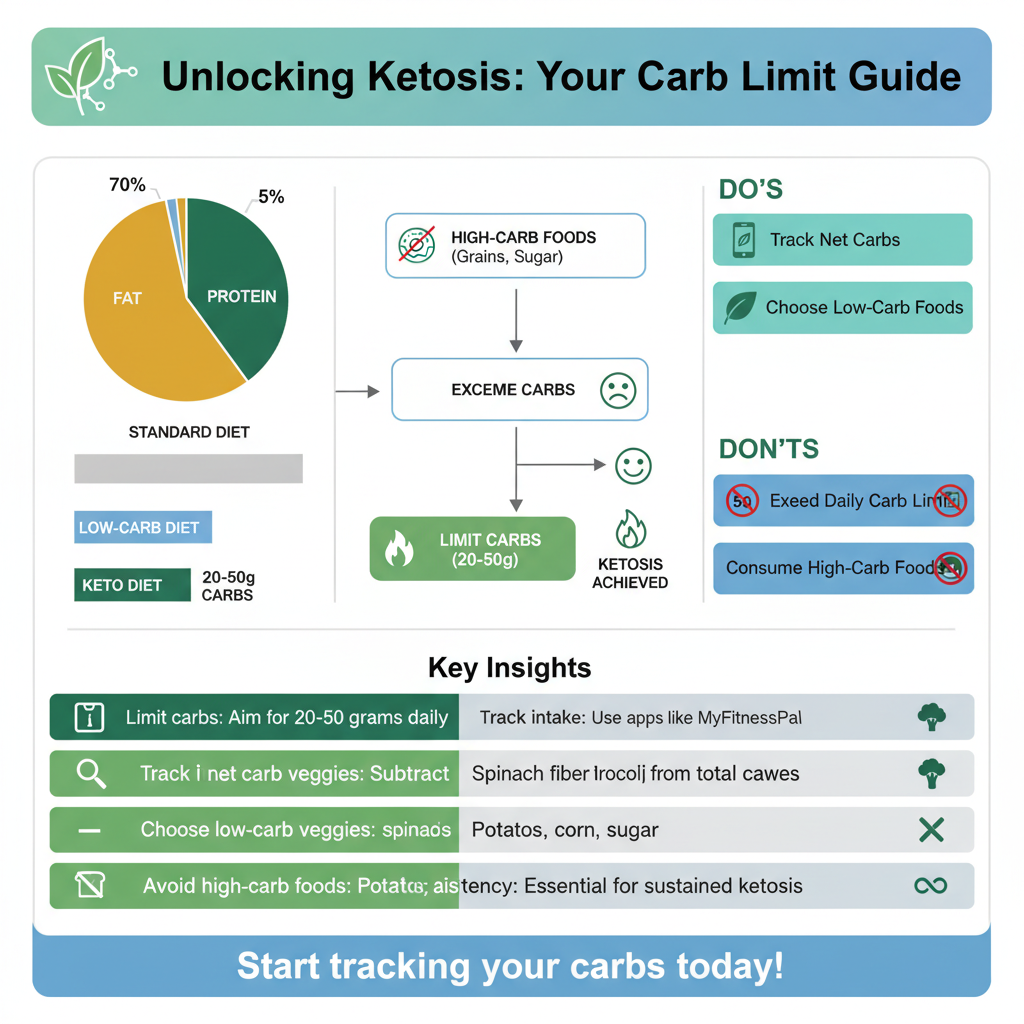

When following a ketogenic diet, it is essential to focus on net carbs, which are calculated by subtracting fiber and certain sugar alcohols from total carbohydrates. This distinction is vital, as fiber is not digested and does not raise blood sugar levels, making it an important component of a keto-friendly diet. Therefore, while planning your meals, prioritize low-carb vegetables, nuts, and seeds that provide essential nutrients without contributing significantly to your carb count. For example, leafy greens like spinach and kale, along with cruciferous vegetables such as broccoli and cauliflower, are excellent choices that offer fiber and vital micronutrients. In contrast, it is crucial to avoid high-carb foods such as grains, sugars, and starchy vegetables like potatoes and corn, as these can quickly add up and disrupt ketosis.
How to Track Your Carb Intake
Accurate tracking of carbohydrate consumption is paramount for anyone on a ketogenic diet. Utilizing apps or food diaries can help you monitor your carb intake effectively. Popular applications like MyFitnessPal and Cronometer allow users to log food and automatically calculate net carbs, streamlining the tracking process. Additionally, learning to read nutrition labels is essential; look for the total carbohydrate count and subtract fiber to determine the net carbs of a food item. It is also beneficial to familiarize yourself with common foods and their carb contents, as this knowledge can assist in meal planning and making informed choices when dining out. By diligently tracking your intake, you can better adhere to your carb limits and stay in ketosis.
Common Mistakes with Carb Counting
Despite the best intentions, many individuals make common mistakes when counting carbs on a keto diet. One prevalent error is miscalculating net carbs by ignoring fiber content. It is essential to remember that not all carbohydrates are created equal, and understanding the distinction between digestible and non-digestible carbs is crucial for staying within your limits. Another common pitfall involves overlooking hidden carbs found in condiments, sauces, and processed foods. These items often contain added sugars or starches that can quickly accumulate and push your daily carb intake beyond the desired range. To avoid these mistakes, take time to thoroughly examine ingredient lists and nutrition facts, ensuring that you are aware of all potential carbohydrate sources.
Adjusting Carb Intake for Individual Needs
Carbohydrate needs can vary significantly from person to person, influenced by factors such as age, activity level, and metabolic health. For instance, an athlete or someone with a physically demanding job may require a slightly higher carb intake to maintain energy levels, while someone leading a sedentary lifestyle may thrive on the lower end of the spectrum. It is advisable to experiment with your carb limit to find the optimal amount that keeps you in ketosis while supporting your daily activities. Gradually adjusting your intake and monitoring your body’s response can help you establish a personalized carb limit that aligns with your lifestyle and wellness goals.
Tips for Maintaining a Low-Carb Lifestyle
Maintaining a low-carb lifestyle can be challenging, but several strategies can help you stay on track. Meal planning and prepping are invaluable tools for ensuring that you have keto-friendly options readily available, reducing the temptation to stray from your carb limits. Invest time in preparing meals for the week ahead, focusing on high-fat, low-carb recipes that satisfy your cravings. Additionally, exploring keto-friendly snacks can be a game-changer. Options like cheese sticks, hard-boiled eggs, or nut butter can provide quick, satisfying choices that won’t derail your progress. Furthermore, consider joining online communities or forums where fellow keto dieters share recipes, tips, and support, making the journey easier and more enjoyable.
The Importance of Consulting a Healthcare Professional
Before embarking on a keto diet, it is crucial to discuss your plans with a healthcare professional or a nutritionist. Consulting with an expert can provide personalized guidance tailored to your individual health needs and goals, ensuring that you’re making informed decisions about your diet. A professional can assist in evaluating your current health status, identifying any potential risks, and recommending appropriate adjustments to your carb intake. This collaborative approach can enhance your chances of success while minimizing any adverse effects associated with dietary changes.
Maintaining the right amount of carbohydrates on a keto diet is crucial for achieving and sustaining ketosis. By understanding carb limits, tracking your intake, and making informed food choices, you can effectively navigate the keto lifestyle. With careful planning and the support of healthcare professionals, you can embark on your keto journey with confidence, ultimately leading to improved health and well-being. Consider starting your keto journey today by planning your meals and consulting with a professional for personalized advice.
Frequently Asked Questions
How many carbs should I eat on a keto diet?
On a ketogenic diet, it is typically recommended to limit carbohydrate intake to about 20 to 50 grams of net carbs per day. Net carbs are calculated by subtracting fiber and certain sugar alcohols from total carbohydrates, as they have minimal impact on blood sugar levels. This low carb intake is key to achieving and maintaining a state of ketosis, where your body burns fat for fuel instead of carbohydrates.
What are net carbs and how do I calculate them for the keto diet?
Net carbs are the total carbohydrates in a food item minus the fiber content and certain sugar alcohols that do not significantly affect blood sugar levels. To calculate net carbs for the keto diet, simply subtract the grams of fiber and sugar alcohols (like erythritol) from the total carbohydrates listed on the nutritional label. This allows you to enjoy a wider variety of foods while still adhering to your daily carb limit.
Why is it important to limit carbs on a keto diet?
Limiting carbs on a keto diet is crucial because it helps your body enter a state of ketosis, where it burns fat for energy instead of glucose derived from carbohydrates. When carb intake is reduced, insulin levels drop, which facilitates fat breakdown and promotes weight loss. Additionally, following a low-carb regimen can lead to improved energy levels, better mental clarity, and reduced cravings for sugar and processed foods.
Which foods are low in carbs and suitable for a keto diet?
Foods that are low in carbs and ideal for a keto diet include leafy greens (like spinach and kale), cruciferous vegetables (such as broccoli and cauliflower), fatty fish (like salmon and mackerel), avocados, eggs, and healthy fats like olive oil and coconut oil. Additionally, nuts and seeds can be consumed in moderation. Focusing on whole, unprocessed foods will help you stay within your carb limits while providing essential nutrients.
What are some common mistakes to avoid when calculating carbs on a keto diet?
Common mistakes when calculating carbs on a keto diet include not accounting for fiber and sugar alcohols when determining net carbs, misreading food labels, and underestimating portion sizes. Additionally, many people overlook hidden carbs in sauces, dressings, and processed foods. To avoid these pitfalls, always read labels carefully, measure portions accurately, and keep a food diary to track your total carb intake effectively.
References
- Ketogenic diet
- https://www.ncbi.nlm.nih.gov/pmc/articles/PMC5787399/
- https://www.healthline.com/nutrition/what-is-a-keto-diet
- https://www.cdc.gov/healthyweight/assessing/bmi/adult_bmi/index.html
- https://www.webmd.com/diet/what-is-the-keto-diet
- https://www.hsph.harvard.edu/nutritionsource/healthy-weight/dietary-patterns/keto-diet/
- https://www.nutrition.gov/topics/nutrition-and-health-conditions/diabetes/keto-diet
- https://www.diabetes.org/nutrition/healthy-food-choices-made-easy/keto-diet