

The keto diet typically allows for a daily carbohydrate intake of around 20 to 50 grams, depending on individual factors such as activity level and metabolic health. This low-carb approach helps your body enter a state of ketosis, where it burns fat for fuel instead of carbohydrates. The specific amount of carbs you should eat can vary greatly based on personal factors, including your goals and lifestyle. In this article, we will explore the ideal carb intake for the keto diet, how to calculate your personal needs, and practical tips for sticking to your carb limit.
Understanding the Keto Diet

The ketogenic diet, or keto diet, is a high-fat, moderate-protein, and low-carbohydrate eating plan designed to shift the body’s metabolism from burning carbohydrates to burning fat. This metabolic state, known as ketosis, occurs when the body is deprived of carbohydrates and turns to fat stores for energy, which can lead to weight loss and improved overall health markers. The typical macronutrient breakdown for a standard ketogenic diet consists of approximately 70-75% fat, 20-25% protein, and only 5-10% carbohydrates. This stark reduction in carbohydrate intake is crucial for transitioning the body into ketosis, enabling enhanced energy levels, reduced hunger, and potential cognitive benefits.
Determining Your Carb Intake
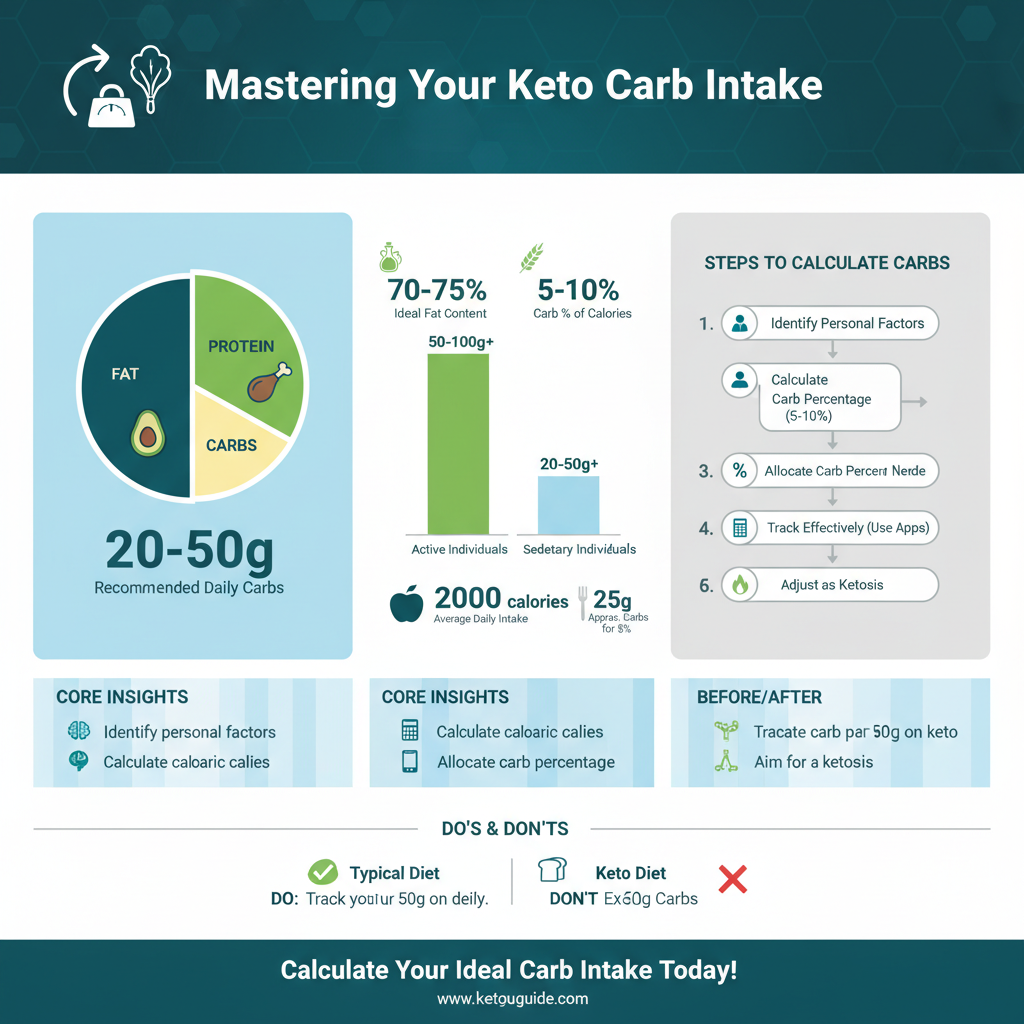

While the general recommendation for carbohydrate intake on the keto diet is 5-10% of daily caloric intake, the ideal amount can differ significantly based on individual factors. Your age, sex, weight, activity level, and specific health goals all play a critical role in determining how many carbs you should consume. For example, an active individual may require a slightly higher carb intake to fuel workouts, while someone looking to lose weight might benefit from sticking closer to the 20-gram threshold.
To calculate your personal carbohydrate needs, start by determining your total daily caloric requirements. Once you have this number, multiply it by the percentage of calories you wish to allocate to carbohydrates. For instance, if you consume 2000 calories daily and aim for 5% from carbs, that equates to 100 calories from carbohydrates, or approximately 25 grams of carbs (as there are 4 calories per gram of carbohydrate).
Tracking Carbs Effectively
Effective tracking of carbohydrate intake is essential for successfully adhering to the keto diet. Utilizing apps like MyFitnessPal, Cronometer, or Carb Manager can provide a straightforward solution to monitor daily carb consumption. These applications allow you to log meals and automatically calculate the total carbohydrate content, including net carbs—an essential metric that subtracts fiber from total carbs, as fiber does not significantly impact blood sugar levels.
In addition to digital tracking, maintaining a food journal can offer insights into eating patterns and help identify any hidden carbs that may be sneaking into your diet. Be vigilant about portion sizes and serving sizes, particularly with foods that may seem low in carbs at first glance, as they can add up quickly.
Types of Carbohydrates on Keto
On the keto diet, not all carbohydrates are created equal. It is vital to focus on high-quality, nutrient-dense sources of carbohydrates while avoiding those that can sabotage your keto efforts. Low-carb vegetables, such as leafy greens, broccoli, cauliflower, and zucchini, should form the backbone of your carb sources. These vegetables are not only low in carbs but also rich in vitamins, minerals, and antioxidants.
In addition to vegetables, nuts and seeds, such as almonds, walnuts, chia seeds, and flaxseeds, are excellent options due to their healthy fats and fiber content. These foods can also help keep you satiated, making it easier to stick to your carb limits. Conversely, it is essential to avoid sugars, grains, and starchy foods like bread, pasta, rice, and potatoes, which can quickly elevate your carb intake and hinder your progress.
Adjusting Your Carb Intake
Listening to your body is crucial when it comes to adjusting your carb intake. Some individuals may find that they can maintain ketosis while consuming slightly more carbs, particularly if they are physically active or have reached their weight loss goals. Monitoring energy levels, hunger cues, and weight loss progress can provide guidance on whether to increase or decrease carb consumption.
In some cases, carb cycling—alternating between high-carb and low-carb days—can also be an effective strategy for those who want to boost their metabolism or break through weight loss plateaus. This approach can help maintain muscle mass and provide a temporary energy boost for intense workouts.
Common Mistakes to Avoid
Many people embarking on the keto diet can make critical mistakes that undermine their efforts. One common error is overestimating carb values in foods. It is essential to check nutrition labels diligently and not rely solely on assumptions about what is “keto-friendly.” Hidden sugars and high-carb ingredients are often present in sauces, dressings, and processed foods, making label-reading a necessity.
Another mistake is underestimating the impact of hidden sugars in everyday foods. Even seemingly healthy options like yogurt, granola bars, and certain condiments can contain significant amounts of added sugars. Staying aware of these potential pitfalls can help keep your carb intake in check.
Tips for Staying on Track
To successfully adhere to your carb limits on the keto diet, meal planning is essential. Preparing meals in advance can help you avoid high-carb temptations and ensure you have keto-friendly options readily available. Consider batch cooking low-carb meals and snacks that you enjoy, making it easier to stick to your diet during busy times.
Experimenting with keto-friendly recipes can also keep your meals interesting and prevent boredom. From cauliflower rice to zucchini noodles, there are numerous creative alternatives to traditional high-carb foods. Engaging in the culinary aspect of the keto diet can also help reinforce your commitment to maintaining a low-carb lifestyle.
Sticking to the recommended carbohydrate intake on the keto diet is essential for achieving and maintaining ketosis and reaping the diet’s benefits. By understanding your personal needs, tracking your intake, and making informed food choices, you can successfully navigate your keto journey. Start implementing these tips today and take control of your keto lifestyle!
Frequently Asked Questions
How many carbs should I eat on a keto diet to reach ketosis?
On a ketogenic diet, most individuals aim to consume around 20 to 50 grams of net carbohydrates per day to reach and maintain ketosis. Net carbs are calculated by subtracting fiber and certain sugar alcohols from total carbohydrates. This low carbohydrate intake forces the body to utilize fats as its primary source of energy, thus promoting ketosis. It’s essential to monitor your carb intake closely, especially during the initial stages of the diet.
What are net carbs, and how do I calculate them for the keto diet?
Net carbs refer to the total carbohydrates in a food item minus its fiber content and certain sugar alcohols that do not significantly affect blood sugar levels. To calculate net carbs, simply take the total grams of carbohydrates and subtract the grams of fiber and sugar alcohols (like erythritol or xylitol). This method helps in determining how many carbs you can consume while still maintaining ketosis on the keto diet.
Why is it important to limit carbs on a keto diet?
Limiting carbohydrates on a ketogenic diet is crucial because it helps to shift your body’s primary energy source from glucose to fat. When carb intake is low, insulin levels drop, allowing the body to enter a state of ketosis, where it burns fat for fuel. This metabolic change can lead to effective weight loss, improved energy levels, and enhanced mental clarity, making carb restriction a fundamental aspect of the keto diet.
What is the best way to track my carb intake on a keto diet?
The best way to track your carb intake on a keto diet is by using a food diary or a mobile app specifically designed for ketogenic tracking. Apps like MyFitnessPal or Cronometer allow you to log your food intake, providing details on total carbohydrates, net carbs, and nutritional values. Regularly monitoring your carb consumption helps you stay within your target range and achieve your dietary goals effectively.
Which foods should I avoid to keep my carb intake low on a keto diet?
To maintain a low carb intake on a keto diet, it’s best to avoid foods high in sugars and starches. This includes bread, pasta, rice, potatoes, sugary snacks, and most fruits. Instead, focus on whole foods like leafy greens, avocados, nuts, seeds, and healthy fats such as olive oil and butter, which are low in carbs and supportive of a ketogenic lifestyle.
References
- https://www.healthline.com/nutrition/keto-diet-101
- https://www.ncbi.nlm.nih.gov/pmc/articles/PMC7697148/
- https://www.mayoclinic.org/healthy-lifestyle/nutrition-and-healthy-eating/expert-answers/keto-diet/faq-20460130
- https://www.cdc.gov/healthyweight/assessing/bmi/adult_bmi/index.html
- https://www.britannica.com/topic/keto-diet
- https://www.webmd.com/diet/what-is-the-keto-diet
- Not Found | American Heart Association | American Heart Association