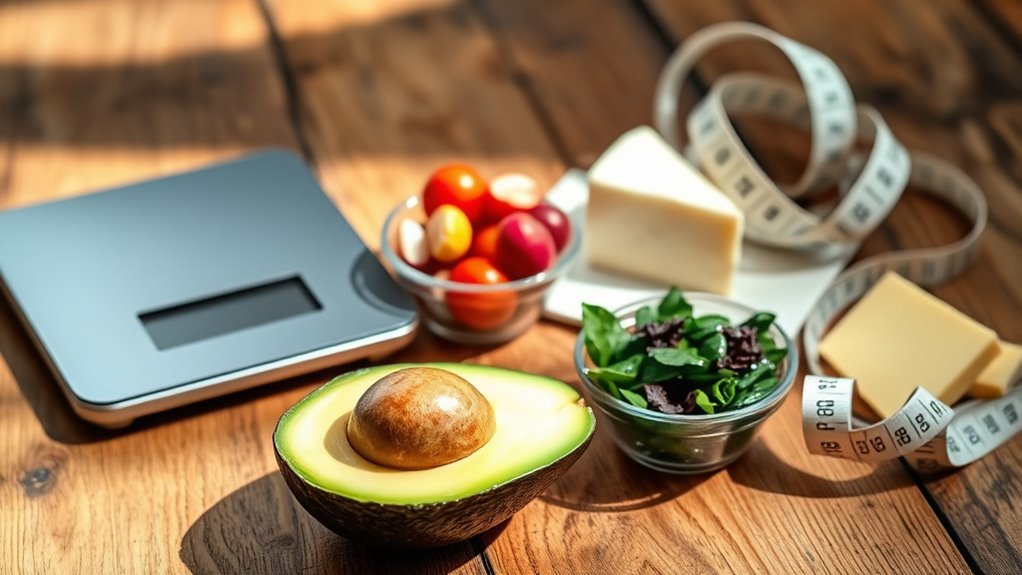

On the keto diet, you should aim for 20 to 50 grams of carbohydrates per day to maintain ketosis, which helps your body burn fat for energy. Starting at 20 grams is ideal, focusing on leafy greens and nuts. If you’re more active or younger, you might tolerate slightly more carbs. It’s essential to track your intake and choose whole foods. There are plenty of delicious low-carb meal ideas to keep your meals exciting and satisfying.
Understanding Ketosis and Its Importance
When you’re considering the keto diet, it’s essential to understand ketosis and why it matters. Ketosis is a metabolic state where your body shifts from using glucose for energy to burning fat instead. This process occurs when you drastically reduce carbohydrate intake, prompting your liver to produce ketones from fat. Ketosis explained in simple terms means your body becomes efficient at utilizing fat, which can lead to weight loss and improved energy levels. Many people enjoy the freedom that comes with being in ketosis, as it can reduce hunger and stabilize blood sugar levels. However, achieving and maintaining this state requires careful planning and understanding of your food choices, ensuring you harness the benefits of this powerful metabolic shift.
Recommended Daily Carb Intake on Keto

On a keto diet, most people aim to consume between 20 to 50 grams of carbohydrates per day to effectively enter and maintain ketosis. These keto carb limits are designed to encourage your body to burn fat for fuel instead of glucose. Daily carb recommendations can vary based on individual factors like activity level and metabolic health, but sticking to this range is key for most.
| Carb Intake (g) | Ketosis Status | Suggested Foods |
|---|---|---|
| 20 | Ideal | Leafy greens, nuts |
| 30 | Good | Berries, avocado |
| 40 | Moderate | Cheese, low-carb veggies |
| 50 | Acceptable | Eggs, fatty fish |
| 60+ | Unlikely | Grains, sugars |
Factors Influencing Carb Limits
Several factors can influence your carb limits on the keto diet, including your age, activity level, and metabolic health. Your individual metabolism plays an essential role in determining how many carbs you can consume while maintaining ketosis. Younger individuals often have a higher metabolic rate, which may allow for more carbs. Meanwhile, your activity level greatly impacts your carb tolerance; more active people may handle a slightly higher carb intake without exiting ketosis. Additionally, your metabolic health, including insulin sensitivity and hormonal balance, can also affect how your body processes carbohydrates. Understanding these factors can help you tailor your carb limits for ideal results while still enjoying the freedom that the keto diet offers.
Tips for Managing Your Carb Intake
Although managing your carb intake on the keto diet can seem intimidating, there are effective strategies that can help you stay within your limits while still enjoying a variety of foods. Start by tracking your progress with an app or journal, making it easier to see what works for you. Meal prepping is another valuable tool; by preparing low-carb meals in advance, you reduce the temptation to stray from your plan. Focus on whole, unprocessed foods that naturally fit into your carb limits. Don’t forget to read labels to check for hidden carbs. Finally, allow yourself some flexibility; it’s okay to indulge occasionally as long as you stay mindful of your overall intake. Enjoying the journey is key!
Delicious Low-Carb Meal Ideas
When you’re following a low-carb diet like keto, finding delicious meal ideas that satisfy your cravings is essential. Start your day with a spinach and cheese omelet for a filling breakfast. For lunch, consider a grilled chicken salad topped with avocado and a low-carb dressing. Dinner can be a zesty zucchini noodle stir-fry with shrimp, providing both flavor and nutrition. Don’t forget about low carb snacks! Almonds, cheese sticks, or cucumber slices with guacamole can keep you satisfied between meals. Explore keto friendly recipes that incorporate herbs and spices to enhance flavors while keeping carbs low. With these ideas, you’ll enjoy freedom in your meals without compromising your dietary goals.
Frequently Asked Questions about Carbs on the Keto Diet
1. How many carbs should I eat on a keto diet?
On a keto diet, the typical carbohydrate intake is usually limited to about 20 to 50 grams of net carbs per day. This low carb intake helps the body enter a state of ketosis, where it burns fat for fuel instead of carbohydrates. Net carbs are calculated by subtracting fiber and certain sugar alcohols from total carbohydrates, as these do not significantly impact blood sugar levels.
2. Why is it important to limit carbs on the keto diet?
Limiting carb intake is crucial on the keto diet because it encourages the body to enter ketosis, a metabolic state where fat is used as the primary source of energy instead of glucose from carbohydrates. This shift can lead to weight loss, improved mental clarity, and stable energy levels. High carbohydrate intake can hinder the process of ketosis and prevent you from achieving the desired benefits of the diet.
3. Can I exceed the carb limit on a keto diet occasionally?
While it is possible to occasionally exceed the carb limit on a keto diet, doing so can disrupt ketosis and may take time to re-enter it. If you consume too many carbohydrates, your body will revert to using glucose for energy, which can lead to weight gain and loss of the metabolic benefits associated with ketosis. It’s important to moderate your carb intake consistently to maintain the desired results.
4. What types of carbs should I focus on when following a keto diet?
When following a keto diet, focus on consuming low-carb vegetables, leafy greens, nuts, seeds, and healthy fats while avoiding high-carb foods like grains, sugars, and starchy vegetables. Non-starchy vegetables, such as spinach, broccoli, and zucchini, are excellent choices as they are low in carbs and high in nutrients, helping you stay within your carb limits while providing essential vitamins and minerals.
5. How can I track my carb intake on the keto diet?
To effectively track your carb intake on the keto diet, consider using food tracking apps or websites that allow you to log your meals and analyze the nutritional content. Popular options like MyFitnessPal, Carb Manager, and Cronometer can help you keep an accurate count of your daily carb consumption. Additionally, reading food labels and keeping a food diary can assist in managing your carb intake and ensuring you stay within your target range.
References
- https://www.ncbi.nlm.nih.gov/pmc/articles/PMC7020559/
- https://www.health.harvard.edu/staying-healthy/the-ketogenic-diet
- https://www.cdc.gov/healthyweight/healthy_eating/dietary_guidelines.html
- https://www.nutrition.gov/topics/nutrition-and-health/healthy-eating-keto-diet
- https://www.mayoclinic.org/healthy-lifestyle/nutrition-and-healthy-eating/expert-answers/keto-diet/faq-20460592
- https://www.webmd.com/diet/obesity/what-is-the-keto-diet
- https://www.bbc.com/news/health-51019043
- https://www.who.int/news-room/fact-sheets/detail/healthy-diet
- https://www.verywellfit.com/what-is-the-keto-diet-4787128