

On the keto diet, you should aim to limit your carbohydrate intake to between 20 to 50 grams per day. This restriction helps your body enter and maintain a state of ketosis, where it burns fat for fuel instead of carbs. Monitoring your carb intake is essential, as it allows for effective meal planning and better adherence to your dietary goals. There are many more insights on types of carbs and food choices you can make to succeed on this journey.
Understanding Ketosis and Carbohydrate Restriction
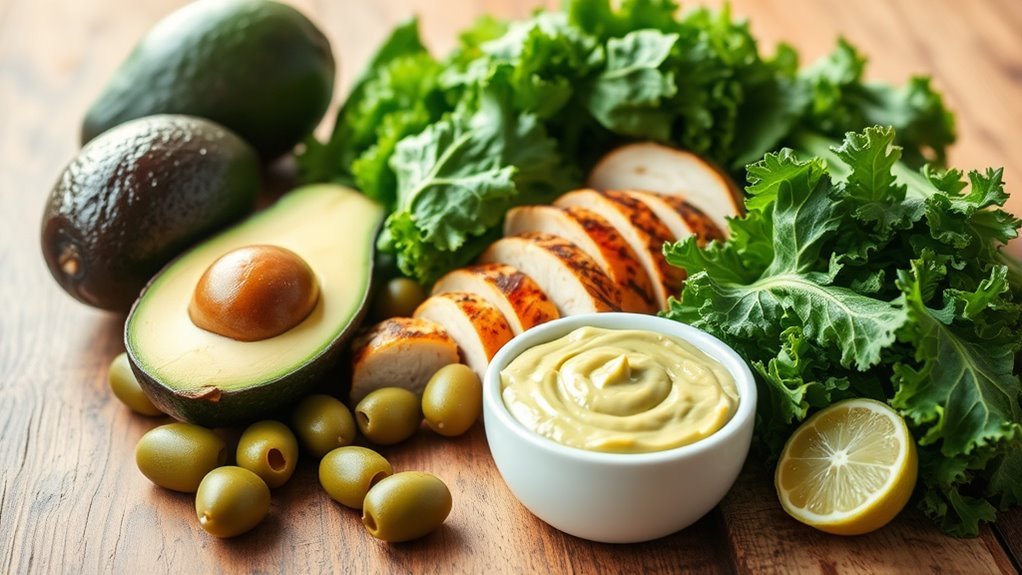
When you begin a ketogenic diet, understanding ketosis and carbohydrate restriction is essential to achieving your goals. Ketosis is a metabolic state in which your body burns fat for fuel instead of carbohydrates. By greatly reducing carbohydrate sources like grains and sugars, your body adapts to this new energy pathway. The ketosis benefits include improved mental clarity, increased energy levels, and enhanced fat loss. As you limit carbs, your insulin levels drop, allowing fat to be released from your cells more efficiently. This shift not only helps in weight management but also promotes overall well-being. Embracing this lifestyle can empower you to take control of your health while enjoying delicious, satisfying foods that align with your new dietary choices.
Recommended Daily Carb Limits on Keto
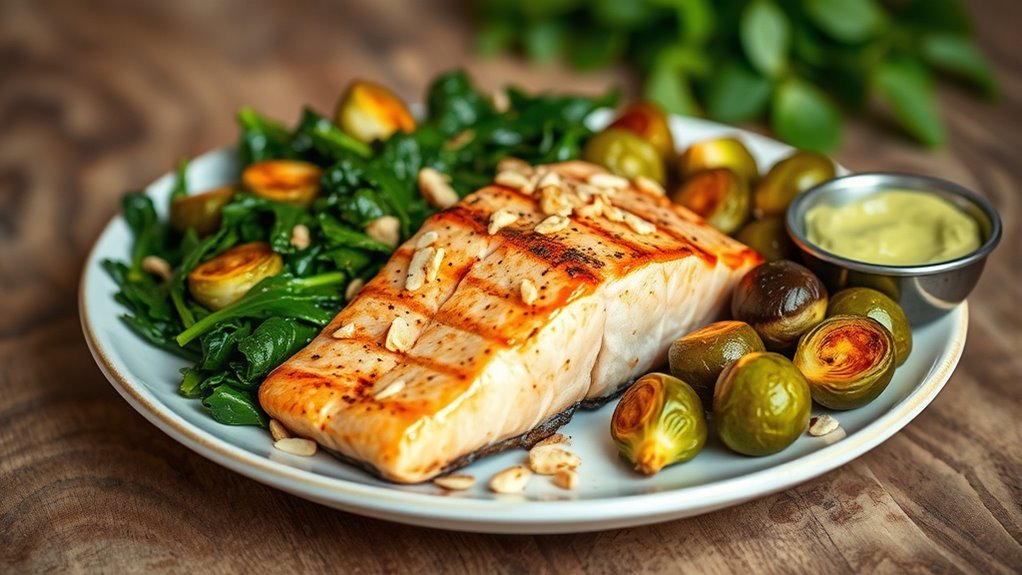
When following a keto diet, it’s crucial to understand the recommended daily carb limits that can help you achieve your goals. Typically, a standard approach suggests keeping your carb intake around 20 to 50 grams per day, but there are variations like the targeted and cyclical keto strategies that might suit your lifestyle better. Knowing these options will help you tailor your carb consumption to fit your personal needs while maximizing the benefits of ketosis.
Standard Carb Limit
Although the specific carb limit can vary based on individual goals and metabolic responses, a common recommendation for those on a ketogenic diet is to keep daily carbohydrate intake between 20 to 50 grams. This range encourages ketosis, where your body burns fat for fuel instead of carbs. To successfully achieve this, carb counting becomes vital, allowing you to monitor your intake effectively. Meal planning also plays a significant role, helping you choose low-carb foods that satisfy your hunger while keeping you within your limits. By being mindful of your carb intake, you can better enjoy the freedom of choosing foods that align with your keto lifestyle, ultimately supporting your health and wellness goals.
Targeted Keto Approach
If you’re looking to optimize your performance during workouts while following a ketogenic diet, the targeted keto approach might be right for you. This strategy allows you to consume a moderate amount of carbs—typically 20 to 50 grams—around your workout times, ensuring you have enough energy for intense exercise without disrupting ketosis. By timing your carb intake, you can enhance your performance and recovery. Targeted keto is often paired with carb cycling, where you adjust carb intake based on your activity levels throughout the week. This flexibility offers you the freedom to enjoy carbs strategically, supporting both your fitness goals and maintaining a ketogenic lifestyle. Ultimately, it’s about finding what works best for your body and routine.
Cyclical Keto Strategy
The cyclical keto strategy involves alternating between periods of strict ketogenic eating and higher-carb days, typically lasting five to six days of low-carb intake followed by one to two days of increased carbs. This cyclical approach can enhance metabolic flexibility, allowing your body to adapt better to workouts and maintain energy levels. By incorporating carb cycling, you can experience keto benefits like fat loss while preserving muscle. Proper meal timing during higher-carb days can optimize performance and recovery. This dietary strategy not only supports your fitness goals but also provides a sense of freedom, letting you enjoy a variety of foods without completely sacrificing your ketogenic lifestyle. Ultimately, the cyclical approach can be a sustainable way to achieve your health objectives.
How to Calculate Your Personal Carb Intake
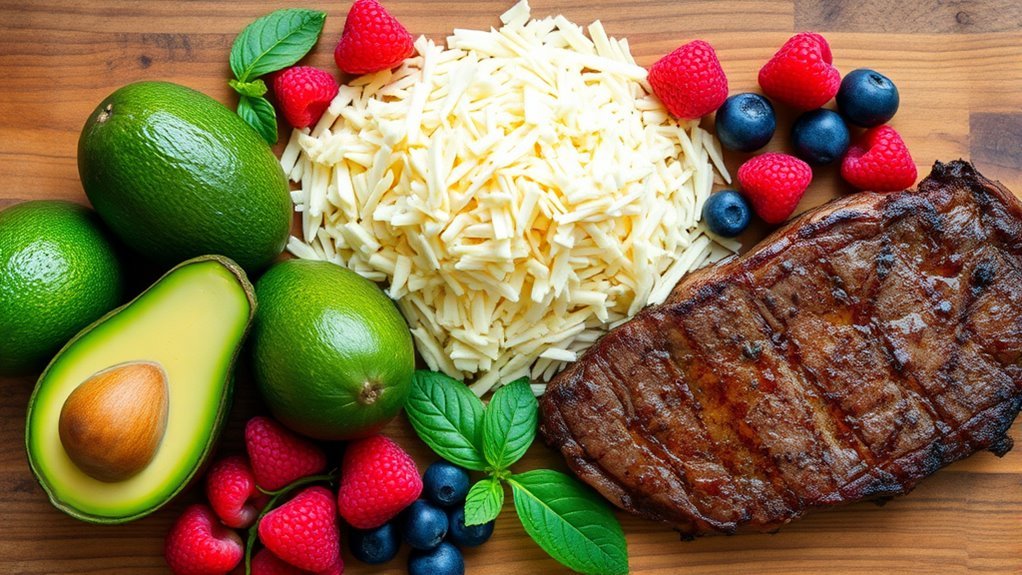
To effectively calculate your personal carb intake on the keto diet, it’s essential to take into account factors such as your age, activity level, and weight loss goals. Start by determining your daily caloric needs, then establish a target for your macronutrient ratios. The typical keto diet suggests around 5-10% of your total calories should come from carbs. This translates to approximately 20-50 grams of net carbs daily, but your personalized carb limit may vary based on individual needs. Consider using a food diary or app to track your intake and adjust as necessary. Monitoring how your body responds will help you fine-tune your approach, ensuring you stay within your personalized carb range for best results.
Types of Carbs: Net Carbs vs. Total Carbs
What’s the difference between net carbs and total carbs, and why does it matter on the keto diet? Total carbs refer to all carbohydrates in food, including fiber and sugar alcohols, while net carbs focus solely on the carbs that impact blood sugar levels. To calculate net carbs, you subtract fiber and certain sugar alcohols from total carbs. This distinction is essential for you on the keto diet, as it helps you stay within your carb limit, promoting ketosis. By tracking net carbs, you can enjoy more foods that are high in fiber, like leafy greens, without derailing your progress. Understanding this difference empowers you to make informed choices and maintain your desired freedom in food selection.
Foods to Avoid on the Keto Diet
When following a keto diet, it’s crucial to know which foods can hinder your progress. Avoid processed foods, as they often contain hidden sugars and unhealthy fats that can kick you out of ketosis. Steer clear of high carb vegetables like potatoes and corn, as well as starchy foods like bread and pasta. Sugary beverages are also a no-go; they can add unnecessary carbs. Low fat products may sound healthier, but they often contain added sugars to compensate for taste. Additionally, be cautious with gluten-containing grains and fruits high in carbs, like bananas and grapes. Instead, focus on whole, low-carb options for successful keto snacks and meal planning. Your choices matter for achieving your dietary goals.
Delicious Low-Carb Foods to Incorporate
Incorporating delicious low-carb foods into your keto diet can make the journey enjoyable and sustainable. Consider swapping pasta for zucchini noodles or rice for cauliflower rice; both are excellent, low-carb alternatives. Almond flour can be a game-changer for baking, while coconut yogurt provides a creamy treat without the carbs. For rejuvenating side dishes, try an avocado salad or crunchy spinach chips. Cheese crisps make for a tasty snack, and egg muffins are perfect for on-the-go breakfasts. If you’re craving a burger, mushroom burgers offer a satisfying, meat-free option. Finally, berry smoothies can be a delightful way to indulge without exceeding your carb limits. Embrace these options to elevate your keto experience!
Tips for Staying Within Your Carb Limits
To stay within your carb limits on the keto diet, planning your meals is essential. By preparing ahead of time, you can guarantee that your food choices align with your carb goals. Tracking your intake can also help you monitor your progress and make adjustments as needed.
Plan Your Meals
Planning your meals effectively is essential for staying within your carb limits on the keto diet, especially since even small miscalculations can lead to exceeding your daily allowance. Start by incorporating meal prepping into your routine; preparing meals in advance allows you to control ingredients and portions, making it easier to stick to your carb goals. Focus on portion control by using measuring tools or food scales to guarantee that you’re not overindulging. Create a weekly menu filled with low-carb recipes that excite you, which helps maintain your motivation. Don’t forget to keep snacks on hand that align with keto principles, so you’re less tempted to stray from your plan. This proactive approach empowers you to enjoy your meals while staying on track.
Track Your Intake
Meal prepping is a great start, but it’s equally important to track your carb intake to confirm you’re meeting your keto goals. Carb tracking can help you stay aware of your daily limits and confirm your body remains in ketosis. Use apps or journals for intake monitoring; they can simplify the process and provide insights into your eating habits. Focus on net carbs, which consider fiber, to make your tracking more effective. Consistently logging your meals allows you to identify patterns and adjust as needed. Remember, it’s not about restriction but about embracing a lifestyle that aligns with your health aspirations. By staying informed, you’ll enjoy the freedom that comes with being in control of your dietary choices.
1. How many carbs should I eat on a keto diet?
On a standard ketogenic diet, you should aim to consume about 20 to 50 grams of net carbohydrates per day. This typically represents 5-10% of your total daily caloric intake. The goal is to reach a state of ketosis, where your body burns fat for fuel instead of carbohydrates. It’s essential to monitor your carb intake closely, especially when starting the diet, to ensure you maintain ketosis.
2. What are net carbs and how are they calculated?
Net carbs are calculated by subtracting fiber and certain sugar alcohols from the total carbohydrates in a food item. This is because fiber and some sugar alcohols do not significantly impact blood sugar levels. For example, if a food contains 10 grams of total carbs, 4 grams of fiber, and 2 grams of erythritol (a common sugar alcohol), the net carbs would be 10 – 4 – 2 = 4 grams.
3. Can I eat fruits on a keto diet?
While many fruits are high in carbohydrates and may not fit into a strict keto diet, there are low-carb options you can enjoy in moderation. Berries, such as strawberries, raspberries, and blackberries, are typically lower in carbs compared to other fruits. Avocado is also a great choice due to its healthy fats and low carb content. Always check the carb count and portion sizes to ensure you stay within your daily limits.
4. What happens if I exceed my carb limit on the keto diet?
Exceeding your carb limit can kick you out of ketosis, which is the metabolic state where your body burns fat for fuel. If you consume too many carbs, your body will revert to using glucose as its primary energy source, and you may experience a range of symptoms known as “carb flu,” including fatigue, headaches, and irritability. To get back into ketosis, you may need to restrict your carb intake again and possibly increase your physical activity.
5. Are there any specific foods I should avoid on a keto diet?
Yes, there are several foods you should avoid to maintain ketosis. High-carb foods such as bread, pasta, rice, sugary snacks, and most fruits should be limited or eliminated. Additionally, starchy vegetables like potatoes and corn can also contribute significantly to your carb intake. Instead, focus on consuming healthy fats, proteins, and low-carb vegetables to stay within your carb limits and support your keto goals.
References
- https://www.healthline.com/nutrition/ketogenic-diet-101
- https://www.ncbi.nlm.nih.gov/pmc/articles/PMC5960908/
- https://www.cdc.gov/healthyweight/assessing/bmi/adult_bmi/index.html
- https://www.webmd.com/diet/what-is-the-keto-diet
- https://www.bmj.com/content/374/bmj.n2000
- https://www.mayoclinic.org/healthy-lifestyle/nutrition-and-healthy-eating/expert-answers/keto-diet/faq-20423135
- https://www.verywellfit.com/what-is-the-keto-diet-4686879
- https://www.nhlbi.nih.gov/health-topics/obesity
- https://www.heart.org/en/healthy-living/healthy-eating/eat-smart/nutrition-basics/understanding-carbohydrates
- https://www.nutrition.gov/topics/nutrition-basics/carbohydrates