

On a ketogenic diet, you typically consume between 20 to 50 grams of carbohydrates each day. This range helps your body enter ketosis, promoting fat burning instead of relying on carbs for energy. While it’s important to limit high-glycemic carbs like sugars and grains, some whole food sources can fit into your plan. Understanding how individual factors influence your carb needs can make a difference too. Explore more about effective carb management and food choices for ideal keto success.
Understanding Ketosis and Carbohydrate Intake
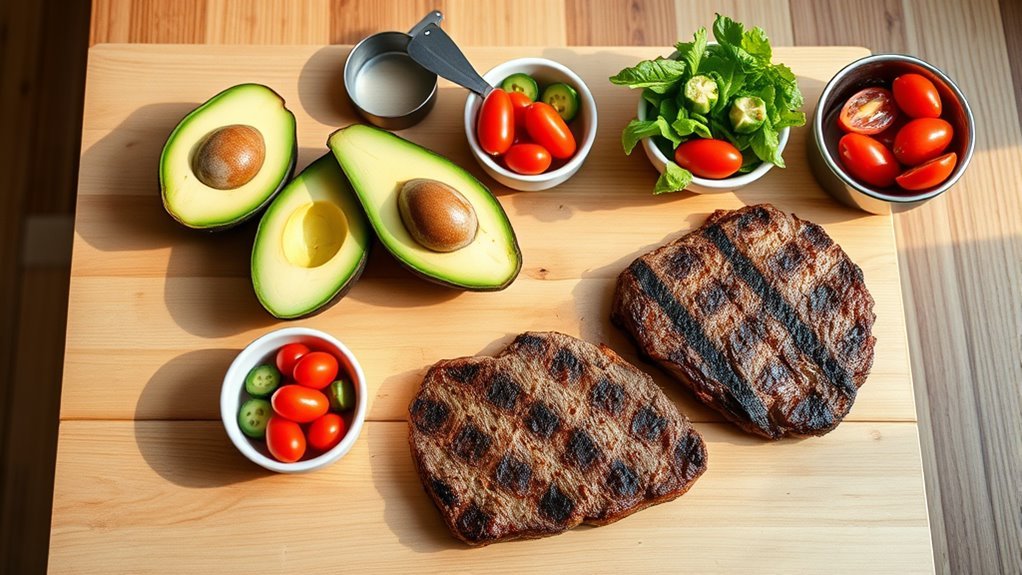
When you’re aiming to enter ketosis, understanding how carbohydrate intake affects your body is essential. Many people fall prey to keto misconceptions, believing that all carbs are the enemy. In reality, the goal isn’t to eliminate carbs entirely; it’s about managing them wisely. Carb cycling can be a helpful strategy, allowing you to consume higher amounts of carbs on certain days while reducing them on others. This approach can support muscle recovery and energy levels without pushing you out of ketosis. By staying informed and adjusting your intake based on your lifestyle and goals, you can maintain freedom in your diet, enjoying the benefits of ketosis without feeling restricted. Embrace balance, and make choices that suit your body’s unique needs.
The Standard Keto Diet: Carb Limits Explained

When following the Standard Keto Diet, understanding your daily carb intake is essential for achieving ketosis. You’ll often hear about net carbs versus total carbs, which can greatly impact your diet choices. As you progress, you might find it necessary to adjust your carb levels to suit your individual needs and goals.
Daily Carb Intake
How many carbs can you actually have on a ketogenic diet? Generally, you’ll want to limit your daily carb intake to about 20 to 50 grams. This restriction helps your body enter ketosis, where it burns fat for fuel instead of carbs. While it might feel restrictive, you can still enjoy delicious keto snacks that fit within this limit, such as nuts, cheese, and low-carb veggies. Some people also practice carb cycling, where they alternate between low-carb days and higher-carb days to maintain energy levels without exiting ketosis. Remember, the key is to find what works best for you while ensuring you’re nourishing your body. Experiment with different approaches to discover your ideal balance.
Net Carbs vs. Total
Understanding the difference between net carbs and total carbs is vital for effectively managing your ketogenic diet. Total carbs include all carbohydrates in a food item, while net carbs are calculated by subtracting fiber and certain sugar alcohols. Here’s a quick breakdown:
- Total Carbs: Encompasses all types of carbs, including fiber, sugars, and starches.
- Net Carbs: Focuses on the carbs that impact blood sugar levels, essential for ketosis.
- Fiber: Indigestible and doesn’t raise blood sugar, therefore subtracted from total carbs.
- Sugar Alcohols: Some, like erythritol, may also be subtracted, depending on their effect on your body.
Adjusting Carb Levels
To successfully navigate the ketogenic diet, you’ll need to carefully manage your carbohydrate intake, as adhering to specific carb limits is essential for maintaining ketosis. Typically, this means consuming around 20-50 grams of net carbs daily. However, adjusting these levels can be beneficial. You might explore carb cycling, where you alternate high and low carb days, allowing flexibility while still promoting fat loss. Remember, personalized nutrition is key—everyone’s body responds differently. Some may thrive on fewer carbs, while others might need a bit more to sustain energy and performance. Experimenting with your carb limits can help you find what works best for you, giving you the freedom to enjoy your meals without sacrificing your keto goals.
Individual Factors Influencing Carb Requirements

When considering your carb requirements on a keto diet, individual factors like your activity level and metabolic health play essential roles. If you’re highly active, you may need more carbs to fuel your workouts compared to someone with a sedentary lifestyle. Additionally, your metabolic health can influence how efficiently your body processes carbs, impacting your overall dietary needs.
Activity Level Impact
Although many people follow a ketogenic diet with a standard carbohydrate limit, your individual activity level can considerably influence your specific carb requirements. Your body’s need for carbohydrates often correlates with how active you are. For instance, those engaging in regular exercise may require more carbs for energy. Consider the following factors:
- Type of Exercise: High-intensity workouts demand more glycogen, influencing carb intake.
- Duration: Longer sessions may require additional carbs to sustain energy.
- Frequency: Frequent training may increase your overall carb needs.
- Fitness Goals: Weight loss, muscle gain, or maintenance can shift your carb requirements.
Balancing your carb intake with your activity level helps guarantee you’re fueling your body effectively while enjoying the freedom of the ketogenic lifestyle.
Metabolic Health Status
Your metabolic health status plays an essential role in determining how many carbs you can effectively incorporate into your ketogenic diet. If you’re metabolically flexible, your body can switch between burning fat and carbs efficiently, allowing you to enjoy a broader range of carbohydrate intake without disrupting ketosis. On the other hand, if you struggle with insulin sensitivity, even a small amount of carbs might hinder your progress. Understanding your individual factors, like hormone levels and overall health, can guide your carb consumption. By monitoring your body’s responses, you can find the balance that supports your freedom while maintaining your keto goals. Ultimately, it’s about listening to your body and adapting your carbohydrate intake to suit your metabolic needs.
Net Carbs vs. Total Carbs: What’s the Difference?
What’s the real difference between net carbs and total carbs, and why does it matter on a ketogenic diet? Understanding this distinction is vital for your success on keto.
- Total Carbs: This includes all carbohydrates in a food item, encompassing both sugars and fiber.
- Net Carbs: Calculated by subtracting fiber and certain sugars (like sugar alcohols) from total carbs, net carbs represent the carbs that impact your blood sugar levels.
- Fiber: It’s non-digestible, so it doesn’t spike insulin, making it irrelevant for your carb count.
- Keto Goals: By focusing on net carbs, you can enjoy more low-carb foods while staying within your daily limits, promoting ketosis.
Knowing these differences empowers you to make informed choices on your ketogenic journey.
Common Misconceptions About Carb Consumption on Keto
While many people believe that all carbs are off-limits on a ketogenic diet, this misconception can lead to unnecessary restrictions and frustration. Myths debunked, it is crucial to understand that not all carb types are created equal. While refined sugars and grains can hinder your keto goals, whole food sources like vegetables and certain fruits can fit into your plan. These foods provide essential nutrients without spiking insulin levels. You don’t need to eliminate all carbs to experience the benefits of ketosis; instead, focus on reducing your intake of high-glycemic carbs while incorporating low-carb options. By understanding the distinctions between carb types, you can enjoy a more balanced approach, gaining the freedom to choose foods that nourish you while staying aligned with your keto lifestyle.
The Role of Fiber in Your Carb Count
Although many people focus solely on total carbohydrate intake when following a ketogenic diet, it’s important to take into account the role of fiber in your carb count. Fiber offers numerous benefits that can support your health journey while adhering to keto. Since fiber isn’t digested, it doesn’t impact your blood sugar levels the same way other carbs do. Here are some key points to evaluate:
Consider fiber’s role in your keto journey; it enhances health without affecting blood sugar like other carbs.
- Fiber benefits include improved digestion and enhanced satiety.
- Fiber sources like leafy greens, nuts, and seeds can fit seamlessly into your meals.
- You can subtract fiber grams from total carbs to calculate net carbs.
- Aim for 25-30 grams of fiber daily to reap its full health benefits.
Embracing fiber can help you feel free and satisfied on your keto journey!
How to Track Your Carb Intake Effectively
Tracking your carb intake effectively is vital for staying within your ketogenic goals, especially since the diet relies on maintaining low carbohydrate levels to promote ketosis. Start with carb tracking apps; they simplify food journaling and help you stay accountable. When meal planning, incorporate portion control to guarantee you’re not exceeding your carb limits. Label reading is important—many foods contain hidden carbs that can derail your progress. Use carb counting techniques to monitor your intake closely and identify trends over time. Finally, adopt various tracking strategies, like keeping a daily log or using visual aids, to make the process enjoyable and freeing. By taking these steps, you’ll empower yourself to maintain a successful ketogenic lifestyle.
Foods to Include and Avoid on a Keto Diet
When starting on a ketogenic diet, it is essential to know which foods to include and which to avoid to optimize your health and maintain ketosis. Focus on these vital categories:
- Healthy Fats: Avocados, olive oil, and coconut oil provide energy and support ketosis.
- Protein Sources: Choose grass-fed meats, fish, and eggs to fuel your body while keeping carbs low.
- Low Carb Vegetables: Non-starchy options like spinach, kale, and broccoli are perfect for nutrients without excess carbs.
- Keto Friendly Snacks: Nuts, cheese, and dark chocolate can satisfy cravings while aligning with your meal planning.
Avoid grains, sugary foods, and high-carb fruits to maintain your desired freedom in your keto journey. Embrace these guidelines for lasting success!
Adjusting Carb Intake for Exercise and Activity Levels
When you’re on a keto diet, adjusting your carb intake based on your exercise and activity levels is essential for ideal performance. Different types of workouts may require varying amounts of carbohydrates, and daily activity fluctuations can also influence your needs. By timing your carb intake around these factors, you can better support your energy levels and recovery.
Exercise Type Considerations
As you engage in different types of exercise, understanding how to adjust your carb intake becomes essential for optimizing performance and maintaining ketosis. Your workout duration and intensity can greatly influence your energy needs. Here are some considerations:
- Endurance Training: Higher carb intake may be necessary for prolonged cardio workouts to fuel your performance.
- Strength Training: Moderate carbs can support muscle gain and recovery nutrition without disrupting ketosis.
- High-Intensity Intervals: Short bursts require quick energy, so a slight carb boost can enhance sports performance.
- Low Impact Activities: Flexibility exercises and low-impact activities may allow for lower carb consumption while still supporting fat loss and overall aerobic fitness.
Balancing these factors helps you meet your training goals while enjoying the freedom of a keto lifestyle.
Daily Activity Adjustments
Adjusting your carb intake based on daily activity levels is essential for maintaining ketosis while supporting your energy needs. If your daily activity includes high-intensity exercise, you might need to increase your carb intake slightly to fuel your workouts effectively. Conversely, on less active days, reducing carbs can help you stay in ketosis without compromising energy. It’s important to listen to your body and monitor how different amounts of carbs affect your performance and recovery. Balancing your carb intake with exercise intensity guarantees you have the energy for your activities while still reaping the benefits of a ketogenic lifestyle. Remember, finding that sweet spot takes time, so be patient and adjust as needed.
Timing Carb Intake
Timing your carb intake strategically can considerably influence your energy levels and overall performance, especially when engaging in physical activities. By using effective timing strategies, you can optimize your workout results and recovery. Consider these points:
- Pre-Workout: Consume carbs 30-60 minutes before exercising to boost energy and endurance.
- Post-Workout: Refuel with carbs within an hour of your workout to aid recovery and replenish glycogen stores.
- Meal Frequency: Adjust your meal frequency depending on your activity level; more active days may require additional carb intake.
- Personalization: Tailor your timing strategies based on how your body responds to different carb amounts around workouts.
Monitoring Ketosis: Signs You’re in the Zone
How can you tell if you’re truly in ketosis? Recognizing ketosis signs can be empowering in your keto journey. Common indicators include increased energy levels, reduced hunger, and a distinct metallic taste in your mouth. You might also notice changes in your breath or urine, which can be tested through monitoring techniques like ketone strips or breath analyzers. These tools provide a tangible way to assess your state. Additionally, some people report experiencing enhanced mental clarity and focus. Keep in mind that individual responses vary, so it’s essential to stay attuned to your body. By understanding these signs and utilizing effective monitoring methods, you can confidently navigate your ketogenic lifestyle and embrace the freedom it offers.
Frequently Asked Questions about Carbohydrate Intake on Keto
1. How many carbs should I eat on a keto diet?
On a ketogenic diet, the typical carbohydrate intake is usually limited to about 20 to 50 grams of net carbs per day. This restriction is key to achieving and maintaining a state of ketosis, where the body burns fat for fuel instead of carbohydrates. It’s important to focus on consuming high-fiber, low-carb vegetables and avoiding sugary and starchy foods.
2. What are net carbs, and how do I calculate them?
Net carbs refer to the total carbohydrates in a food minus the fiber and certain sugar alcohols that do not significantly impact blood sugar levels. To calculate net carbs, use the formula: Net Carbs = Total Carbohydrates – Fiber – Sugar Alcohols (if applicable). This calculation helps you understand the actual carbohydrate impact of a food item on your ketosis.
3. Can I have fruits on a keto diet?
While many fruits are high in sugar and carbs, some low-carb options can be included in moderation on a keto diet. Berries, such as strawberries, raspberries, and blackberries, are lower in carbs compared to other fruits. It’s essential to track the portion sizes to ensure you stay within your daily carb limit while still enjoying some fruit.
4. What happens if I exceed my carb limit on keto?
Exceeding your carbohydrate limit can prevent your body from entering or maintaining ketosis. This may lead to a reduction in fat burning and could cause an increase in cravings and hunger. In some cases, consuming too many carbs can lead to a “keto flu,” where individuals experience symptoms such as fatigue, headaches, and irritability as their body readjusts.
5. Are there any carb sources I can include on keto?
Yes, there are several low-carb food sources that you can include in your keto diet. These include leafy greens (such as spinach and kale), cruciferous vegetables (like broccoli and cauliflower), nuts and seeds, and healthy fats (such as avocados and olive oil). Always prioritize whole, unprocessed foods to ensure you are getting the most nutrition while keeping your carb intake low.
References
- https://www.ncbi.nlm.nih.gov/pmc/articles/PMC6467895/
- https://www.healthline.com/nutrition/what-is-a-keto-diet
- https://www.webmd.com/diet/obesity/what-is-the-keto-diet
- https://www.diabetes.org/nutrition/healthy-foods/keto-diet
- https://www.mayoclinic.org/healthy-lifestyle/nutrition-and-healthy-eating/expert-answers/keto-diet/faq-20462881
- https://www.cdc.gov/healthyweight/healthy_eating/diet_types.html
- https://www.medicalnewstoday.com/articles/323970#what-is-the-keto-diet