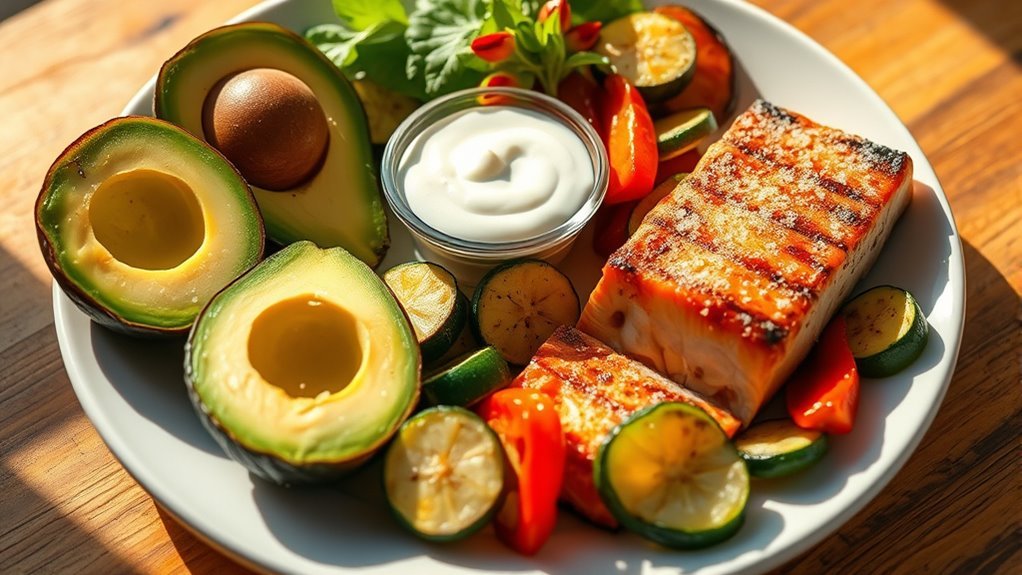

On the ketogenic diet, you’ll typically want to limit your carbohydrate intake to about 20 to 50 grams per day. This range helps your body enter ketosis, where it burns fat for energy instead of carbs. However, individual needs may vary based on your activity level and overall health. It’s important to focus on whole, nutrient-dense foods while monitoring your carb intake. There’s a lot more to explore about the ketogenic diet and its principles.
Understanding the Ketogenic Diet
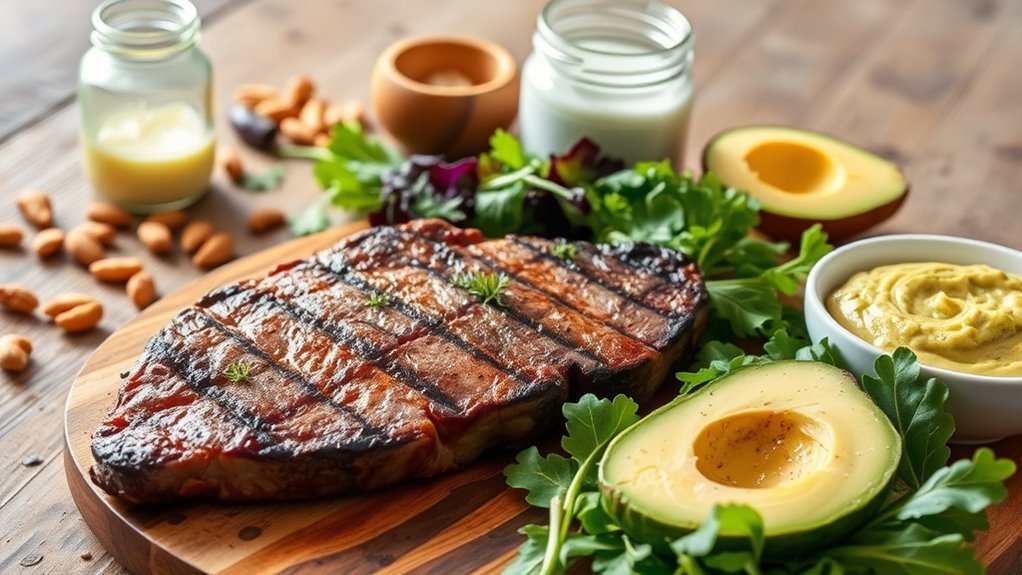
When you’re exploring the ketogenic diet, it’s essential to understand its core principles. At its heart, the keto basics revolve around drastically reducing carbohydrate intake and replacing it with healthy fats. This shift prompts your body to enter ketosis, a metabolic state where fat becomes the primary energy source. However, there are many dietary misconceptions that can cloud your understanding. For instance, not all fats are created equal; focusing on unsaturated fats is vital for long-term health. Additionally, people often assume keto means unlimited protein, but that can hinder ketosis. By grasping these fundamentals, you can navigate the ketogenic landscape with confidence and freedom, making informed choices that align with your health goals.
Recommended Daily Carb Limits

Typically, most ketogenic diets recommend limiting carbohydrate intake to about 20 to 50 grams per day. These daily carb recommendations aren’t one-size-fits-all; your individual carb needs depend on factors like activity level, age, and metabolic health. Some people may thrive on the lower end of the spectrum, while others might find a slightly higher intake helps them maintain energy and well-being. It’s important to listen to your body and adjust accordingly. Aiming for whole, unprocessed carbs can also make a significant difference. Consider tracking how you feel and your performance to find your ideal balance. Ultimately, the goal is to empower you to make choices that align with your lifestyle while still supporting your health objectives.
The Role of Net Carbs
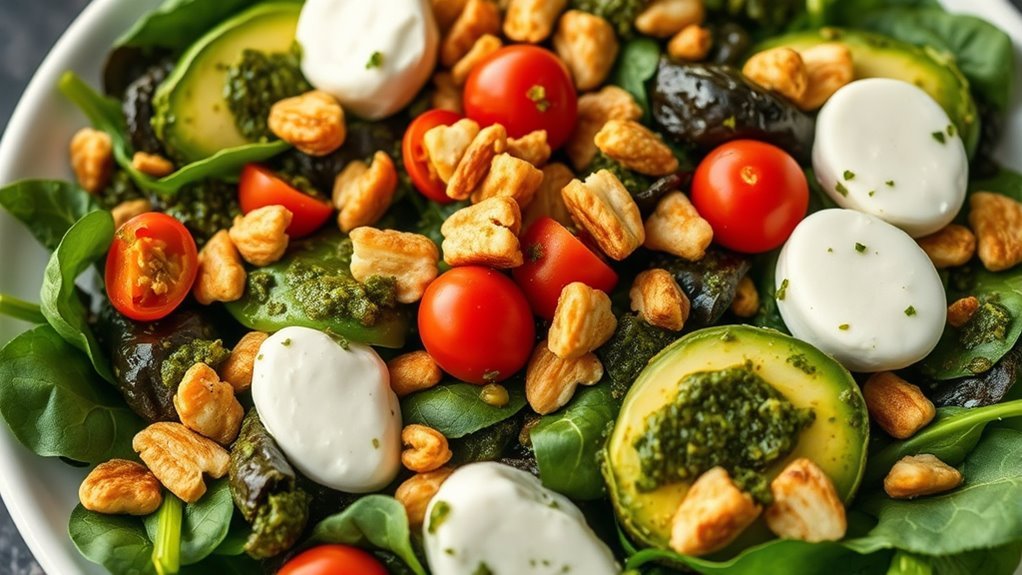
When you’re following a keto diet, understanding net carbs is essential for tracking your intake effectively. Net carbs are calculated by subtracting fiber and certain sugar alcohols from total carbohydrates, which can greatly impact your daily limits. By grasping how fiber influences your carb count, you’ll be better equipped to make informed dietary choices.
Understanding Net Carbs
Although the ketogenic diet emphasizes low carbohydrate intake, understanding the concept of net carbs is essential for effectively managing your carb consumption. Net carbs are calculated by subtracting fiber and certain sugar alcohols from total carbs, as these components don’t greatly impact blood sugar levels. This approach allows you to enjoy a variety of carb sources, such as vegetables and nuts, while staying within your daily limits. By focusing on net carbs, you can better align your diet with your health goals without feeling deprived. It’s important to remember that not all carb sources are created equal; prioritize whole, nutrient-dense foods to maximize your health benefits while adhering to the keto lifestyle.
Calculating Your Intake
To effectively calculate your carb intake on a ketogenic diet, it’s essential to focus on net carbs rather than total carbohydrates. This approach allows for more flexibility in meal planning while ensuring you stay within your carb limits. Here’s how you can simplify your carb counting:
- Subtract fiber from total carbs to find net carbs.
- Track your daily intake using apps or journals for accuracy.
- Prioritize low-carb vegetables and healthy fats in your meals.
- Experiment with recipes that fit within your net carb goals.
Fiber’s Impact Explained
Understanding the role of fiber in a ketogenic diet is essential, as it greatly influences your net carb calculations. Fiber sources like vegetables, nuts, and seeds qualify as carbs, yet they provide minimal impact on your blood sugar levels. By subtracting fiber from your total carbohydrate intake, you get your net carbs, which is vital for staying in ketosis.
Fiber benefits are numerous, including improved digestion and enhanced satiety, making it easier to stick to your diet without feeling deprived. Incorporating high-fiber foods not only supports your health but also helps you enjoy a broader variety of meals. Ultimately, embracing fiber in your keto journey can lead to a more satisfying and sustainable lifestyle while achieving your dietary goals.
Foods to Avoid on Keto
When you’re following a keto diet, it’s essential to avoid certain foods that can hinder your progress. High-carb grains, sugary snacks, and starchy vegetables are some of the main culprits that can quickly add up your carb intake. Staying informed about these foods can help you maintain ketosis and achieve your health goals.
High-Carb Grains
High-carb grains can greatly hinder your progress on a ketogenic diet, primarily due to their high starch content. Consuming these grains can kick you out of ketosis and stall your weight loss goals. To stay on track, it’s best to steer clear of:
- High carb cereals, packed with sugar and refined carbs
- Bread made from wheat or other grains
- Pasta, which can easily spike your carb intake
- Rice, a staple that’s high in carbs
Instead, consider whole grain alternatives that offer lower carb options, like almond flour or coconut flour, which can be better suited for your keto lifestyle. Embracing these changes can help you enjoy more freedom in your diet while still achieving your health goals.
Sugary Snacks
If you’re aiming to stick to a ketogenic diet, it’s crucial to be mindful of sugary snacks, as they can quickly sabotage your efforts. Foods high in sugar can spike your insulin levels and kick you out of ketosis. Instead of reaching for candy or pastries, consider sugar alternatives like stevia or erythritol, which provide sweetness without the carbs. There are plenty of delicious snack options that align with your keto goals, such as nuts, cheese, or dark chocolate with minimal sugar. By substituting sugary snacks with these alternatives, you can enjoy satisfying treats while maintaining your progress. Remember, staying informed about what you eat empowers you to make choices that support your keto lifestyle.
Starchy Vegetables
While making smart choices about snacks is important, it’s equally essential to contemplate the vegetables you include in your diet. On a keto plan, you’ll want to steer clear of starchy vegetables, as they can spike your carb intake. Opt for keto alternatives instead, which are lower in carbs and more aligned with your dietary goals.
Consider avoiding:
- Potatoes
- Corn
- Peas
- Sweet potatoes
These starchy vegetables can quickly fill up your carb allowance and hinder your progress. Instead, focus on non-starchy options like leafy greens, zucchini, and broccoli. By making informed choices about your vegetable intake, you’re giving yourself the freedom to thrive on your keto journey while still enjoying delicious meals.
Delicious Low-Carb Meal Ideas
When you’re following a low-carb diet, finding tasty meal options can feel challenging, but it doesn’t have to be. You can whip up delicious zucchini noodles topped with homemade pesto or use cauliflower rice as a versatile base for stir-fries. For breakfast, egg muffins loaded with veggies are quick and satisfying. Snack on crunchy cheese crisps or enjoy a rejuvenating keto smoothie made with spinach and avocado. Don’t forget about almond flour pancakes for a weekend treat! A simple avocado salad can serve as a delightful side. For a hearty dish, try chicken stir fry, packed with your favorite low-carb vegetables. With these ideas, you’ll find maintaining your low-carb lifestyle enjoyable and flavorful.
Monitoring Your Carb Intake
Monitoring your carb intake is essential for successfully following a ketogenic diet. To maintain ketosis and achieve your goals, you’ll want to embrace carb tracking and intake monitoring. Here are some effective strategies to help you stay on track:
Monitoring your carb intake is crucial for a successful ketogenic diet and achieving your health goals.
- Use apps: Leverage technology to simplify carb tracking and keep your meals accountable.
- Read labels: Familiarize yourself with nutrition labels to make informed choices.
- Plan meals: Pre-plan your meals to guarantee you’re hitting your carb limits without feeling restricted.
- Stay flexible: Allow room for adjustments, focusing on quality low-carb foods that satisfy you.
Frequently Asked Questions about Carbs in Keto
1. How many carbs should I eat on a keto diet?
On a ketogenic diet, the general guideline is to limit your carbohydrate intake to about 20 to 50 grams of net carbs per day. Net carbs are calculated by subtracting fiber and certain sugar alcohols from total carbohydrates. This low intake helps your body enter a state of ketosis, where it burns fat for fuel instead of carbohydrates.
2. What are net carbs and how do I calculate them?
Net carbs refer to the total carbohydrates in a food minus the fiber and certain sugar alcohols that do not significantly impact blood sugar levels. To calculate net carbs, use the formula: Net Carbs = Total Carbohydrates – Fiber – Sugar Alcohols. This calculation is important for those on a keto diet, as it helps to manage carb intake effectively.
3. Can I eat any carbs on a keto diet?
Yes, you can eat carbs on a keto diet, but they must be carefully selected. Focus on low-carb, high-fiber vegetables such as leafy greens, broccoli, and zucchini. Some nuts and seeds are also acceptable in moderation. It’s essential to avoid high-carb foods like grains, sugars, and most fruits to maintain ketosis.
4. What happens if I exceed my carb limit on keto?
Exceeding your carb limit on a keto diet can kick your body out of ketosis, meaning it will revert to burning carbohydrates for energy instead of fat. This can result in decreased energy levels, increased cravings for carbs, and possibly weight gain. To maintain ketosis, it’s important to stay within your daily carb limit.
5. Are all carbs created equal on a keto diet?
No, not all carbs are created equal on a keto diet. Focus on consuming complex carbohydrates that are high in fiber and low in sugar. Foods like vegetables, nuts, and seeds are preferable over processed foods and refined sugars, which can spike blood sugar levels and hinder ketosis. Understanding the quality of your carb sources is key to a successful keto diet.
References
- https://www.ncbi.nlm.nih.gov/pmc/articles/PMC7212200/
- https://www.webmd.com/diet/obesity/what-is-the-ketogenic-diet
- https://www.healthline.com/nutrition/what-is-a-ketogenic-diet
- https://www.mayoclinic.org/healthy-lifestyle/nutrition-and-healthy-eating/expert-answers/keto-diet/faq-20456278
- https://www.diabetes.org/nutrition/healthy-foods/keto-diet
- https://www.cdc.gov/healthyweight/assessing/bmi/adult_bmi/english_bmi_calculator/bmi_calculator.html
- https://en.wikipedia.org/wiki/Ketogenic_diet