

In a ketogenic diet, you’d typically limit your carbohydrate intake to 20-50 grams per day. This restriction pushes your body into ketosis, where it burns fat for energy instead of carbs. Individual factors like metabolism and activity level can influence your specific carb tolerance, allowing for some flexibility. To stay on track, it’s crucial to choose the right foods and monitor your intake. There’s much more to learn about optimizing your keto journey and successfully maintaining ketosis.
Understanding the Ketogenic Diet
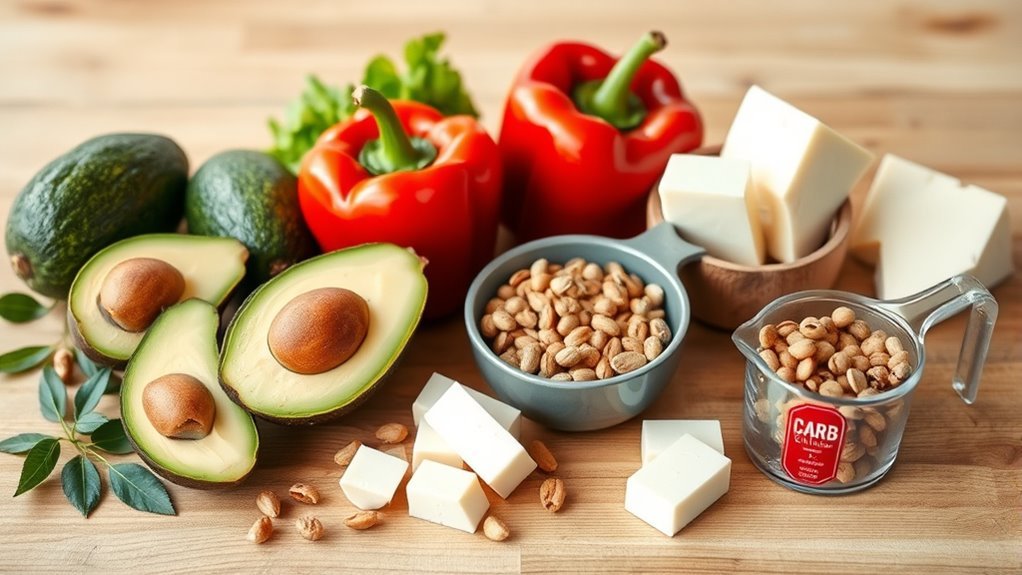
The ketogenic diet, often referred to as keto, is a low-carbohydrate, high-fat eating plan designed to shift your body into a state of ketosis. This approach drastically reduces carb intake, typically to around 20-50 grams per day. As you plan your meals, focusing on high-fat options like avocados, nuts, and healthy oils can help maintain energy levels and promote fat burning. Keto meal planning is essential for success, allowing you to create balanced dishes that fit your lifestyle. Some individuals also explore carb cycling, where they alternate between low and higher carb days. This method can provide flexibility while still supporting your keto goals, giving you the freedom to enjoy various foods while staying within your dietary framework.
The Science Behind Ketosis

Ketosis is a metabolic state where your body shifts from using carbohydrates for energy to utilizing fats, which can lead to various health benefits. Understanding the role of carbohydrates in this process is essential, as their reduction is what triggers ketosis. This section will explore how ketosis works, its benefits, and the science that supports this dietary approach.
What Is Ketosis?
When you markedly reduce carbohydrate intake, your body enters a metabolic state known as ketosis, where it shifts from using glucose as its primary energy source to utilizing fat. Understanding ketosis is essential for anyone considering a keto diet. Here’s a quick rundown of ketosis:
- Ketosis Definition: A metabolic state where fat is burned for fuel instead of carbohydrates.
- Fat Breakdown: The liver converts fatty acids into ketones, which serve as an alternative energy source.
- Ketosis Symptoms: You might experience increased energy, reduced hunger, and mental clarity.
- Adaptation Period: Your body may take several days to fully adapt to this new energy source.
Embracing ketosis allows you to tap into stored fat, promoting weight loss and metabolic health.
Role of Carbohydrates
Understanding the role of carbohydrates in a keto diet is essential for grasping how ketosis functions. Carbohydrates are your body’s primary energy source, and when consumed in excess, they can prevent ketosis. In a ketogenic approach, limiting carbs forces your body to rely on fat for fuel, producing ketones. However, not all carb sources are equal; focusing on low-glycemic options can help maintain stable blood sugar levels. Some people use strategies like carb cycling, which involves alternating high and low-carb days, allowing for flexibility while still promoting ketosis. By understanding how to manage your carb intake, you can enjoy the freedom of a keto lifestyle while optimizing your body’s performance and energy levels.
Benefits of Ketosis
As your body shifts into ketosis, it begins to reap several metabolic benefits that can enhance overall health. Understanding these ketosis benefits can empower your lifestyle choices. Here are four key metabolic advantages:
- Increased Fat Oxidation: Your body becomes efficient at burning stored fat for energy.
- Stable Blood Sugar Levels: Reduced carbohydrate intake helps maintain steady glucose levels, lowering insulin spikes.
- Enhanced Mental Clarity: Many report improved cognitive function as ketones provide a more efficient energy source for the brain.
- Appetite Suppression: Ketosis can help regulate hunger hormones, making it easier to manage cravings.
Embracing these advantages can lead to a more liberated and health-focused lifestyle.
Recommended Daily Carb Intake

While the specific carbohydrate intake can vary based on individual goals and metabolic responses, most ketogenic diets recommend limiting daily carbs to around 20 to 50 grams. This range helps your body enter and maintain ketosis, where you burn fat for fuel instead of glucose. To achieve this, focus on keto carb sources like leafy greens, nuts, seeds, and low-carb vegetables. You might also consider carb cycling, which involves alternating low-carb days with higher-carb days to optimize performance and metabolic flexibility. This approach can provide you with the freedom to enjoy a broader variety of foods while still adhering to your ketogenic lifestyle. Remember, it’s essential to listen to your body and adjust your carb intake as needed for your specific needs.
Factors Influencing Carb Limits
Several factors can influence the carbohydrate limits you might adopt on a ketogenic diet, including your individual metabolic rate, activity level, and specific health goals. Here are four key aspects to reflect on:
- Individual Metabolism: Your metabolic rate can dictate how many carbs you can handle while maintaining ketosis.
- Activity Level: Higher activity levels may allow for slightly increased carb intake without disrupting ketosis.
- Age Factors: Metabolism often slows with age, possibly necessitating stricter carb limits.
- Health Conditions: Specific health issues can affect your carb tolerance and dietary preferences.
Balancing these factors with your personal goals and lifestyle choices will help you find the right carb limit for your ketogenic journey.
Different Types of Carbohydrates
Carbohydrates can be classified into three main types: sugars, starches, and fiber, each playing a different role in your diet. Simple carbohydrates, like those found in fruits and sweets, digest quickly, leading to rapid spikes in blood sugar. In contrast, complex carbohydrates, such as whole grains and legumes, provide sustained energy due to their lower glycemic index and higher fiber content. Fiber, an essential component, aids in digestion and helps regulate carbohydrate metabolism. Understanding these carbohydrate sources is vital for effective carbohydrate timing, especially if you’re considering carbohydrate loading for athletic performance. Balancing these types can empower you to make informed dietary choices that align with your health goals while still enjoying the freedom of diverse foods.
Tracking Your Carb Intake
Tracking your carb intake is essential for staying within the limits of a keto diet. You’ll need to understand concepts like net carbs and how to set your daily carb limits effectively. Fortunately, there are various tracking tools available that can help simplify this process and keep you on track.
Understanding Net Carbs
Net carbs play an essential role in the keto diet, as they directly influence your body’s ability to enter and maintain ketosis. Understanding net carb calculations helps you make informed choices about your carb sources. Here are key factors to take into account:
- Total Carb Distinction: Always differentiate between total carbs and net carbs.
- Fiber Impact: Subtract fiber from total carbs, as it’s not digestible.
- Sugar Alcohols: Some sugar alcohols can also be subtracted, but check their impact on your body.
- Nutrient Density: Focus on high nutrient density carbs to support overall health.
Daily Carb Limits
Setting daily carb limits is essential for anyone following a keto diet to guarantee they remain in ketosis. Typically, you’ll want to restrict your carbohydrate intake to about 20 to 50 grams of net carbs per day. This figure helps optimize fat burning while minimizing glucose levels. Effective keto meal planning involves carefully selecting low-carb foods and incorporating them into your daily meals. Employing carb counting strategies can greatly enhance your awareness of what you’re consuming, ensuring you stay within those limits. Consider tracking your meals in a journal or app to monitor your intake more effectively. By adhering to these daily carb limits, you can enjoy the freedom of a keto lifestyle while reaping its health benefits.
Tracking Tools Available
While adhering to a keto diet, utilizing effective tracking tools can greatly simplify your carb intake management. By keeping track of your daily consumption, you can guarantee you stay within your carb limits. Here are some valuable resources to take into account:
- Keto Apps: Many apps offer customizable meal logging and carb tracking, making it easy to stay on course.
- Carb Calculators: These tools help you determine your daily carb allowance based on your body metrics and goals.
- Food Journals: Writing down what you eat can increase awareness and accountability.
- Barcode Scanners: Some keto apps feature scanners to quickly log packaged foods, streamlining the tracking process.
Using these tools, you can confidently navigate your keto journey and enjoy the freedom it brings.
Common Mistakes to Avoid
As you commence a keto diet, it’s essential to recognize common mistakes that can undermine your success. Many people fall into carb misunderstandings, especially when meal planning or reading labels. Portion control is important, as oversized servings can sabotage your efforts.
When it comes to snack choices, opt for keto-friendly options to avoid excess carbs. Dining out can present challenges, so always check menu items for hidden sugars. Ingredient swaps and recipe adjustments can help you stay on track. Finally, maneuvering social situations requires preparation to maintain your commitment.
Here’s a quick reference table to help you:
| Mistake | Solution |
|---|---|
| Ignoring labels | Always read ingredient lists |
| Overeating | Practice portion control |
| Poor snack choices | Plan keto-friendly snacks |
| Unprepared dining out | Research menus ahead |
| Inflexible recipes | Be open to adjustments |
Foods to Include in a Keto Diet
When following a keto diet, it’s crucial to include foods that align with its low-carb principles. Focus on low-carb vegetables, healthy fat sources, and protein-rich foods to guarantee you’re meeting your nutritional needs while staying within your carb limit. By choosing the right foods, you can effectively support your body’s shift into ketosis.
Low-Carb Vegetables
Incorporating low-carb vegetables into your keto diet is crucial for maintaining nutritional balance while keeping carbohydrate intake in check. These keto-friendly greens not only provide essential nutrients but also offer a variety of benefits. Here’s a list of some great options to explore:
- Leafy Varieties: Spinach and kale are packed with vitamins and minerals.
- Cruciferous Choices: Broccoli and cauliflower are fiber-rich vegetables, perfect for satiety.
- Seasonal Produce: Zucchini and asparagus make excellent low-carb substitutes in many recipes.
- Nutrient Dense Options: Bell peppers and mushrooms are versatile and low in carbs.
Healthy Fats Sources
Maintaining a low carbohydrate intake is just one aspect of a successful keto diet; the focus on healthy fats is equally important. Incorporating nutrient-dense foods like avocados, nuts, and seeds provides essential fatty acids and fiber. Utilize healthy oils such as olive and coconut oil for cooking techniques that enhance flavor and maintain dietary balance. Omega sources, like fatty fish, are critical for heart health and overall well-being. When meal planning, consider snack options like cheese or nut butter to keep you satisfied. Emphasizing fat adaptation helps your body efficiently utilize dietary fats for energy. By prioritizing healthy fats, you’ll find freedom in your food choices while still supporting your health goals on a keto diet.
Protein-Rich Foods
Many people commencing a keto diet may overlook the importance of including protein-rich foods. Adequate protein intake is essential for maintaining muscle mass and supporting overall health while you’re managing carb intake. When meal planning, consider incorporating these excellent protein sources:
- Chicken Breast: Lean and versatile, it’s great grilled or baked.
- Salmon: Packed with omega-3 fatty acids, it’s a delicious way to boost protein.
- Eggs: Nutrient-dense and easy to prepare, they fit perfectly in various meals.
- Tofu: A fantastic plant-based option, it’s rich in protein and low in carbs.
Including these protein-rich foods guarantees you stay satisfied and nourished on your keto journey, giving you the freedom to enjoy diverse meals.
Tips for Staying Within Carb Limits
While starting on a keto diet can be rewarding, staying within your carb limits requires mindful planning and discipline. Begin with meal planning to guarantee you have low-carb options available. Portion control is vital; even keto-friendly foods can add up. Explore snack options like nuts or cheese, and consider carb swaps for your favorite recipes. When dining out, don’t hesitate to ask about ingredients or request modifications. Reading labels helps you track hidden carbs in packaged foods. Food prep can save you time and keep you on track. Finally, remember hydration tips—staying hydrated can help curb cravings. Embrace these strategies, and you’ll find freedom in your keto journey while enjoying your meals!
Adjusting Your Carb Intake Over Time
As you progress on your keto journey, adjusting your carb intake may become necessary to continue achieving your goals. A gradual adjustment allows your body to adapt while maintaining ketosis. Here are some strategies to contemplate:
- Monitor your progress: Track your weight, energy levels, and mental clarity to determine if changes are needed.
- Experiment with carb cycling: Incorporate higher-carb days strategically to boost performance without disrupting ketosis.
- Adjust portion sizes: Fine-tune your carb intake by slightly increasing or decreasing serving sizes.
- Stay flexible: Listen to your body; if you’re feeling fatigued, it might be time to tweak your carb levels.
Frequently Asked Questions
1. How many carbs can I consume on a keto diet?
Most ketogenic diets recommend limiting carbohydrate intake to about 20 to 50 grams of net carbs per day. This typically equates to around 5-10% of your total daily caloric intake. The specific number can vary based on individual factors such as activity level, metabolic health, and personal goals.
2. What are net carbs and how do I calculate them?
Net carbs are calculated by subtracting fiber and certain sugar alcohols from the total carbohydrates in a food item. This is because fiber and some sugar alcohols do not significantly impact blood sugar levels. To calculate net carbs, use the following formula: Net Carbs = Total Carbohydrates – Fiber – Sugar Alcohols.
3. Can I eat fruits on a keto diet?
While many fruits are high in carbohydrates, some can be consumed in moderation on a keto diet. Berries, such as strawberries, raspberries, and blackberries, are lower in carbs compared to other fruits. It’s essential to monitor portion sizes to stay within your daily carb limit.
4. What happens if I exceed my carb limit on a keto diet?
Exceeding your carbohydrate limit can kick you out of ketosis, the metabolic state where your body burns fat for fuel instead of carbohydrates. This can lead to a return to using glucose for energy, which may result in weight gain, increased cravings, and diminished energy levels. It’s important to track your carb intake to maintain ketosis.
5. Are there any exceptions to the carb limit on a keto diet?
While the general guideline is to keep carbs low, some individuals may find they can tolerate slightly higher carb intakes without disrupting ketosis. This can depend on factors such as exercise levels, metabolic health, and individual responses to certain foods. It’s always best to listen to your body and adjust accordingly.
References
- https://www.ncbi.nlm.nih.gov/pmc/articles/PMC6461278/
- https://www.healthline.com/nutrition/ketogenic-diet-101
- https://www.webmd.com/diet/what-is-the-keto-diet
- https://www.diabetes.org/nutrition/understanding-carbs
- https://www.mayoclinic.org/healthy-lifestyle/nutrition-and-healthy-eating/expert-answers/keto-diet/faq-20483060
- https://www.researchgate.net/publication/329530586_The_effect_of_a_ketogenic_diet_on_health_outcomes_A_systematic_review
- https://www.hsph.harvard.edu/nutritionsource/carbohydrates/