

Eating a ketogenic diet typically means limiting carbohydrate intake to around 20 to 50 grams per day. This low-carb threshold is crucial for entering and maintaining ketosis, where your body burns fat for fuel instead of carbs. In this article, you’ll learn about the optimal carb intake on keto, the types of carbs to focus on, and how to adjust your diet for individual needs. Understanding these principles is essential for anyone looking to optimize their ketogenic journey and achieve their health goals.
Understanding Ketosis

Ketosis is a metabolic state where the body shifts from using carbohydrates as its primary energy source to utilizing fat. This transition occurs when carbohydrate intake is significantly reduced, prompting the liver to convert fatty acids into ketone bodies, which then serve as an alternative fuel for the brain and other tissues. Achieving ketosis typically requires a significant reduction in carbohydrate consumption—generally below the standard dietary guidelines which recommend a higher intake. Individuals entering ketosis may experience a range of benefits, including increased energy levels, improved mental clarity, and enhanced fat loss. However, understanding the nuances of this metabolic state is crucial for successfully navigating the ketogenic diet.
Recommended Carb Intake on Keto
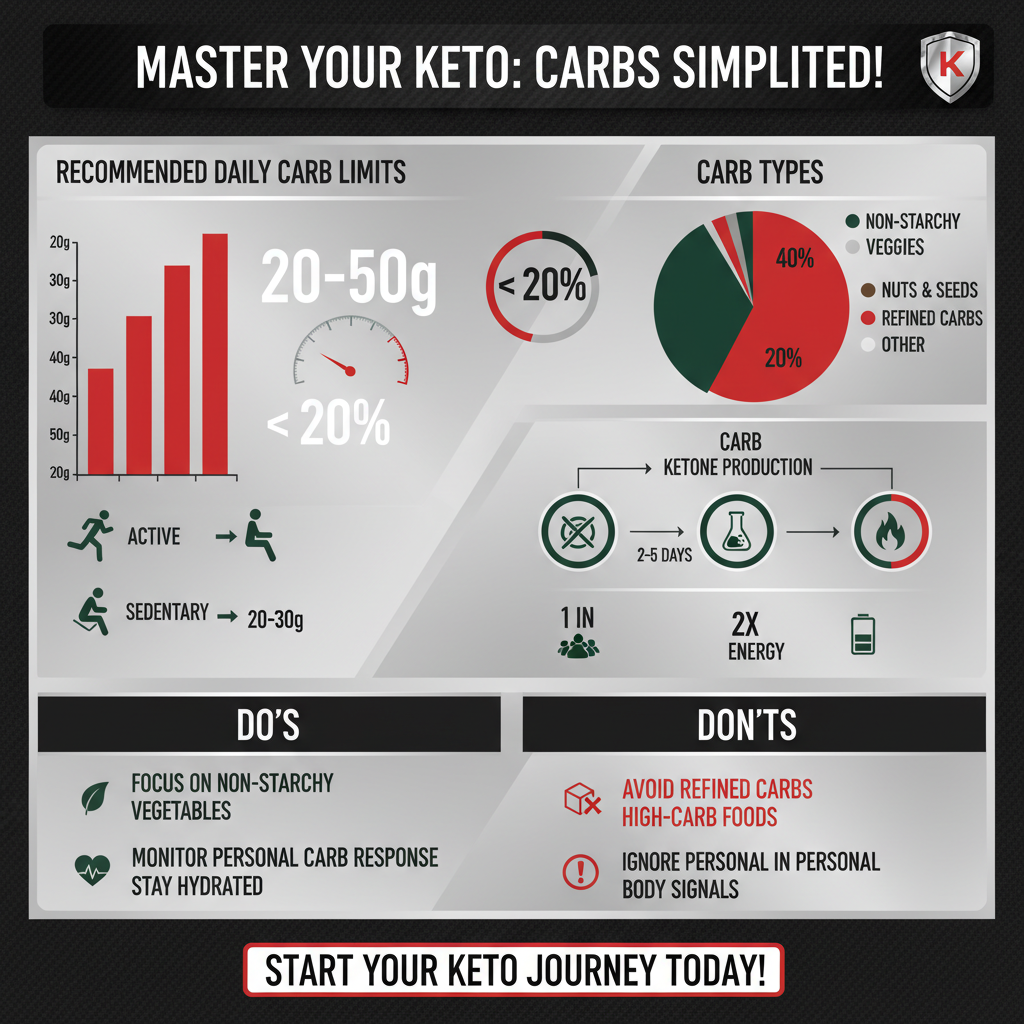

Most experts suggest a daily carb limit between 20-50 grams for those following a ketogenic diet. This range is designed to optimize the likelihood of entering and maintaining ketosis, but it is not a one-size-fits-all solution. Individual factors, such as activity level, metabolic health, and personal body composition, can significantly influence your specific carbohydrate needs. For example, someone who engages in high-intensity workouts may require a slightly higher carb intake to sustain their energy levels, while a sedentary individual may thrive on a lower carb threshold. Monitoring how your body responds to different levels of carbohydrate intake can help tailor your keto experience to your unique lifestyle and goals.
Types of Carbohydrates to Focus On
When following a ketogenic diet, it is essential to prioritize the right types of carbohydrates. Non-starchy vegetables, nuts, and seeds should be the foundation of your carb choices, as they are nutrient-dense and low in carbohydrates. Vegetables such as spinach, kale, and broccoli are excellent options, providing essential vitamins, minerals, and fiber while keeping carb counts low. Conversely, it is crucial to avoid sugar and refined carbs, which can quickly derail your efforts to maintain ketosis. Foods like white bread, pasta, and pastries can spike insulin levels and promote fat storage, making it challenging to achieve your health objectives. Focus on whole, unprocessed foods to ensure you receive the nutrients your body needs while adhering to your carb limits.
Monitoring Your Carb Intake
To successfully maintain your carbohydrate intake on a ketogenic diet, employing effective tracking methods is vital. Utilizing food tracking apps like MyFitnessPal or Cronometer can help you keep a close eye on your daily carb consumption, making it easier to stay within your designated limits. These tools often provide nutritional breakdowns, helping you identify which foods fit best into your keto lifestyle. Additionally, keeping a food diary can be beneficial for reflecting on your eating patterns, recognizing trends, and making necessary adjustments to your diet. By consistently monitoring your intake, you can better understand how different foods affect your body and refine your approach to the ketogenic diet.
Common Mistakes on Keto
Even seasoned keto practitioners can fall prey to common pitfalls that can impact their progress. One prevalent mistake is overlooking hidden carbs found in processed foods and condiments. Items like salad dressings, sauces, and processed snacks may contain added sugars or starches that can quickly increase your carb intake without your awareness. Another frequent oversight is neglecting to account for the carb content in beverages and snacks. Many seemingly harmless drinks, such as flavored waters or certain alcoholic beverages, can add unexpected carbohydrates to your daily tally. Awareness and education about these hidden sources of carbs are crucial for maintaining a successful ketogenic diet.
Adjusting Carb Intake for Individual Needs
It is essential to recognize that individual needs can vary significantly when it comes to carbohydrate intake on a ketogenic diet. Some people may find that they can tolerate more carbs without being kicked out of ketosis, particularly those who engage in regular physical activity. For example, athletes or individuals with a higher energy expenditure may benefit from strategies like cyclical keto, where carb intake is increased on certain days to support performance, or targeted keto, which allows for additional carbs around workout times. These adjustments can help ensure that you are fueling your body appropriately while still reaping the benefits of a low-carb lifestyle.
Tips for Success on a Keto Diet
To maximize your success on a ketogenic diet, several practical strategies can be employed. First, meal prepping and planning your meals can help you avoid the temptation of carb-heavy foods when hunger strikes. By preparing low-carb meals and snacks in advance, you can ensure that you always have keto-friendly options readily available. Additionally, staying hydrated and ensuring you are getting enough electrolytes—such as sodium, potassium, and magnesium—can support overall health and mitigate common side effects associated with carbohydrate restriction, such as the “keto flu.” Incorporating a variety of low-carb foods into your diet will keep your meals interesting and nutritionally balanced, further contributing to your success.
Maintaining a keto diet involves carefully managing your carbohydrate intake to remain in ketosis. By focusing on the right types of carbs, monitoring your intake, and being mindful of common mistakes, you can effectively reach your health and fitness goals. Remember that individual needs may vary, and adjustments may be necessary to optimize your experience. For personalized advice or meal ideas, consider consulting a nutritionist or exploring keto resources online. With diligence and the right strategies, you can navigate your ketogenic journey successfully, achieving the health benefits that come with it.
Frequently Asked Questions
How many grams of carbs can you consume on a keto diet?
On a standard ketogenic diet, the typical recommendation is to limit carbohydrate intake to about 20 to 50 grams of net carbs per day. Net carbs are calculated by subtracting fiber and certain sugar alcohols from total carbohydrates. Staying within this range helps your body enter and maintain a state of ketosis, where it burns fat for fuel instead of carbohydrates.
Why is carb restriction important in a keto diet?
Carb restriction is crucial in a keto diet because it triggers a metabolic state known as ketosis. When carbohydrate intake is significantly reduced, the body turns to fat for energy, leading to the production of ketones. This shift not only aids in weight loss but can also have benefits for mental clarity and energy levels, making it essential to monitor your carb intake closely.
What types of carbohydrates should I avoid on a keto diet?
On a keto diet, it’s best to avoid high-carb foods such as bread, pasta, rice, sugary snacks, and starchy vegetables like potatoes and corn. Instead, focus on low-carb vegetables (like leafy greens and broccoli) and healthy fats. By choosing low-carb options, you can stay within your daily carb limit while still getting essential nutrients.
How can I calculate my daily carb limit for a keto diet?
To calculate your daily carb limit for a keto diet, start by determining your total daily caloric needs based on factors like age, gender, activity level, and weight loss goals. From there, a common approach is to allocate about 5-10% of your daily calories to carbohydrates. For instance, if you consume 2,000 calories a day, aim for 20-50 grams of carbs, which translates to roughly 80-200 calories from carbs.
What are the best low-carb snacks for a keto diet?
The best low-carb snacks for a keto diet include options like cheese, nuts, avocados, and hard-boiled eggs. Additionally, you can enjoy low-carb protein bars or keto-friendly smoothies made with unsweetened almond milk and spinach. These snacks help you stay within your carb limits while providing essential nutrients and keeping you satisfied between meals.
References
- Ketogenic diet
- https://www.healthline.com/nutrition/what-is-a-ketogenic-diet
- https://www.ncbi.nlm.nih.gov/pmc/articles/PMC6839224/
- https://www.ncbi.nlm.nih.gov/pmc/articles/PMC5782955/
- https://www.cdc.gov/healthyweight/assessing/bmi/adult_bmi/index.html
- https://www.webmd.com/diet/what-is-a-ketogenic-diet
- https://www.journalofclinicalnutrition.org/content/early/2020/02/10/jcn.2020.00009
- https://www.usda.gov/food-nutrition/nutrition-education-resources