

The keto diet typically allows for about 20 to 50 grams of net carbohydrates per day, depending on individual factors such as age, activity level, and specific dietary goals. This low-carb intake is essential for achieving and maintaining ketosis, the metabolic state where the body burns fat for fuel instead of carbohydrates. By limiting carbs, individuals can encourage their bodies to enter ketosis, which can lead to weight loss, increased energy levels, and improved mental clarity. In this article, we will explore the rationale behind carb limits on the keto diet, how to calculate your personal carb allowance, and tips for successfully adhering to these guidelines.
Understanding the Keto Diet

The primary goal of the keto diet is to enter a state of ketosis. Ketosis occurs when carbohydrate intake is low, prompting the body to burn fat for energy instead of relying on glucose derived from carbohydrates. This metabolic shift can lead to a variety of health benefits, including improved weight management, enhanced mental focus, and stabilized blood sugar levels.
When carbohydrates are consumed, they are converted into glucose, which is the body’s primary source of energy. However, excessive glucose can lead to fat storage rather than fat burning. By drastically reducing carbohydrate intake, the keto diet encourages the body to tap into its fat reserves, leading to weight loss and other metabolic improvements.
The Science Behind Carb Limits
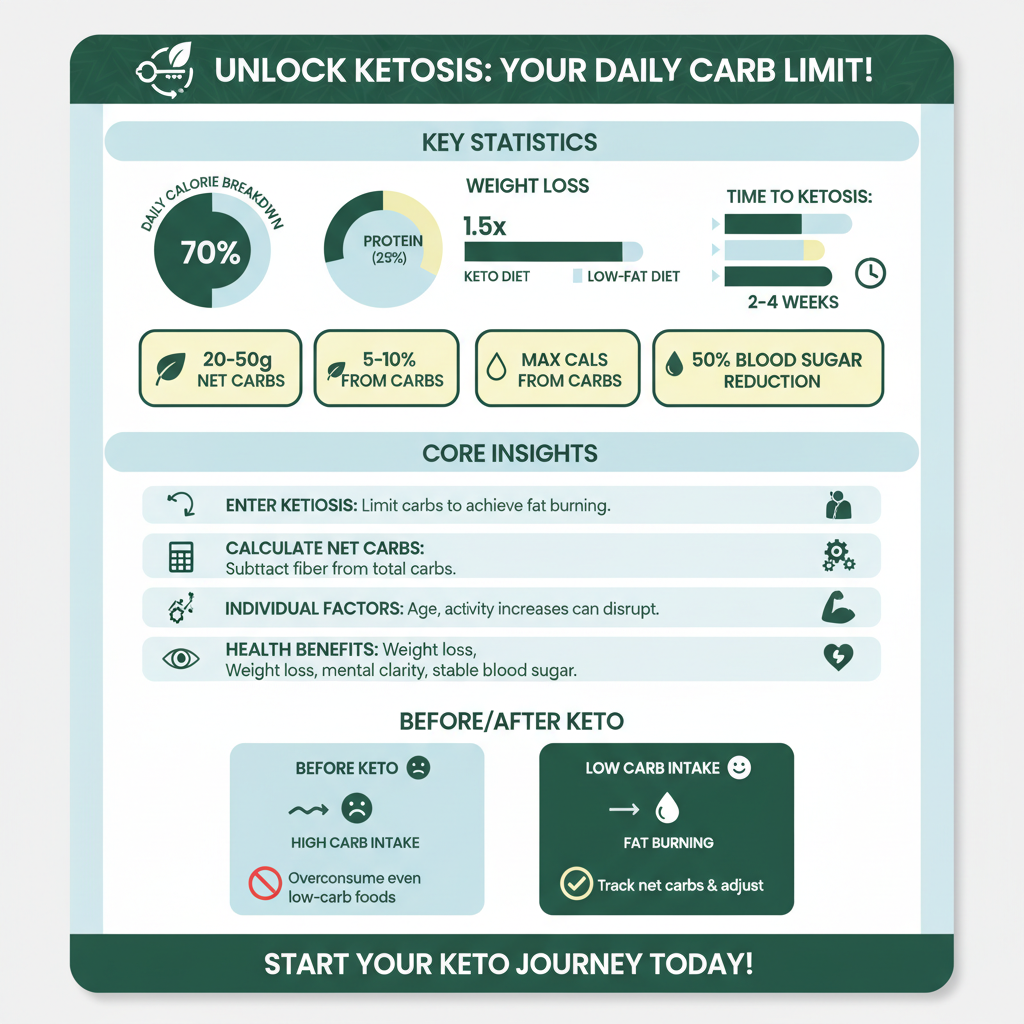

Carbohydrates are converted into glucose, which can inhibit ketosis. The recommended carb limit varies, but 20-50 grams of net carbs is a common guideline. This range allows for some flexibility depending on individual factors, such as metabolic rate, level of physical activity, and overall health goals.
Net carbohydrates are calculated by subtracting fiber and certain sugar alcohols from total carbohydrates, as these components do not significantly affect blood glucose levels. Staying within the recommended carb limits is crucial for maintaining ketosis, as even a small increase in carbohydrate intake can kick the body out of this fat-burning state.
Research supports the efficacy of low-carb diets in promoting weight loss and improving metabolic health. A study published in the “American Journal of Clinical Nutrition” found that participants who followed a ketogenic diet experienced greater weight loss and lower blood glucose levels compared to those on a low-fat diet.
Calculating Your Personal Carb Allowance
Factors influencing carb limits include age, activity level, and weight loss goals. For example, a highly active individual may have a higher carbohydrate threshold than someone who is sedentary. Similarly, older adults may need to consider their metabolic rate and any underlying health conditions.To determine your specific needs, consider using macro calculators available online. These tools take into account factors such as your age, gender, weight, height, and activity level to provide personalized macronutrient recommendations, including your optimal carb intake.
It’s also important to monitor your body’s response to dietary changes. Keeping a food journal can help you track your carbohydrate intake and evaluate how it affects your energy levels, mood, and weight.
Types of Carbs: Net vs. Total
Understanding the difference between net carbs (total carbs minus fiber and certain sugar alcohols) and total carbs is crucial for anyone on a ketogenic diet. Total carbs include all carbohydrates present in a food item, while net carbs focus on those that affect blood sugar levels.
When following a keto diet, prioritize foods that are high in fiber and low in net carbs. This includes non-starchy vegetables like leafy greens, broccoli, and cauliflower, as well as nuts and seeds. These foods not only contribute to your daily carb allowance but also provide essential nutrients and help keep you feeling full.
For example, a cup of raw spinach has only 1 gram of net carbs, making it an excellent choice for those looking to stay within their carb limits while maximizing nutrient intake. On the other hand, be cautious with items like sauces, dressings, and processed foods, which may contain hidden sugars that can quickly add up.
Tips for Staying Within Carb Limits
Planning meals ahead and tracking your carb intake with apps or journals can significantly enhance your success on the keto diet. Using tools like MyFitnessPal or Cronometer can help you log what you eat and monitor your carbohydrate consumption effectively.
Incorporating high-fat, low-carb foods into your meals can also help you feel satiated and avoid cravings. Foods such as avocados, fatty fish like salmon, and olive oil are excellent sources of healthy fats that can keep hunger at bay while supporting your keto lifestyle.
Additionally, consider meal prepping to ensure you always have keto-friendly options available. Creating a weekly meal plan that includes low-carb recipes can help eliminate the temptation to reach for high-carb convenience foods.
Common Mistakes on the Keto Diet
One of the most common mistakes on the keto diet is overestimating the carb content in foods, especially processed ones. Many packaged foods marketed as “low-carb” can still contain hidden sugars or high amounts of carbohydrates. Always read labels carefully and be cautious with seemingly healthy options.
Another frequent pitfall is neglecting to account for hidden carbs in sauces, dressings, and packaged foods. Ingredients like ketchup, salad dressings, and marinades often contain added sugars, which can quickly derail your efforts to stay within your carb limits.
To avoid these mistakes, educate yourself on common foods that may contain higher carb counts and develop a habit of checking nutrition labels before consumption.
Adjusting Carb Intake Over Time
Monitoring your body’s response to the keto diet is essential, and adjusting your carb intake as needed can help you achieve your weight loss or maintenance goals. If you find that you are not losing weight or are experiencing fatigue, you may need to further reduce your carbohydrate intake or reassess your overall diet composition.
Consulting with a healthcare or nutrition professional can provide personalized guidance, especially for those with specific health conditions or dietary needs. Regular check-ins can help you stay on track and make necessary modifications to your plan based on your progress and individual circumstances.
Summarizing the key points, the keto diet typically allows for 20 to 50 grams of net carbs daily to maintain ketosis. Understanding your personal carb allowance and adhering to it is crucial for success on the keto journey. For further support, consider tracking your intake and seeking professional advice to optimize your keto experience. With the right strategies in place, you can achieve your health and wellness goals while enjoying the benefits of a ketogenic lifestyle.
Frequently Asked Questions
How many carbs should I consume on a keto diet?
On a ketogenic diet, it is generally recommended to limit carbohydrate intake to about 20 to 50 grams per day. This restriction helps the body enter a state of ketosis, where it burns fat for fuel instead of carbohydrates. The exact amount can vary based on individual factors such as age, activity level, and metabolic health, so it’s essential to monitor your body’s response and adjust accordingly.
Why is it important to limit carbs on a keto diet?
Limiting carbohydrates is crucial on a keto diet because it helps induce ketosis, a metabolic state where the body shifts from using glucose as its primary energy source to burning fat. When carbohydrate intake is significantly reduced, insulin levels drop, which encourages fat breakdown and promotes the use of stored fat for energy. This shift can lead to weight loss and improved energy levels for many individuals.
What are some low-carb foods I can eat on a keto diet?
On a keto diet, focus on consuming low-carb foods such as leafy greens, non-starchy vegetables (like broccoli and cauliflower), fatty fish, eggs, avocados, nuts, seeds, and oils (like olive and coconut oil). These foods are not only low in carbohydrates but also provide essential nutrients and healthy fats that support overall health while adhering to a ketogenic lifestyle.
Which foods should I avoid to stay within my carb limit on a keto diet?
To stay within your carb limit on a keto diet, it’s best to avoid high-carb foods such as grains (including bread, pasta, and rice), sugary snacks and beverages, starchy vegetables (like potatoes and corn), and most fruits (except berries in moderation). These foods can quickly add up in carbohydrates and hinder your ability to maintain ketosis.
How can I track my carbohydrate intake on a keto diet?
Tracking your carbohydrate intake on a keto diet can be done using various methods, such as food diaries, mobile apps, or nutritional calculators. Many apps allow you to input the foods you eat and automatically calculate the carb content, helping you stay within your daily limits. This practice can enhance your understanding of portion sizes and improve your ability to choose low-carb options effectively.
References
- Ketogenic diet
- The Ketogenic Diet: A Detailed Beginner’s Guide to Keto
- https://www.ncbi.nlm.nih.gov/pmc/articles/PMC5962675/
- https://www.cdc.gov/healthyweight/assessing/bmi/adult_bmi/index.html
- Carbs and Diabetes | ADA
- https://www.webmd.com/diet/what-is-the-keto-diet
- https://www.mayoclinic.org/healthy-lifestyle/nutrition-and-healthy-eating/expert-answers/keto-diet/faq-20494594
- https://www.nutrition.gov/topics/nutrition-education/nutrition-basics/carbohydrates