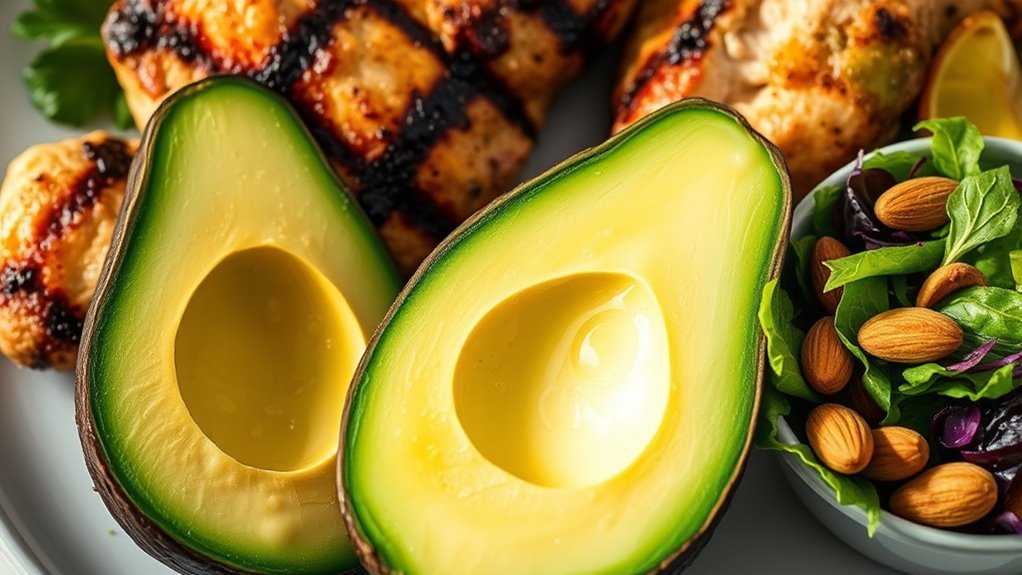

To maintain ketosis on a keto diet, you’ll want to keep your daily carbohydrate intake between 20 to 50 grams. For strict weight loss, aim for 20-30 grams, while 30-50 grams supports maintenance. It’s essential to focus on low-carb foods, avoiding simple sugars and prioritizing complex carbs from non-starchy vegetables and healthy fats. Tracking your intake helps guarantee you meet your goals. There’s more to explore about managing your carb intake effectively and delicious meal ideas for your journey.
Understanding Ketosis and Carbohydrate Limits
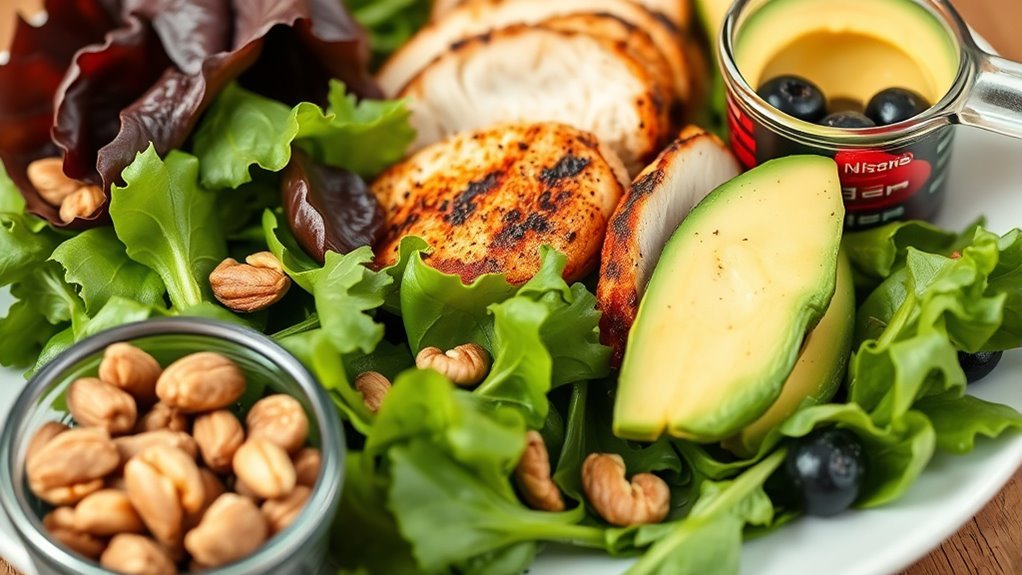
When you begin a keto diet, understanding ketosis and carbohydrate limits is essential for achieving your health goals. Ketosis occurs when your body shifts from burning glucose to burning fat for fuel, leading to several ketosis benefits, including weight loss, improved energy, and better mental clarity. To reach this metabolic state, you’ll typically need to limit your carbohydrate intake to about 20-50 grams per day. Some people find carb cycling beneficial; this involves alternating between low-carb and higher-carb days to maintain energy while still promoting fat loss. By mastering ketosis and managing your carb intake, you can enjoy greater flexibility in your diet while still working towards your health and fitness objectives. Embrace this journey; your body will thank you!
Recommended Daily Carb Intake for Keto
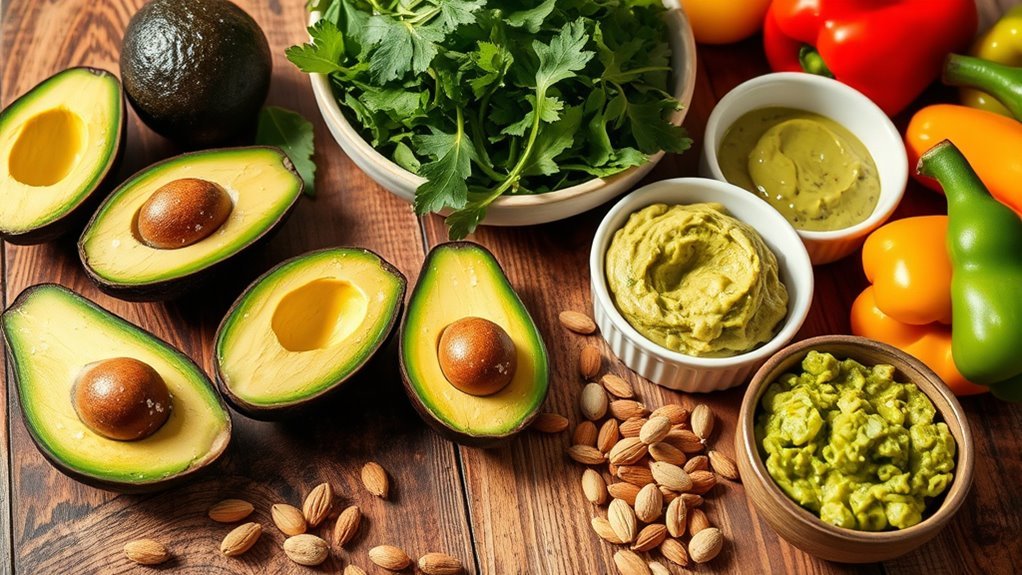
To successfully maintain ketosis, it’s important to know the recommended daily carbohydrate intake for a keto diet. Generally, you should aim for about 20-50 grams of net carbs daily. This range helps you reap the keto benefits, like fat loss and increased energy. Some people find success with carb cycling, where they alternate between low and moderate carb days to avoid plateaus.
| Daily Carb Intake | Purpose |
|---|---|
| 20-30 grams | Strict keto for weight loss |
| 30-50 grams | Moderate keto for maintenance |
| 50-70 grams | Carb cycling for flexibility |
| 70+ grams | Not recommended for ketosis |
Finding your ideal carb intake can empower your journey and enhance your results.
Types of Carbs: Which to Avoid and Which to Include
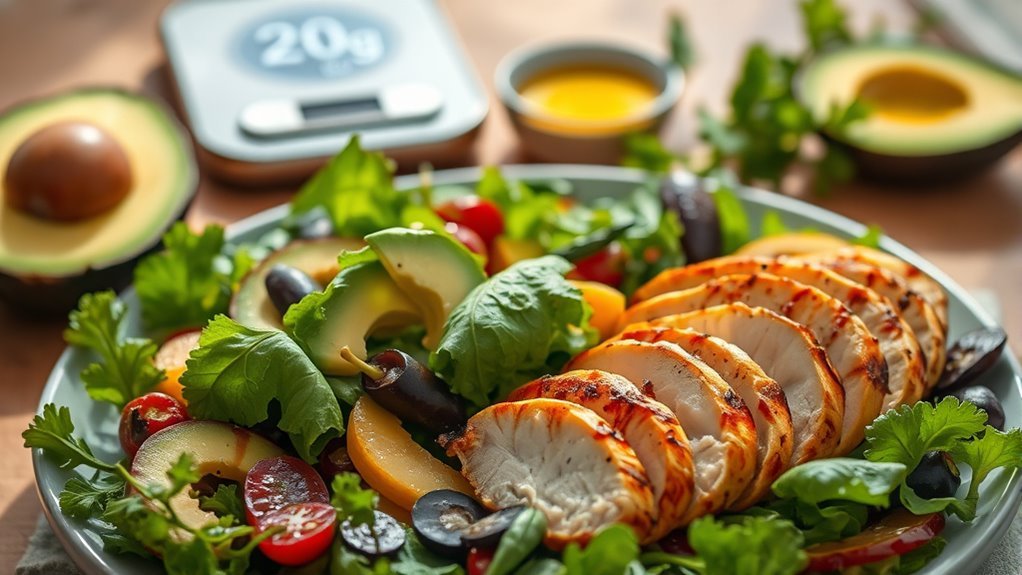
Understanding which types of carbohydrates to include or avoid is essential for maintaining ketosis effectively. You’ll want to steer clear of simple sugars, like those found in candies, sodas, and many processed foods, as they can spike your blood sugar levels and disrupt ketosis. Instead, focus on complex carbohydrates, which are found in non-starchy vegetables, nuts, and seeds. These options not only provide essential nutrients but also offer fiber, helping you feel full longer. While some complex carbs can still impact your carb count, they’re generally more favorable for your overall health. By making informed choices about your carb intake, you can enjoy a diverse diet while staying aligned with your ketogenic goals.
Tips for Tracking and Managing Carb Intake
Keeping track of your carbohydrate intake is essential for staying in ketosis and reaching your health goals. Start with carb counting, using apps or journals to log everything you eat. This’ll help you stay mindful of your daily limits. Portion control is equally important; measuring servings can prevent accidental overconsumption. Focus on whole, low-carb foods, and always read labels to understand hidden carbs in packaged items. Remember, flexibility is key—allow yourself occasional treats within your carb limit to maintain balance and satisfaction. Finally, reassess your intake regularly to adapt to your body’s needs. By taking these steps, you’ll empower yourself to manage your carb intake effectively while enjoying the freedom of your keto journey.
Delicious Low-Carb Meal Ideas for Your Keto Journey
While starting on your keto journey, finding delicious low-carb meal ideas can make all the difference in maintaining your motivation and satisfaction. Here are three tasty options to contemplate:
- Zucchini Noodles with Pesto: Swap traditional pasta for spiralized zucchini tossed in homemade pesto for a invigorating, low-carb meal.
- Stuffed Bell Peppers: Fill bell peppers with a mixture of ground meat, cheese, and spices for a hearty, satisfying dish.
- Chia Seed Pudding: Combine chia seeds with coconut milk and a low-carb sweetener for a creamy, nutritious dessert.
Don’t forget to keep some keto-friendly snacks on hand, like cheese crisps or nuts, and indulge in low-carb desserts to satisfy your sweet tooth without guilt!
1. How many carbs should I eat daily on a keto diet?
On a keto diet, it is generally recommended to limit your carbohydrate intake to about 20 to 50 grams of net carbs per day. Net carbs are calculated by subtracting fiber and certain sugar alcohols from the total carbohydrates. This low carb intake helps your body enter a state of ketosis, where it burns fat for fuel instead of carbohydrates.
2. What are net carbs and how do I calculate them?
Net carbs are the carbohydrates that your body can digest and convert into glucose. To calculate net carbs, subtract the fiber content and certain sugar alcohols (like erythritol) from the total carbohydrates in a food item. For example, if a food has 10 grams of total carbohydrates and 5 grams of fiber, the net carbs would be 5 grams.
3. Can I eat more carbs on a keto diet if I exercise regularly?
While regular exercise can increase your carbohydrate tolerance, it’s essential to be cautious. Some people may be able to consume slightly more carbs while still maintaining ketosis, especially if they engage in high-intensity workouts. However, it’s best to monitor your body’s response and ketone levels to determine what works for you.
4. What happens if I exceed my daily carb limit on keto?
If you exceed your daily carbohydrate limit on a keto diet, your body may exit ketosis and revert back to burning glucose for energy. This can lead to reduced fat loss and may cause symptoms like fatigue, cravings, and mood swings as your body adjusts back. To maintain ketosis, it’s crucial to stick to your carb limits.
5. Are there any specific foods I should focus on to stay within my carb limit?
Yes, to stay within your carb limit on a keto diet, focus on low-carb foods such as leafy greens, cruciferous vegetables (like broccoli and cauliflower), nuts, seeds, avocados, and meats. Additionally, be cautious with high-carb foods like grains, legumes, most fruits, and sugary products. Always check nutrition labels to keep track of your carb intake.
References
- https://www.ncbi.nlm.nih.gov/pmc/articles/PMC6520676/
- https://www.health.harvard.edu/staying-healthy/the-keto-diet
- https://www.webmd.com/diet/obesity/what-is-the-keto-diet
- https://www.mayoclinic.org/healthy-lifestyle/nutrition-and-healthy-eating/expert-answers/keto-diet/faq-20461493
- https://www.cdc.gov/healthyweight/healthy_eating/dietary_guidelines.html
- https://www.reuters.com/article/us-health-keto-diet-insight-idUSKBN1ZH1A7
- https://www.nutrition.gov/topics/nutrition-101/what-ketogenic-diet
- https://www.jamanetwork.com/journals/jama/fullarticle/2720270