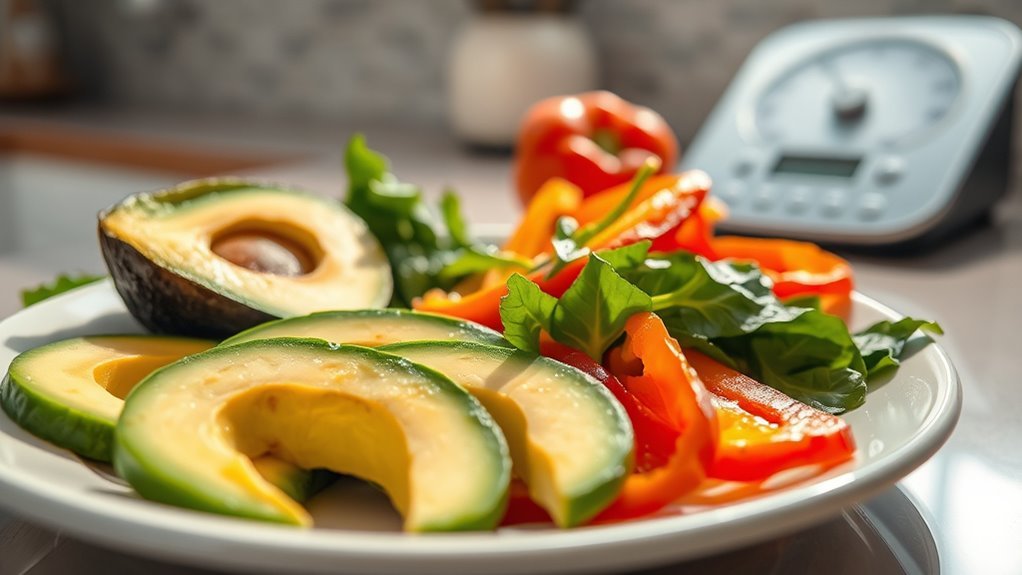

On a ketogenic diet, you should limit your daily carbohydrate intake to between 20 and 50 grams to help your body enter ketosis and start burning fat for fuel. Factors like your metabolism, activity level, and personal goals can influence your specific carb needs. It’s crucial to track your consumption to avoid hidden carbs and guarantee success. Making small adjustments can help you achieve your desired results, and there’s much more to explore about maximizing your keto journey.
Understanding Ketosis and Carbohydrate Intake

When you’re trying to understand ketosis and carbohydrate intake, it’s essential to grasp how the body shifts from using glucose to burning fat for fuel. In a state of ketosis, your body becomes highly efficient at utilizing fat stores, which can lead to numerous ketosis benefits, including weight loss and improved mental clarity. To achieve this metabolic state, you’ll need to limit carbohydrate sources, such as sugars and starches, that typically provide quick energy. Instead, focus on high-quality fats and moderate protein to support your energy needs. By consciously managing your carb intake, you empower yourself to take control of your health and experience the freedom that comes with effective fat-burning. Understanding this balance is key to successfully steering a ketogenic lifestyle.
Recommended Daily Carb Limits for Keto
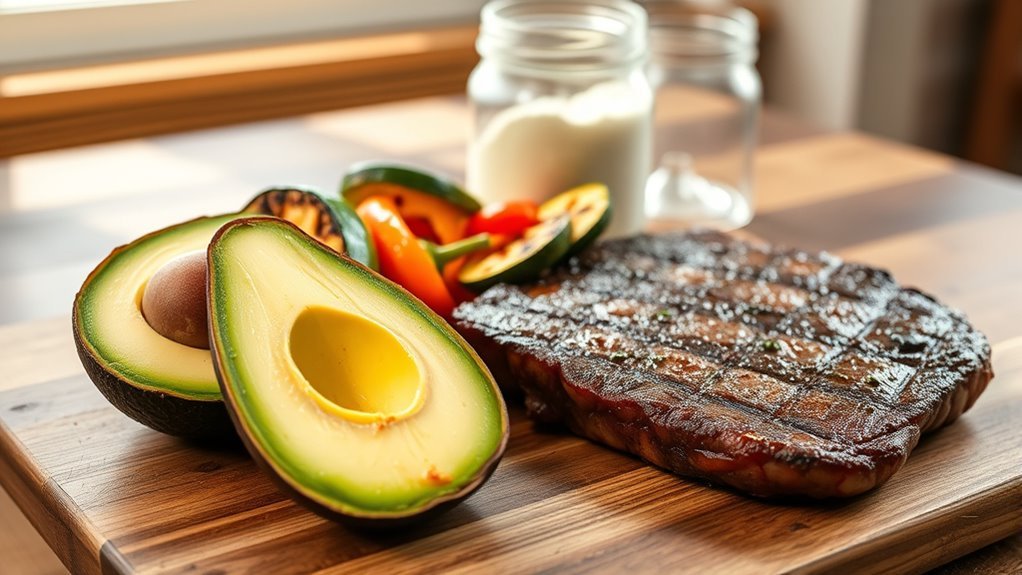
To maintain a state of ketosis, you’ll need to adhere to specific carbohydrate limits. Generally, most keto dieters aim for a daily carb intake of around 20 to 50 grams of net carbs. This range allows your body to shift from burning glucose to burning fat for fuel, which is the essence of the ketogenic diet. It’s important to remember that these keto carb limits can vary based on individual factors, but staying within this range typically helps achieve and sustain ketosis. By focusing on low-carb vegetables, healthy fats, and moderate protein, you can enjoy your meals while respecting your daily carb intake. Keeping it balanced guarantees you have the freedom to explore various delicious, keto-friendly foods.
Factors Influencing Carb Needs

While individual carb needs can vary considerably, several key factors influence how many carbs you should consume on a ketogenic diet. Your individual metabolism plays a vital role, as does your activity level; the more active you are, the more carbs you might need. Age factors in too, since metabolic rates typically decline with age. Body composition and dietary preferences also shape your carb intake. If you have specific health conditions or varying insulin sensitivity, these elements can dictate your requirements. Meal timing and hormonal balance are also significant, affecting how your body processes carbs. Ultimately, your lifestyle choices will guide you in determining the right balance for your unique needs on a keto journey.
Tracking Your Carbohydrate Consumption
Many people find that tracking carbohydrate consumption is essential for success on a ketogenic diet. By accurately measuring your daily intake, you can stay within your carb limits, promoting ketosis and achieving your health goals. Here are some tips to help you track effectively:
- Use carb counting to monitor your daily intake.
- Explore various tracking apps to simplify the process.
- Keep a food diary to identify hidden carbs in your meals.
- Set realistic goals to maintain motivation and accountability.
Types of Carbohydrates to Consider
Understanding the types of carbohydrates you consume is essential for successfully managing a ketogenic diet. Not all carbs are created equal; focusing on fiber sources can help you meet your nutritional needs while staying within your carb limit. Foods like leafy greens, avocados, and nuts provide essential fiber that supports digestion and overall health. Additionally, consider incorporating sugar substitutes like erythritol or stevia in your meals. These low-carb alternatives allow you to enjoy sweetness without the blood sugar spikes associated with traditional sugars. By selecting the right types of carbohydrates, you can maintain your keto lifestyle and enjoy a sense of freedom in your food choices. Balance is key, so make informed decisions to support your goals.
Tips for Staying Within Your Carb Goal
To successfully stay within your carb goal on a ketogenic diet, it’s essential to plan your meals and snacks thoughtfully. Here are some tips to help you maintain your carb count:
Planning your meals and snacks is crucial for staying within your carb goal on a ketogenic diet.
- Meal prepping: Prepare your meals in advance to control portions and avoid impulsive choices.
- Carb counting: Keep track of your daily carb intake using apps or a food diary to stay accountable.
- Read labels: Familiarize yourself with nutritional information to identify hidden carbs in packaged foods.
- Focus on whole foods: Prioritize low-carb vegetables, meats, and healthy fats to fill your plate and minimize carb intake.
Delicious Low-Carb Foods to Enjoy
When you’re on a keto diet, there are plenty of delicious low-carb foods to enjoy that can keep your meals satisfying and nutritious. Focus on nutrient-dense vegetables, protein-packed snacks, and flavorful healthy fats to enhance your dining experience while staying within your carb limits. These options not only support your health goals but also make it easier to enjoy your meals.
Nutrient-Dense Vegetables
Nutrient-dense vegetables are a cornerstone of any successful keto diet, offering a wealth of vitamins and minerals while keeping carb counts low. To maximize your health and stay on track, consider incorporating these low-carb options into your meals:
- Leafy greens like spinach and kale provide essential nutrients and fiber.
- Cruciferous vegetables such as broccoli and cauliflower are rich in antioxidants.
- Colorful peppers not only add flavor but also deliver a range of vitamins.
- Don’t forget about portion control to maintain your carb limits while enjoying these nutrient profiles.
Protein-Packed Snacks
Incorporating protein-packed snacks into your keto meal plan can help you stay satisfied while keeping your carb intake in check. There are plenty of protein options to choose from, making it easy to find delicious snack ideas. Think of low carb treats like beef jerky, cheese crisps, or hard-boiled eggs for quick bites that curb cravings. You might also enjoy Greek yogurt or cottage cheese topped with nuts as healthy munchies. For savory snacks, consider roasted chickpeas or sliced turkey with avocado. These snacks not only provide protein but also deliver essential nutrients, keeping you energized throughout the day. Embracing these options can help you maintain your keto lifestyle while enjoying flavorful and satisfying bites.
Flavorful Healthy Fats
While many people think of fats as something to avoid, incorporating flavorful healthy fats into your keto diet can actually enhance your meals and keep you satisfied. These healthy fat sources not only provide essential nutrients but also make your dishes more enjoyable. You can create delicious low-carb meals by experimenting with various ingredients.
Here are some flavorful recipes to explore:
- Avocado: Creamy and versatile, perfect for salads or spreads.
- Olive oil: A staple for dressings and cooking, rich in antioxidants.
- Coconut oil: Adds a tropical twist to smoothies or baked goods.
- Nuts and seeds: Great snacks packed with flavor and crunch.
Experimenting with these options will add depth to your meals while adhering to your keto goals!
Common Mistakes to Avoid on Keto
When diving into the keto diet, it’s easy to make missteps that can hinder your progress. One common pitfall is not tracking your carb intake accurately. Many people fall for keto misconceptions, believing they can eat unlimited fats while ignoring portion sizes. This can lead to weight stalls or even gains. Additionally, relying too heavily on processed keto products may affect your overall health. Focus on whole, nutrient-dense foods instead. Another mistake is not staying hydrated, which is vital for those adapting to ketosis. Finally, don’t forget to monitor your electrolyte levels; imbalances can lead to fatigue. By avoiding these missteps, you’ll set a solid foundation for your keto journey and enjoy the freedom it offers.
Adjusting Carb Intake for Different Goals
Successfully maneuvering the keto diet means understanding how to adjust your carb intake based on your individual goals. Whether you want to lose weight, maintain energy, or build muscle, tailoring your carb consumption is essential. Consider these strategies for effective goal setting:
- Standard Keto: Stick to 20-50 grams of carbs for weight loss.
- Carb Cycling: Alternate between high and low carb days to promote muscle gain while staying in ketosis.
- Performance Focused: Increase carbs slightly during intense training sessions for better endurance.
- Maintenance Mode: Gradually increase your carb intake to find your personal balance without compromising your goals.
1. How many carbohydrates should I eat on a keto diet?
On a ketogenic diet, it is generally recommended to limit your carbohydrate intake to about 20 to 50 grams of net carbs per day. Net carbs are calculated by subtracting fiber and certain sugar alcohols from the total carbohydrates, as these do not significantly impact blood sugar levels. Staying within this range helps your body enter and maintain a state of ketosis, where it burns fat for fuel instead of carbohydrates.
2. What are net carbs and how do I calculate them?
Net carbs refer to the total carbohydrates in a food minus the fiber and certain sugar alcohols that do not affect blood sugar levels. To calculate net carbs, you can use the formula: Net Carbs = Total Carbohydrates – Fiber – Sugar Alcohols. By focusing on net carbs, you can better manage your carbohydrate intake while still enjoying fibrous foods that promote digestive health.
3. Can I exceed the carb limit and still stay in ketosis?
Exceeding your daily carb limit can potentially knock you out of ketosis, especially if you go significantly over the recommended range of 20 to 50 grams of net carbs. However, individual tolerance to carbohydrates can vary. Some people may be able to maintain ketosis with slightly higher carb intake, depending on factors like activity level, metabolic rate, and overall diet composition. It’s recommended to monitor your ketone levels if you decide to experiment with your carb intake.
4. What types of foods are low in carbs and suitable for a keto diet?
Foods that are low in carbohydrates and suitable for a keto diet include non-starchy vegetables (such as leafy greens, broccoli, and cauliflower), meats (like beef, pork, chicken, and fish), eggs, full-fat dairy products (like cheese and cream), nuts and seeds, and healthy fats (such as olive oil, coconut oil, and avocados). These foods are nutrient-dense and can help you stay within your carbohydrate limits while providing essential nutrients.
5. How can I track my carb intake effectively on a keto diet?
To track your carb intake effectively on a keto diet, consider using a food diary or a mobile app designed for tracking macros. These tools allow you to log your food consumption and automatically calculate your net carbs. Additionally, familiarize yourself with food labels and serving sizes, and be mindful of hidden carbohydrates in sauces and processed foods. Regularly reviewing your intake will help you stay accountable and make informed dietary choices.
References
- https://www.ncbi.nlm.nih.gov/pmc/articles/PMC6520688/
- https://www.healthline.com/nutrition/ketogenic-diet-101
- https://www.webmd.com/diet/obesity/what-is-a-ketogenic-diet
- https://www.mayoclinic.org/healthy-lifestyle/nutrition-and-healthy-eating/expert-answers/ketogenic-diet/faq-20470499
- https://www.cdc.gov/healthyweight/assessing/bmi/adult_bmi/english_bmi_calculator/bmi_calculator.html
- https://www.verywellfit.com/what-is-the-ketogenic-diet-5112322
- https://www.diabetes.org/nutrition/healthy-foods/healthy-eating
- https://www.nutrition.gov/topics/nutrition-101/what-ketogenic-diet