

To successfully follow a ketogenic diet, most individuals should target a daily caloric intake that typically ranges from 1,500 to 2,000 calories, depending on factors like age, gender, activity level, and weight loss goals. This tailored approach allows you to effectively enter and maintain a state of ketosis, optimizing fat burning as your primary energy source. In this article, we will delve into the specifics of determining your unique caloric needs while adhering to a keto lifestyle, ensuring that you achieve optimal results.
Understanding the Keto Diet

The ketogenic diet is a high-fat, moderate-protein, and low-carbohydrate eating plan designed to shift the body’s metabolism away from carbohydrates and towards fat. This dietary approach typically consists of a macronutrient ratio of approximately 70-75% fat, 20-25% protein, and 5-10% carbohydrates. By significantly reducing carbohydrate intake, the body enters a metabolic state known as ketosis, where it begins to efficiently burn fat for fuel instead of relying on glucose derived from carbohydrates.
In ketosis, the liver converts fatty acids into ketones, which serve as an alternative energy source for the brain and body. This shift not only aids in weight loss but can also lead to numerous health benefits, including improved insulin sensitivity, enhanced mental clarity, and increased energy levels. Understanding these foundational concepts is crucial for anyone looking to successfully navigate the ketogenic diet and achieve their personal health and wellness goals.
Caloric Needs Based on Goals
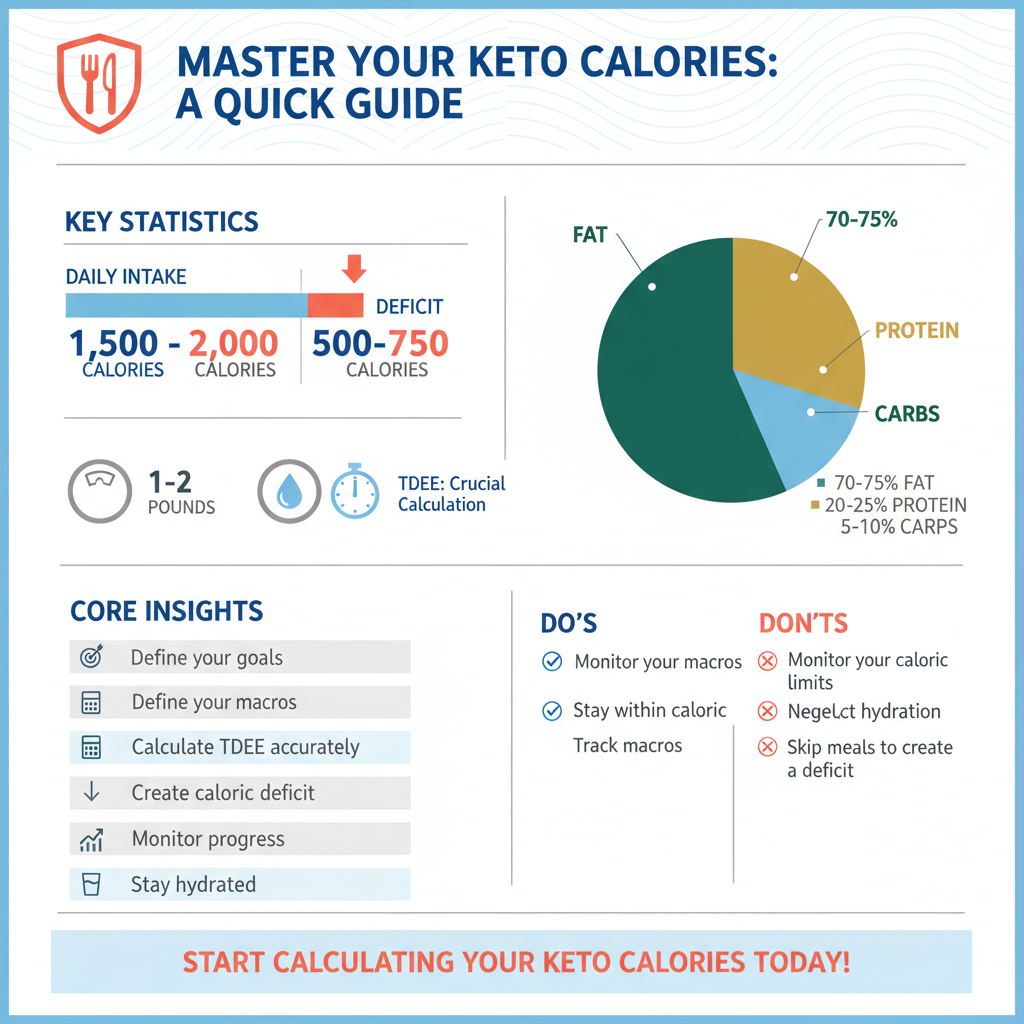

Your caloric needs on a ketogenic diet will vary significantly based on your individual goals. For those aiming for weight loss, creating a caloric deficit is essential. Generally, a deficit of 500-750 calories from your Total Daily Energy Expenditure (TDEE) is recommended to facilitate a safe and sustainable weight loss of 1-2 pounds per week. TDEE can be estimated using various online calculators that account for factors such as age, gender, weight, height, and activity level.
On the other hand, if your goal is to maintain your current weight while following a ketogenic diet, accurately calculating your TDEE becomes even more critical. Understanding how many calories you burn in a day allows you to adjust your intake accordingly, ensuring that you consume enough to support your energy needs without falling into a deficit that could lead to unintended weight loss or nutrient deficiencies.
Calculating Your Macros
Once you have determined your caloric needs, the next step is to calculate your macronutrients. The standard keto macronutrient breakdown is 70-75% fat, 20-25% protein, and 5-10% carbohydrates. For example, if your daily caloric intake is set at 1,800 calories, your macronutrient distribution would look like this:
– Fats: 70% of 1,800 calories = 1,260 calories from fat, which translates to approximately 140 grams of fat (since 1 gram of fat contains 9 calories).
– Proteins: 25% of 1,800 calories = 450 calories from protein, equating to around 113 grams of protein (1 gram of protein contains 4 calories).
– Carbohydrates: 5% of 1,800 calories = 90 calories from carbohydrates, which is about 23 grams of carbs (1 gram of carbohydrate also contains 4 calories).
Using a macronutrient calculator can greatly simplify this process, allowing you to input your caloric intake and receive a breakdown of how many grams of each macronutrient you should aim for daily. This will ensure that you remain on track with your keto diet while effectively managing your body’s energy sources.
Adjusting Caloric Intake
Monitoring your progress while following a ketogenic diet is essential for long-term success. As you lose weight or reach your maintenance goals, it may be necessary to reassess and adjust your caloric intake. Regularly tracking your weight, body measurements, and how you feel can provide valuable insights into whether your current caloric intake is appropriate.
In addition to weight changes, consider external factors such as exercise frequency, intensity, and stress levels when adjusting your caloric needs. If you’ve increased your physical activity, you may require additional calories to support recovery and muscle maintenance. Conversely, if you find yourself plateauing in weight loss, slight adjustments to your caloric intake or macronutrient ratios may be necessary to reignite your progress.
Common Mistakes to Avoid
When embarking on a ketogenic diet, it’s crucial to avoid common pitfalls that can hinder your success. One significant mistake is drastically cutting calories, as this can lead to nutrient deficiencies, metabolic slowdown, and an overall negative impact on health. Instead, aim for a gradual reduction in calories that aligns with your weight loss goals.
Another mistake many individuals make is consuming too many carbohydrates. Even small deviations from the recommended macronutrient ratios can hinder your ability to achieve and maintain ketosis. It’s vital to be vigilant about hidden carbs in processed foods and sauces. Keeping a food diary or utilizing a tracking app can be beneficial for staying accountable and aware of your carb intake.
Tools and Resources
To effectively manage your ketogenic diet and caloric intake, numerous tools and resources are available. Mobile apps such as MyFitnessPal and Cronometer allow you to track your food intake meticulously, ensuring that you meet your macronutrient goals. These tools can help you visualize your diet, making it easier to stay within your desired calorie and macronutrient ranges.
Additionally, consulting with nutritionists or dietitians who specialize in ketogenic diets can provide personalized insights and recommendations tailored to your unique circumstances. They can help you navigate complex dietary choices, make adjustments as needed, and ensure that you are following a plan that promotes overall health while achieving your weight loss or maintenance goals.
To summarize, determining how many calories to consume on a keto diet involves understanding your individual goals, calculating your macronutrient needs, and making adjustments based on your progress. By following a structured approach to caloric intake, you can effectively harness the benefits of the ketogenic diet, optimizing your health and achieving your personal wellness objectives. Start applying these insights today to enhance your keto experience and realize your health goals!
Frequently Asked Questions
How many calories should I consume daily on a keto diet?
The number of calories you should consume on a keto diet varies based on individual factors such as age, gender, weight, activity level, and metabolic health. Generally, most ketogenic diets recommend a daily calorie intake that is around 20-25% lower than your total daily energy expenditure (TDEE). For many people, this translates to consuming between 1,500 to 2,500 calories per day, but it’s essential to calculate your specific needs using a TDEE calculator and adjust based on your weight loss or maintenance goals.
What is the ideal macronutrient ratio for calories on a keto diet?
On a keto diet, the ideal macronutrient ratio typically consists of approximately 70-75% of calories from fats, 20-25% from protein, and only about 5-10% from carbohydrates. This high-fat, low-carb approach helps your body enter a state of ketosis, where it burns fat for fuel instead of carbohydrates. To achieve these ratios effectively, it’s crucial to track your food intake using apps or food diaries, ensuring that you stay within the desired limits for optimal results.
Why is calorie counting important on a ketogenic diet?
Calorie counting is important on a ketogenic diet because, despite the focus on macronutrient ratios, overall caloric intake still plays a crucial role in weight loss or maintenance. Consuming fewer calories than you expend will help you shed excess weight, while excess caloric intake—even from keto-friendly foods—can hinder weight loss efforts. By monitoring your calories, you can better manage your energy balance and ensure that your keto journey remains effective and sustainable.
How can I calculate my caloric needs for a keto diet?
To calculate your caloric needs for a keto diet, start by determining your total daily energy expenditure (TDEE) using an online calculator, which factors in your age, gender, weight, height, and activity level. Once you have your TDEE, subtract 20-25% to create a caloric deficit for weight loss or maintain your TDEE for weight maintenance. Remember to adjust your caloric intake based on your progress and how your body responds to the diet over time.
What are the best foods to include in my calorie count on a keto diet?
The best foods to include in your calorie count on a keto diet are high-fat, low-carb options such as avocados, nuts and seeds, fatty fish, olive oil, and dairy products like cheese and heavy cream. Additionally, non-starchy vegetables like leafy greens, broccoli, and cauliflower can provide essential nutrients without significantly increasing your carb count. By focusing on these foods, you can easily meet your calorie goals while staying within the desired macronutrient ratios of the keto diet.
References
- https://www.ncbi.nlm.nih.gov/pmc/articles/PMC5961200/
- https://www.healthline.com/nutrition/keto-diet-calorie-intake
- https://www.cdc.gov/healthyweight/calories/index.html
- Infectious Diseases – Overview – Mayo Clinic
- https://www.webmd.com/diet/what-is-the-ketogenic-diet
- https://www.americannutritionassociation.org/newsletter/what-calories-should-you-eat-ketogenic-diet
- https://www.hsph.harvard.edu/nutritionsource/healthy-weight/calories/