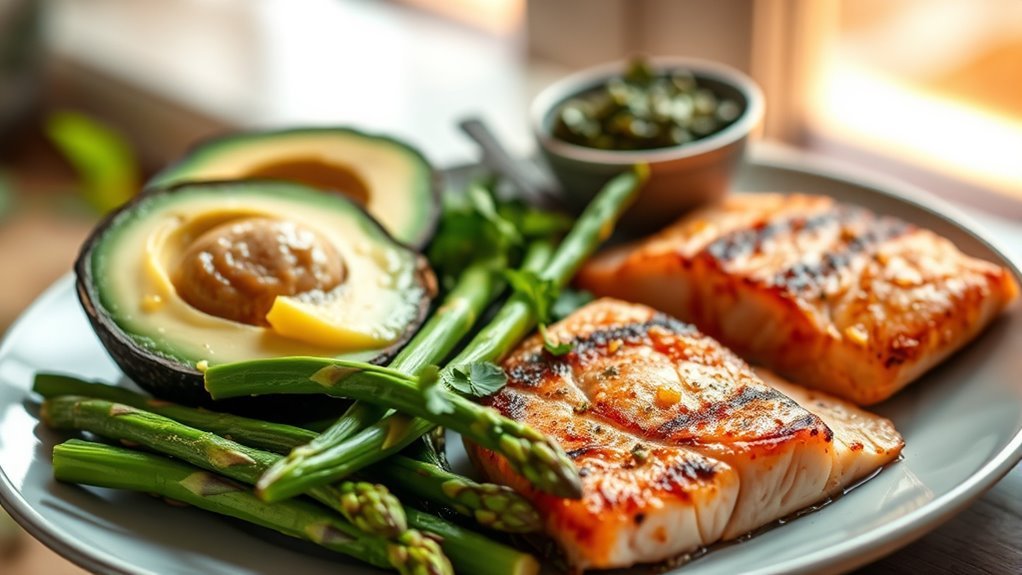

On a ketogenic diet, your caloric intake mainly depends on your individual needs, including factors like age, weight, and activity level. Generally, a caloric deficit of 500 calories per day can aid weight loss. Aim for macronutrient ratios around 70-75% fat, 20-25% protein, and 5-10% carbs. Tracking your intake helps maintain these goals and enjoy a variety of keto-friendly foods. There’s more to discover about meal planning and delicious options to support your journey.
Understanding the Ketogenic Diet
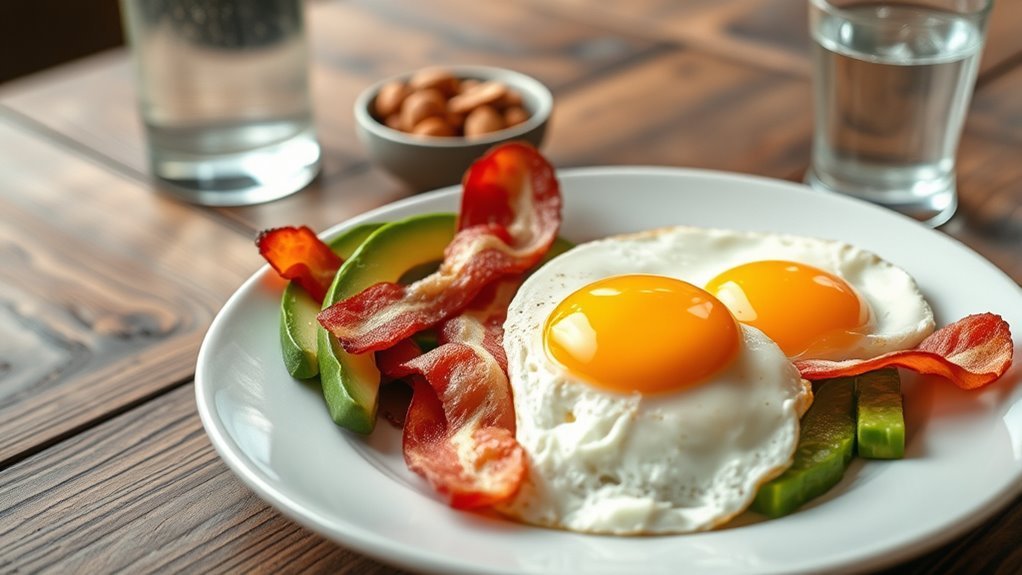
When you plunge into the ketogenic diet, you’ll find it fundamentally shifts your body’s energy source from carbohydrates to fats. This change is part of the keto basics: by drastically reducing carbs and increasing fat intake, your body enters a state called ketosis. Here, fat becomes your primary fuel, which can lead to effective weight loss and increased energy levels. However, diet misconceptions often cloud this journey. Many believe keto requires extreme restrictions or unhealthy eating, but it’s about choosing nutrient-dense, whole foods. You’ll enjoy a variety of delicious options while gaining the freedom to break away from constant carb cravings. Understanding these principles is essential for embracing a successful and sustainable ketogenic lifestyle.
The Importance of Caloric Intake
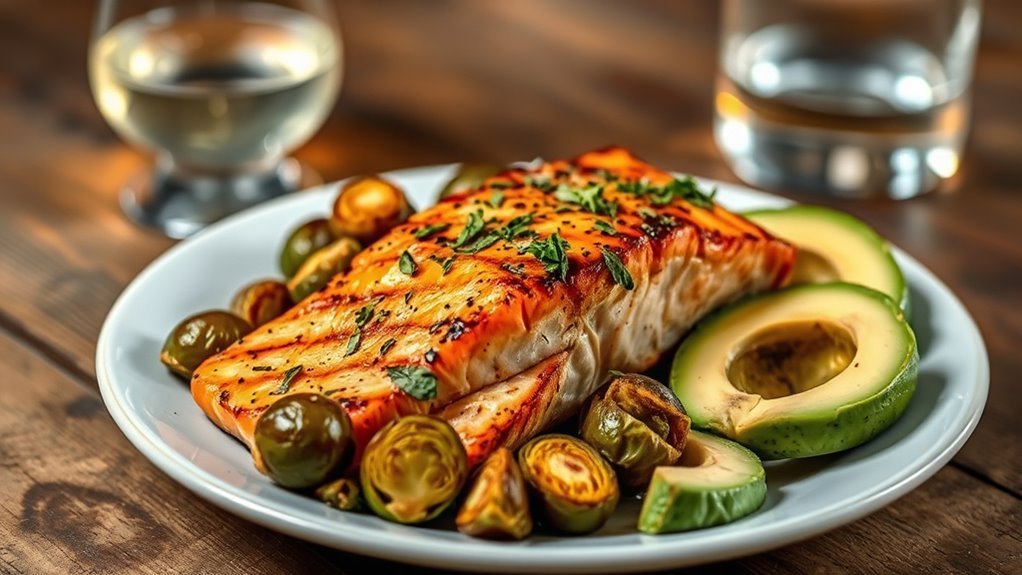
Caloric intake plays a significant role in the effectiveness of the ketogenic diet. To achieve your desired results, maintaining a proper caloric balance is essential. If you consume more calories than your body expends through energy expenditure, you may struggle to lose weight, even on a low-carb diet. On the other hand, if you’re in a caloric deficit, your body will tap into its fat stores for energy, which is the goal of keto. This balance allows you to enjoy the freedom of food choices while still promoting fat loss. Remember, it’s not just about the types of food you eat; it’s also about how much you consume. Understanding your caloric needs helps you navigate keto effectively.
How to Calculate Your Caloric Needs
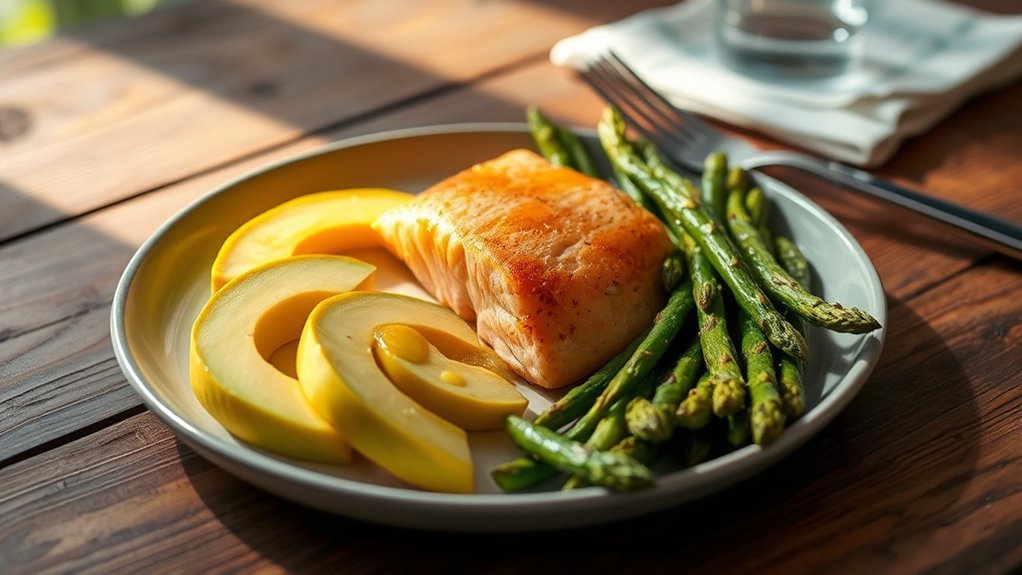
To effectively tailor your ketogenic diet, knowing how to calculate your caloric needs is crucial. This process helps you align your dietary preferences with your goals. Here’s a simple way to get started:
- Use a Caloric Calculator: Input your age, gender, weight, height, and activity level to estimate your daily caloric needs.
- Adjust for Goals: If you’re aiming to lose, gain, or maintain weight, modify your caloric intake accordingly, typically by 500 calories for weight loss or gain.
- Monitor and Adapt: Regularly track your progress and adjust your caloric intake as necessary to guarantee you stay on target.
Macronutrient Ratios on Keto
When following a ketogenic diet, understanding macronutrient ratios is vital for success. Typically, you’ll want to aim for a high-fat, moderate-protein, and low-carb distribution, but these ratios can be adjusted based on your specific goals. Whether you’re aiming for weight loss, muscle gain, or improved energy levels, tailoring your macronutrient intake can help optimize your results.
Ideal Macronutrient Distribution
How can you effectively balance your macronutrients on a ketogenic diet? Achieving the ideal macronutrient distribution is vital for success. Typically, you’ll want to focus on the following ratios:
- Fat: 70-75% of your total daily calories, providing the energy your body craves.
- Protein: 20-25% of your total daily calories, essential for muscle preservation and overall health.
- Carbohydrates: 5-10% of your total daily calories, keeping your body in ketosis.
Using keto meal planning and macronutrient tracking can make this balance easier. By knowing your specific needs and adjusting your meals accordingly, you can enjoy the freedom this lifestyle offers while staying on track. Embrace the process and enjoy the delicious foods that fit your goals!
Adjusting Ratios for Goals
Adjusting your macronutrient ratios on a ketogenic diet can markedly enhance your results, especially if you have specific health or fitness goals in mind. By tailoring your meal planning to fit these goals, you can optimize your energy levels, fat loss, or muscle gain.
| Goal | Fat (% of Total Calories) | Protein (% of Total Calories) |
|---|---|---|
| Weight Loss | 70% | 25% |
| Muscle Gain | 60% | 35% |
| Maintenance | 65% | 30% |
| Athletic Performance | 55% | 40% |
Effective goal setting is key; adjusting these ratios according to your desired outcomes can empower your journey, giving you the freedom to reach your health objectives.
Adjusting Calories for Weight Loss
To effectively adjust your calories for weight loss on a keto diet, you first need to determine your caloric needs based on your activity level and goals. Understanding the importance of macronutrient ratios is also essential, as they help guide your food choices and keep you in ketosis. Remember to monitor your progress regularly to make necessary adjustments and stay on track.
Determine Caloric Needs
When it comes to finding your ideal caloric needs for weight loss on a keto diet, understanding your body’s specific requirements is essential. To determine your caloric intake, consider these three key factors:
- Basal Metabolic Rate (BMR): This is the number of calories your body needs at rest to maintain basic functions.
- Activity Level: Factor in your daily activities and exercise frequency to assess your total energy expenditure.
- Weight Loss Goal: Aim for a caloric deficit by consuming fewer calories than your body burns, promoting energy balance for effective weight loss.
Macronutrient Ratios Importance
Understanding the importance of macronutrient ratios is essential for anyone on a keto diet aiming for effective weight loss. Achieving the right macronutrient balance—typically high fats, moderate proteins, and very low carbs—can greatly impact your body’s ability to enter ketosis and burn fat efficiently. It’s not just about cutting calories; you also need to focus on nutrient density. Consuming foods rich in healthy fats, like avocados and nuts, guarantees you’re getting necessary vitamins and minerals while staying satisfied. This balance helps maintain energy levels, reduces cravings, and supports overall health. By prioritizing the right macronutrient ratios, you empower yourself to achieve your weight loss goals while enjoying the freedom that comes with the keto lifestyle.
Monitor Progress Regularly
Tracking your progress regularly is a key component of the keto diet, especially as you adjust your calorie intake for weight loss. To effectively monitor your journey, consider these strategies:
- Weekly Weigh-Ins: Consistently check your weight to identify trends and make necessary goal adjustments.
- Food Diary: Keep a detailed log of what you eat. This helps you spot patterns and refine your habits over time.
- Measurement Log: Record your body measurements to visualize progress beyond just the scale, which can help boost motivation.
Tips for Staying Within Your Caloric Goals
While sticking to your caloric goals on a keto diet can be challenging, employing some practical strategies can make it easier. Start with meal prepping; it helps you control portions and guarantees you have healthy snacks ready when cravings hit. Practice mindful eating by focusing on your meals, which can enhance satisfaction and reduce overeating. Tracking your intake can keep you accountable while offering insight into nutrient density. In social situations, plan ahead to make flexible dieting easier—choose keto-friendly options or offer to bring a dish. Finally, don’t forget hydration; sometimes thirst is mistaken for hunger. By incorporating these tips, you’ll navigate your keto journey with greater ease and freedom.
Delicious Keto-Friendly Foods to Enjoy
When you’re on a keto diet, enjoying delicious foods doesn’t have to be a challenge. You can indulge in a variety of keto-friendly options that are both satisfying and nutritious. Here are three delicious ideas to incorporate into your meal prep:
- Keto Snacks: Try cheese varieties like cheddar or mozzarella paired with olives for a quick, healthy fat boost.
- Low Carb Desserts: Whip up some avocado chocolate mousse, which is rich in healthy fats and low in carbs.
- Keto Friendly Drinks: Enjoy revitalizing beverages like iced tea with lemon or sparkling water infused with mint.
With these protein sources and vegetable options, you can maintain your keto lifestyle while savoring every bite. Freedom on keto is entirely possible!
1. How many calories should I consume on a keto diet?
The number of calories you should consume on a keto diet can vary based on factors such as your age, gender, weight, activity level, and specific health goals. Typically, for weight loss, many people aim for a calorie deficit, which can be around 1,500 to 2,000 calories per day. However, it’s essential to ensure that your macronutrient ratios are correct, with about 70-75% of your calories coming from fats, 20-25% from protein, and only 5-10% from carbohydrates.
2. Is it necessary to count calories on a keto diet?
While counting calories is not always necessary on a keto diet, it can be beneficial, especially for those who are new to the diet or have specific weight loss goals. Tracking your intake can help ensure you stay within your macronutrient goals and maintain a calorie deficit if that is your aim. However, many people find success by focusing on the quality of their food and the macronutrient ratio rather than strict calorie counting.
3. What types of foods should I focus on to meet my calorie needs on keto?
On a keto diet, focus on high-fat, low-carb foods to meet your calorie needs. This includes healthy fats such as avocados, olive oil, coconut oil, nuts, and seeds. Protein sources like fatty fish, grass-fed meats, and eggs are also essential. Low-carb vegetables, such as leafy greens, broccoli, and zucchini, should be included for fiber and nutrients. Together, these food groups will help you achieve your caloric and macronutrient goals while staying in ketosis.
4. Can I eat too many calories on a keto diet?
Yes, it is possible to eat too many calories on a keto diet. Even if you’re consuming low-carb foods, excessive calorie intake can hinder weight loss and lead to weight gain. It’s important to maintain a balance and ensure that your overall caloric intake aligns with your weight management goals. Monitoring your portion sizes and being mindful of high-calorie foods, like nuts and cheese, can help prevent overeating.
5. How does the keto diet affect my metabolism and calorie needs?
The keto diet can influence your metabolism by shifting your body from burning carbohydrates to burning fats for energy, which can lead to changes in your calorie needs. Initially, many people experience a decrease in appetite, which can lead to a lower caloric intake. However, as your body adapts to ketosis, you may find that your appetite stabilizes, and you may need to adjust your calorie intake accordingly. It’s essential to listen to your body and adjust your diet to ensure you meet your energy needs while staying in ketosis.
References
- https://www.ncbi.nlm.nih.gov/pmc/articles/PMC5964107/
- https://www.health.harvard.edu/blog/the-ketogenic-diet-what-it-is-and-what-you-need-to-know-2019031116924
- https://www.webmd.com/diet/what-is-the-keto-diet
- https://www.cdc.gov/healthyweight/assessing/bmi/adult_bmi/index.html
- https://www.journalofnutrition.org/content/early/2019/02/20/jn.118.255365
- https://www.mayoclinic.org/healthy-lifestyle/nutrition-and-healthy-eating/expert-answers/keto-diet/faq-20485882
- https://www.khanacademy.org/science/health-and-medicine/human-biology/digestion-and-absorption/nutrition-and-calories/a/what-are-calories
- https://www.aicr.org/resources/blog/what-is-the-ketogenic-diet/
- https://www.nutrition.gov/what-are-calories-and-how-are-they-used-in-the-body