

The length of time it takes to lose weight on the keto diet varies for each individual, but many people can expect to see noticeable results within the first few weeks. Factors such as starting weight, adherence to the diet, and physical activity levels significantly influence weight loss timelines. In this article, we’ll explore how the keto diet works, what to expect in terms of weight loss, and tips for maximizing your results.
Understanding the Keto Diet
The keto diet is a low-carb, high-fat diet that encourages the body to enter ketosis, a metabolic state where fat is burned for energy instead of carbohydrates. This shift occurs when carbohydrate intake is drastically reduced, leading the body to seek alternative energy sources. In ketosis, the liver converts fats into ketones, which serve as the primary fuel for the brain and body. By reducing carbohydrate intake to less than 50 grams per day, insulin levels decrease. This decline in insulin not only facilitates fat burning but also curbs hunger, making it easier to consume fewer calories overall.
The diet emphasizes whole, nutrient-dense foods like avocados, nuts, seeds, and high-quality meats while avoiding sugars and most grains. The keto diet’s effectiveness in promoting weight loss has been backed by numerous studies, highlighting its ability to enhance metabolic flexibility, stabilize blood sugar levels, and improve overall health markers. As one embarks on this dietary journey, understanding the principles of ketosis is crucial for success.
Initial Weight Loss Expectations
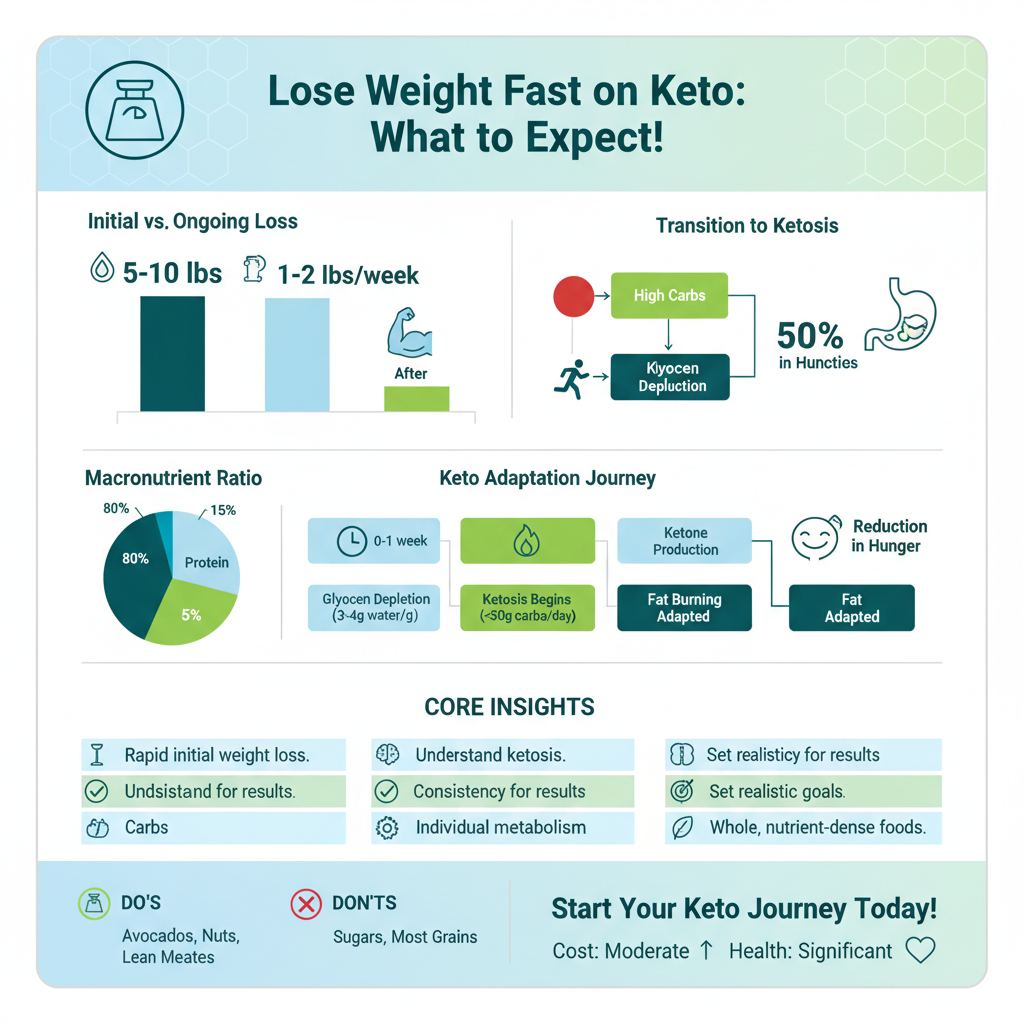

Many individuals experience rapid weight loss in the first week of the keto diet, primarily due to water loss and glycogen depletion. When carbohydrate intake is reduced, the body taps into stored glycogen for energy, which is bound to water; consequently, approximately 3-4 grams of water is stored with each gram of glycogen. This leads to an initial weight loss of 5-10 pounds for many people. However, it is essential to recognize that this initial loss is often temporary and may not reflect long-term fat loss.
Following the first week, weight loss typically continues but at a slower rate. Many individuals can expect to lose about 1-2 pounds per week as they begin to shed fat. It is important to remain patient and consistent during this phase, as the body adjusts to its new fuel source. Setting realistic expectations and understanding that weight loss can be a gradual process is key to maintaining motivation.
Factors Affecting Weight Loss Duration
Several factors can influence how quickly someone loses weight on the keto diet. Individual metabolism plays a significant role; those with faster metabolic rates may experience quicker fat loss. Starting weight is another critical variable; individuals with more body fat to lose often see more significant initial results. Age can also impact metabolism, with younger individuals typically losing weight more rapidly than older adults due to hormonal and metabolic differences.
Adherence to the diet is perhaps the most crucial factor in achieving results. Meal planning, preparation, and avoiding hidden carbohydrates in processed foods are vital components of long-term success. Support systems, such as family or online communities, can help maintain accountability and motivation. Additionally, incorporating regular physical activity, including both cardio and strength training, can further enhance weight loss results by increasing energy expenditure and promoting muscle retention.
Best Practices for Accelerating Weight Loss
To maximize weight loss on the keto diet, consider incorporating several best practices. Regular physical activity is essential, as it not only helps burn calories but also supports overall health. A balanced routine that includes both cardio and strength training can lead to optimal fat loss, improved muscle tone, and increased metabolic rate. Aim for at least 150 minutes of moderate aerobic activity or 75 minutes of vigorous activity per week, combined with two days of strength training.
Hydration is another critical aspect of the keto diet. Drinking ample water helps mitigate symptoms of the ‘keto flu,’ a collection of flu-like symptoms that some individuals may experience when transitioning to ketosis. In addition to water, consider supplementing with electrolytes, such as sodium, potassium, and magnesium, to maintain proper balance and prevent dehydration. Ensuring adequate sleep and managing stress levels are also vital for successful weight loss, as these factors can significantly impact hormone levels and metabolism.
Tracking Progress on the Keto Diet
Monitoring your progress on the keto diet is vital for staying motivated and making necessary adjustments. Weekly weigh-ins can provide a clear picture of your weight loss journey, but it’s important to remember that weight can fluctuate for various reasons, including water retention and muscle gain. Taking measurements of your waist, hips, and other key areas can offer additional insights into fat loss that a scale alone cannot provide.
In addition to traditional metrics, focus on non-scale victories. Improvements in energy levels, enhanced mood, better sleep quality, and increased physical performance can all indicate positive changes resulting from the diet. Keeping a food journal can also help you understand your eating patterns and make necessary adjustments to stay on track. Engaging with online or in-person support groups can provide encouragement and accountability during your journey.
Maintaining Long-Term Weight Loss
Once you reach your weight loss goals, the next challenge is maintaining those results. Gradually reintroducing carbohydrates can help you find a sustainable balance that allows for flexibility while still adhering to the principles of the keto diet. Aim to incorporate healthy, whole-food carbohydrates, such as fruits, vegetables, and whole grains, while avoiding processed sugars and refined carbs.
A balanced diet that includes healthy fats, proteins, and a moderate amount of carbohydrates is crucial for long-term maintenance. Continuing to monitor your food intake and staying active will help prevent weight regain. Moreover, cultivating healthy habits and a positive relationship with food can lead to sustained success and overall well-being.
Maintaining a keto diet can yield significant weight loss results, typically visible within weeks, but individual experiences will vary. To maximize your success, stay committed to the diet, track your progress, and incorporate healthy lifestyle habits. If you’re considering starting the keto diet, now is the perfect time to take action for a healthier you! By understanding the science behind the diet and the factors influencing your weight loss journey, you can set yourself up for lasting success.
Frequently Asked Questions
How long does it typically take to lose weight on a keto diet?
The duration for weight loss on a keto diet can vary significantly from person to person. Generally, many individuals start to see noticeable weight loss within the first two weeks as the body enters ketosis and begins burning fat for fuel instead of carbohydrates. However, substantial weight loss might take anywhere from a few weeks to several months, depending on factors such as starting weight, adherence to the diet, metabolic rate, and physical activity levels.
What factors influence the rate of weight loss on a keto diet?
Several key factors can affect how quickly you lose weight on a keto diet. These include your initial body weight, age, gender, metabolic health, level of physical activity, and how strictly you adhere to the ketogenic guidelines (keeping carbs low and fats high). Additionally, individual differences in insulin sensitivity and hormonal balance play a significant role in the rate of weight loss on a keto diet.
Why might I not be losing weight on a keto diet as expected?
If you’re not losing weight on a keto diet, it could be due to several reasons. Common issues include consuming too many calories, eating hidden carbs in processed foods, or not being in a state of ketosis due to inadequate fat intake. Additionally, stress, lack of sleep, and certain medications can hinder weight loss progress, making it essential to evaluate your overall lifestyle and dietary habits.
What is the best way to maximize weight loss on a keto diet?
To maximize weight loss on a keto diet, focus on maintaining a strict low-carb intake, ideally under 20-50 grams of net carbs per day, while ensuring you consume high-quality fats and adequate protein. Incorporating regular exercise, staying hydrated, and tracking your food intake can also help you stay accountable and on track. Many find that meal prepping and planning can prevent unintentional carb consumption, further supporting their weight loss goals.
Which foods should I avoid to lose weight effectively on a keto diet?
To lose weight effectively on a keto diet, you should avoid high-carb foods such as grains (like bread, rice, and pasta), sugary snacks and beverages, starchy vegetables (such as potatoes and corn), and most fruits (except for small portions of berries). Instead, focus on consuming low-carb vegetables, healthy fats (like avocados and olive oil), and high-quality protein sources. Steering clear of processed foods can also help maintain ketosis and promote weight loss.
References
- https://www.ncbi.nlm.nih.gov/pmc/articles/PMC6520897/
- https://www.health.harvard.edu/staying-healthy/the-truth-about-ketogenic-diets
- https://www.cdc.gov/healthyweight/losing_weight/index.html
- https://www.mayoclinic.org/healthy-lifestyle/nutrition-and-healthy-eating/expert-answers/keto-diet/faq-20459008
- https://www.webmd.com/diet/ss/slideshow-keto-diet-overview
- https://www.nutrition.gov/topics/basic-nutrition/dietary-recommendations/keto-diet
- https://www.theguardian.com/society/2021/jan/19/keto-diet-weight-loss-research
- https://www.nhlbi.nih.gov/health-topics/healthy-eating