

The keto diet typically starts to show results within the first few weeks, but the timeline can vary based on individual factors. Generally, many people experience rapid initial weight loss and improved energy levels as their bodies transition into a state of ketosis. However, the pace at which one sees results can depend on several variables, including adherence to the diet, individual metabolism, and underlying health conditions. In this article, you’ll learn what to expect during the initial phase, how long it generally takes to see significant weight loss, and other effects of the diet over time.
Understanding the Keto Diet Basics

The ketogenic diet, commonly known as the keto diet, is a high-fat, low-carbohydrate dietary approach designed to induce a metabolic state called ketosis. By drastically reducing carbohydrate intake—typically to about 5-10% of total daily calories—while increasing fat consumption to around 70-75%, the body is prompted to switch its primary fuel source from glucose (derived from carbohydrates) to fat. This metabolic shift can result in the breakdown of fat into ketones, which serve as an alternative energy source for the brain and body. In addition to weight loss, proponents of the keto diet claim various health benefits, including improved mental clarity, enhanced energy levels, and potential therapeutic effects for certain medical conditions.
Initial Phase: What Happens in the First Week?
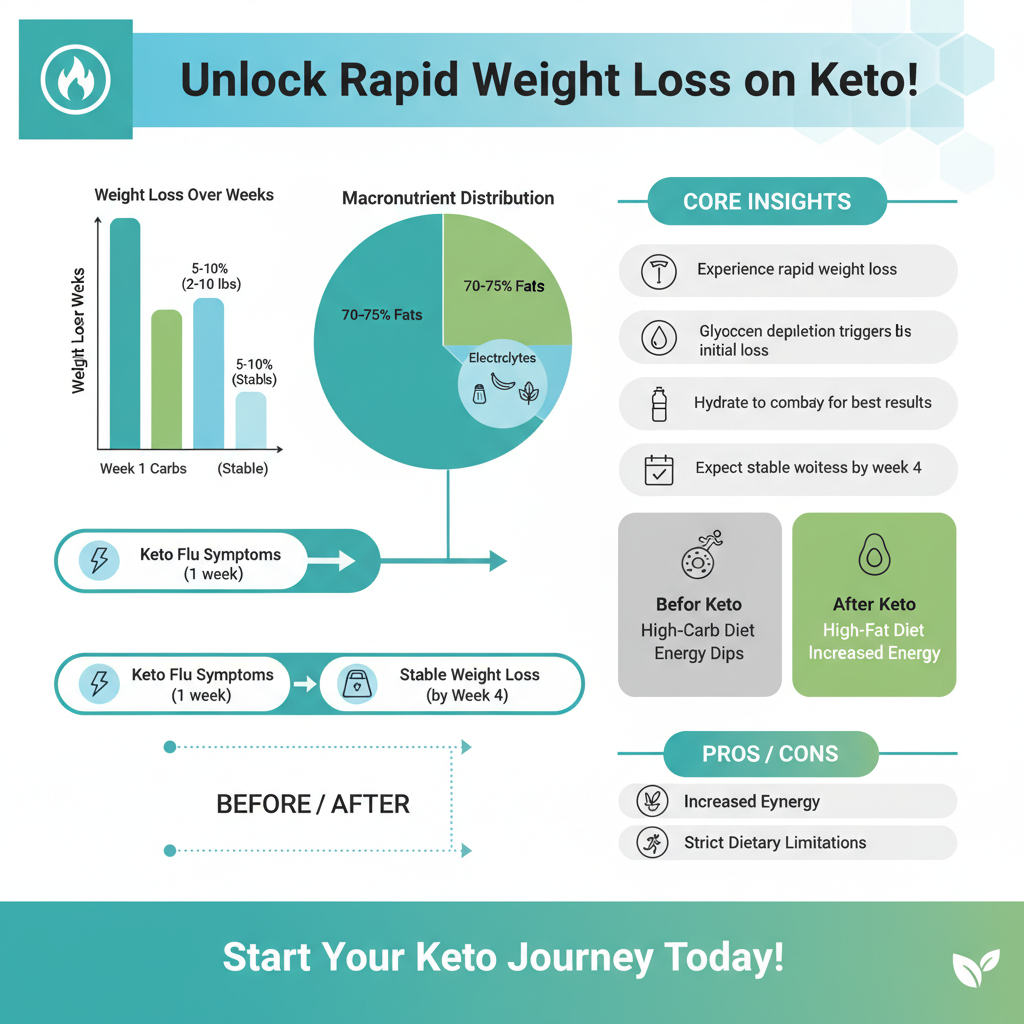

During the first week of adopting a keto diet, many individuals experience rapid weight loss, primarily due to glycogen depletion and water loss. Glycogen, stored in the liver and muscles, binds with water in the body; consequently, when carbohydrate intake is significantly reduced, the body draws on these glycogen stores, leading to a swift release of water weight. On average, people may lose anywhere from 2 to 10 pounds in this initial phase.
However, this rapid weight loss is often accompanied by some common side effects, collectively referred to as the “keto flu.” Symptoms may include fatigue, irritability, headaches, dizziness, and nausea, caused by the body adapting to the new metabolic state. While these symptoms can be uncomfortable, they tend to resolve within a few days to a week as the body adjusts to burning fat for fuel. Staying hydrated and ensuring adequate electrolyte intake—sodium, potassium, and magnesium—can help mitigate these side effects.
Timeline for Weight Loss: Weeks 2 to 4
As the diet progresses into weeks 2 to 4, most individuals begin to see more stable and consistent weight loss, as the body adapts to ketosis. At this stage, weight loss typically slows to a more sustainable rate of about 1 to 2 pounds per week, following the initial water weight loss. This gradual reduction can be attributed to the body’s increased efficiency in utilizing fat stores for energy.
During this time, many dieters also report experiencing enhanced mental clarity and increased energy levels, as ketones become the primary fuel source. It’s essential to note that weight loss may not be linear; some individuals may encounter plateaus where progress temporarily stalls. This can be influenced by factors such as changes in caloric intake, physical activity levels, and hormonal fluctuations. Engaging in regular physical activity, particularly resistance training, can help promote fat loss while preserving lean muscle mass.
Long-Term Results: When Can You Expect Significant Changes?
Many individuals on the keto diet report noticeable changes in body composition and energy levels after 4 to 6 weeks. During this timeframe, dieters often experience a significant reduction in body fat, particularly in areas such as the abdomen, which is often the most stubborn fat to lose. In addition to physical changes, many report improvements in mental clarity and focus, as ketones provide a more stable energy source for the brain compared to glucose.
Furthermore, some health metrics, such as blood sugar levels and cholesterol counts, may show improvement within this timeframe. Research suggests that the keto diet can positively affect insulin sensitivity, potentially benefiting those with type 2 diabetes or metabolic syndrome. However, it is crucial to monitor these health markers with a healthcare professional, especially for individuals with pre-existing conditions.
Factors That Affect the Keto Diet Timeline
Several individual factors can influence the timeline of results on the keto diet. Metabolism plays a significant role; individuals with faster metabolisms may see quicker weight loss compared to those with slower metabolic rates. Age and gender can also impact results, as hormonal differences may influence fat storage and loss patterns.
Adherence to the diet is another critical factor. Strict compliance with macronutrient ratios is essential for achieving and maintaining ketosis. Deviations from the diet, even small ones, can result in the body reverting to glucose metabolism, which can slow down or stall weight loss. Additionally, underlying health conditions, such as hormonal imbalances or metabolic disorders, can affect how quickly one sees progress on the keto diet.
Maintaining Results: What to Expect Beyond 6 Weeks
Sustained adherence to the keto diet can lead to further weight loss and improved overall health beyond the six-week mark. Many individuals find that after the initial adjustment phase, it becomes easier to maintain their weight and energy levels. Continued practice of the diet can result in a healthier body composition, improved metabolic markers, and potentially a reduced risk of chronic diseases.
As individuals progress, it is essential to monitor dietary intake and make necessary adjustments to macronutrient ratios. Some dieters may choose to implement a cyclical ketogenic diet, incorporating higher carb days periodically to prevent plateaus and maintain metabolic flexibility. Additionally, integrating regular physical activity is crucial for long-term success, as it supports overall health and aids in maintaining weight loss.
Tips for Maximizing Your Keto Diet Success
To maximize success on the keto diet, there are several actionable strategies to consider. First, staying adequately hydrated is crucial, especially during the initial phase when water loss can be significant. Consuming electrolyte-rich foods or supplements can help maintain balance and reduce the risk of the “keto flu.”
Additionally, tracking food intake using apps or journals can enhance accountability and motivation. By documenting meals and macronutrient ratios, individuals can ensure they stay within the desired limits and observe how different foods affect their bodies. Experimenting with a variety of keto-friendly foods can also prevent dietary fatigue and enhance nutritional intake.
Lastly, connecting with a community or support group can provide encouragement and accountability. Sharing experiences, recipes, and tips can foster a sense of camaraderie and help individuals stay committed to their goals.
Summarizing, the keto diet can start showing results within the first few weeks, with significant changes often occurring after a month. The timeline for weight loss varies by individual, but with dedication, many people find success in both weight loss and health improvements. By understanding the phases of the diet and implementing strategies for success, individuals can maximize the benefits of the keto lifestyle. If you’re considering starting the keto diet, plan your approach carefully and monitor your progress for the best outcomes.
Frequently Asked Questions
How quickly can I expect to see results on the keto diet?
Typically, individuals may start to see initial weight loss results within the first week of following the keto diet. This rapid weight loss is often due to a decrease in water weight as the body depletes glycogen stores. However, for sustained fat loss, it generally takes about 2 to 4 weeks for the body to fully adapt to ketosis and begin burning fat efficiently.
What factors influence how fast the keto diet works for weight loss?
Several factors can affect the speed at which the keto diet works, including your starting weight, age, gender, activity level, and adherence to the diet. Additionally, individual metabolic rates and how strictly you follow the macronutrient ratios (usually high fat, moderate protein, and very low carbohydrates) can significantly impact your results on the keto diet.
Why do some people see faster results on the keto diet than others?
The speed of results on the keto diet can vary widely among individuals due to differences in metabolism, body composition, and lifestyle factors. Genetics can play a role in how quickly one enters ketosis; some people may achieve this state faster than others. Moreover, adherence to the diet, physical activity levels, and even the types of foods consumed can influence how effectively your body utilizes fat for fuel.
Which phase of the keto diet is most effective for weight loss?
The initial phase of the keto diet, often referred to as the “induction phase,” is typically the most effective for rapid weight loss. During this stage, your body transitions from burning carbohydrates to burning fat for energy, leading to significant initial weight loss primarily from water weight. After this phase, weight loss tends to continue but at a slower, more sustainable pace as your body becomes more efficient at burning stored fat.
What can I do to maximize the effectiveness of the keto diet?
To maximize the effectiveness of the keto diet, ensure you are strictly adhering to the recommended macronutrient ratios of high fat, moderate protein, and very low carbohydrates. Incorporating regular physical activity, staying hydrated, and managing stress levels can also enhance your results. Additionally, keeping track of your food intake and monitoring your ketone levels can help you stay on track and make necessary adjustments to optimize your progress on the keto diet.
References
- https://www.ncbi.nlm.nih.gov/pmc/articles/PMC5781800/
- https://www.healthline.com/nutrition/what-is-the-keto-diet
- https://www.webmd.com/diet/what-is-the-ketogenic-diet
- https://www.mayoclinic.org/healthy-lifestyle/nutrition-and-healthy-eating/expert-answers/keto-diet/faq-20413111
- https://www.cdc.gov/healthyweight/assessing/bmi/adult_bmi/english_bmi_calculator/bmi_calculator.html
- https://www.reuters.com/article/us-health-ketodiet-idUSKBN2A50KM
- 45 CFR 46 | HHS.gov
- Vitamin C (Ascorbic Acid) – StatPearls – NCBI Bookshelf