

The keto diet typically starts showing noticeable results within two to four weeks, depending on individual factors like metabolism and adherence to the diet. During this period, many individuals experience significant changes in their body composition and energy levels. In this article, you will learn about the timeline for keto results, factors that influence this timeline, and tips to maximize your success on the keto diet.
Understanding Ketosis

Ketosis is the metabolic state where your body burns fat for fuel instead of carbohydrates. When you significantly reduce your carbohydrate intake, your body is forced to find an alternative energy source. This process begins when glycogen stores in the liver are depleted, which usually takes around 2-7 days of strict carbohydrate restriction. As a result, the liver starts converting fatty acids into ketones, which can then be used as energy by various tissues, including the brain.
The transition into ketosis can vary widely among individuals, influenced by factors such as baseline carbohydrate consumption, overall metabolic function, and activity levels. For some, utilizing tools like blood ketone meters or urine strips can help monitor ketone levels, providing a clearer indication of when ketosis has been achieved.
Initial Weight Loss Expectations
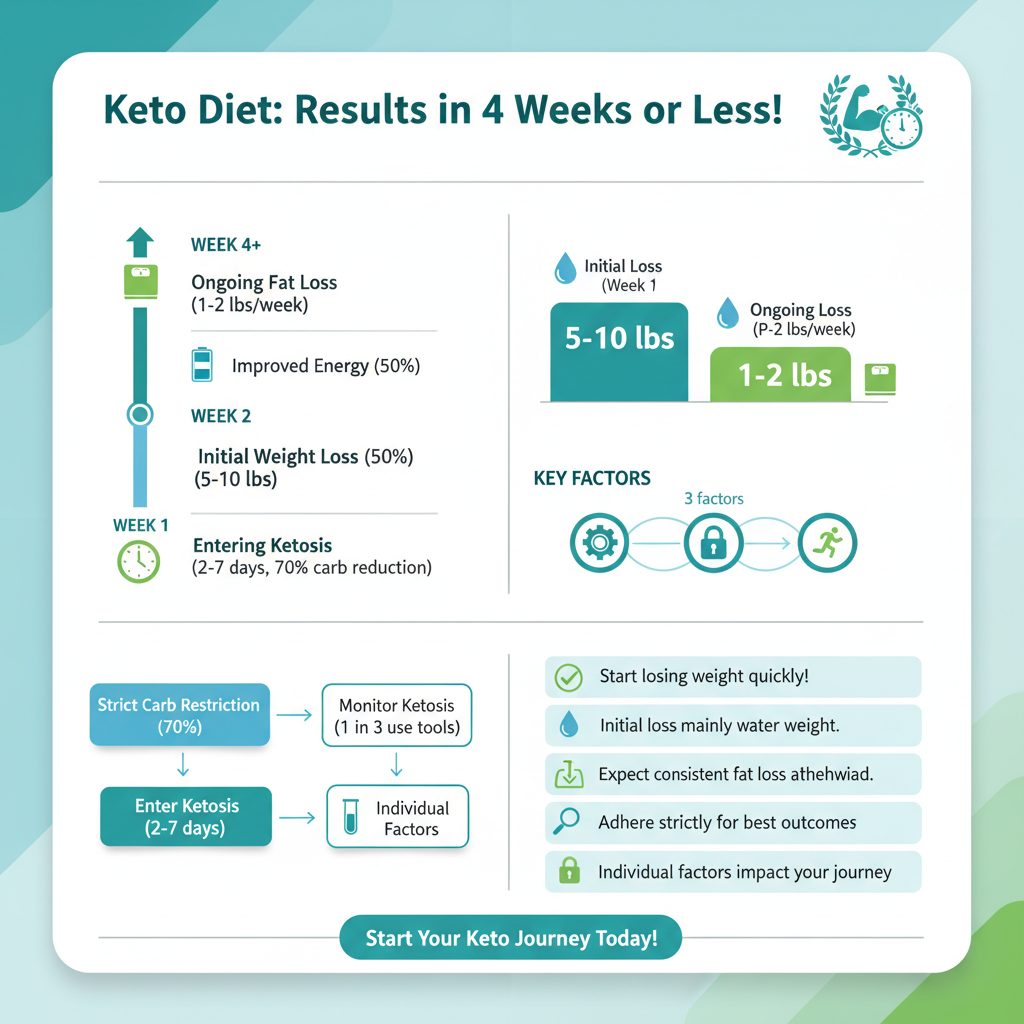

Many people experience rapid weight loss in the first week due to water weight. This is primarily because the body stores carbohydrates in the form of glycogen, which binds with water. When you restrict carbohydrates, glycogen stores decrease, leading to a significant drop in water weight. It’s not uncommon for individuals to see a weight loss of 5 to 10 pounds during this initial phase.
After the initial phase, weight loss may slow down but will continue as fat is burned. The subsequent weight loss primarily consists of fat rather than water. On average, individuals can expect to lose about 1-2 pounds per week thereafter, depending on their caloric deficit and adherence to the diet. It’s essential to remember that weight loss is not linear; fluctuations can occur due to various factors, including hormonal changes and muscle gain.
Factors Influencing Results
Several individual factors can influence how quickly you see results on the keto diet.
– Individual metabolism: Factors such as age, gender, hormonal balance, and overall body composition can impact metabolic rate. For instance, younger individuals or those with higher muscle mass may see quicker results due to a faster metabolism.
– Adherence to the diet: Strictly following the keto guidelines is crucial for faster results. Even small deviations from the diet can lead to a return to glucose metabolism, halting the process of ketosis. Maintaining a daily carbohydrate intake of 20-50 grams is generally recommended to stay in ketosis.
Other lifestyle factors, such as sleep quality, stress management, and physical activity, can also play a significant role in the effectiveness of the keto diet. Regular exercise, particularly resistance training, can complement the fat-burning process and improve overall body composition.
Signs the Keto Diet is Working
As your body transitions into ketosis, several signs indicate that the keto diet is working effectively:
– Increased energy levels: Many report feeling more energetic as their body adapts to burning fat. Once your body becomes efficient at utilizing ketones for energy, you may experience a boost in stamina, especially during workouts.
– Reduced hunger: A decrease in appetite is common as the body adjusts. Ketogenic diets often lead to higher satiety levels due to the increased intake of fats and proteins, which can help reduce overall calorie consumption.
– Improved mental clarity: Some individuals report enhanced cognitive function and focus when in ketosis, attributed to the brain’s ability to utilize ketones as a clean energy source.
Monitoring these signs can help you gauge your progress and adjust your approach if necessary.
Common Challenges and How to Overcome Them
While the keto diet can be highly effective, it is not without challenges.
– Keto flu: Initial symptoms like fatigue, irritability, and headaches can occur as your body transitions from glucose to fat as its primary fuel source. This phenomenon, often referred to as “keto flu,” typically lasts for a few days. Staying hydrated, increasing electrolyte intake (particularly sodium, potassium, and magnesium), and gradually reducing carbohydrates can mitigate these symptoms.
– Staying motivated: Keeping track of your progress through journaling or using apps can help maintain motivation. Setting realistic short-term goals, such as aiming for a specific weight loss target or fitting into a particular clothing size, can provide a sense of accomplishment. Additionally, connecting with a community of fellow keto dieters can offer support and encouragement.
Tips to Maximize Keto Diet Results
To maximize your results on the keto diet, consider implementing the following strategies:
– Meal prepping: Planning your meals in advance can help you adhere to the diet more easily. Preparing keto-friendly meals and snacks can prevent impulsive eating and ensure you have suitable options readily available. Invest time in creating a weekly meal plan that incorporates a variety of healthy fats, proteins, and low-carb vegetables.
– Hydration and electrolytes: Staying hydrated and maintaining electrolyte balance can alleviate common side effects associated with the keto diet. Aim to drink plenty of water throughout the day, and consider using electrolyte supplements or adding salt to your meals if you experience symptoms of depletion.
– Experiment with intermittent fasting: Some individuals find that combining the keto diet with intermittent fasting can enhance fat loss and improve metabolic health. This approach involves cycling between periods of eating and fasting, which can further encourage your body to use fat for energy.
The keto diet can yield results within a few weeks, but individual experiences may vary. By understanding the phases of the diet and implementing effective strategies, you can enhance your chances of success. Start your keto journey today and monitor your progress for the best results!
Frequently Asked Questions
How long does it typically take to see results from the keto diet?
Most people start to see initial results from the keto diet within the first week, often experiencing weight loss due to glycogen depletion and water loss. However, significant fat loss and body composition changes may take 2 to 4 weeks to become noticeable as the body adapts to burning fat for fuel. Individual results can vary based on factors such as adherence to the diet, starting weight, and metabolic rate.
Why does the keto diet work quickly for some people but not for others?
The speed at which the keto diet works varies due to several factors, including individual metabolic rates, levels of physical activity, hormonal balances, and adherence to the strict macronutrient ratios of the diet. Some people may also experience a phenomenon called the “keto flu,” which can temporarily affect weight loss. Understanding these variances can help set realistic expectations and encourage persistence.
What factors influence how long it takes to achieve ketosis on a keto diet?
Several factors influence the time it takes to enter ketosis, including carbohydrate intake, overall caloric consumption, and individual metabolic health. Generally, it can take anywhere from 2 to 7 days of adhering to a very low-carb intake (typically under 20 grams per day) for the body to switch from glucose to ketone utilization for energy. Personal factors like insulin sensitivity and physical activity levels also play a crucial role.
Which foods should I avoid for faster results on the keto diet?
To achieve faster results on the keto diet, it’s essential to avoid high-carb foods such as grains, sugars, starchy vegetables, and most fruits. Instead, focus on consuming healthy fats, moderate protein, and non-starchy vegetables to help your body enter ketosis more efficiently. Staying disciplined with your food choices will enhance your results and reduce the time it takes to see significant changes.
How can I measure the effectiveness of the keto diet over time?
The effectiveness of the keto diet can be monitored through several methods, including tracking weight loss, measuring body measurements, and using ketone testing strips to assess your ketone levels in urine or blood. Additionally, keeping a food diary can help you analyze your macronutrient intake and adherence to the diet. Ultimately, assessing overall health improvements, such as increased energy levels and better mental clarity, can also indicate the diet’s effectiveness beyond just weight loss.
References
- https://www.healthline.com/nutrition/keto-diet-results
- https://www.ncbi.nlm.nih.gov/pmc/articles/PMC6313448/
- https://www.webmd.com/diet/obesity/ss/slideshow-keto-diet
- https://www.mayoclinic.org/healthy-lifestyle/nutrition-and-healthy-eating/expert-answers/keto-diet/faq-20458357
- https://www.cdc.gov/healthyweight/assessing/bmi/adult_bmi/index.html
- Wide-Awake Local Anesthesia No Tourniquet (WALANT) Hand Surgery – StatPearls – NCBI Bookshelf
- https://www.usda.gov/media/blog/2021/04/20/what-keto-diet-and-how-does-it-work