

Getting into ketosis typically takes about 2 to 7 days, depending on various factors such as your diet, activity level, and metabolic rate. During this time, your body transitions from burning carbohydrates for fuel to utilizing fats. In this article, you’ll discover the timeline for keto effectiveness, factors affecting results, and tips for optimizing your journey.
Understanding Ketosis

Ketosis is a metabolic state where the body burns fat for fuel instead of carbohydrates. In a typical diet, carbohydrates are the primary energy source; however, when carbohydrate intake is significantly reduced—usually to less than 50 grams per day—the body must find an alternative source of energy. This leads to the breakdown of stored fats into ketones, which serve as a new fuel source. Achieving ketosis involves drastically reducing carbohydrate intake and increasing fat consumption, often leading to a diet composition of approximately 70-80% fats, 15-25% proteins, and only 5-10% carbohydrates. This shift not only supports weight loss but can also improve mental clarity and energy levels, making it a popular choice for many looking to enhance their health and wellness.
Initial Adaptation Phase
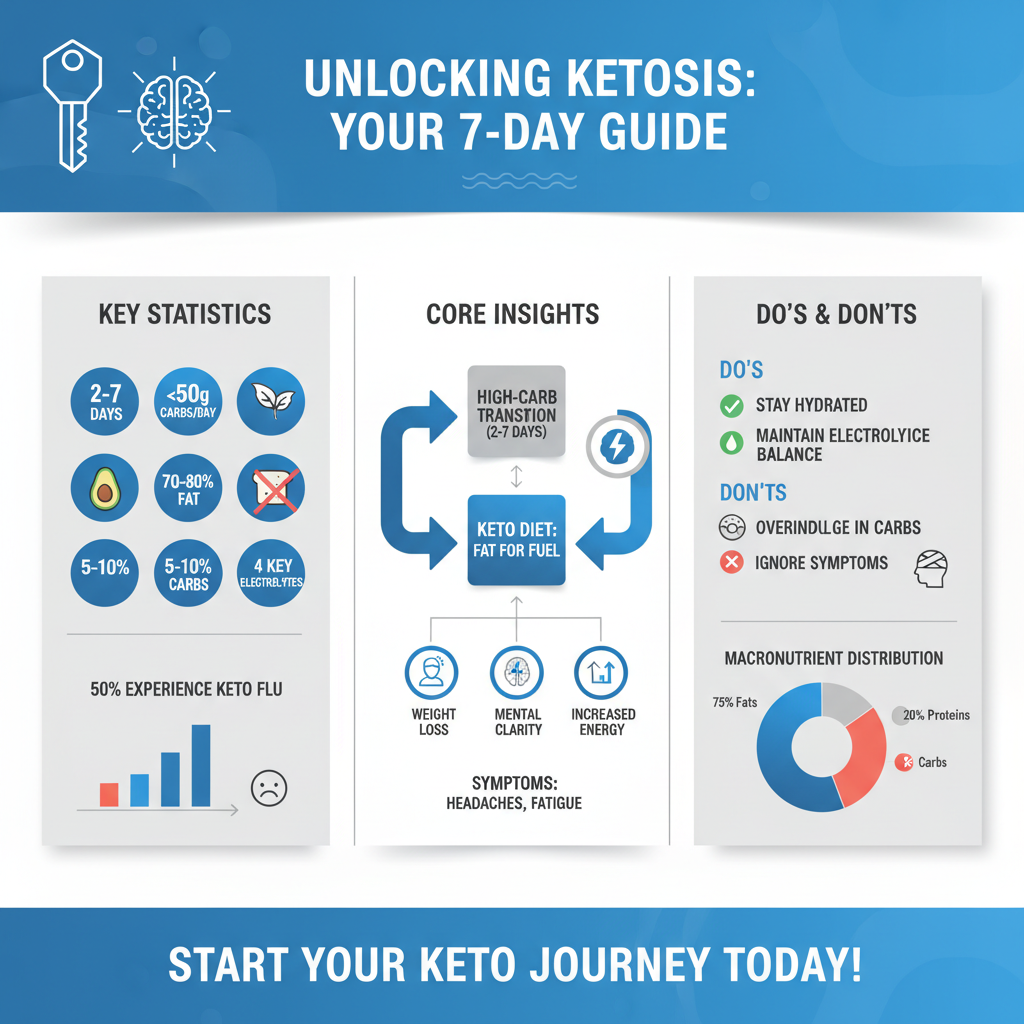

The first few days can be challenging as your body adjusts, often leading to symptoms known as the “keto flu.” This term describes a collection of symptoms that can occur as your body transitions into ketosis, including headaches, fatigue, nausea, irritability, and muscle cramps. These symptoms are largely due to the sudden drop in carbohydrate intake and the body’s subsequent need to adapt to a new metabolic state. Staying hydrated and maintaining electrolyte balance can help ease this transition. It’s advisable to increase your intake of sodium, potassium, and magnesium, either through dietary sources like avocados and leafy greens or supplements, to mitigate these symptoms. Over time, as your body becomes accustomed to using fat for fuel, these symptoms typically subside, paving the way for improved energy and focus.
Factors Influencing Keto Results
Several individual factors influence how quickly one enters ketosis. For instance, metabolic rates vary significantly from person to person; those with faster metabolisms may find themselves in ketosis more quickly. Additionally, activity levels play a vital role; individuals who engage in regular exercise may deplete their glycogen stores faster, allowing them to enter ketosis sooner. Consistency in sticking to the keto diet is crucial for quicker results. Any consumption of high-carb foods can disrupt the process and delay the onset of ketosis. Therefore, it is essential to remain disciplined and avoid hidden carbohydrates often found in processed foods, sauces, and beverages. Tracking your macronutrient intake using apps can also help ensure you stay within the desired ranges to achieve optimal results.
Monitoring Ketosis
To determine if you’re in ketosis, various tools can assist in monitoring your ketone levels. Ketone strips that test urine can provide a quick and easy way to gauge your state of ketosis, though they may not be as reliable after your body becomes keto-adapted. Breath analyzers, which measure acetone levels in your breath, are another alternative, providing a non-invasive method for monitoring ketosis. Regular tracking of food intake and ketone levels supports your progress, enabling you to make necessary adjustments to your diet or lifestyle as needed. Keeping a journal or using mobile apps can also help you stay accountable and motivated throughout your keto journey.
Common Timeline Expectations
Many individuals begin to notice weight loss and energy improvements within the first week. Initial weight loss is often attributed to water loss as glycogen stores are depleted. This can be encouraging, but it’s essential to remember that sustainable fat loss typically manifests after the first few weeks. Significant results often become apparent around the 4 to 6-week mark when the body has fully adapted to burning fat for fuel. At this stage, individuals may notice increased energy levels, reduced cravings, and improved mental clarity. It’s also common for people to report enhanced physical performance, making it an ideal time to engage in more intensive workouts or physical activities.
Tips for Accelerating Results
To accelerate your results on the keto diet, consider incorporating regular physical activity to enhance fat burning and speed up the transition to ketosis. Aerobic exercises such as running, swimming, or cycling can be particularly effective, while strength training can help build muscle mass, further increasing your metabolic rate. Meal prepping and planning can help maintain a strict keto diet and avoid temptations. By preparing meals in advance, you can ensure that you have keto-friendly options readily available, reducing the likelihood of straying from your dietary goals. Additionally, experimenting with intermittent fasting can also complement the ketogenic approach, as it can help reduce insulin levels and promote fat burning.
Potential Challenges
Despite the benefits, some individuals may experience plateaus or slower results due to factors like hidden carbs or stress, which can impact hormonal balance. It’s essential to remain vigilant about food sources and to read labels carefully. Hidden sugars and starches in many processed foods can easily disrupt ketosis. Furthermore, stress can lead to increased cortisol levels, which may hinder weight loss efforts. Staying informed about your diet and its effects on your body is crucial. Adjusting your approach, whether it be refining your macronutrient ratios or incorporating stress-reduction techniques such as mindfulness or yoga, can help you overcome these hurdles and continue making progress.
Summarizing the timeline for keto effectiveness, many people can see initial results in as little as a week, with more significant changes occurring over the following weeks. To maximize your success, focus on maintaining a strict diet, staying active, and monitoring your ketone levels. Understanding the nuances of the ketogenic diet and being prepared for the challenges can make a significant difference in your journey. Ready to start your keto journey? Make sure to equip yourself with the right information and support, allowing you to navigate this transformative process effectively.
Frequently Asked Questions
How long does it typically take to see results from a keto diet?
Most individuals start to notice initial results from a ketogenic diet within the first week, often experiencing weight loss due to a reduction in water weight. However, more significant fat loss and metabolic changes generally occur within 2 to 4 weeks as the body adapts to burning fat for fuel instead of carbohydrates. It’s essential to remain consistent with your dietary choices and monitor your macronutrient intake to maximize results.
Why is it important to give keto time to work?
Giving the keto diet time to work is crucial because your body needs to undergo several metabolic adaptations, such as shifting from glucose to ketone bodies for energy. This transition can take time, and rushing the process may lead to frustration if immediate results are not evident. Understanding that the body requires time to adjust can help maintain motivation and adherence to the diet while also allowing for sustainable weight loss and health improvements.
What factors influence how quickly the keto diet works?
Several factors can influence how quickly the keto diet works for an individual, including age, gender, starting weight, activity level, and compliance with the diet. Additionally, metabolic health and hormonal balance play significant roles in determining how efficiently your body can enter ketosis and utilize fat for energy. Personal lifestyle choices, such as exercise frequency and stress management, can also impact the speed of results on the keto diet.
How can I tell if the keto diet is working for me?
You can determine if the keto diet is working for you by monitoring various indicators such as weight loss, decreased appetite, increased energy levels, and improved mental clarity. Additionally, checking for the presence of ketones in your urine or blood can confirm that your body has entered ketosis. Remember, individual experiences may vary, so it’s essential to assess your progress holistically rather than just focusing on the scale.
What is the best way to track my progress on the keto diet?
The best way to track your progress on the keto diet is by combining multiple methods such as weighing yourself weekly, maintaining a food diary to track macronutrient intake, and monitoring ketone levels through urine strips or blood tests. Additionally, taking progress photos and noting changes in how your clothes fit can provide valuable insights. This comprehensive approach allows you to celebrate small victories and stay motivated throughout your keto journey.
References
- https://www.ncbi.nlm.nih.gov/pmc/articles/PMC6313445/
- https://www.healthline.com/nutrition/keto-diet-101
- https://www.webmd.com/diet/what-is-the-keto-diet
- A Keto Diet for Beginners: The #1 Ketogenic Guide – Diet Doctor
- https://www.mayoclinic.org/healthy-lifestyle/nutrition-and-healthy-eating/expert-answers/keto-diet/faq-20479854
- https://www.hopkinsmedicine.org/health/wellness-and-prevention/the-ketogenic-diet-why-it-works-and-how-to-do-it
- https://www.cdc.gov/healthyweight/assessing/bmi/adult_bmi/index.html