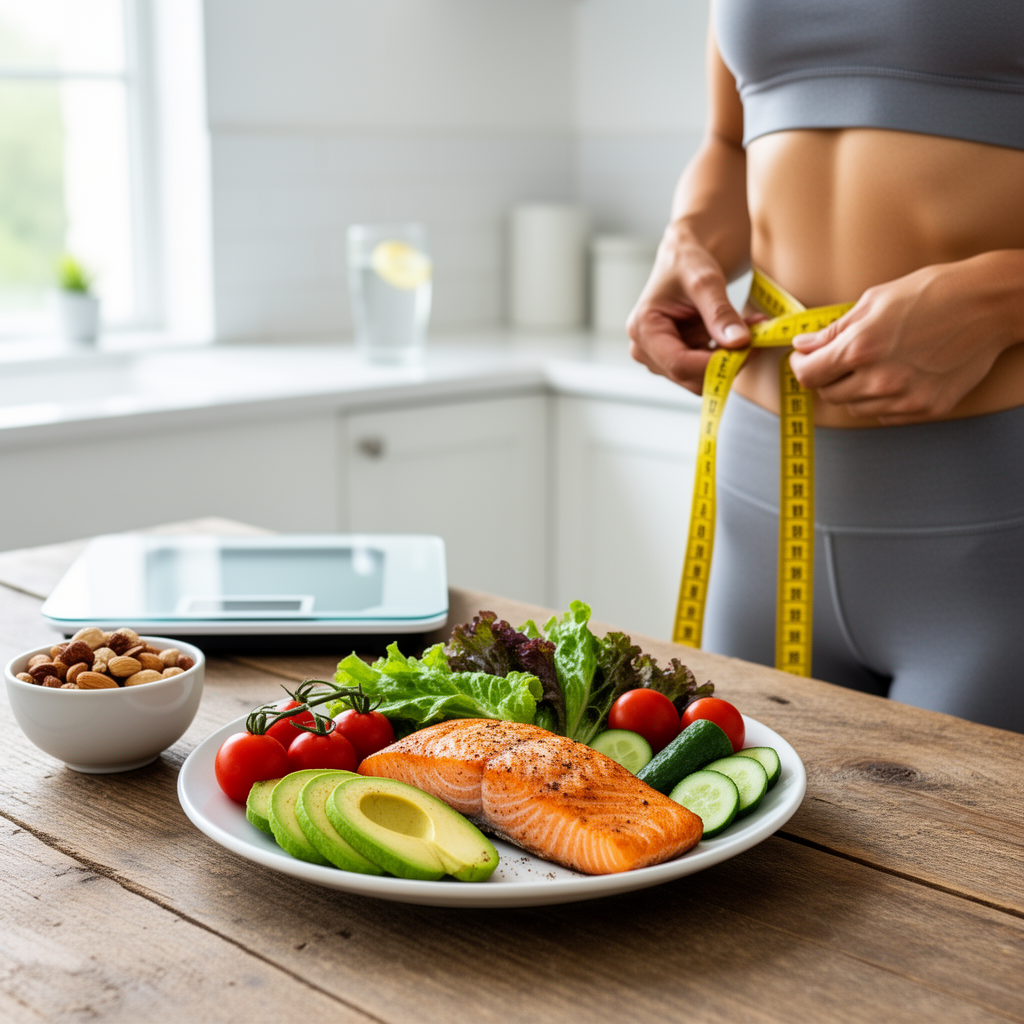

The ketogenic diet can lead to rapid weight loss, especially in the initial stages, with many individuals reporting a loss of 5 to 10 pounds within the first week. However, the pace of weight loss can vary based on several factors, including individual metabolism, adherence to the diet, and physical activity levels. This article will explore what influences weight loss on keto, how to optimize your results, and realistic timelines for success.
Understanding Ketosis and Weight Loss

Ketosis is a metabolic state where the body shifts from using carbohydrates as its primary source of energy to burning fat for fuel. This occurs when carbohydrate intake is drastically reduced, typically to less than 20-50 grams per day, prompting the liver to convert fat into ketones, which serve as an alternative energy source. Achieving ketosis usually takes about 2 to 7 days of strict carb reduction, depending on individual factors such as previous diet, activity level, and metabolic rate. The shift to ketosis is critical for maximizing the fat-burning potential of the body and is the cornerstone of the ketogenic diet’s effectiveness for weight loss.
The transition into ketosis can trigger several physiological changes, including increased fat oxidation and decreased hunger hormones, which may contribute to weight loss. Understanding this metabolic process is essential for anyone considering the keto diet, as it sets the foundation for the weight loss journey ahead.
Factors Influencing Weight Loss Speed

Weight loss on a ketogenic diet is influenced by several key factors, with individual metabolism playing a crucial role. Each person’s basal metabolic rate (BMR) varies, meaning some may burn calories more efficiently than others. For example, younger individuals and those with more muscle mass tend to have a higher BMR, which can lead to faster weight loss.
Adherence to the ketogenic diet is another significant factor affecting results. The stricter the adherence to the diet, the faster the weight loss is likely to be. Those who meticulously track their macronutrient intake and resist temptations are more likely to maintain a state of ketosis and experience optimal weight loss. Conversely, even small deviations from the diet can result in increased carbohydrate intake, which could hinder the body’s ability to burn fat effectively and stall weight loss.
Moreover, physical activity levels can also impact weight loss speed. Incorporating regular exercise, particularly high-intensity interval training (HIIT) or resistance training, can enhance fat burning and promote muscle retention during weight loss, leading to improved overall results on the keto diet.
The Role of Initial Water Weight
When beginning a ketogenic diet, many individuals experience a rapid drop in weight, often attributed to the loss of water weight rather than fat loss. This occurs because carbohydrates hold water in the body; when carb intake is reduced, the body releases excess water stored in glycogen. It is not uncommon for individuals to lose anywhere from 2 to 10 pounds in the first week, primarily due to this initial water weight loss.
While this rapid weight loss can be motivating, it can also be misleading. This initial phase may create unrealistic expectations about the sustainability of weight loss on the keto diet. Understanding that subsequent weight loss will be slower and more gradual—typically around 1 to 2 pounds per week—can help individuals maintain realistic expectations and stay motivated throughout their journey.
Long-term Weight Loss Expectations
After the initial phase of weight loss, individuals on the ketogenic diet can expect a slower rate of weight loss, averaging between 1 to 2 pounds per week. This shift is normal and reflects the body’s adjustment to a new metabolic state. Sustainable changes in body weight are often more indicative of long-term health and well-being than rapid weight loss.
To achieve lasting results, consistency is crucial. Maintaining a well-structured meal plan that emphasizes whole foods, proper macronutrient ratios, and mindful eating can help individuals stay on track. It is also important to recognize that weight loss may not be linear; plateaus are common and can occur for various reasons, including hormonal changes and metabolic adaptation.
Setting realistic timelines and goals tailored to individual circumstances can further enhance the likelihood of long-term success. Monitoring progress through non-scale victories, such as improved energy levels, better sleep, and enhanced physical performance, can also provide motivation beyond just the number on the scale.
Tips to Maximize Weight Loss on Keto
To optimize weight loss on the ketogenic diet, several strategies can be employed. First and foremost, incorporating regular physical activity is essential. Engaging in a mix of aerobic and strength training exercises can enhance fat burning and support muscle retention, which is vital during weight loss. For instance, activities like walking, cycling, and HIIT can help accelerate results.
Maintaining hydration and electrolyte balance is another critical aspect of the keto diet. As the body adapts to ketosis, it can lead to increased urination, which may result in a loss of electrolytes such as sodium, potassium, and magnesium. Consuming foods rich in these electrolytes or considering supplements can help mitigate symptoms of the “keto flu” and promote overall health.
Additionally, meal prepping and planning can aid in sticking to the diet. Having keto-friendly meals readily available can prevent impulsive food choices that may derail progress. Utilizing food tracking apps can also help ensure adherence to macronutrient goals and facilitate greater awareness of caloric intake.
Common Pitfalls and How to Avoid Them
While embarking on a ketogenic diet can be effective for weight loss, there are common pitfalls to be aware of. One major issue is the presence of hidden carbohydrates in processed foods, which can stall weight loss and prevent individuals from achieving ketosis. Reading labels carefully and opting for whole, unprocessed foods can help mitigate this risk.
Another common challenge is underestimating caloric intake. Some individuals may consume more calories than they realize, believing that all keto-friendly foods are “free” of restrictions. Tracking food intake can provide valuable insights and help individuals stay within their macro limits, ensuring they are creating a caloric deficit necessary for weight loss.
Finally, emotional eating or using food as a coping mechanism can impede progress on the keto diet. Developing alternative strategies for managing stress, such as exercise, meditation, or journaling, can help individuals maintain their dietary goals and foster a healthier relationship with food.
Success Stories and Realistic Goals
Numerous success stories abound within the keto community, with many individuals achieving significant weight loss and improved health metrics. However, results can vary widely based on individual circumstances, including starting weight, adherence to the diet, and metabolic factors.
Setting realistic and personalized goals is essential for maintaining motivation. Rather than focusing solely on weight loss, individuals can benefit from setting goals related to overall health, such as improved energy levels, enhanced mental clarity, or better physical performance. This holistic approach can create a more sustainable and fulfilling experience on the ketogenic diet.
In addition, sharing experiences with others on similar journeys can provide support and encouragement. Engaging in online communities or local support groups can help individuals stay motivated and accountable while navigating the challenges of the ketogenic lifestyle.
Summarizing the insights, weight loss on keto can be rapid initially but varies based on numerous factors. To achieve and maintain your weight loss goals, focus on adherence to the diet, regular physical activity, and realistic expectations. If you’re considering starting the keto diet, prepare to embrace a lifestyle change for lasting results.
Frequently Asked Questions
How fast can you lose weight on a keto diet?
The speed of weight loss on a keto diet varies depending on individual factors such as starting weight, adherence to the diet, and metabolic rate. Many people report losing anywhere from 1 to 2 pounds per week during the initial phase, as the body enters ketosis and starts burning fat for fuel. However, sustainable weight loss may take longer as the body adjusts, making it essential to focus on long-term health rather than quick fixes.
What factors influence weight loss speed on a keto diet?
Several factors can influence how quickly you lose weight on a keto diet, including your age, sex, activity level, and overall health. Additionally, how strictly you adhere to the macronutrient ratios—typically high fat, moderate protein, and very low carbs—plays a crucial role. Other factors like hormonal balance, sleep quality, and hydration can also impact your weight loss journey on keto.
Why do some people lose weight faster on keto than others?
Individual differences in metabolism, body composition, and insulin sensitivity can explain why weight loss rates vary on the keto diet. Some people have a naturally faster metabolism or a higher muscle mass, which can lead to quicker fat loss. Additionally, those who have previously followed a high-carb diet may experience a more significant drop in water weight initially, contributing to faster results.
What is the best way to maximize weight loss on a keto diet?
To maximize weight loss on a keto diet, focus on maintaining a strict carbohydrate limit while ensuring adequate protein and healthy fat intake. Incorporating regular physical activity, such as strength training and cardiovascular exercises, can enhance fat burning. Additionally, tracking your food intake, staying hydrated, and managing stress levels can further support your weight loss efforts.
Which mistakes should I avoid to ensure effective weight loss on keto?
Common mistakes that can hinder weight loss on a keto diet include consuming too many carbohydrates, neglecting to track food intake, and not eating enough healthy fats. Additionally, skipping meals or not planning meals can lead to cravings and potential binge eating. It’s essential to stay informed and avoid processed keto foods high in unhealthy fats or hidden sugars that can stall weight loss progress.
References
- https://www.ncbi.nlm.nih.gov/pmc/articles/PMC6410378/
- The Ketogenic Diet: A Detailed Beginner’s Guide to Keto
- https://www.cdc.gov/healthyweight/losing_weight/index.html
- https://www.webmd.com/diet/obesity/ss/slideshow-keto-diet
- https://www.mayoclinic.org/healthy-lifestyle/nutrition-and-healthy-eating/in-depth/keto-diet/art-20459690
- https://www.bbc.com/news/health-54165827
- https://www.nutrition.gov/topics/nutrition-education/healthy-eating/weight-loss-and-dieting
- https://www.sciencedirect.com/science/article/pii/S2212267217300841