

To start the ketogenic diet, you need to drastically reduce your carbohydrate intake while increasing healthy fats. Aim for a macronutrient ratio of about 70-75% fats, 20-25% protein, and 5-10% carbs. Planning meals around low-carb options is essential, so consider cooking with zucchini noodles, olive oil, and lean proteins. Make sure to stock your pantry with keto-friendly snacks and ingredients. Staying focused and motivated will help you succeed, and there’s more to explore about meal planning and pantry stocking.
Understanding the Ketogenic Diet Basics
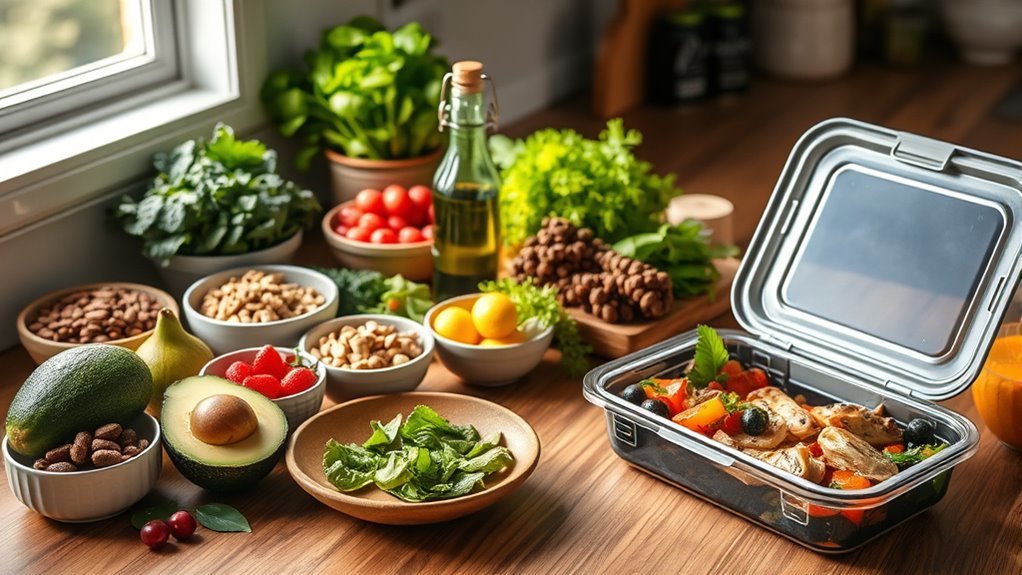
When you’re considering the ketogenic diet, it’s essential to grasp its fundamental principles. At its core, the keto diet focuses on drastically reducing carbohydrate intake while increasing healthy fats. This shift encourages your body to enter a state of ketosis, where it burns fat for energy instead of glucose. Understanding these keto diet principles helps you appreciate the low carb benefits, such as improved mental clarity, enhanced energy levels, and potential weight loss. By adopting a high-fat, moderate-protein, and low-carbohydrate approach, you can experience a greater sense of freedom in your food choices. As you explore this lifestyle, keep in mind the importance of whole, nutrient-dense foods to maximize the advantages of your ketogenic journey.
Calculating Your Macros
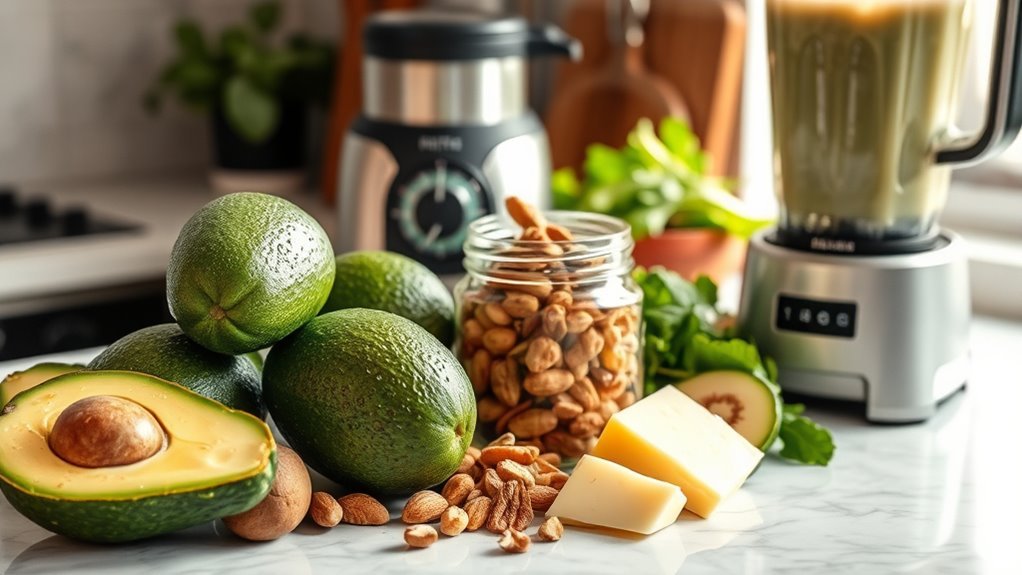
Understanding the composition of your meals is key to successfully following a ketogenic diet, and that’s where calculating your macros comes into play. To thrive on keto, you’ll primarily focus on macro ratios: typically, 70-75% fats, 20-25% protein, and 5-10% carbohydrates. Start by determining your daily calorie needs through a reliable calculator, then apply these ratios to find how many grams of each macronutrient you should consume. This isn’t just about calorie counting; it’s about fueling your body effectively while enjoying freedom in your food choices. Keeping track of your macros can empower you to make informed decisions and maintain ketosis, leading to greater success on your journey. Embrace this process, and you’ll find it easier to stay on track.
Planning Your Keto Meals
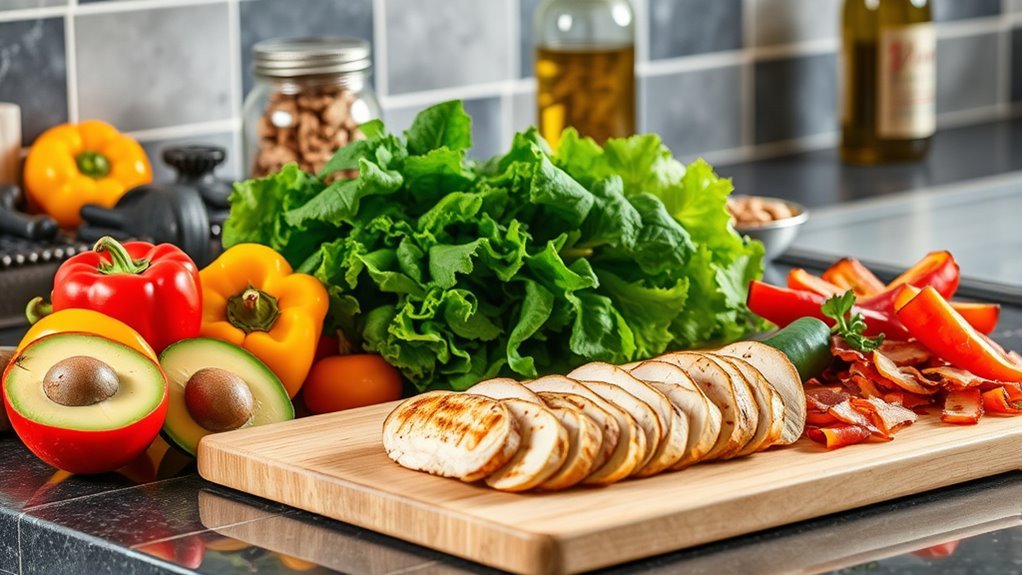
While planning your keto meals, it’s essential to focus on incorporating a variety of low-carb foods that align with your macro goals. Start by organizing your meal prep for the week, which can save you time and help you stay on track. Consider easy recipe ideas such as zucchini noodles with pesto, grilled chicken with sautéed spinach, or a hearty salad topped with avocado and nuts. These meals not only meet your dietary requirements but also keep your palate satisfied. Don’t forget to include healthy fats and proteins to maintain your energy levels. With a little creativity and preparation, you can enjoy delicious meals while adhering to your keto lifestyle, giving you the freedom to thrive on this journey.
Stocking Your Keto Pantry
To maintain your keto diet effectively, stocking your pantry with the right ingredients is key. Focus on keto-friendly snacks and pantry essentials that support your low-carb lifestyle. Begin with healthy fats, like olive oil, coconut oil, and avocado oil, which are vital for energy. For protein, stock up on canned tuna, grass-fed beef, and eggs. Incorporate low-carb vegetables like spinach and zucchini, as well as nuts and seeds for snacking. Don’t forget sugar alternatives like erythritol or stevia to satisfy your sweet tooth without the carbs. Having these items on hand makes it easier to whip up meals and snacks, ensuring you stay on track while enjoying the freedom that comes with the keto diet.
Tips for Staying Motivated on Keto
Staying motivated on your keto journey can sometimes feel challenging, especially when faced with tempting high-carb options. To maintain your commitment, consider using effective keto motivation techniques. First, set realistic goals and track your progress. Celebrate small victories to keep your spirits high. Surround yourself with supportive friends or online communities that share your keto journey. When cravings hit, remember why you started and visualize your desired results. Incorporating healthy, keto-friendly snacks can also help in overcoming cravings, making it easier to stay on track. Finally, keep experimenting with new recipes to keep your meals exciting and enjoyable. By applying these strategies, you’ll find it easier to stay motivated and committed to your keto lifestyle.
Frequently Asked Questions about Starting the Keto Diet
1. What is the ketogenic diet?
The ketogenic diet, or keto diet, is a high-fat, low-carbohydrate dietary approach that aims to shift your body’s metabolism from burning carbohydrates for energy to burning fat. Typically, the macronutrient breakdown is about 70-75% fat, 20-25% protein, and only 5-10% carbohydrates. This shift helps the body enter a state of ketosis, where it becomes more efficient at burning fat for fuel.
2. How do I start the keto diet?
To start the keto diet, begin by planning your meals to focus on high-fat, low-carb options. Gradually reduce your carbohydrate intake to about 20-50 grams per day. Incorporate foods such as avocados, nuts, seeds, fatty fish, low-carb vegetables, and oils. It’s also essential to stay hydrated and consider electrolyte supplementation during the initial phase to avoid the “keto flu.” Finally, tracking your food intake using apps can help you stay within your macronutrient goals.
3. What foods should I avoid on a keto diet?
On a keto diet, you should avoid high-carb foods such as grains (bread, rice, pasta), sugary products (sweets, soda, fruit juices), starchy vegetables (potatoes, corn, peas), and most fruits (except for small portions of berries). Processed foods and low-fat products may also contain hidden sugars and carbs, so it’s best to read labels carefully.
4. How do I know if I am in ketosis?
You can determine if you are in ketosis by monitoring your body for certain signs, such as increased energy levels, reduced hunger, and a change in breath (often described as fruity or metallic). Additionally, you can use ketone testing strips that measure the ketones in your urine or invest in a blood ketone meter for more accurate results.
5. Are there any side effects when starting the keto diet?
Yes, some individuals may experience side effects when starting the keto diet, commonly referred to as the “keto flu.” Symptoms may include fatigue, headaches, irritability, dizziness, nausea, and muscle cramps. These symptoms typically arise as your body adjusts to burning fat instead of carbohydrates. To mitigate these effects, ensure you’re drinking plenty of water, replenishing electrolytes, and transitioning into the diet gradually.
References
- https://www.healthline.com/nutrition/ketogenic-diet-101
- https://www.dietdoctor.com/low-carb/keto
- https://www.ncbi.nlm.nih.gov/pmc/articles/PMC6469567/
- https://www.cdc.gov/healthyweight/healthy_eating/index.html
- https://www.mayoclinic.org/healthy-lifestyle/nutrition-and-healthy-eating/in-depth/keto-diet/art-20310379
- https://www.webmd.com/diet/obesity/what-is-the-ketogenic-diet
- https://www.hsph.harvard.edu/nutritionsource/healthy-weight/diet-reviews/ketogenic-diet/