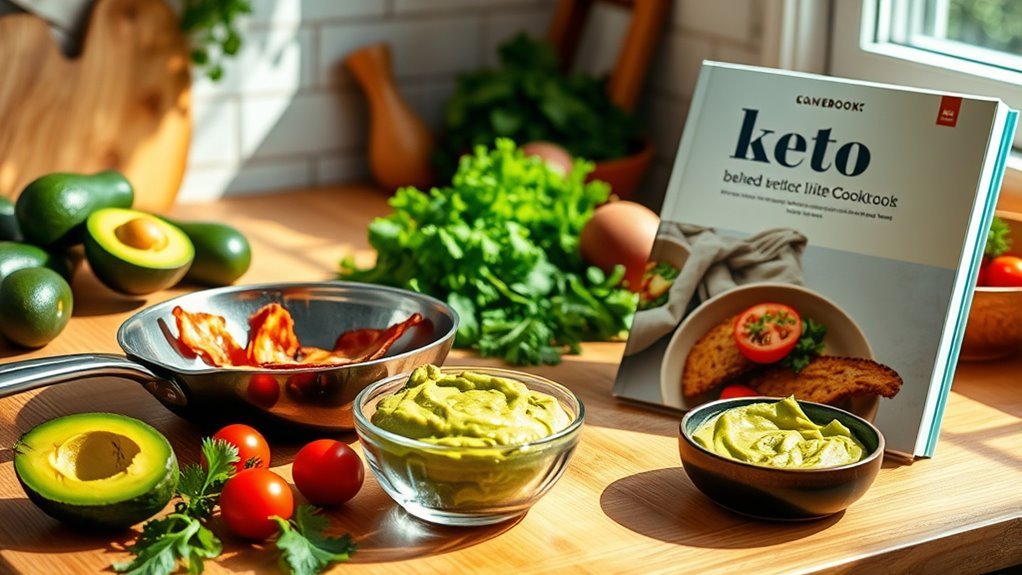

To do the keto diet, you’ll focus on a high-fat, moderate-protein, and low-carb intake, typically around 70% fats, 25% protein, and 5% carbohydrates. This dietary shift induces ketosis, allowing your body to burn fat for energy. Include healthy fats, low-carb vegetables, and fatty proteins while avoiding high-carb foods and hidden sugars. Meal prep can help maintain structure, keeping you on track. There’s much more to explore about keto, so keep going to learn additional tips and meal ideas.
Understanding the Basics of the Keto Diet
Have you ever wondered what makes the keto diet so effective for weight loss? It all comes down to its unique keto macronutrient ratios, typically consisting of about 70% fats, 25% protein, and only 5% carbohydrates. By drastically reducing carbs, your body enters a state of ketosis, where it burns fat for fuel instead of glucose. This metabolic shift not only aids in weight loss but also brings various ketogenic health benefits, such as improved mental clarity and reduced inflammation. Many people find that this way of eating offers a sense of freedom from constant hunger, as high-fat foods can be quite satiating. Understanding these basics can help you navigate the keto diet effectively and enjoy its numerous advantages.
Foods to Include in Your Keto Meal Plan
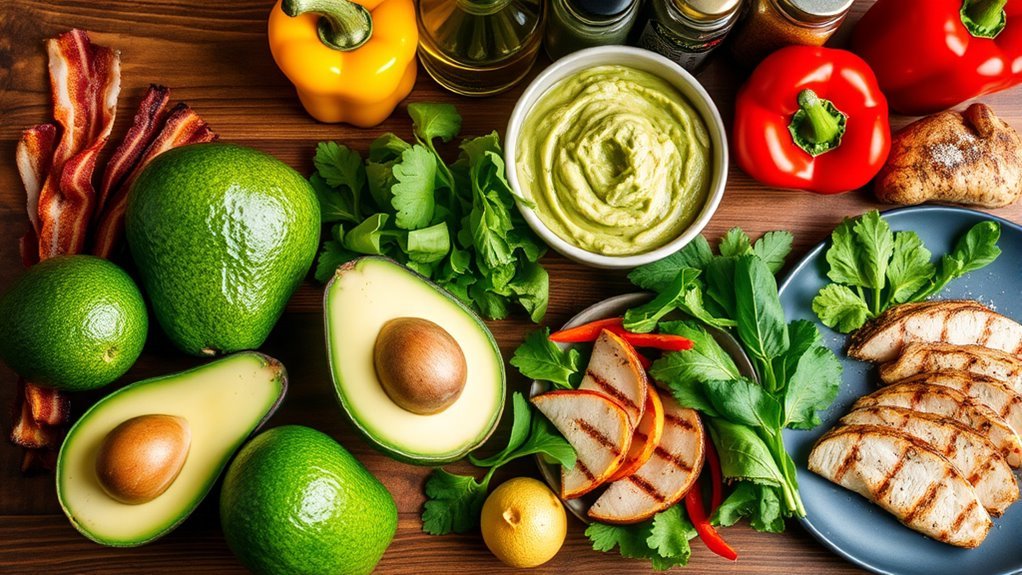
Choosing the right foods is key to maintaining a successful keto meal plan. Focus on incorporating healthy fats, as they’ll be your primary energy source. Avocados, olive oil, and coconut oil are excellent choices. Don’t forget about low-carb vegetables like spinach, broccoli, and zucchini, which provide essential nutrients without spiking your carb intake. For protein, opt for fatty cuts of meat, fish, and eggs, which support muscle maintenance and overall health. When you need a quick bite, keep keto friendly snacks handy, such as nuts, cheese, or pork rinds. These not only satisfy cravings but also help you stay within your carb limits. By making informed choices, you can enjoy a diverse and satisfying keto diet.
Foods to Avoid on the Keto Diet
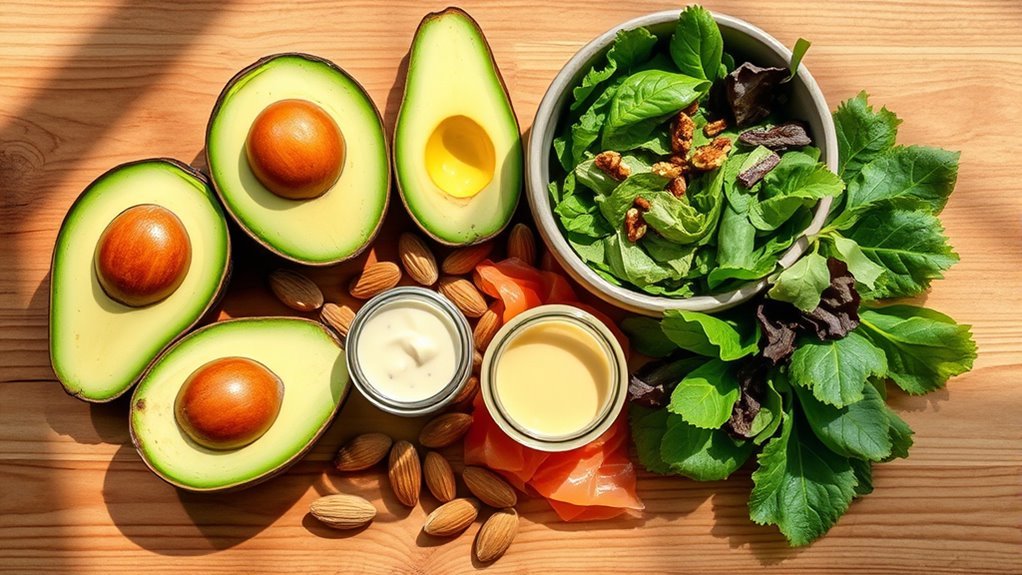
While embracing the keto diet, it’s crucial to steer clear of certain foods that can hinder your progress. First and foremost, avoid high-carb foods like bread, pasta, and sugary snacks, as they can quickly kick you out of ketosis. Watch out for hidden sugars in sauces, dressings, and even some “keto snacks” that seem low-carb but contain sweeteners that can disrupt your goals. Additionally, starchy vegetables like potatoes and corn should be limited, as they can increase your carb intake considerably. Instead, focus on whole foods and be mindful of ingredient labels. Staying informed about what to avoid will empower you to make choices that align with your keto journey and support your desire for freedom in your eating habits.
Tips for Staying Motivated and On Track
Staying motivated on the keto diet can sometimes feel challenging, especially when cravings hit or progress stalls. To keep your spirits high, consider setting specific and achievable goals. Break your larger objectives into smaller milestones to celebrate each success. Additionally, enlist accountability partners; sharing your journey with someone can provide support and encouragement.
Here’s a handy table to help you stay on track:
| Strategy | Benefit | Implementation |
|---|---|---|
| Goal Setting | Clarity on objectives | Write down short-term goals |
| Accountability | Enhanced motivation | Join a keto support group |
| Meal Prep | Reduces impulsive eating | Plan and prepare meals weekly |
| Track Progress | Visualize achievements | Use apps or journals |
| Stay Educated | Knowledge empowers choices | Read keto resources regularly |
Sample Keto Meal Plan for Beginners
A well-structured meal plan can make all the difference for beginners starting the keto diet. For breakfast, try scrambled eggs with spinach and feta, or a smoothie made with avocado and unsweetened almond milk—these keto breakfast ideas are both satisfying and low in carbs. For lunch, consider a salad topped with grilled chicken, olive oil, and walnuts. Dinner could be a hearty serving of zucchini noodles with meatballs and marinara sauce. Throughout the day, you’ll want to have keto snack options on hand, like cheese sticks, mixed nuts, or cucumber slices with guacamole. This variety keeps your meals interesting while staying within your carb limits, helping you embrace the keto lifestyle with freedom and flexibility.
Frequently Asked Questions about the Keto Diet
1. What is the keto diet?
The keto diet, short for ketogenic diet, is a low-carbohydrate, high-fat diet that aims to promote ketosis, a metabolic state where the body uses fat for fuel instead of carbohydrates. By drastically reducing carbohydrate intake and replacing it with fats, the body becomes efficient at burning fat for energy. This diet typically consists of a macronutrient ratio of about 70-75% fat, 20-25% protein, and only 5-10% carbohydrates.
2. What foods can I eat on the keto diet?
On the keto diet, you can enjoy a variety of foods that are high in healthy fats and low in carbohydrates. These include:
- Meats: beef, pork, lamb, poultry, and fish
- High-fat dairy: cheese, butter, heavy cream, and full-fat yogurt
- Nuts and seeds: almonds, walnuts, flaxseeds, and chia seeds
- Low-carb vegetables: leafy greens, broccoli, cauliflower, and zucchini
- Healthy oils: olive oil, coconut oil, and avocado oil
It’s important to avoid high-carb foods such as grains, sugars, starchy vegetables, and most fruits.
3. How do I know if I’m in ketosis?
There are several ways to determine if you are in ketosis. Common signs include:
- Increased ketone levels: You can use ketone test strips or a blood ketone meter to measure your ketone levels, which should be between 0.5 to 3.0 mmol/L.
- Physical symptoms: Some people experience symptoms like increased energy, reduced appetite, and mental clarity.
- Keto breath: A fruity odor in your breath can indicate elevated ketone levels.
Keep in mind that everyone’s body reacts differently, so it may take time to notice these changes.
4. Are there any side effects of the keto diet?
While many people find success with the keto diet, it can come with side effects, especially during the initial transition period. Commonly referred to as the “keto flu,” symptoms may include:
- Headaches
- Fatigue
- Nausea
- Dizziness
- Irritability
These symptoms are usually temporary and can be alleviated by staying hydrated, ensuring adequate electrolyte intake, and gradually reducing carbs. If side effects persist, it’s advisable to consult with a healthcare professional.
5. Can I exercise on the keto diet?
Yes, you can exercise on the keto diet, and many people find that they can perform well in both endurance and strength training. However, it’s essential to listen to your body as it adapts to this new fuel source. Initially, you may experience decreased performance in high-intensity workouts until you become fully adapted to burning fat for fuel. To support your workouts, focus on consuming enough electrolytes, staying hydrated, and ensuring you have adequate energy from fats. As your body adjusts, many find they can return to their usual exercise levels or even improve.
References
- https://www.who.int/news-room/fact-sheets/detail/healthy-diet
- https://www.cdc.gov/healthyweight/healthy_eating/dietary_guidelines.html
- https://www.ncbi.nlm.nih.gov/pmc/articles/PMC6368571/
- https://www.healthline.com/nutrition/ketogenic-diet-101
- https://www.bmcmedicine.biomedcentral.com/articles/10.1186/s12916-019-1455-3
- https://www.mayoclinic.org/healthy-lifestyle/nutrition-and-healthy-eating/expert-answers/keto-diet/faq-20454283
- https://www.eatright.org/health/wellness/preventing-illness/the-keto-diet-and-your-health
- https://www.nhlbi.nih.gov/health-topics/healthy-eating
- https://www.hsph.harvard.edu/nutritionsource/healthy-weight/dietary-patterns/
- https://www.webmd.com/diet/what-is-the-keto-diet