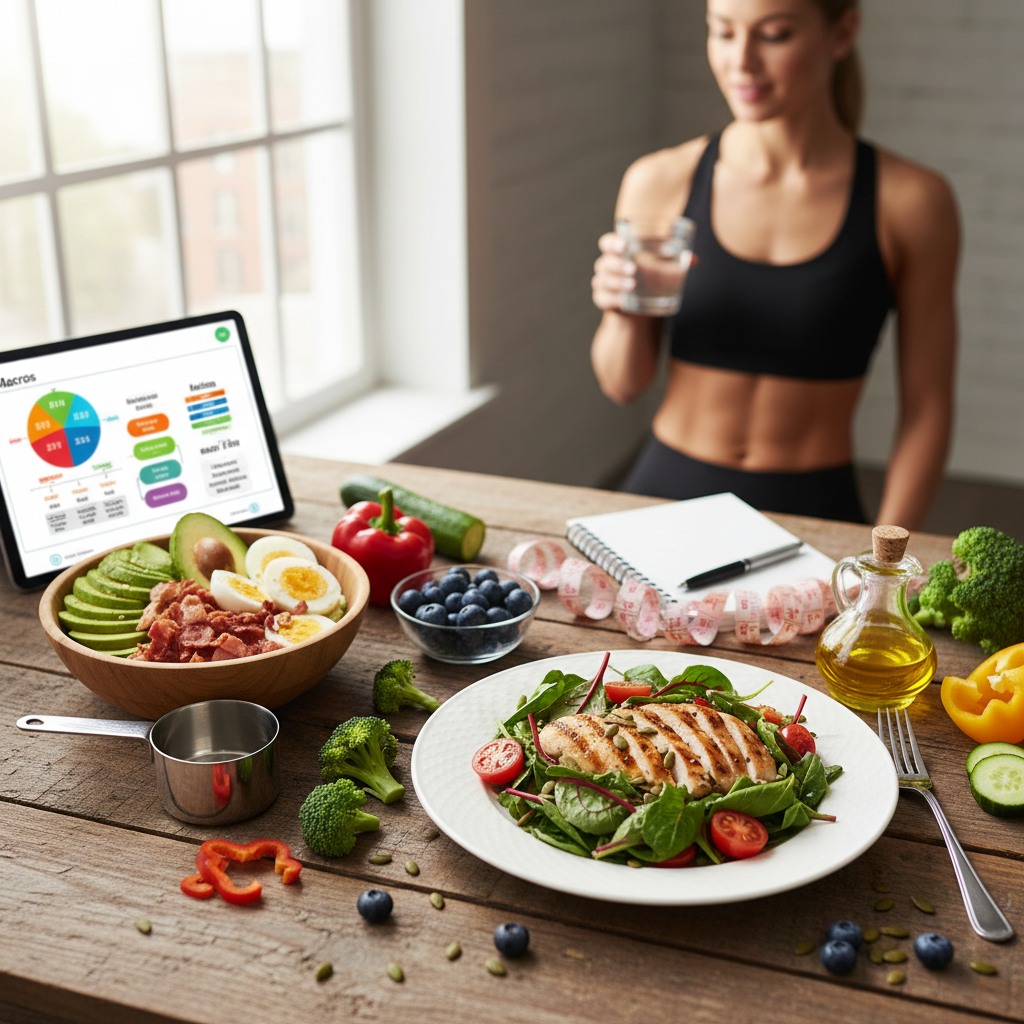

Eating a keto diet means prioritizing low-carb, high-fat foods that help your body enter a state of ketosis, where it burns fat for fuel instead of carbohydrates. This dietary approach can lead to weight loss, improved mental clarity, and increased energy levels. In this comprehensive guide, we’ll explore the best foods to include in your keto meal plan, ensuring you get the essential nutrients you need while effectively achieving your dietary goals.
Low-Carb Vegetables
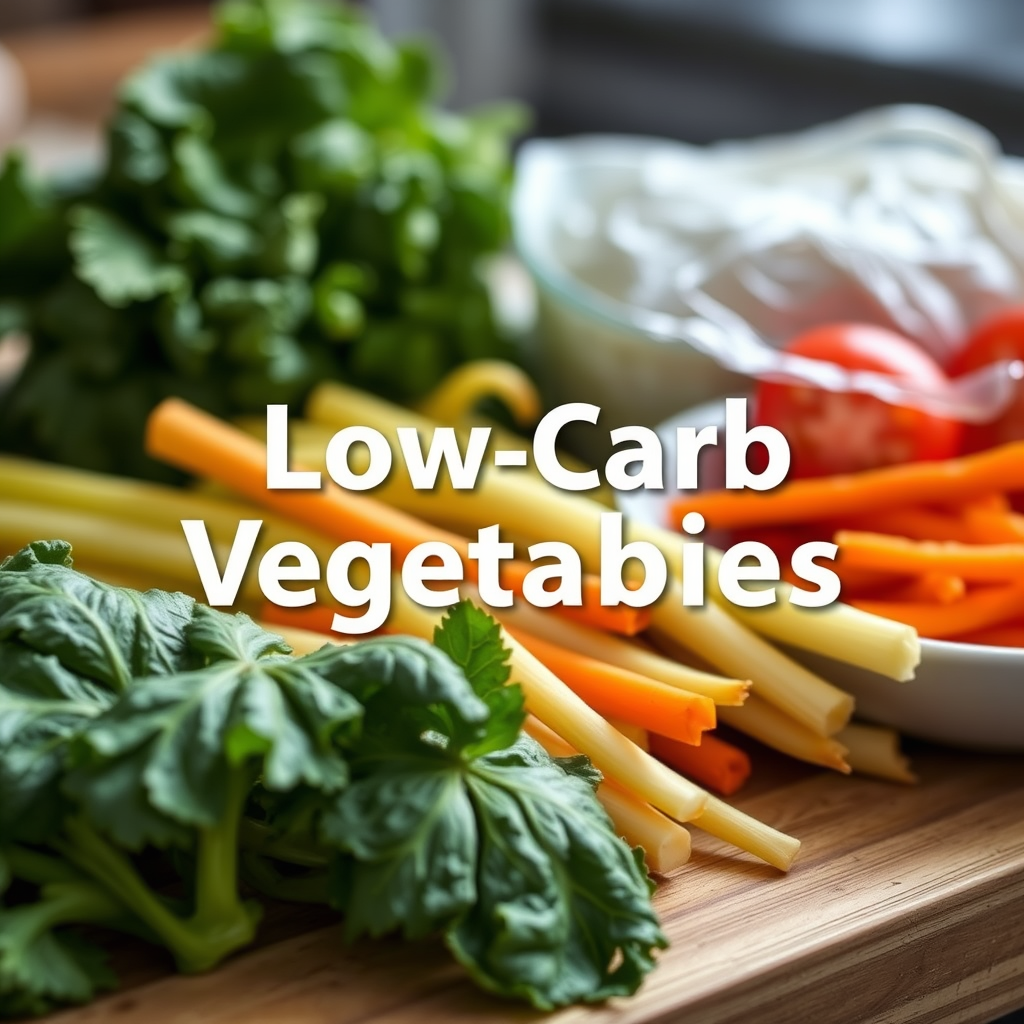
When adhering to a keto diet, incorporating low-carb vegetables is essential for maintaining nutritional balance while keeping your carbohydrate intake in check. Leafy greens such as spinach, kale, and arugula are excellent choices, as they are low in carbs yet rich in fiber, vitamins, and minerals. These vegetables not only promote digestive health but also provide essential nutrients that support overall well-being.
In addition to leafy greens, other great low-carb vegetable options include cauliflower, broccoli, zucchini, and bell peppers. Cauliflower can be used as a rice substitute or mashed to create a creamy side dish. Broccoli and zucchini can be roasted, sautéed, or added to casseroles for added texture and flavor. Bell peppers can be stuffed or sliced for a refreshing snack, making them versatile additions to your keto meals.
Healthy Fats
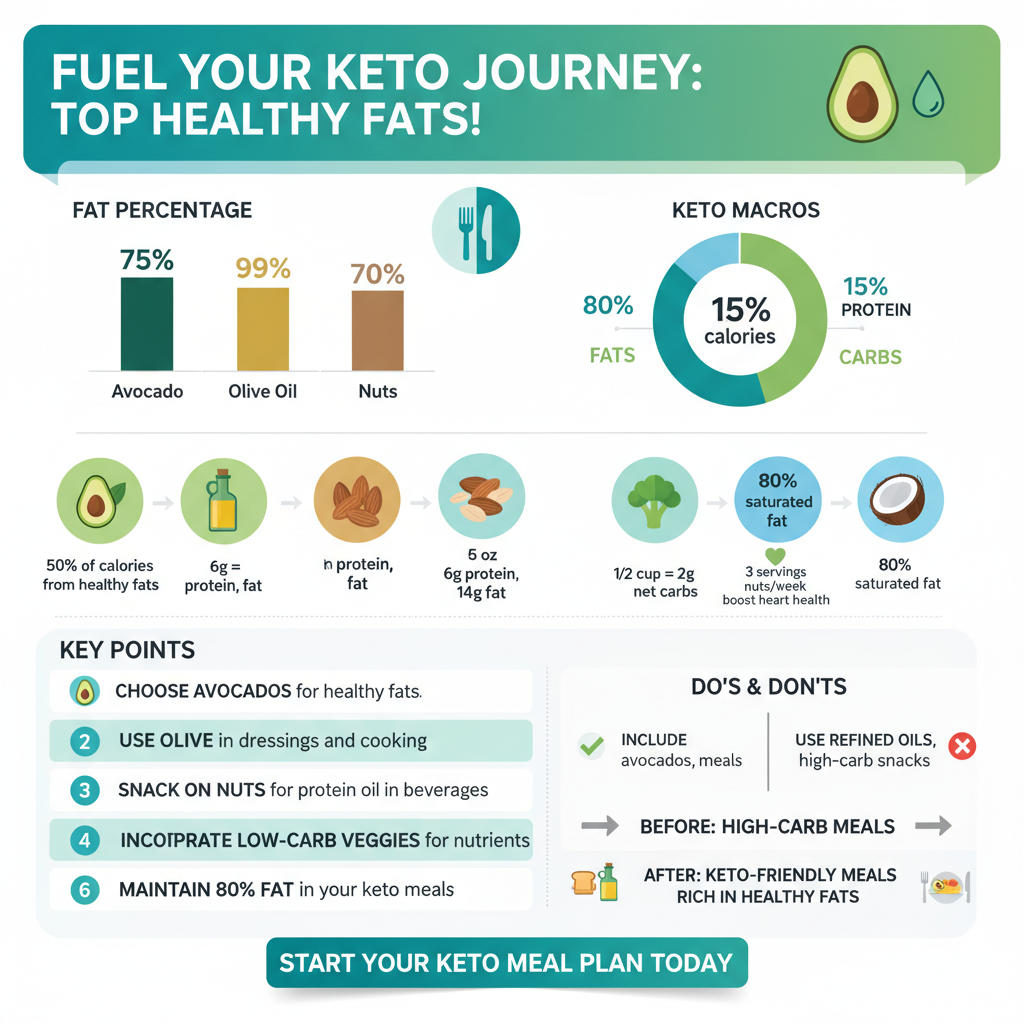
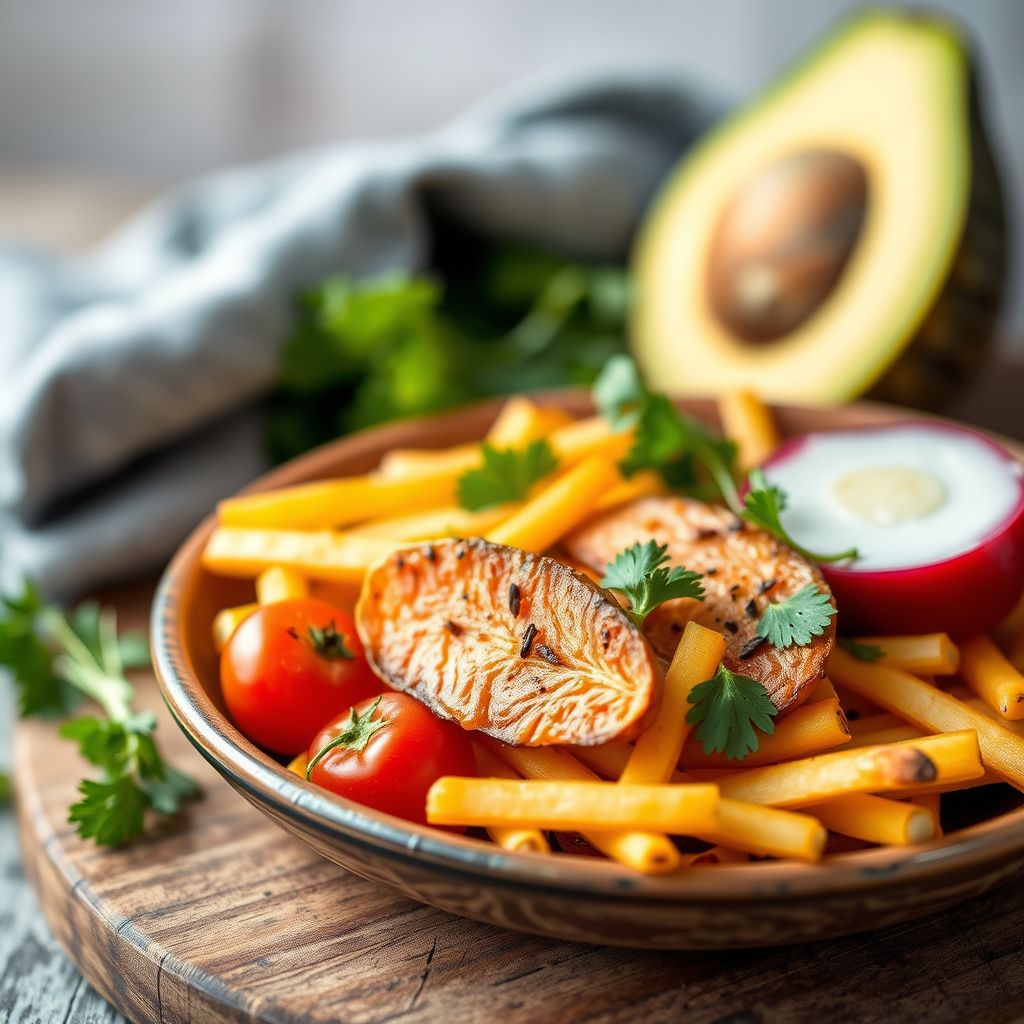
Healthy fats are a cornerstone of the ketogenic diet and are crucial for providing energy and supporting vital bodily functions. Avocados are a top choice, as they are packed with monounsaturated fats, fiber, and a range of vitamins. Adding slices of avocado to salads or smoothies can enhance your meals and provide a creamy texture.
Olive oil and coconut oil are also excellent sources of heart-healthy fats. Use olive oil in salad dressings or for drizzling over cooked vegetables, while coconut oil can be used for cooking at high temperatures or added to coffee for a creamy, energizing beverage.
Nuts and seeds, such as almonds, walnuts, and chia seeds, offer a combination of healthy fats and protein, making them perfect for snacking or adding to recipes. A handful of nuts can provide not only satiety but also a boost of essential nutrients like magnesium and vitamin E.
Protein Sources
When following a keto diet, selecting the right protein sources is vital for supporting muscle mass and overall health. Fatty cuts of meat, such as ribeye steak, pork belly, and chicken thighs, are ideal choices due to their higher fat content compared to leaner cuts. This ensures that you stay within your macronutrient goals while enjoying flavorful, satisfying meals.
Incorporating eggs into your diet is another excellent option, as they are versatile and nutrient-dense. They can be boiled, scrambled, or made into omelets, providing a rich source of protein and healthy fats. Fatty fish like salmon and mackerel not only deliver high-quality protein but are also rich in omega-3 fatty acids, which are beneficial for heart health and cognitive function.
Dairy Products
Dairy products can be a delicious and nutritious part of a keto diet, provided you choose full-fat options. Cheese, heavy cream, and Greek yogurt are all great choices that can enhance your meals while adding flavor and creaminess. Cheese can be enjoyed in various forms, such as shredded over salads, melted in casseroles, or as a snack on its own.
When selecting yogurt, opt for unsweetened Greek yogurt, which is lower in carbs and higher in protein than traditional yogurt. You can enhance the flavor by adding a few berries or a sprinkle of nuts. Additionally, consider unsweetened nut milks, such as almond or coconut milk, as excellent alternatives to cow’s milk, which often contains added sugars.
Low-Carb Snacks
Snacking on keto doesn’t have to be boring or bland. There are plenty of options that satisfy cravings without derailing your dietary goals. Pork rinds, cheese crisps, and beef jerky are not only convenient but also low in carbs, making them ideal for on-the-go snacking. These snacks provide protein and healthy fats while keeping your carb count low.
For a more homemade approach, consider making your own nut butter or energy balls using keto-friendly ingredients like almond flour, coconut flour, and sugar-free sweeteners. These snacks can be customized to your taste and can help keep you satiated between meals while providing a delicious, guilt-free treat.
Keto-Friendly Grains and Alternatives
Traditional grains are often high in carbohydrates, but there are several keto-friendly alternatives that can be utilized in your meal planning. Almond flour and coconut flour are excellent substitutes for wheat flour and can be used in baking or cooking to create various dishes from breads to pancakes.
Cauliflower rice and zucchini noodles offer fantastic alternatives to rice and pasta, respectively. Cauliflower rice can be prepared by grating cauliflower and lightly sautéing it, providing a fluffy texture that can be served alongside your favorite proteins. Zucchini noodles, or “zoodles,” can be spiralized and tossed with sauce for a delicious, low-carb pasta dish.
Beverages on Keto
Staying hydrated is important on a keto diet, and your beverage choices can significantly impact your overall success. Water should be your primary beverage, but herbal teas and black coffee can also be excellent options. These drinks are calorie-free and can be enjoyed throughout the day without adding any carbohydrates.
Consider adding electrolytes to your beverages to help maintain hydration and balance, especially during the initial phases of the diet when your body is adjusting to burning fat for energy. Electrolyte powders or tablets can be mixed into your drinks, ensuring that you replace essential minerals lost through increased urination during ketosis.
Maintaining a keto diet can be both enjoyable and effective when you focus on these food groups. Incorporating these foods into your meals will help you stay on track with your goals while ensuring you enjoy a variety of flavors and textures. Start planning your keto meals today and embrace a healthier lifestyle! By thoughtfully selecting the right foods and being mindful of your intake, you can successfully navigate the ketogenic diet, reaping the benefits of improved energy levels, weight loss, and enhanced well-being.
Frequently Asked Questions
What foods are considered the best for a keto diet?
The best foods for a keto diet are those that are high in healthy fats, moderate in protein, and very low in carbohydrates. Ideal options include avocados, nuts and seeds, olive oil, fatty fish like salmon, and low-carb vegetables such as spinach and broccoli. Incorporating these foods helps maintain ketosis, a metabolic state that allows the body to burn fat for energy instead of glucose.
How can I start meal prepping for a keto diet?
To start meal prepping for a keto diet, focus on planning meals that are rich in healthy fats and low in carbs. Begin by selecting a variety of recipes that include meats, vegetables, and healthy fats, such as coconut oil or cheese. Cook larger quantities of these meals and portion them into containers for quick, easy access throughout the week, ensuring you stay on track with your dietary goals without resorting to unhealthy options.
Why is it important to avoid certain foods on a keto diet?
Avoiding certain foods on a keto diet is crucial because these foods are typically high in carbohydrates, which can prevent your body from entering or maintaining ketosis. Foods such as grains, sugar, and starchy vegetables can spike your blood sugar levels, leading to insulin resistance and weight gain. By eliminating these items, you can effectively promote fat burning and achieve your weight loss or health objectives more efficiently.
Which fruits can I eat on a keto diet?
While most fruits are high in sugar and carbs, there are several low-carb options that fit well within a keto diet. Berries, such as strawberries, raspberries, and blackberries, are among the best choices due to their lower sugar content and high fiber. Other options include avocados and olives, which are both low in carbs and high in healthy fats, making them excellent additions to your keto meal plan.
What snacks can I have while following a keto diet?
When following a keto diet, it’s important to choose snacks that are low in carbohydrates and high in healthy fats. Great snack options include cheese slices, hard-boiled eggs, and nuts like almonds or walnuts. Additionally, you can enjoy low-carb veggie sticks with guacamole or homemade keto-friendly snacks like fat bombs, which are packed with healthy fats and will help keep you satisfied between meals.
References
- Ketogenic diet
- The Ketogenic Diet: A Detailed Beginner’s Guide to Keto
- Page Not Found – Site Help – Mayo Clinic
- https://www.webmd.com/diet/what-to-eat-on-a-keto-diet
- https://www.cdc.gov/healthyweight/healthy_eating/index.html
- https://www.ncbi.nlm.nih.gov/pmc/articles/PMC6832646/
- Carbohydrates • The Nutrition Source
- https://www.nutrition.gov/topics/nutrition-101/keto-diet
- https://www.bbcgoodfood.com/howto/guide/keto-diet-guide