
The keto diet primarily focuses on high-fat, moderate-protein, and very low-carbohydrate foods. If you’re looking to embark on this popular diet, you’ll want to know which foods fit within these guidelines. In this article, you’ll discover the types of foods you can enjoy while following the keto lifestyle, ensuring you stay on track with your health goals.
High-Fat Foods
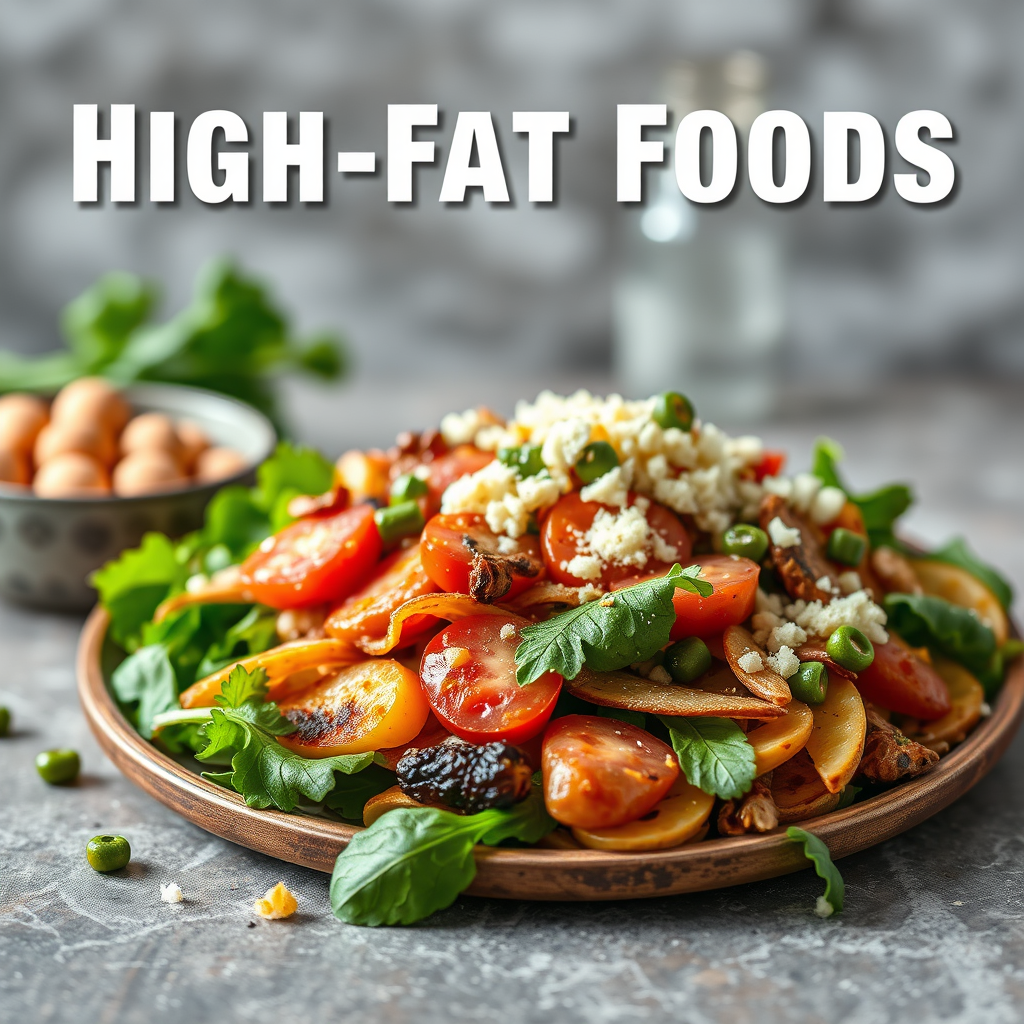
The cornerstone of the keto diet is healthy fats, which provide the primary source of energy your body will utilize. Embrace options such as olive oil, coconut oil, and butter. These fats not only help you reach your daily calorie goals but also support heart health when chosen wisely. Olive oil is rich in monounsaturated fats and antioxidants, making it a staple in Mediterranean diets, while coconut oil contains medium-chain triglycerides (MCTs) that may enhance ketone production.
Incorporating avocados and nuts like almonds and walnuts can further boost your fat intake with added nutrients. Avocados are not only high in beneficial fats but also provide fiber and essential vitamins like E and K. Similarly, nuts offer a convenient snack option that is both filling and nutritious. Just be mindful of portion sizes, as their calorie density can make it easy to consume more than intended.
Protein Sources
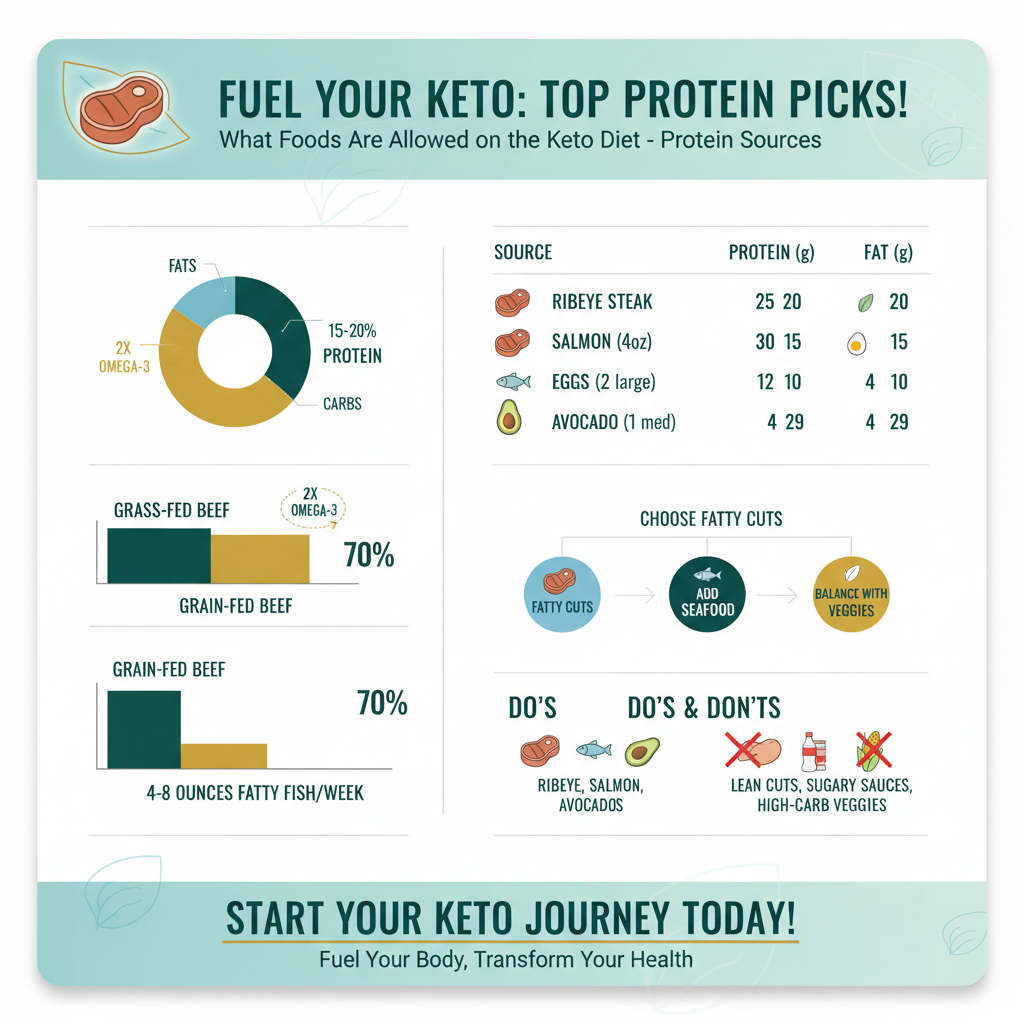
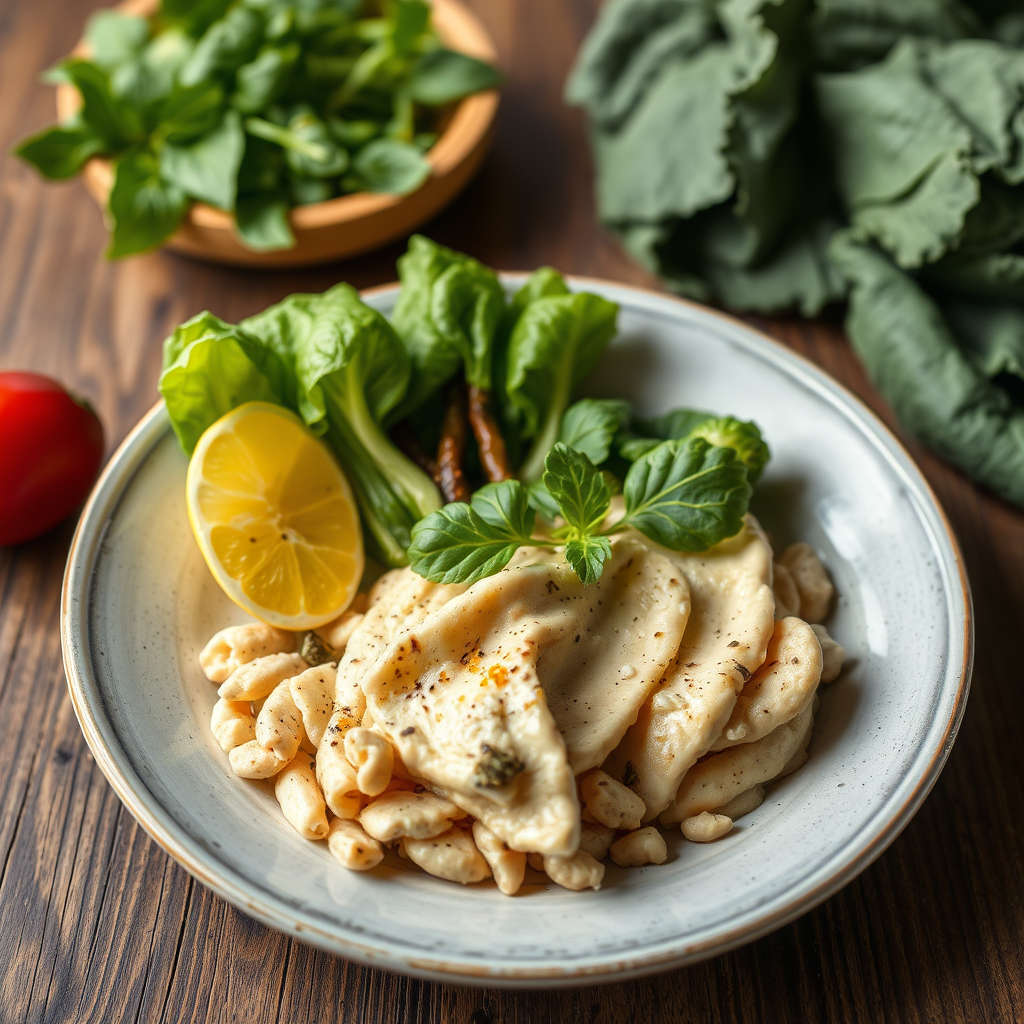
Protein is an essential component of the keto diet but should be consumed in moderation. Opt for fatty cuts of meat, such as ribeye and pork belly, which deliver high amounts of fat along with protein. These cuts can keep you satiated while ensuring you maintain a low carbohydrate intake. Grass-fed beef is particularly advantageous due to its higher omega-3 fatty acid content compared to grain-fed counterparts.
Incorporating seafood, especially fatty fish like salmon and mackerel, is another excellent way to meet your protein needs while consuming healthy fats. These fish are not only rich in omega-3 fatty acids, which are vital for reducing inflammation and promoting heart health, but they also provide a wealth of vitamins and minerals. Aim to consume fatty fish several times a week to reap the benefits.
Low-Carbohydrate Vegetables
Vegetables play a crucial role in the keto diet by providing essential nutrients without the excess carbohydrates found in starchy options. Focus on low-carbohydrate, non-starchy vegetables, particularly leafy greens like spinach, kale, and arugula. These greens are packed with vitamins A, C, and K, as well as important minerals like calcium and iron, making them ideal for a balanced diet.
Cruciferous vegetables such as broccoli and cauliflower are also excellent choices. They are low in carbohydrates and high in fiber, aiding in digestion and keeping you feeling full. Cauliflower, in particular, is a versatile option that can be used as a substitute for rice or mashed potatoes, allowing you to enjoy familiar dishes while adhering to keto principles. Incorporating a variety of these vegetables will ensure you get a wide range of nutrients while keeping your carb intake low.
Dairy Products
Dairy can be a rich source of fats and protein on the keto diet, but it’s important to select the right options. Choose full-fat dairy products, including cheese, heavy cream, and Greek yogurt, which are lower in carbohydrates compared to their low-fat counterparts. Full-fat cheese varieties like cheddar, mozzarella, and cream cheese can add flavor and richness to your meals without compromising your carb count.
While dairy can be beneficial, be cautious with milk and ice cream, as these can contain higher carbohydrate levels that may impede your progress on the keto diet. If you enjoy milk, consider unsweetened almond or coconut milk as alternatives. When selecting yogurt, look for options that are plain and high in fat, ensuring they contain minimal added sugars.
Snacks and Sweets
Snacking can be a challenge on the keto diet, but there are plenty of keto-friendly options available. Look for snacks like beef jerky or pork rinds, which are high in protein and fat, making them ideal choices to keep you satisfied between meals. Just ensure that the jerky you select is free of added sugars and preservatives to maintain its keto-friendly status.
If you find yourself craving something sweet, satisfy your sweet tooth with sugar alternatives like stevia or erythritol. These natural sweeteners have little to no carbohydrates and can be used in baking or added to beverages without disrupting ketosis. Many keto-friendly recipes utilize these sweeteners to create desserts that mimic traditional treats, allowing you to indulge without guilt.
Beverages
Staying hydrated is essential on any diet, and the keto diet is no exception. Stick to water, coffee, and tea without added sugars to ensure you maintain your fluid intake without introducing unnecessary carbohydrates. Water is always the best choice, but if you prefer something warm, unsweetened herbal teas can be a great alternative.
Consider incorporating bone broth as a nutritious, low-carb beverage option. Bone broth is not only hydrating but also rich in collagen and amino acids, which can support joint health and digestion. It’s an excellent way to increase your electrolyte intake, especially during the initial stages of the keto diet when your body is adjusting to a lower carbohydrate intake.
Foods to Avoid
To successfully navigate the keto diet, it’s crucial to understand which foods to avoid. Stay clear of grains, sugars, and high-carb fruits, as these can significantly increase your carbohydrate intake and disrupt ketosis. Common culprits include bread, pasta, rice, and sugary snacks like candy and pastries.
Additionally, limit starchy vegetables like potatoes and corn, which can also contribute to a higher carb count. Instead, focus on low-carb vegetables and alternatives to satisfy your cravings while remaining compliant with keto guidelines. Understanding and avoiding these foods will help you maintain your dietary goals and support your overall health.
Adopting the keto diet requires a firm grasp of which foods align with its principles. By focusing on high-fat, low-carb options, you can create satisfying meals that keep you in ketosis. As you explore these food categories, you will discover a variety of delicious meals that not only support your health goals but also enhance your culinary experience. Embrace the journey and enjoy the process of finding what works best for you on your keto lifestyle.
Frequently Asked Questions
What foods can I eat on a keto diet?
On a keto diet, you can enjoy a variety of foods that are low in carbohydrates and high in healthy fats. Key food groups include non-starchy vegetables like leafy greens, avocados, and broccoli, as well as proteins such as meat, poultry, fish, and eggs. Healthy fats from sources like olive oil, coconut oil, nuts, and seeds are also encouraged, while avoiding grains, sugars, and most fruits to maintain ketosis.
How do I know if a food is keto-friendly?
To determine if a food is keto-friendly, check the nutritional label for its carbohydrate content. Foods should ideally contain less than 5 grams of net carbs per serving, which is calculated by subtracting fiber from total carbohydrates. Additionally, focus on foods that are high in fats and moderate in protein while avoiding processed items that may contain hidden sugars or starches.
Why are certain foods restricted on a keto diet?
Certain foods, especially those high in carbohydrates, are restricted on a keto diet because they can disrupt the state of ketosis, where the body burns fat for fuel instead of carbohydrates. Foods like grains, sugars, and many fruits can spike blood sugar levels, hindering weight loss and other health benefits associated with ketosis. By limiting these foods, individuals can more effectively maintain their desired metabolic state.
What are the best snacks for a keto diet?
The best snacks for a keto diet are those that are low in carbs but high in healthy fats and proteins. Great options include cheese slices, nuts and seeds, hard-boiled eggs, and low-carb vegetables with dips like guacamole or cream cheese. These snacks not only satisfy hunger but also help to keep you in ketosis, making them ideal for anyone following a ketogenic lifestyle.
Which fruits are allowed on a keto diet?
While most fruits are high in sugar and thus not suitable for a keto diet, there are some low-carb options that can be included in moderation. Berries, such as strawberries, raspberries, and blackberries, are among the best choices due to their lower sugar content. Avocados are also technically a fruit and are highly recommended for their healthy fats and fiber, making them perfect for a keto-friendly diet.
References
- Ketogenic diet
- The Ketogenic Diet: A Detailed Beginner’s Guide to Keto
- https://www.ncbi.nlm.nih.gov/pmc/articles/PMC5466932/
- https://www.mayoclinic.org/healthy-lifestyle/nutrition-and-healthy-eating/in-depth/keto-diet/art-20484916
- https://www.cdc.gov/healthyweight/healthy_eating/what_is_a_healthy_diet.html
- https://www.verywellhealth.com/what-is-the-keto-diet-5191243
- https://www.journalofnutrition.org/content/early/2020/06/15/jn.120.000735
- https://www.nutrition.gov/topics/whats-food/keto-diet
- https://www.webmd.com/diet/what-is-the-keto-diet