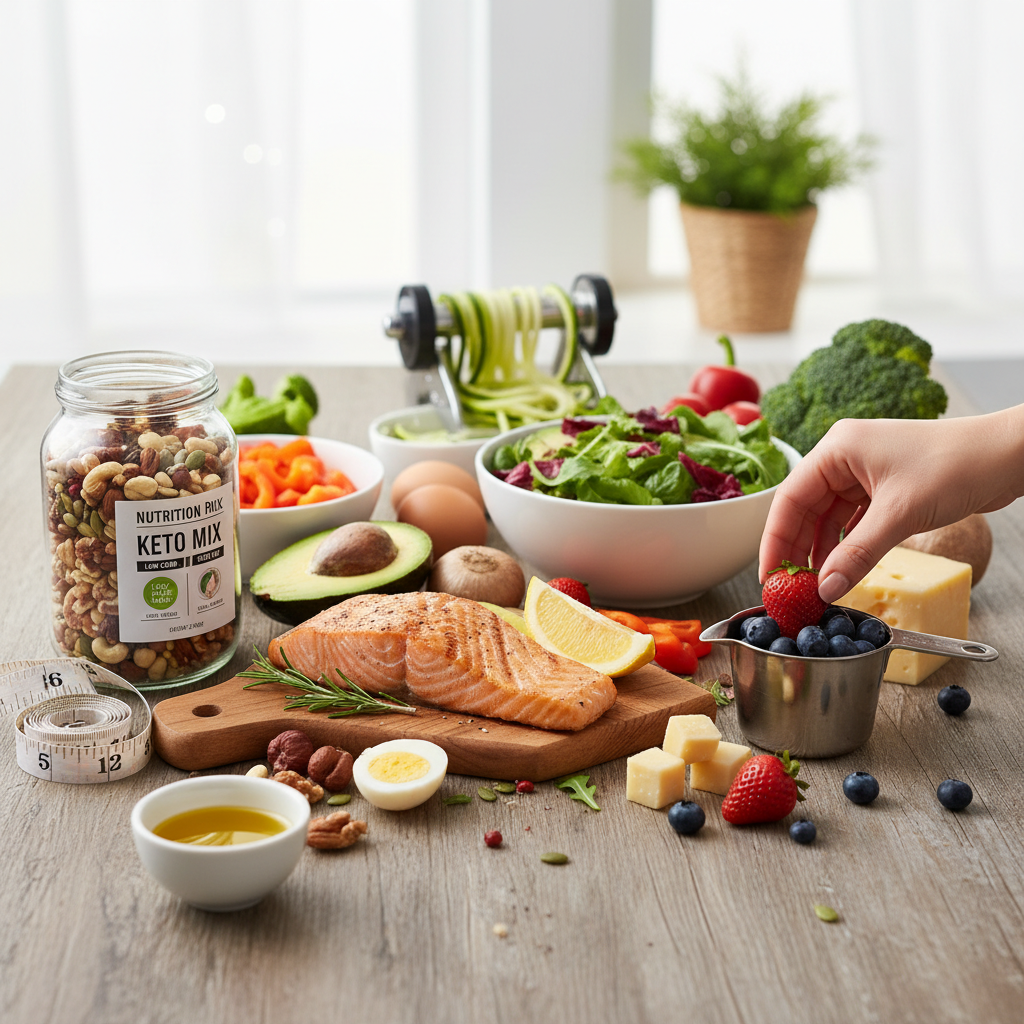

The keto diet primarily consists of high-fat, moderate-protein, and low-carbohydrate foods. This dietary approach encourages the body to enter a state of ketosis, where it efficiently burns fat for fuel instead of carbohydrates. By focusing on specific food groups, individuals can enjoy a variety of satisfying meals while adhering to their carb limits. In this article, you’ll discover the types of foods you can enjoy on a keto diet, ensuring you stay within your carb limits while savoring delicious meals.
High-Fat Foods
High-fat foods form the backbone of the keto diet, providing the essential energy needed to sustain your daily activities while promoting the metabolic state of ketosis. Healthy oils play a crucial role in meal preparation and add flavor to dishes. Olive oil, rich in monounsaturated fats, is perfect for salad dressings and sautéing vegetables. Coconut oil, with its medium-chain triglycerides (MCTs), can boost energy levels and support fat loss. Avocado oil is another excellent option, known for its high smoke point and heart-healthy properties.
Fatty cuts of meat, such as bacon, ribeye steak, and pork belly, not only contribute satisfying flavors but also deliver substantial energy due to their high-fat content. These meats can be grilled, roasted, or utilized in various recipes to create fulfilling meals. Additionally, incorporating fatty fish like salmon and mackerel provides both omega-3 fatty acids and protein, enhancing your overall health while keeping you in ketosis.
Low-Carb Vegetables
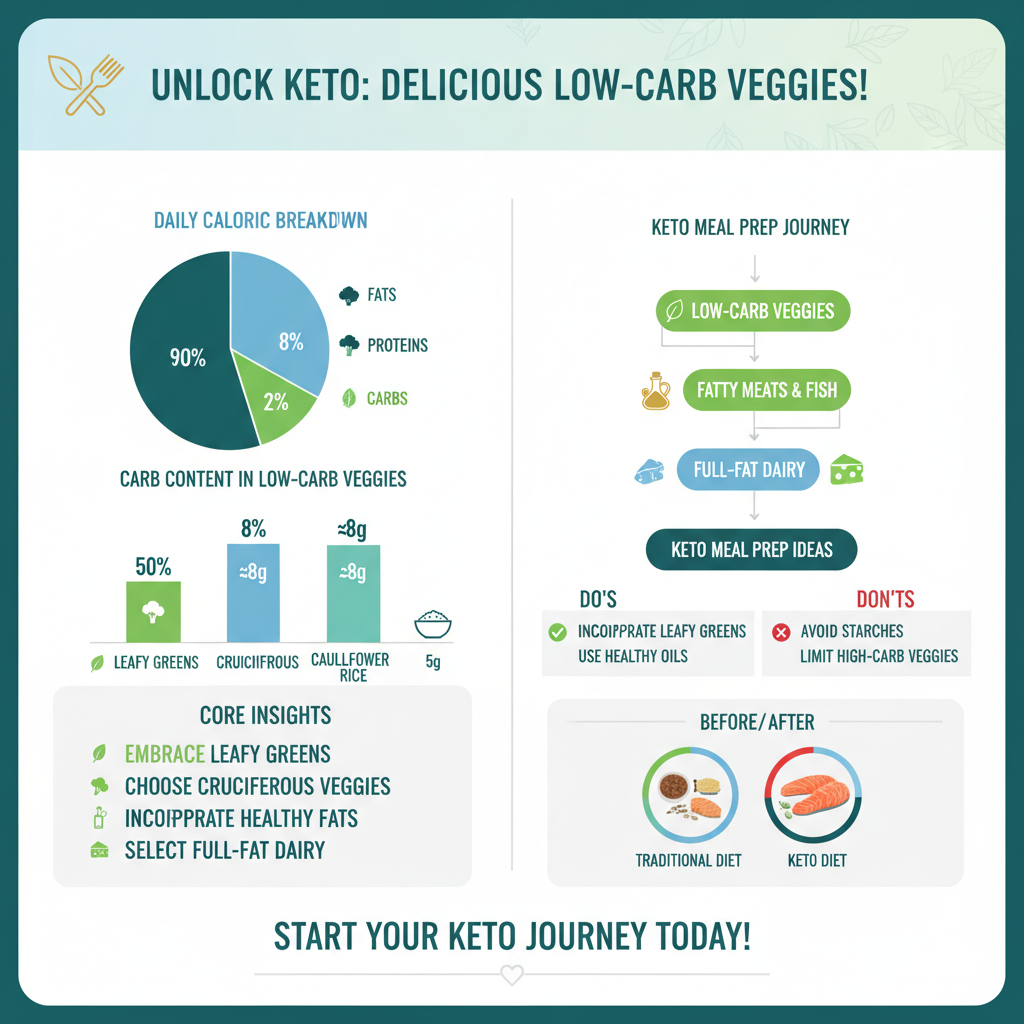
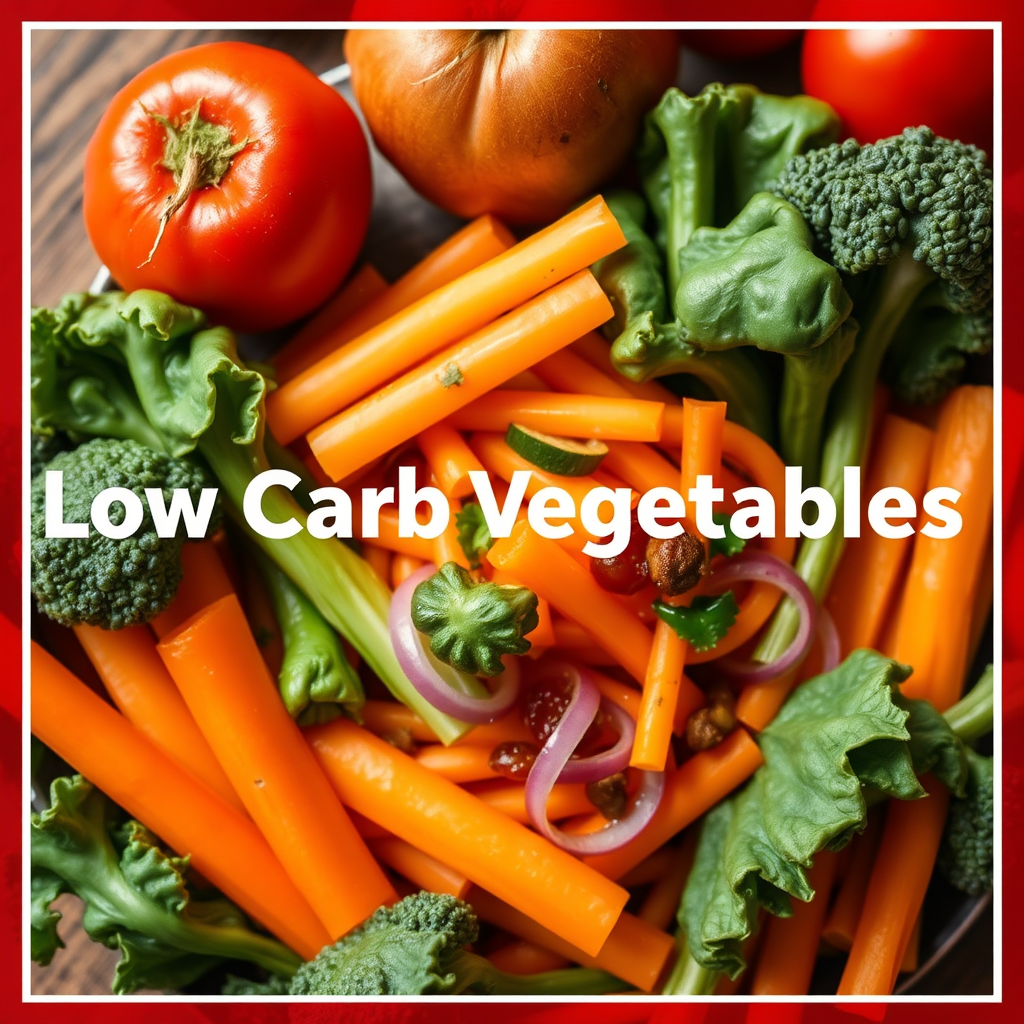
Low-carb vegetables are essential for maintaining a balanced keto diet while ensuring you receive adequate vitamins and minerals. Leafy greens, including spinach, kale, and arugula, are nutrient-dense and low in carbohydrates, making them perfect additions to salads and smoothies. These greens are high in antioxidants, which can help combat oxidative stress in the body.
Cruciferous vegetables such as broccoli, cauliflower, and Brussels sprouts are not only low in carbs but also versatile enough to serve as substitutes for grains and starchy sides. For instance, cauliflower can be transformed into cauliflower rice or mashed cauliflower, providing a low-carb alternative to traditional rice or mashed potatoes. This versatility allows for creativity in meal preparation while adhering to keto guidelines.
Dairy Products
Dairy products can be an excellent source of fats and protein on the keto diet, provided you choose full-fat options. Cheese varieties, including cheddar, mozzarella, and gouda, are not only rich in flavor but also in fat content, making them ideal for snacking or enhancing dishes. Cream and butter are also staples in a keto kitchen, offering healthy fats that can elevate the taste of meals and provide satiety.
Greek yogurt and sour cream can add creaminess and flavor to various dishes, but it’s essential to moderate their consumption due to their carb content. Opt for unsweetened versions to avoid added sugars, and consider incorporating them into recipes like dressings or dips for added flavor while remaining within your carb limits.
Nuts and Seeds
Nuts and seeds are a convenient source of healthy fats that can serve as satisfying snacks or ingredients in keto recipes. Almonds, walnuts, and macadamia nuts are popular choices, each offering distinct flavors and nutritional benefits. For example, macadamia nuts are particularly high in monounsaturated fats and low in carbs, making them a favorite among keto dieters.
Chia seeds and flaxseeds are exceptional additions due to their high fiber content, which can aid digestion and promote satiety. These seeds can be used in smoothies, baked goods, or as a thickening agent in various dishes. They also provide omega-3 fatty acids, contributing to heart health and overall wellness.
Protein Sources
Protein is an essential component of the keto diet, ensuring you maintain muscle mass while in ketosis. Eggs are one of the most versatile and nutrient-rich options available. They can be prepared in numerous ways—boiled, scrambled, or baked—and are an excellent source of protein and healthy fats. Additionally, eggs contain various vitamins and minerals, making them a powerhouse for breakfast or any meal.
Fish and seafood, such as salmon, tuna, and shrimp, are excellent sources of protein and healthy fats. Fatty fish like salmon not only provide protein but are also rich in omega-3 fatty acids, which can support heart health and reduce inflammation. Incorporating fish into your meals a few times a week can help diversify your protein sources while keeping your meals exciting and nutritious.
Sweeteners and Condiments
While the keto diet limits sugar intake, there are several keto-friendly sweeteners and condiments that can add flavor to your meals without sacrificing your carb limits. Stevia and erythritol are popular alternatives to sugar, offering sweetness without the added calories or carbohydrates. These sweeteners can be used in beverages, baked goods, or even sauces, allowing you to satisfy your sweet tooth in a healthy way.
Condiments like mustard, mayonnaise, and low-carb sauces can enhance the flavor of your meals without compromising your dietary goals. Opt for brands that do not contain added sugars and be mindful of ingredient lists to ensure they align with your keto lifestyle. These condiments can help prevent meal boredom, providing diversity in flavors while keeping your meals interesting and enjoyable.
Foods to Avoid
To successfully maintain a keto diet, it is crucial to avoid certain food groups that are high in carbohydrates. Grains, including bread, pasta, and rice, are significant sources of carbs and should be eliminated from your diet. These foods can quickly push you over your daily carb limit and hinder your ability to achieve or maintain ketosis.
Sugary foods and drinks, such as soda, candy, and baked goods, must also be avoided. These items not only contain high amounts of sugar but can also lead to cravings and energy spikes followed by crashes. Instead, focusing on whole, unprocessed foods will help you stay on track and support overall wellness.
Following a keto diet can be enjoyable and satisfying when you focus on the right foods. By incorporating high-fat options, low-carb vegetables, and protein sources, you can create a variety of delicious meals that fit within your dietary goals. Start experimenting with these food categories to find meals you love and ensure you’re on the right track with your keto journey. With careful planning and a focus on nutrient-dense foods, the keto diet can be a sustainable and rewarding lifestyle choice.
Frequently Asked Questions
What foods can I eat on a keto diet?
On a keto diet, you should focus on high-fat, low-carbohydrate foods. This includes healthy fats like avocados, olive oil, and coconut oil, along with protein sources such as meat, fish, eggs, and low-carb dairy products. Non-starchy vegetables like leafy greens, broccoli, and cauliflower are also encouraged, while high-carb foods like grains, sugars, and most fruits should be avoided to maintain ketosis.
How do I know if a food is keto-friendly?
To determine if a food is keto-friendly, check its macronutrient profile, specifically the carbohydrate content. Foods that contain fewer than 5 grams of net carbs per serving are generally considered keto-friendly. Additionally, look for foods high in healthy fats and moderate in protein, as these align with the primary goals of the ketogenic diet.
Why are certain fruits restricted on the keto diet?
Many fruits are restricted on the keto diet due to their high sugar content, which can lead to exceeding the daily carbohydrate limit necessary for maintaining ketosis. Fruits such as bananas, apples, and grapes are high in natural sugars and can spike blood glucose levels. Instead, opt for low-sugar fruits like berries, which can be enjoyed in moderation while still keeping carb intake low.
What are the best snacks for a keto diet?
The best snacks for a keto diet are those that are low in carbs but high in healthy fats and protein. Great options include nuts and seeds, cheese, hard-boiled eggs, avocado slices, and low-carb protein bars. Additionally, keto-friendly snacks like beef jerky or olives can satisfy cravings while keeping you within your dietary goals.
Which beverages are suitable on a keto diet?
On a keto diet, the best beverages include water, unsweetened coffee, and tea, as they are free of calories and carbohydrates. Additionally, you can enjoy sparkling water or herbal teas. Be cautious with alcoholic beverages, as many contain sugars; opt for dry wines or spirits mixed with low-carb mixers to stay on track with your keto lifestyle.