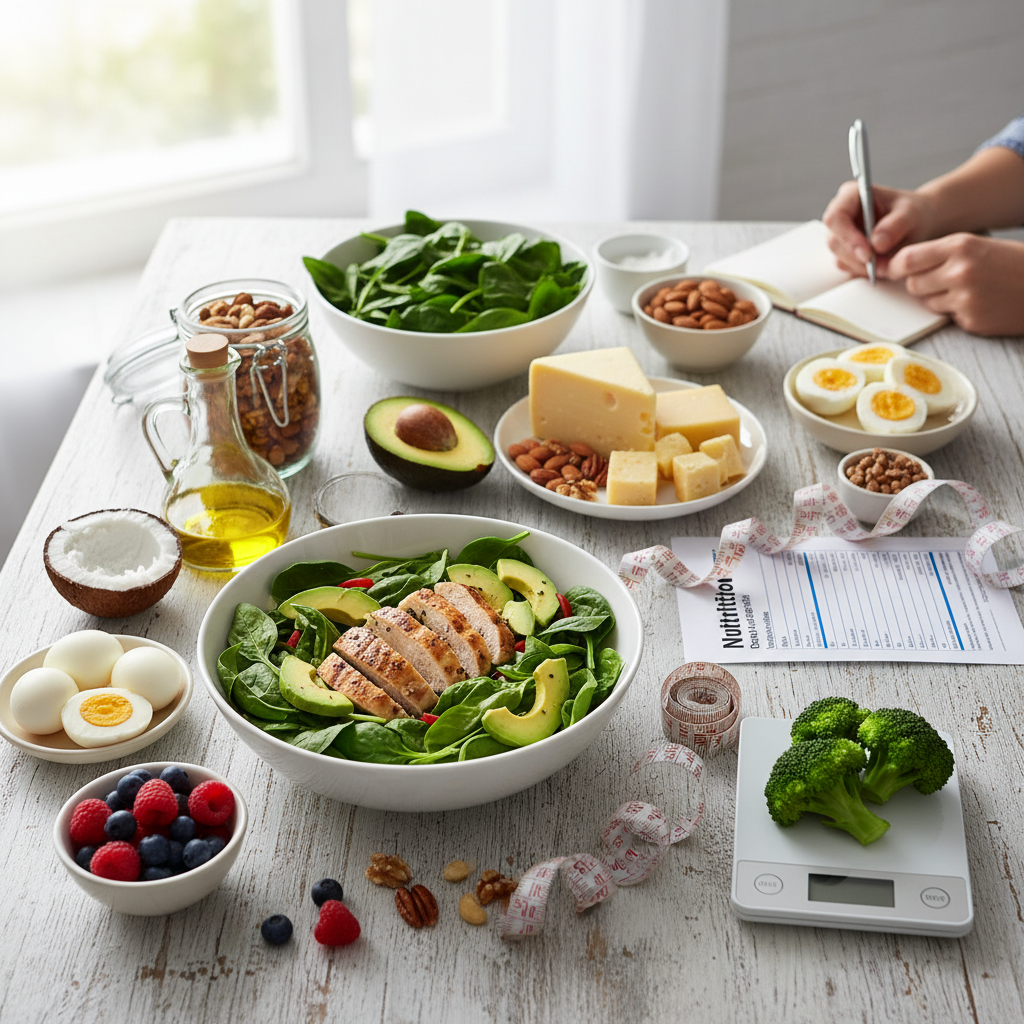

The key to a successful keto diet lies in the careful selection of foods that are high in healthy fats, moderate in protein, and very low in carbohydrates. This strategic eating plan not only encourages your body to enter ketosis—a metabolic state that prioritizes fat burning for energy—but also supports overall health and wellness. In this article, you’ll discover a comprehensive list of keto-friendly foods designed to support your dietary goals while enhancing your nutritional intake.
Healthy Fats to Incorporate
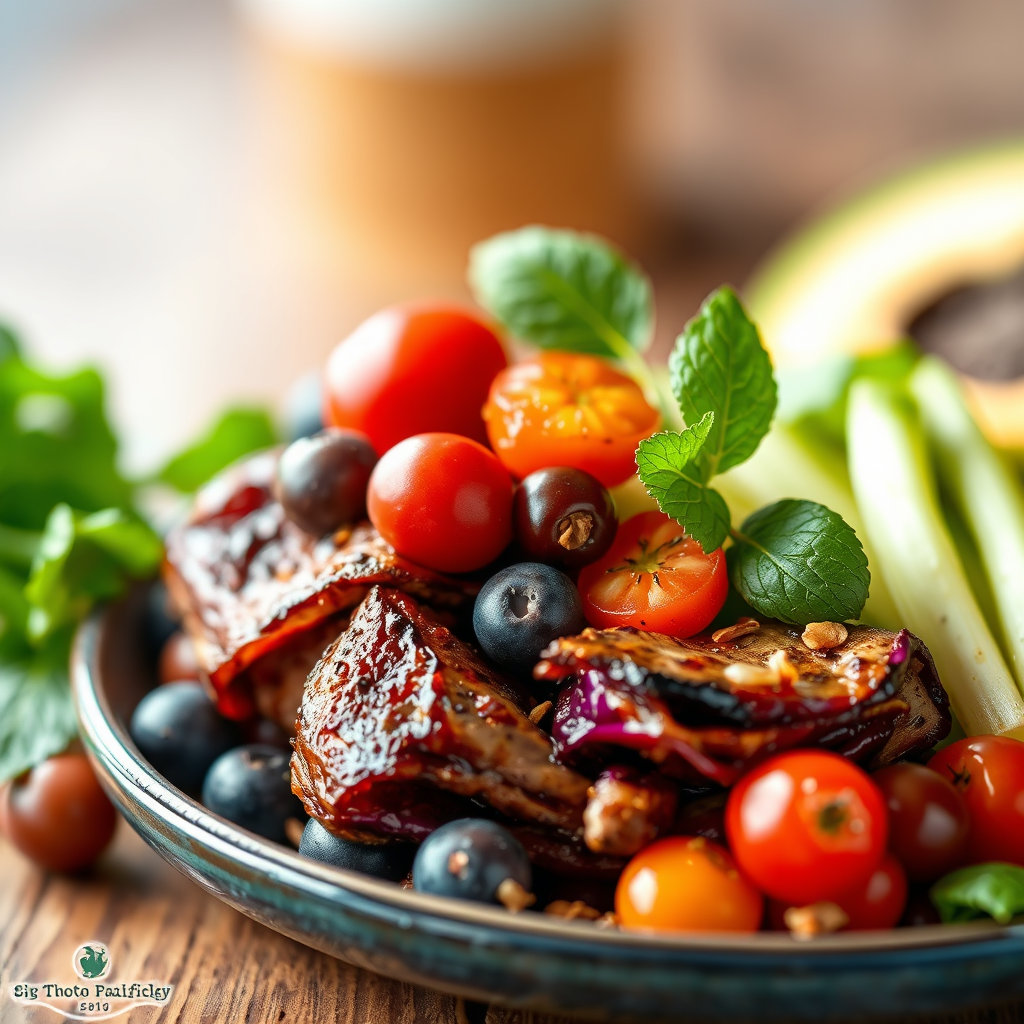
In the ketogenic diet, healthy fats play a pivotal role, serving as the primary source of energy.
– Avocados: Avocados are a powerhouse of nutrition, boasting a high content of monounsaturated fats—beneficial for heart health—and a generous amount of dietary fiber. They are versatile, easily incorporated into salads, smoothies, or enjoyed on their own. A medium avocado contains approximately 15 grams of fat and only 2 grams of net carbs, making it an ideal choice for keto dieters.
– Olive oil: Renowned for its antioxidant properties, olive oil is a staple in the Mediterranean diet and fits perfectly into the keto lifestyle. It is primarily composed of healthy fats and contains oleic acid, which may help reduce inflammation. Drizzling olive oil over vegetables or using it as a dressing can enhance flavor while keeping your carb count low.
Protein Sources for the Keto Diet
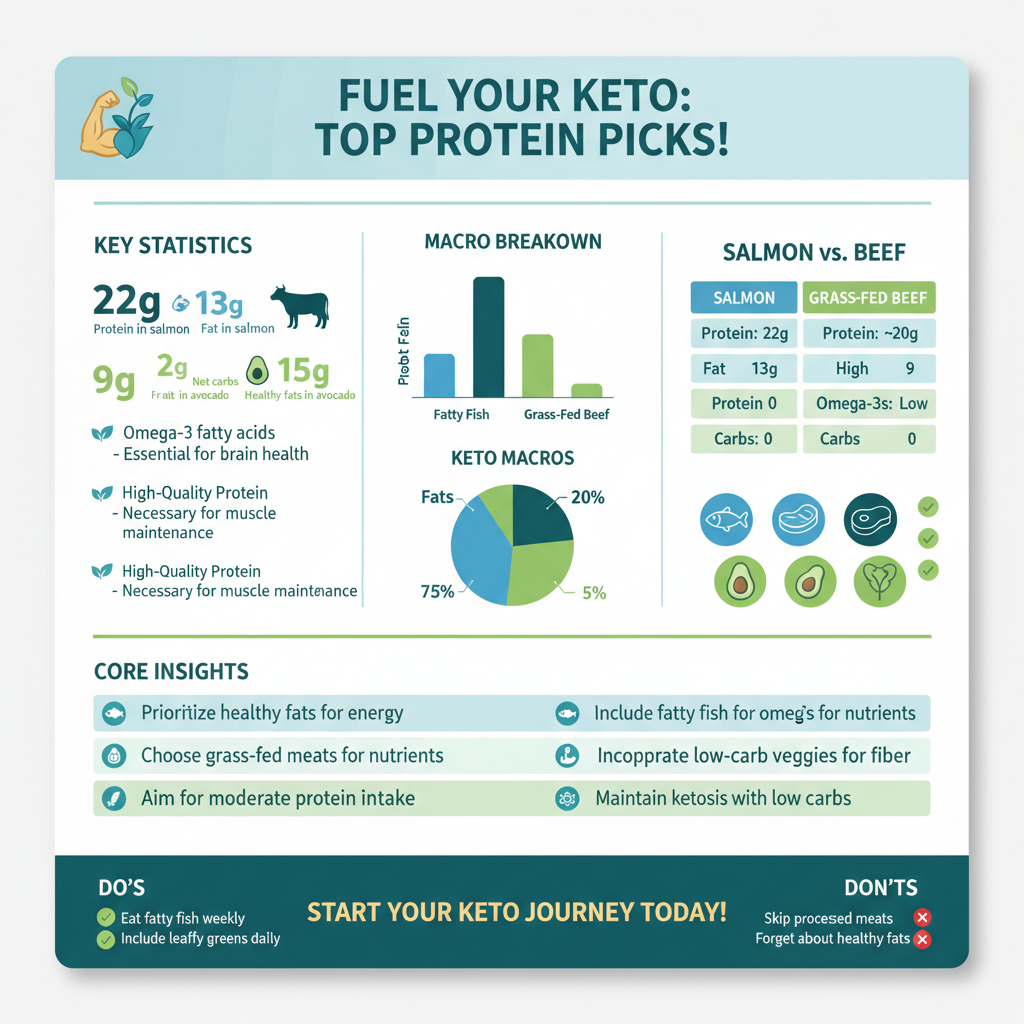
While the keto diet emphasizes fats, it is crucial to include quality protein sources to maintain muscle mass and overall health.
– Fatty fish: Fatty fish such as salmon, mackerel, and sardines are rich in omega-3 fatty acids, which are essential for brain health and reducing inflammation. Not only do these fish provide high-quality protein, but they also contribute to your fat intake. A typical serving of salmon contains about 22 grams of protein and 13 grams of fat with minimal carbohydrates.
– Grass-fed meats: Choosing grass-fed beef and pork for your protein sources can enhance the nutritional profile of your meals. These meats are higher in omega-3 fatty acids and conjugated linoleic acid (CLA), both of which are beneficial for weight management and overall health. A 3-ounce serving of grass-fed beef has around 22 grams of protein and 9 grams of fat, making it a satisfying and keto-friendly option.
Low-Carb Vegetables to Enjoy
Incorporating low-carb vegetables into your meals is essential for providing vitamins, minerals, and fiber while keeping carbohydrates in check.
– Leafy greens: Vegetables such as spinach, kale, and Swiss chard are incredibly low in carbohydrates yet rich in essential nutrients like vitamins A, C, and K, as well as minerals such as calcium and iron. A cup of raw spinach contains only about 1 gram of net carbs, making it an excellent base for salads or smoothies.
– Cruciferous vegetables: Broccoli, cauliflower, and Brussels sprouts are examples of cruciferous vegetables that offer a wealth of nutrients, including fiber, vitamin C, and various antioxidants. They are versatile and can be roasted, steamed, or added to stir-fries, with cauliflower serving as a fantastic low-carb substitute for rice or mashed potatoes.
Dairy Products Suitable for Keto
Dairy products can be a tasty and nutritious addition to a keto diet, provided you choose the right types.
– Full-fat cheese: Varieties such as cheddar, mozzarella, and blue cheese are low in carbohydrates and high in fat, making them perfect for a keto-friendly diet. Not only do they add flavor to meals, but they can also provide protein and calcium. A 1-ounce serving of cheddar cheese typically contains about 9 grams of fat and only 1 gram of carbs.
– Greek yogurt: When selecting yogurt for a ketogenic diet, opt for unsweetened, full-fat Greek yogurt. This type of yogurt is higher in protein and lower in sugar compared to traditional yogurt, making it a great choice. A serving typically contains around 10 grams of protein and only 6 grams of carbs, allowing it to fit well within your daily macro goals.
Nuts and Seeds for Snacking
Nuts and seeds are not only convenient snacks but also provide healthy fats, protein, and fiber.
– Almonds: Almonds are a popular choice among keto dieters due to their high fat content and low carbohydrate count. A one-ounce serving of almonds contains about 14 grams of fat and only 2 grams of net carbs, making them perfect for a quick energy boost. They can be eaten raw, roasted, or used to create almond flour for baking.
– Chia seeds: These tiny seeds are nutrient-dense, packed with fiber and omega-3 fatty acids. They can absorb liquid and expand, making them an excellent addition to smoothies, puddings, or as a topping for yogurt. Just 1 ounce of chia seeds contains around 9 grams of fat and only 2 grams of net carbs, along with a substantial amount of fiber to aid digestion.
Keto-Friendly Beverages
Staying hydrated and choosing the right beverages is essential while following a keto diet.
– Water: Undoubtedly the best choice for hydration, water should be your go-to beverage. Not only does it keep you hydrated, but it also aids in digestion and flushes out toxins. Consider infusing your water with lemon or cucumber for added flavor without introducing carbohydrates.
– Herbal teas: Unsweetened herbal teas are an excellent option for those seeking variety without the carbs. Teas such as green tea, chamomile, or peppermint can be enjoyed hot or cold, providing antioxidants and other health benefits. Just be sure to avoid added sugars or sweeteners that could disrupt ketosis.
Foods to Avoid on a Keto Diet
To effectively maintain ketosis, it is crucial to avoid certain foods that can hinder your progress.
– Grains: Foods such as bread, rice, pasta, and cereals are high in carbohydrates and should be eliminated from your diet. These grains can quickly spike your blood sugar levels, pushing your body out of ketosis. Instead, consider alternatives like cauliflower rice or zucchini noodles for a low-carb substitute.
– Sugary foods: Candies, desserts, and sugary drinks can significantly disrupt your ketogenic state. These foods often contain high levels of refined sugars and carbohydrates, which can lead to weight gain and hinder your progress. Focus on satisfying your sweet tooth with keto-friendly options, such as dark chocolate or berries, in moderation.
Maintaining a keto diet can be straightforward if you focus on the right foods. By incorporating healthy fats, quality proteins, and low-carb vegetables while avoiding high-carb items, you can effectively support your health goals. Explore these foods to make your keto journey enjoyable and sustainable!
Frequently Asked Questions
What foods are considered keto-friendly in a ketogenic diet?
Keto-friendly foods are low in carbohydrates and high in healthy fats. This includes meats like beef, pork, and poultry, as well as fatty fish such as salmon and mackerel. Non-starchy vegetables like spinach, kale, and broccoli are also great options. Healthy fats from avocados, olive oil, and nuts contribute to the diet’s fat content, while dairy products like cheese and full-fat yogurt can be included in moderation.
How can I incorporate keto diet foods into my meals?
Incorporating keto diet foods into your meals can be simple and delicious. Start by replacing high-carb ingredients with low-carb alternatives; for instance, use cauliflower rice instead of regular rice or zucchini noodles instead of pasta. Focus on meal prep by planning dishes around proteins and healthy fats, such as stir-fries with meats and non-starchy vegetables or salads topped with avocado and olive oil. Additionally, consider making snacks like cheese chips or nut butter to stay on track between meals.
Why is it important to choose the right keto diet foods?
Choosing the right keto diet foods is crucial for maintaining the state of ketosis, where your body burns fat for fuel instead of carbohydrates. Eating the wrong foods, especially those high in carbs, can kick you out of ketosis and stall your weight loss efforts. Additionally, selecting nutrient-dense keto foods ensures you receive adequate vitamins and minerals while following the diet, promoting overall health and well-being.
What are the best snacks to maintain a keto diet?
The best snacks for maintaining a keto diet are those that are low in carbs and rich in healthy fats. Popular options include nuts (such as almonds and walnuts), cheese slices or sticks, hard-boiled eggs, and guacamole with vegetable sticks. Dark chocolate with a high cocoa content (at least 70% or more) can also be a satisfying treat. These snacks not only help curb hunger but also keep your energy levels stable throughout the day.
Which drinks are suitable for a ketogenic diet?
Suitable drinks for a ketogenic diet include water, herbal teas, black coffee, and bone broth. It’s essential to avoid sugary beverages and limit alcoholic drinks, as many contain hidden carbs. If you enjoy flavored drinks, consider using unsweetened sparkling water or adding a splash of lemon or lime to your water. Additionally, low-carb smoothies made with spinach, coconut milk, and a scoop of protein powder can be a great option for a refreshing beverage.
References
- Ketogenic diet
- https://www.ncbi.nlm.nih.gov/pmc/articles/PMC5783020/
- The Ketogenic Diet: A Detailed Beginner’s Guide to Keto
- https://www.mayoclinic.org/healthy-lifestyle/nutrition-and-healthy-eating/in-depth/keto-diet/art-20447466
- https://www.cdc.gov/healthyweight/healthy_eating/dietary_guidelines.html
- Dietary Guidelines for Americans 2025-2030: Progress on added sugar, protein hype, saturated fat …