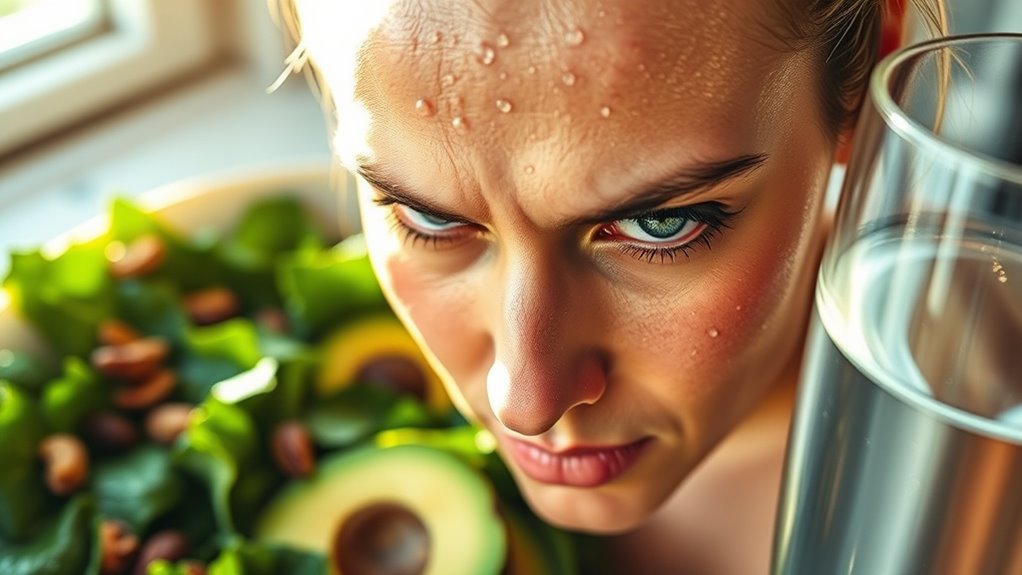

The ketogenic diet can indeed make you sweat more due to metabolic shifts as your body adjusts to burning fat for fuel. This process influences electrolyte balance, which is vital for fluid regulation. As your sweat composition changes, staying hydrated becomes essential for maintaining performance and comfort. The increased sweating may also relate to individual factors like genetics and activity levels. Discover how these elements work together for a better understanding of your body’s response on keto.
Understanding the Ketogenic Diet
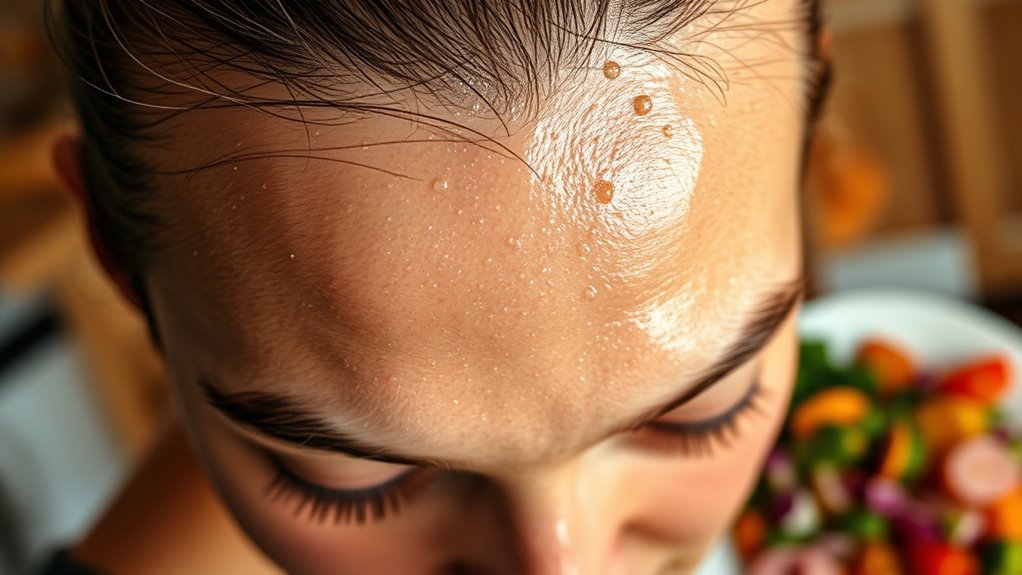
The ketogenic diet, often referred to as the keto diet, is a low-carbohydrate, high-fat dietary regimen designed to shift your body into a state of ketosis. By adhering to ketogenic principles, you’ll drastically reduce your carbohydrate intake, prompting your body to utilize fat as its primary energy source. This process, known as fat adaptation, takes time but results in efficient fat burning, which can enhance your physical and mental performance. Research shows that once your body adapts, it becomes more effective in using ketones for energy, improving endurance and reducing hunger. Embracing the keto lifestyle offers you the freedom to enjoy satisfying, high-fat foods while promoting metabolic health and weight management. Understanding these principles is crucial for your success on this journey.
How Metabolism Changes on Keto

As you shift to a ketogenic diet, your metabolism undergoes significant changes that enhance fat burning and energy utilization. This process, known as metabolism adaptation, helps your body efficiently use fat as its primary fuel source. Here are three key changes you might notice:
- Increased Fat Oxidation: Your body becomes adept at breaking down fat stores for energy, leading to more efficient weight loss.
- Decreased Insulin Levels: Lower insulin levels help facilitate fat burning and reduce hunger, allowing for better appetite control.
- Elevated Ketone Production: As you consume fewer carbs, your liver produces ketones, an alternative energy source that can fuel your brain and muscles.
Embracing these changes can empower you to achieve your health and fitness goals.
The Role of Electrolytes in Sweat Production

While you adapt to a ketogenic diet, understanding the role of electrolytes in sweat production becomes important for maintaining hydration and overall health. Electrolyte balance greatly influences sweat composition, as your body relies on sodium, potassium, and magnesium to regulate fluid levels. When you sweat, you lose these essential minerals, which can lead to dehydration if not replenished. Implementing effective hydration strategies, such as increasing your mineral intake through foods or supplements, can help maintain ideal electrolyte levels. This is especially significant on a keto diet, where reduced carbohydrate consumption may affect your body’s natural sodium retention. By focusing on electrolyte balance, you can guarantee proper hydration and support your body’s functions while enjoying the freedom of a ketogenic lifestyle.
Physical Activity and Sweating on a Keto Diet
When you engage in physical activity on a keto diet, your body’s metabolism undergoes significant changes that can influence sweat production. It’s essential to maintain proper hydration levels, as dehydration can impair your performance and exacerbate sweating. Understanding these factors can help you optimize your exercise routine while on keto.
Keto and Exercise Impact
Engaging in physical activity on a ketogenic diet can greatly alter your body’s response to exercise, particularly regarding sweating. When you’re doing keto workouts, you might notice changes in your sweat response due to several factors:
- Fat Adaptation: Your body becomes more efficient at burning fat for fuel, potentially affecting how you sweat during workouts.
- Electrolyte Balance: A keto diet can influence your electrolyte levels, which may impact your sweating and heat regulation.
- Thermoregulation: The shift to ketosis can modify how your body regulates temperature, possibly leading to increased perspiration.
Understanding these factors can help you manage your workouts effectively and enjoy the freedom that a keto lifestyle provides while engaging in physical activity.
Hydration Levels Matter
Hydration is crucial for anyone on a ketogenic diet, especially during physical activity. When you’re in ketosis, your body excretes more electrolytes, which can lead to dehydration if you’re not careful. To maintain ideal hydration, consider these hydration tips: drink plenty of water throughout the day and incorporate electrolyte-rich beverages. This isn’t just about quenching thirst; it’s essential for sweat management. As you engage in exercise, adequate hydration helps regulate your body temperature and reduces the risk of excessive sweating. Remember, feeling parched or fatigued can be signs of dehydration, so listen to your body. Staying well-hydrated supports your performance and overall well-being while enjoying the freedom of a keto lifestyle.
Metabolism and Sweat Production
As your body adapts to a ketogenic diet, the way it metabolizes fat for energy can considerably influence sweat production during physical activity. Several metabolism factors play a role in how your sweat glands react while on keto:
- Fat Oxidation: Your body becomes more efficient at burning fat, generating heat and potentially increasing sweat output.
- Electrolyte Balance: A keto diet can alter your sodium and potassium levels, affecting sweat composition and volume.
- Thermoregulation: Enhanced fat metabolism may lead to increased body temperature, prompting your sweat glands to work harder to cool you down.
Understanding these dynamics helps you manage your hydration and performance, allowing you to enjoy the freedom that comes with a well-structured keto lifestyle.
Individual Factors Influencing Sweating
While many people associate sweating primarily with temperature regulation, individual factors play an essential role in how much you sweat. Your genetic predisposition can determine the density and activity of your sweat glands. Hormonal changes, such as those during puberty or menopause, can meaningfully influence sweat production. Environmental factors, like heat and humidity, also matter, as do dietary variations; certain foods can boost metabolism and enhance sweating. Your hydration status directly affects how efficiently your body cools itself. Body composition, including fat to muscle ratio, impacts sweat efficiency as well. Additionally, medication effects can alter sweat responses, and elevated stress levels often trigger increased sweating. Understanding these factors helps you recognize the personal nature of sweating.
Comparing Keto to Other Diets
When you compare the keto diet to other dietary approaches like low-carb and paleo, you’ll notice distinct differences in macronutrient composition and metabolic effects. Keto emphasizes high fat intake, which can greatly influence how your body processes energy and may affect sweating patterns. Understanding these differences can help you make informed choices about which diet aligns best with your health goals.
Keto vs. Low-Carb
Keto and low-carb diets often spark debate among health enthusiasts, as both approaches focus on reducing carbohydrate intake but differ markedly in their macronutrient ratios and metabolic effects. Here’s a quick comparison:
- Keto Benefits: The ketogenic diet induces ketosis, leading to fat as the primary energy source, which can enhance fat loss and improve mental clarity.
- Low Carb Effectiveness: A low-carb diet allows for more carbs than keto, making it easier to maintain for some, but may not achieve the same depth of fat adaptation.
- Sustainability: Many find low-carb more sustainable long-term, while keto requires strict adherence to maintain ketosis.
Understanding these differences helps you choose the right approach for your health goals and lifestyle preferences.
Keto vs. Paleo Diet
Though both the ketogenic and paleo diets emphasize whole foods and limit processed items, they differ considerably in their macronutrient compositions and underlying philosophies. The keto diet focuses on high fat, moderate protein, and very low carbohydrates, promoting ketosis for energy. In contrast, the paleo diet encourages a more balanced intake, allowing for lean meats, fruits, vegetables, nuts, and seeds while restricting grains and dairy.
Paleo benefits include greater dietary flexibility and a focus on nutritional balance, making it easier for some to adhere to long-term. However, paleo restrictions can limit options for those seeking rapid weight loss. Ultimately, your choice between the two should align with your personal health goals and lifestyle preferences for best results.
Managing Increased Sweating on Keto
As you commence a ketogenic diet, you might notice an increase in sweating, which can be attributed to several physiological changes your body undergoes during this metabolic shift. To effectively manage this increased sweating, consider these dietary adjustments:
Starting a ketogenic diet may lead to increased sweating due to various physiological changes in your body.
- Hydration: Confirm you’re drinking enough water, as dehydration can exacerbate sweating.
- Electrolyte Balance: Incorporate foods rich in potassium and magnesium to balance electrolytes, which can help regulate sweat production.
- Monitor Caffeine Intake: Limit caffeine, as it can stimulate the sweat glands and increase perspiration.
Frequently Asked Questions
Can Keto Diet Affect Body Odor When Sweating?
The keto diet can indeed affect your body odor when sweating. As your body shifts into ketosis, it produces ketones, which can lead to a distinct, sometimes fruity scent. This change in metabolic state may also influence sweat production and its composition. If you’re experiencing stronger odors, it’s often due to the increased breakdown of fats. Staying hydrated and maintaining good hygiene can help manage any keto body odor that arises.
Does Sweating on Keto Lead to Weight Loss?
Think of your body as a finely tuned engine, where keto metabolism fuels your weight loss journey. When you sweat, your body’s sweating mechanisms kick in, helping regulate temperature and expel toxins. On a keto diet, your body shifts to burning fat for fuel, which can enhance this process. While sweating can contribute to short-term weight loss through fluid loss, it’s the sustained fat burning that truly drives long-term results on keto.
Are There Specific Foods That Cause More Sweating on Keto?
Certain foods can indeed influence sweating levels while on keto. Spicy foods, like peppers, contain capsaicin, which can increase your body temperature and lead to more perspiration. Similarly, high caffeine intake from coffee or energy drinks can stimulate your nervous system, potentially causing you to sweat more. If you’re looking to manage your sweat levels, it might be wise to monitor these foods in your diet while enjoying your keto lifestyle.
How Does Hydration Impact Sweating on a Keto Diet?
Hydration’s essential on a keto diet, as it directly impacts your sweating. When you’re dehydrated, your body’s hydration balance is disrupted, leading to decreased sweat production. Additionally, low electrolyte levels, common in keto, can further affect your ability to regulate temperature. Staying well-hydrated helps maintain ideal electrolyte levels, allowing your body to function efficiently. So, drink enough water and consider adding electrolytes to support your body’s natural processes and enhance your comfort.
Is Increased Sweating a Sign of Ketosis?
They say, “Where there’s smoke, there’s fire,” and increased sweating can indeed be a sign of ketosis symptoms. When your body shifts to burning fat for energy, it may activate sweat glands more, leading to additional perspiration. This is often a byproduct of metabolic changes. However, while sweating can indicate ketosis, it’s essential to take into account other factors like hydration and individual physiology for a thorough understanding.
1. Does following a keto diet cause increased sweating?
Yes, some individuals may experience increased sweating when they start a keto diet. This can be attributed to several factors, including the body’s adjustment to ketosis, changes in metabolism, and the potential loss of electrolytes. As the body transitions from burning carbohydrates to burning fat for fuel, it may lead to an increase in metabolic processes that can cause sweating.
2. Why does the keto diet lead to changes in sweating?
The increase in sweating on a keto diet can be due to several reasons. When you enter ketosis, your body adapts to a different metabolic state, which can increase thermogenesis (heat production). Additionally, the diuretic effect of keto can lead to dehydration and loss of electrolytes, prompting the body to sweat more to regulate temperature and maintain fluid balance.
3. Is increased sweating on keto a sign of dehydration?
Increased sweating can sometimes indicate dehydration, especially on a keto diet where individuals may experience a rapid loss of water weight. It is crucial to stay adequately hydrated by drinking plenty of water and replenishing electrolytes, as this can help mitigate excessive sweating and support overall health during the diet.
4. Should I be concerned about excessive sweating while on keto?
While mild to moderate sweating is common as your body adjusts to the keto diet, excessive sweating could be a concern if it interferes with your daily activities or is accompanied by other symptoms such as dizziness, fatigue, or nausea. If you experience these symptoms, it is advisable to consult with a healthcare professional to ensure there are no underlying issues.
5. How can I manage sweating while on a keto diet?
To manage sweating on a keto diet, focus on staying well-hydrated and consider increasing your electrolyte intake by consuming foods rich in potassium, magnesium, and sodium. Wearing breathable clothing, maintaining a cool environment, and practicing stress-relief techniques can also help minimize sweating. If excessive sweating persists, consult with a healthcare provider for further evaluation and advice.
References
- https://www.ncbi.nlm.nih.gov/pmc/articles/PMC6520687/
- https://www.healthline.com/nutrition/keto-diet-and-sweating
- https://www.webmd.com/diet/what-is-the-keto-diet
- https://www.mayoclinic.org/healthy-lifestyle/nutrition-and-healthy-eating/expert-answers/keto-diet/faq-20458103
- https://www.ncbi.nlm.nih.gov/books/NBK499877/
- https://www.jamanetwork.com/journals/jama/fullarticle/2761451
- https://www.hsph.harvard.edu/nutritionsource/healthy-weight/diet-reviews/keto-diet/