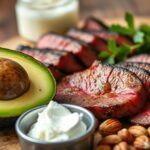
Yes, the keto diet can cause constipation due to its low carbohydrate intake, which often results in reduced fiber consumption. Without enough fiber, you may experience discomfort and irregular bowel movements. Additionally, dehydration and electrolyte imbalances common on keto can further exacerbate digestive issues. To alleviate constipation, it’s important to include high-fiber foods and stay hydrated. If you’re curious about specific foods and tips to improve your digestion on keto, there’s more to explore.
Understanding the Keto Diet

The ketogenic diet, often referred to as keto, is a high-fat, low-carbohydrate eating plan designed to shift your body into a state of ketosis. Many people have keto misconceptions, thinking it’s just a fad or overly restrictive. In reality, it’s about making dietary adjustments to emphasize healthy fats while limiting carbs. This shift can lead to increased energy, weight loss, and improved mental clarity. However, it’s essential to understand that not all fats are created equal, and focusing on nutrient-dense foods is vital. As you navigate this lifestyle, be aware of how your body reacts and adjust accordingly to avoid potential issues, like constipation. Embracing keto can offer freedom in your diet when approached with knowledge and intention.
The Role of Fiber in Digestion
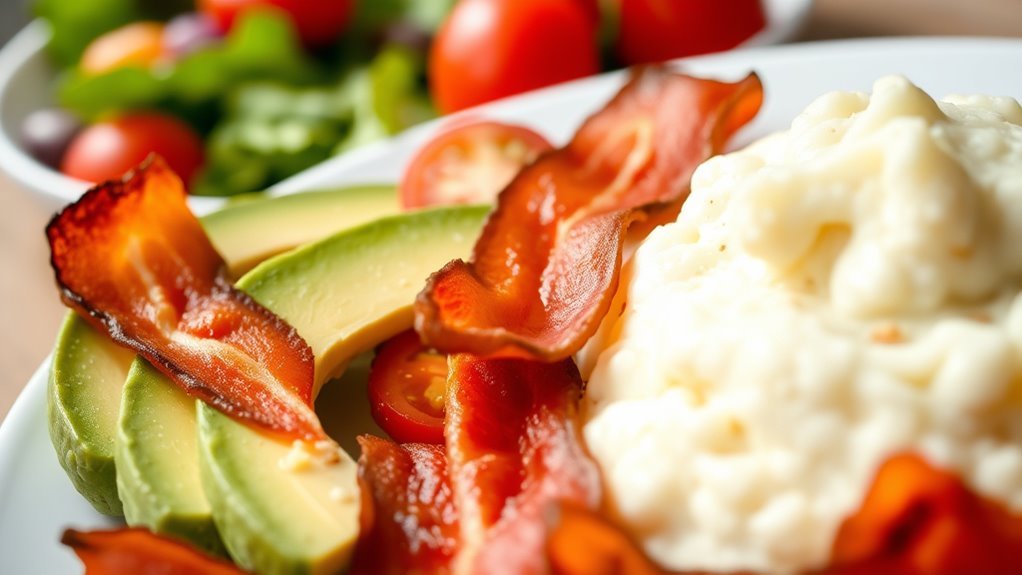
Fiber plays an essential role in digestion, helping to maintain regular bowel movements and overall gut health. On a keto diet, it’s vital to find appropriate sources of dietary fiber to guarantee you’re meeting your nutritional needs. Understanding how fiber supports digestion can help you navigate potential constipation while following this lifestyle.
Importance of Dietary Fiber
While you may be focusing on low-carb eating, it’s important to remember the significance of dietary fiber in your diet, especially when considering digestive health. Fiber plays an essential role in maintaining regular bowel movements and promoting a healthy gut. Without enough fiber, you might experience discomfort or constipation on a keto diet.
| Type of Fiber | Benefits | Sources |
|---|---|---|
| Soluble Fiber | Helps control blood sugar | Oats, chia seeds |
| Insoluble Fiber | Aids in digestion and regularity | Whole grains, nuts |
| Fiber Supplements | Convenient source of fiber | Psyllium, flaxseed |
Incorporating fiber supplements and ensuring adequate intake of digestive enzymes can support your digestive health during your keto journey. Remember, balance is key!
Fiber Sources on Keto
Many low-carb eaters overlook the importance of integrating fiber-rich foods into their keto diet, which can lead to digestive issues like constipation. To prevent this, consider incorporating keto vegetables such as spinach, kale, and broccoli, which are low in carbs but packed with fiber. These veggies not only support digestion but also provide essential nutrients. If you’re struggling to meet your fiber needs through food alone, fiber supplements can be a helpful addition. Opt for those that are low-carb and compatible with your diet. By focusing on these sources, you can maintain a smooth digestive process while enjoying the freedom of a keto lifestyle. Prioritizing fiber is key to ensuring your body functions effectively on this diet.
Fiber and Gut Health
When you’re adhering to a keto diet, maintaining gut health becomes critical, and that’s where fiber plays an essential role. Fiber supports your gut microbiome, which is important for digestion and overall health. While keto emphasizes low-carb foods, it’s important to include sufficient fiber from non-starchy vegetables and low-carb sources. This fiber helps stimulate the production of digestive enzymes, aiding in nutrient absorption and reducing the risk of constipation. A balanced gut microbiome can also influence your immune system and mood, making fiber a significant component of your diet. So, even on keto, prioritize fiber intake to guarantee your digestive system runs smoothly and your overall well-being remains intact.
Why Keto Can Lead to Constipation

As you commence a ketogenic diet, you might find yourself facing unexpected digestive challenges, particularly constipation. This can occur due to a significant reduction in fiber intake when you shift away from carbohydrates, directly impacting keto digestion. The lack of fiber can slow down your digestive process, making it hard for your body to maintain regular bowel movements. Additionally, the high-fat content of a keto diet may also contribute to slower digestion. To combat this, consider constipation remedies such as incorporating low-carb, high-fiber vegetables like leafy greens or avocados. Staying hydrated and ensuring adequate electrolyte balance can also help alleviate constipation. Remember, it’s important to listen to your body and make adjustments as needed for ideal digestive health.
Dehydration and Its Effects on Bowel Movements
Staying hydrated is essential for maintaining healthy bowel movements, especially on a keto diet. When you cut back on carbs, it’s easy to overlook your fluid intake, which can lead to dehydration and worsen constipation. Additionally, the type of fiber you consume plays a significant role in how well your body manages hydration and digestion.
Importance of Hydration
While many people may not realize it, adequate hydration plays an essential role in maintaining healthy bowel movements, especially on a ketogenic diet. Dehydration can lead to constipation, making it important to stay hydrated. Here are some hydration benefits and tips to keep in mind:
- Promotes Digestive Health: Water helps soften stool and supports regular bowel movements.
- Enhances Nutrient Absorption: Proper hydration aids in the absorption of essential nutrients, which is significant on a keto diet.
- Prevents Kidney Stones: Staying well-hydrated reduces the risk of kidney stones, a concern for those on a high-fat diet.
Be proactive—drink plenty of water throughout the day and consider low-carb electrolyte drinks. Your body will thank you!
Fiber Intake Considerations
Although fiber is often touted as a key component of digestive health, many people on a ketogenic diet may not be getting enough of it, which can exacerbate issues like constipation. To improve your fiber intake, consider incorporating a variety of fiber types, such as soluble and insoluble fiber. You might also explore fiber supplements if you’re struggling to meet your daily needs.
| Fiber Type | Sources | Benefits |
|---|---|---|
| Soluble Fiber | Oats, chia seeds, avocados | Aids in digestion, lowers cholesterol |
| Insoluble Fiber | Vegetables, nuts, whole grains | Promotes regular bowel movements |
| Supplements | Psyllium husk, inulin | Convenient source of fiber |
Electrolyte Imbalance and Digestive Health
Electrolyte imbalances can considerably impact digestive health, especially for those following a ketogenic diet. When you’re low on electrolytes, your body might struggle to produce digestive enzymes effectively, leading to constipation and discomfort. Maintaining proper electrolyte balance is vital for smooth digestion. Here are three key electrolytes to focus on:
- Sodium: Essential for fluid balance and proper nerve function.
- Potassium: Helps maintain muscle function, including the muscles in your digestive tract.
- Magnesium: Supports enzyme function and helps relax the muscles in your intestines.
The Impact of Fat Intake on Digestion
When you adopt a ketogenic diet, the high fat intake can greatly influence your digestive process. Increased fat digestion requires your body to produce more bile, which helps emulsify fats for absorption. This can lead to changes in your bowel habits. While some people might experience smoother digestion, others could find that the sudden shift in fat consumption contributes to constipation. It’s essential to guarantee your bile production is adequate, as insufficient bile can hinder fat digestion and lead to discomfort. Additionally, staying hydrated and maintaining electrolyte balance can play a significant role in your overall digestive health. Understanding how fat intake affects your digestion can empower you to make informed choices on your keto journey.
Foods to Include for Better Digestion on Keto
To enhance digestion while following a ketogenic diet, it’s crucial to incorporate specific foods that can help alleviate potential digestive issues like constipation. Here are three foods you should consider including in your meal planning:
- Leafy Greens: Spinach, kale, and Swiss chard are low in carbs and high in fiber, promoting gut health.
- Avocados: Packed with healthy fats and fiber, avocados can help keep your digestive system running smoothly and make great keto snacks.
- Chia Seeds: These tiny seeds are loaded with soluble fiber, which can help soften stool and improve bowel movements.
Tips for Staying Regular on a Keto Diet
Staying regular on a keto diet can be challenging, but there are effective strategies you can adopt. Increasing your fiber intake, staying hydrated, and incorporating probiotic foods into your meals can greatly improve your digestive health. By making these adjustments, you can help prevent constipation and maintain a balanced gut.
Increase Fiber Intake
A well-rounded keto diet can sometimes lead to digestive issues like constipation, but increasing your fiber intake is a simple way to help combat this. Here are three effective strategies to boost your fiber consumption:
- Incorporate High Fiber Recipes: Look for recipes that use keto-friendly vegetables like avocados, chia seeds, and flaxseeds, which can add both flavor and fiber to your meals.
- Add Fiber Supplements: Consider using fiber supplements, such as psyllium husk or inulin, to easily increase your daily fiber intake without drastically changing your diet.
- Snack Wisely: Choose high-fiber snacks like nuts or seeds to keep your fiber levels up between meals.
Stay Hydrated Daily
While you may focus on low-carb foods in a keto diet, neglecting hydration can lead to digestive issues, including constipation. Staying hydrated is crucial for maintaining regular bowel movements. Here are some effective hydration strategies to take into account:
| Strategy | Tips |
|---|---|
| Increase Water Intake | Aim for at least 8 cups daily |
| Add Electrolytes | Think about adding a pinch of salt |
| Monitor Urine Color | Light yellow indicates good hydration |
Prioritizing your water consumption helps guarantee your body functions at its best. Not only does proper hydration support digestion, but it also enhances overall well-being. So, remember to keep that water bottle handy and drink up throughout the day for a smoother keto experience!
Incorporate Probiotic Foods
Incorporating probiotic foods into your keto diet can greatly improve your digestive health and help prevent constipation. Probiotics promote a healthy gut microbiome, which is essential for regular bowel movements. Here are some easy ways to add them to your meals:
- Fermented vegetables: Sauerkraut, kimchi, and pickles are excellent choices that add flavor and beneficial bacteria.
- Kefir: This fermented dairy drink is rich in probiotics; just choose a low-carb version to stay keto-friendly.
- Probiotic supplements: If you’re not keen on fermented foods, consider high-quality probiotic supplements to support your gut health.
When to Seek Medical Advice
When should you consider seeking medical advice regarding constipation while following a keto diet? If you’re experiencing persistent discomfort, it’s wise to consult a healthcare professional. Look out for these signs:
| Symptoms | Possible Causes | Recommended Action |
|---|---|---|
| Severe abdominal pain | Gut obstruction | Seek immediate medical help |
| Blood in stool | Hemorrhoids or fissures | Schedule a doctor’s visit |
| No bowel movement for three days | Lifestyle changes | Discuss dietary adjustments |
| Unexplained weight loss | Underlying health issues | Get evaluated by a physician |
Incorporating lifestyle changes and digestive supplements may help alleviate symptoms, but it’s important to address any serious concerns with a professional. Your health should always be a priority.
Alternatives to Consider for Digestive Health
If you’re struggling with digestive health on a keto diet, exploring alternatives can make a significant difference. Here are some gut-friendly alternatives and digestive aids to reflect upon:
- Low-FODMAP Vegetables: Incorporate zucchini, spinach, and bell peppers to add fiber without triggering digestive issues.
- Prebiotic Foods: Foods like asparagus and artichokes can help feed your beneficial gut bacteria, promoting a healthier gut environment.
- Supplemental Fiber: Reflect on psyllium husk or ground flaxseeds; they’re great sources of soluble fiber that can ease constipation.
Making these adjustments can support your digestive health while enjoying the freedom of a keto lifestyle. Always listen to your body and adjust accordingly; what works for one person may not work for another.
Frequently Asked Questions about Keto and Constipation
1. Does following a keto diet lead to constipation?
Yes, many individuals may experience constipation when starting a keto diet. This can be attributed to the significant reduction in carbohydrate intake, which often leads to a decrease in fiber consumption. Since fiber is essential for healthy digestion and regular bowel movements, a low-fiber diet can contribute to constipation.
2. How can I prevent constipation while on a keto diet?
To prevent constipation on a keto diet, consider increasing your intake of low-carb, high-fiber foods. Options include leafy greens, avocados, seeds, and nuts. Staying well-hydrated is also crucial; aim for at least 8 glasses of water a day. Additionally, incorporating magnesium supplements can help promote regular bowel movements.
3. Are there specific foods I should avoid to reduce the risk of constipation on keto?
Yes, while on a keto diet, it’s best to avoid highly processed foods that are low in fiber and high in unhealthy fats. Foods such as cheese, cream, and fatty meats can contribute to constipation if consumed in excess. Instead, focus on whole, nutrient-dense foods that provide both healthy fats and fiber.
4. How long does constipation typically last when starting a keto diet?
Constipation can vary in duration from person to person. For some, it may last only a few days, while others might experience it for several weeks as their body adjusts to the dietary changes. Most people find that constipation improves as they adapt to the keto diet and find ways to incorporate more fiber.
5. When should I consult a doctor about constipation on a keto diet?
If you experience severe constipation that lasts longer than a few weeks, or if you have other concerning symptoms such as abdominal pain, bloating, or blood in your stool, it’s important to consult a healthcare professional. They can provide guidance and help determine if any underlying issues need to be addressed.
References
- https://www.ncbi.nlm.nih.gov/pmc/articles/PMC6313449/
- https://www.health.harvard.edu/staying-healthy/constipation-and-the-keto-diet
- https://www.webmd.com/diet/what-is-the-ketogenic-diet
- https://www.nutrition.org.uk/healthyliving/healthyeating/keto-diet.html
- https://www.cdc.gov/nutrition/index.html
- https://www.mayoclinic.org/healthy-lifestyle/nutrition-and-healthy-eating/expert-answers/keto-diet-and-constipation/faq-20478920